
- Home ›
- Cooking Lessons ›
- 70 Kids Cooking Activities
70 Kids Cooking Activities: Ways You Can Get Your Child Involved in the Kitchen
Looking for simple ways to get your child involved in the kitchen? This list of 70 kids cooking activities is filled with easy kitchen jobs, helpful tasks, and age-appropriate ways children can learn to participate in cooking and meal preparation.
Not every kitchen activity has to be full cooking from start to finish. Kids can help by measuring, stirring, setting the table, washing produce, cleaning up, and assisting with meal planning.
Some of my favorite childhood memories come from time spent in the kitchen with family. Those small jobs—stirring, setting the table, helping with meal prep, and cleaning up—can become meaningful memories and valuable life skills.
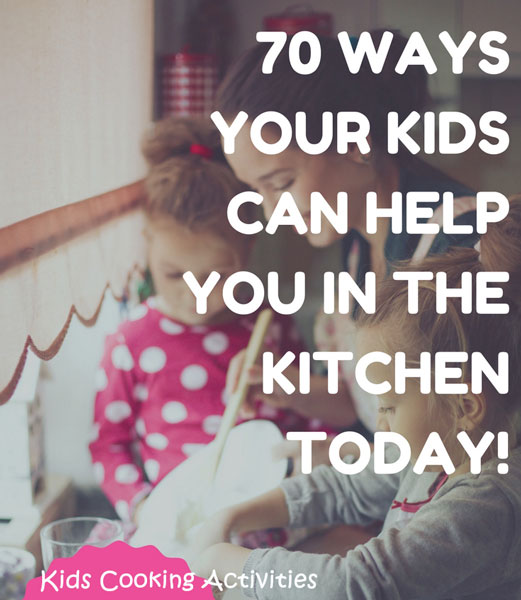
Some of my favorite childhood memories come from time spent in the kitchen with family. Those small jobs stirring, setting the table, helping with meal prep, and cleaning up—can become meaningful memories and valuable life skills.
If you would like this kids cooking activities list in printable format, sign up for a free copy. You can print it and keep it on the fridge for quick reminders of simple ways kids can help.
70 Simple Cooking with Kids Activities
These simple kitchen jobs can help children participate in cooking, meal prep, cleanup, and kitchen organization.
- Spray cooking pans or skillets with cooking spray
- Wipe off counters
- Roll cookie dough
- Put muffin liners in muffin pans
- Measure out ingredients carefully
- Get out measuring cups and spoons
- Set out all ingredients needed for a recipe
- Cut up vegetables for a salad
- Make a pitcher of water for the table
- Set out the dinner plates
- Set out silverware
- Fix the drinks for the meal
- Stir the pot on the stove
- Crack eggs
- Grate cheese
- Knead dough
- Set out the mixer
- Set out mixing bowls
- Set out spices
- Clean the microwave
- Spray counters with cleaner
- Sweep the floor
- Mop the floor
- Wipe cupboards
- Clean out the toaster
- Butter the toast
- Make scrambled eggs
- Clean out cupboards
- Clean out drawers
- Organize the fridge
- Wash the fridge exterior
- Put hot pads in the laundry
- Get out fresh washcloths
- Set out napkins for the meal
- Wipe off the outside of the oven
- Rinse out the sink
- Wash the dishes
- Put dishes in the dishwasher
- Dry the dishes
- Put big dishes away
- Stir the flour mixture
- Stir the batter
- Set out the salad dressing
- Get out a large spoon or knife to serve the main dish
- Set out plates for the meal
- Set the timer for the oven
- Fill a pot with water for boiling noodles
- Open cans
- Open ingredient packages
- Wipe off the front of the dishwasher
- Rinse off vegetables
- Rinse off fruit
- Wash potatoes
- Start the dishwasher
- Put groceries away
- Form hamburger patties
- Put fries on a cookie sheet
- Help plan a weekly menu
- Pour muffin batter into muffin cups
- Cut out cookie dough
- Drop biscuits on the cookie sheet
- Put vegetables in a pot with water to cook
- Help dish up dinner
- Clear the table of dishes
- Preheat the oven
- Empty the dishwasher
- Soak pots and pans that are hard to wash
- Put leftovers in containers and into the fridge
- Wipe off spices and put them away
- Refill and wipe off the flour and sugar containers
Kids can be much more helpful in the kitchen than many adults expect. Small jobs add up, and children often enjoy helping more than we realize. Cooking together can be a win-win: they learn, and you get support.
Ready to turn these into lessons? See step-by-step cooking lessons.
70 Kids Cooking Activities Checklist (Free Printable)
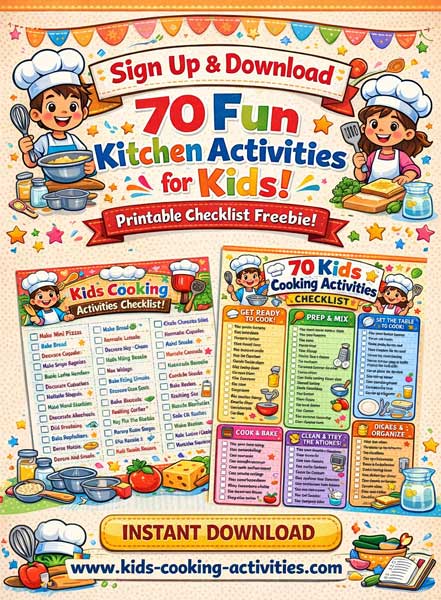
Looking for an easy way to get kids involved in the kitchen? This 70 Kids Cooking Activities Checklist is packed with simple, fun, and practical kitchen tasks kids can help with at home or in the classroom.
✔ What’s Included:
- 70 easy kitchen tasks kids can learn step-by-step
- Printable checklist (perfect for home or classroom use)
- Great for cooking lessons, camps, and life skills practice
- Encourages independence and confidence in the kitchen
⭐ Perfect for ages 4–12 • Great for homeschool, classrooms, and cooking camps
Age-Appropriate Cooking Tasks
While it is wonderful to get kids into the kitchen, some activities are better suited for older children. Ages can vary by maturity, experience, and supervision, but these general guidelines can help you choose safe and realistic kitchen jobs.
2-3 years old - Stirring with a spoon, helping mix ingredients, washing produce, gathering simple supplies, handing you tools, and helping with easy meal planning choices.
3-5 years old - Cracking eggs with help, basic food prep, using a nylon or child-safe knife for soft foods, pouring ingredients, and combining ingredients in bowls.
5-9 years old - More advanced measuring and cutting practice, parent-assisted stovetop or oven cooking, and simple meal preparation such as pancakes, pasta, sandwiches, or grilled cheese.
9+ years old - By this age, many children can begin working more independently in the kitchen and using a wider variety of tools and techniques with guidance and supervision.
 Check out our kids cooking lessons for lessons geared toward age-appropriate tasks. They are also available in the Kids Cooking Lesson Manual.
Teach Proper Skills: Build a Strong Culinary Foundation
Just like learning math or music, learning to cook works best when children build skills in the right order. Starting with the basics and gradually increasing difficulty helps prevent frustration and builds confidence.
A child should learn how to measure, mix, and follow directions before tackling more advanced cooking techniques. Skill building in the kitchen works step by step.
Skill progression examples:
- Washing and peeling - chopping - dicing - julienning
- Measuring with cups - reading a recipe - understanding portion sizes - scaling a recipe
- Making a sandwich - tossing a salad - sautéing vegetables - cooking a full meal
Each step sets the foundation for the next. As kids gain confidence, they can try more complex tasks without feeling overwhelmed.
Why proper skills matter:
- They help prevent bad habits that are hard to unlearn later.
- They reinforce sequencing and logical thinking.
- They build independence, responsibility, and self-reliance.
- They improve attention to detail, timing, and safety awareness.
As a parent or instructor, model skills slowly, explain why each step matters, and give children repeated chances to practice. A simple cooking checklist or skill chart can also help kids see their progress.
By teaching proper skills in a thoughtful, step-by-step way, you are not just showing a child how to cook—you are helping them build skills for life.
Kids Cooking Lesson Plans
Want a done-for-you plan?If you're looking for a complete, ready-to-use system, these structured lesson plans and teaching materials can help you save time and confidently teach cooking step-by-step. All of our basic cooking lessons are included in the set.
Explore Cooking Curriculum →
More Teaching Help Pages
Keep building kitchen confidence with these related pages on motivation, safety, teaching tips, and hands-on learning through cooking.
20 Ways to Cook with Kids
Find fun, creative cooking ideas that help children get involved in the kitchen.
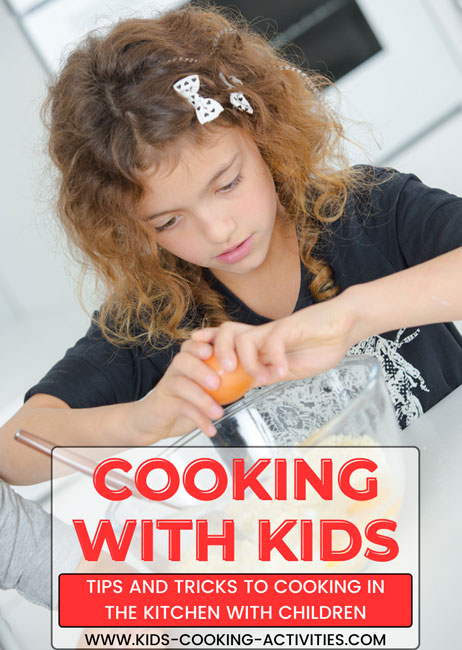
Kids Cooking Tips
Find more ways to keep cooking fun, engaging, and less stressful for kids and adults.
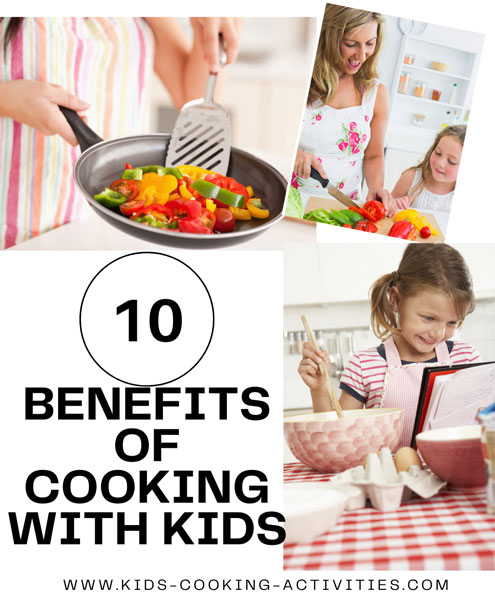
Reasons for Kids to Learn to Cook
See more benefits of teaching children to cook, from confidence to healthy habits.
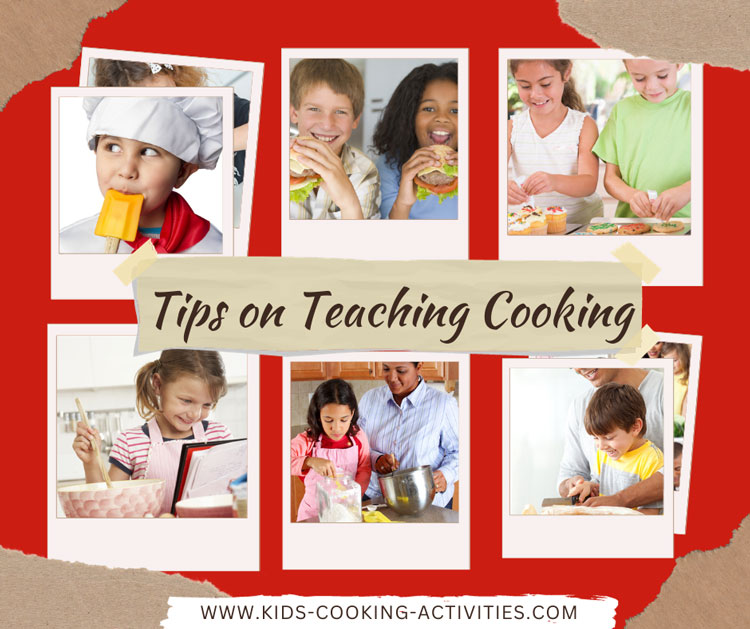
Getting Kids Interested in the Kitchen
Use these ideas to motivate children and make kitchen learning feel fun and inviting.
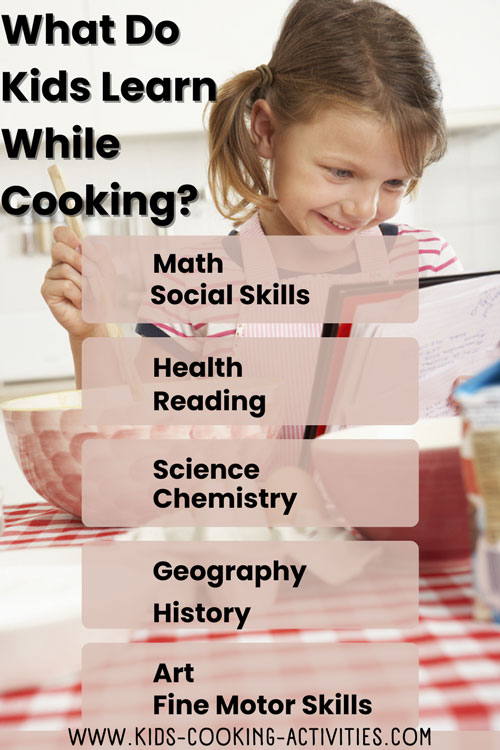
What Kids Learn While Cooking
See how cooking teaches math, reading, science, creativity, and life skills.

Kitchen Safety Rules
Teach safe kitchen habits, supervision, and food safety basics before moving into harder tasks.
FAQ: 70 Kids Cooking Activities
What are good starter kitchen jobs for kids?
Good starter jobs include stirring, measuring, washing produce, setting the table, gathering ingredients, and wiping counters.
How do I know which kitchen tasks are right for my child?
Choose tasks based on age, maturity, experience, and the level of supervision available. Start simple and build skills gradually.
Do kids need to cook full recipes to help in the kitchen?
No. Many helpful kitchen jobs involve prep work, cleanup, meal planning, and organization. Those tasks still teach valuable cooking and life skills.
Start here → Assistant Chef → Build skills → Chef in Training → Advance → Junior Chef → Intermediate → Senior Chef → Master → Basic Cooking Lessons
Continue building skills → Basic Cooking Lessons
Teaching Kids to Cook Tips
Get Free Kids Recipe Cards + Cooking Printables
Join Kids Cooking Activities for fun recipes, cooking ideas, and printable resources for kids, families, and classrooms.
Follow Kids Cooking Activities too:





© Debbie Madson, Madson Web Publishing, LLC — All rights reserved.
The material on this site is for educational purposes only.