Food Science Experiments for Kids
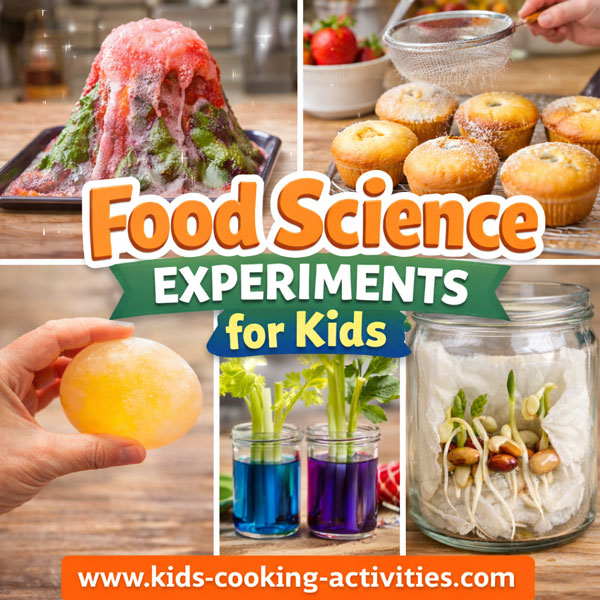
Food science experiments for kids make learning fun by turning your kitchen into a hands-on science lab. Explore color changes, baking reactions, plant growth, and edible science activities using simple ingredients children already know and love.
This page organizes food science experiments by category so kids can explore different types of kitchen science step-by-step.
What is Food Science?
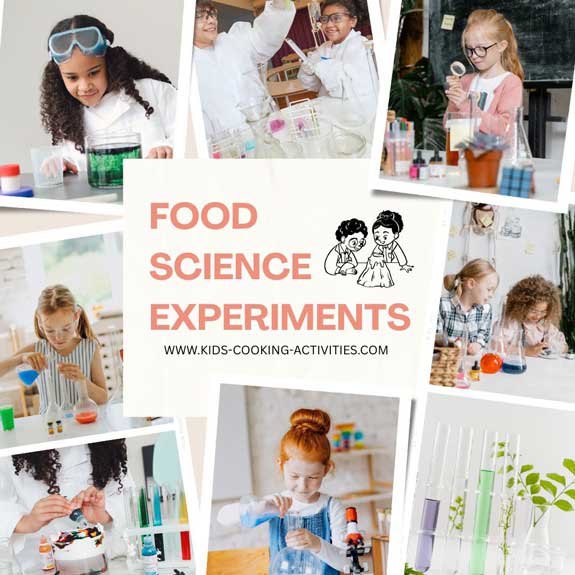
Food science is the study of how ingredients change when you mix, heat, cool, or store them. In the kitchen, kids can explore science concepts like chemical reactions, temperature changes, plant growth, and how liquids and solids behave.
Why Food Science Helps Kids Learn
Kitchen science turns abstract ideas into real experiences. Kids can see, touch, taste, and test what happens, which makes learning easier and more memorable.
- Builds observation and prediction skills
- Connects science to everyday life
- Encourages curiosity and experimentation
- Strengthens math and measuring skills
- Reinforces cooking skills at the same time
Kids Cooking Activities Teaching Materials
Teaching kids to cook? Save time with ready-made lesson plans used by parents and teachers. Browse teaching materials →


This page may contain affiliate links. We may earn a small commission at no extra cost to you. Learn more.
Types of Food Science Experiments
- Chemical Reactions: Watch ingredients fizz, bubble, and change (vinegar + baking soda, milk curdling)
- Heat & Temperature Changes: See how heat, cold, and air affect food (baking, melting, freezing)
- Density & Liquids: Explore floating, sinking, and movement in liquids (oil + water, salt water, bubbles)
- Growing Food: Learn how plants grow from seeds and scraps (beans, celery, regrowing vegetables)
Popular Food Science Experiments
Start with a few favorite food science activities that are easy to try at home or in the classroom.
Kitchen Chemistry Experiments
These experiments help kids see how ingredients react, separate, fizz, thicken, or change texture.
Rubber Egg Experiment
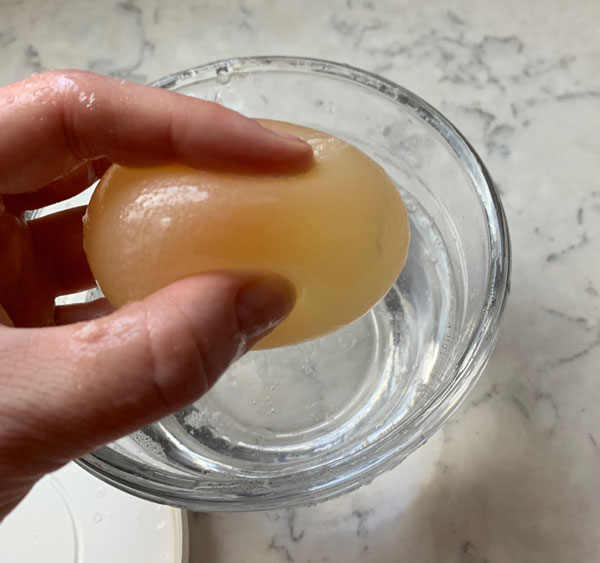
Watch an eggshell dissolve in vinegar and discover what happens when acid reacts with the shell.
View Experiment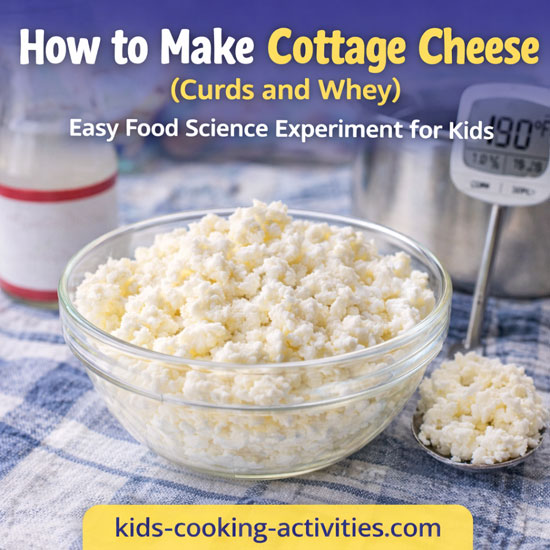
Make Cottage Cheese
See how acids change milk proteins and create curds in this simple kitchen experiment.
View Experiment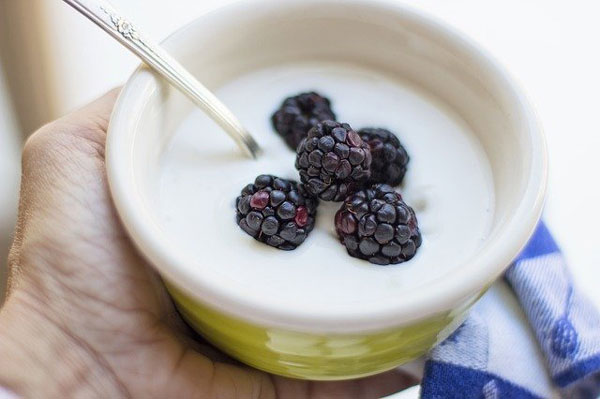
Homemade Yogurt
Learn how temperature and live cultures help milk thicken into yogurt.
View Experiment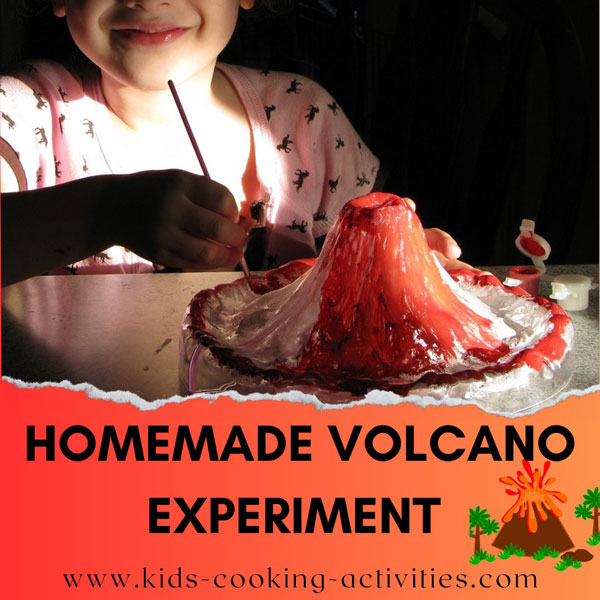
Homemade Volcano
Use a fizzy reaction to demonstrate acids, bases, and bubbling gas.
View Experiment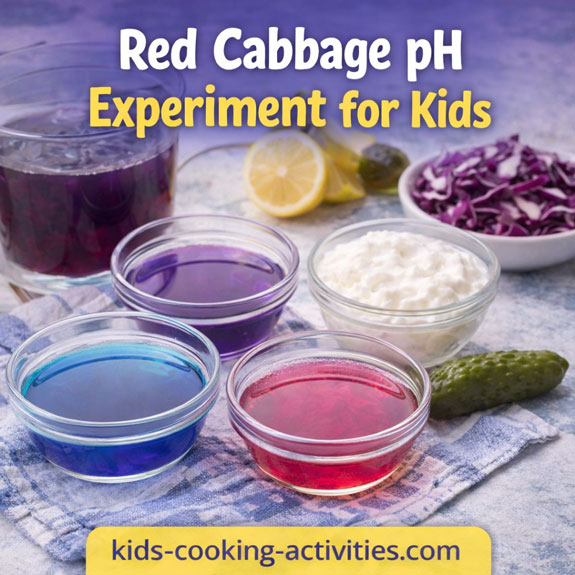
Red Cabbage pH Experiment
Use cabbage water as a natural indicator to test acids and bases in everyday kitchen foods.
View Experiment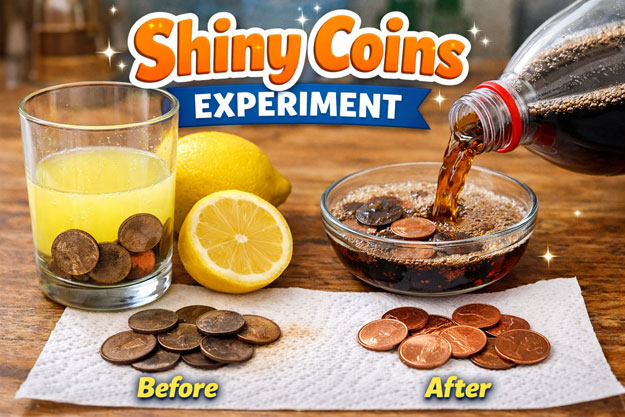
Shiny Coins Experiment
Use simple kitchen ingredients to help kids see how tarnish can be cleaned away.
View ExperimentDensity, Liquids & Color Change Experiments
These colorful food science projects are especially fun for younger kids because they can see changes happen right away.
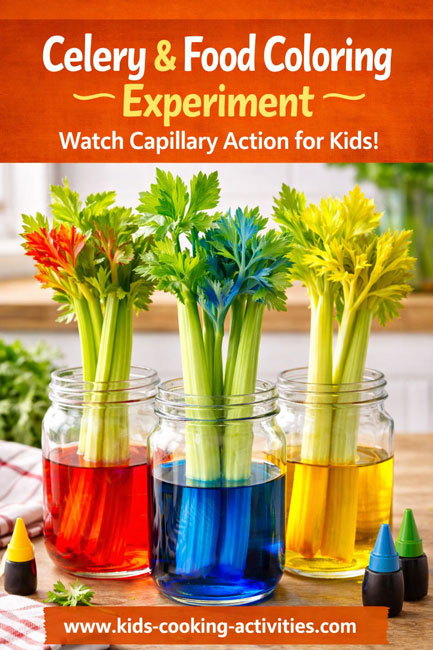
Celery Food Coloring Experiment
Place celery in colored water and watch how the color travels up through the stalk.
View Experiment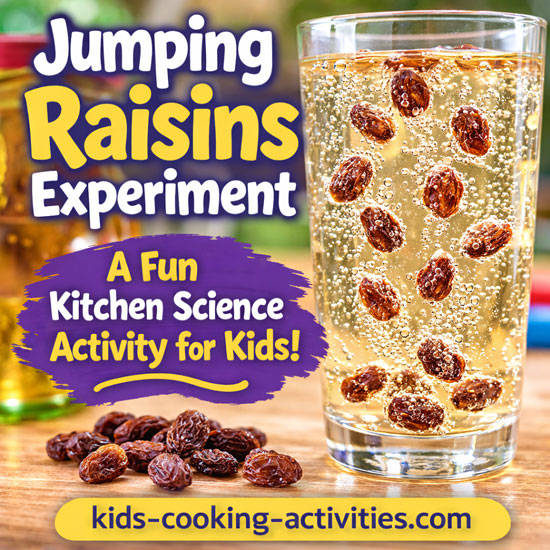
Jumping Raisins
Use bubbles in a fizzy drink to make raisins rise and fall in a fun motion experiment.
View Experiment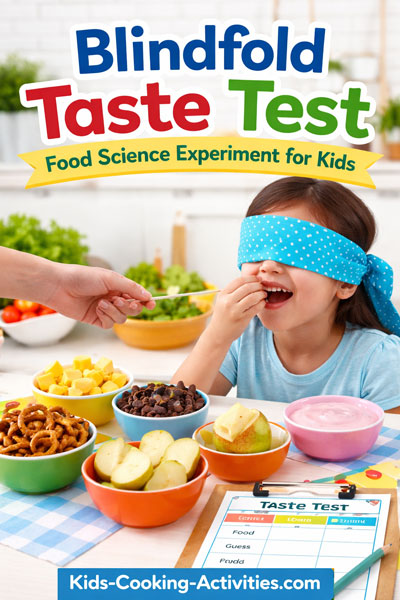
Blindfold Taste Test
Explore how smell and taste work together by trying foods while blindfolded and holding your nose.
View Experiment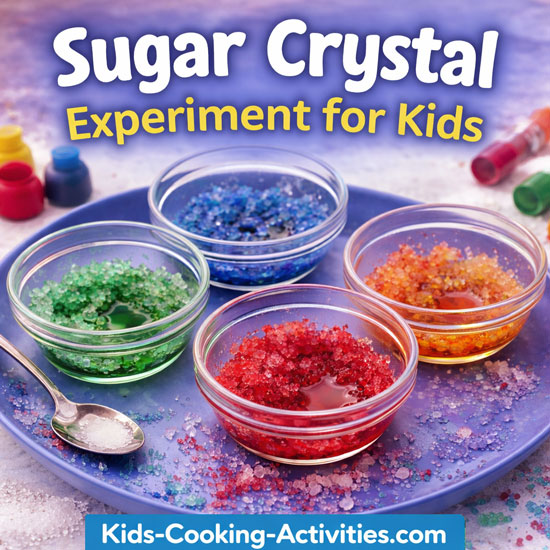
Making Sugar Crystals
Watch sugar water evaporate and leave crystals behind in this easy edible science activity.
View Experiment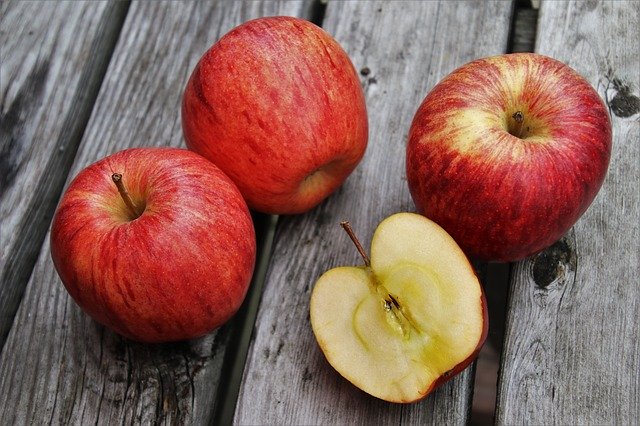
Apple Experiment
Use apples to explore freshness, browning, and how ingredients affect food over time.
View Experiment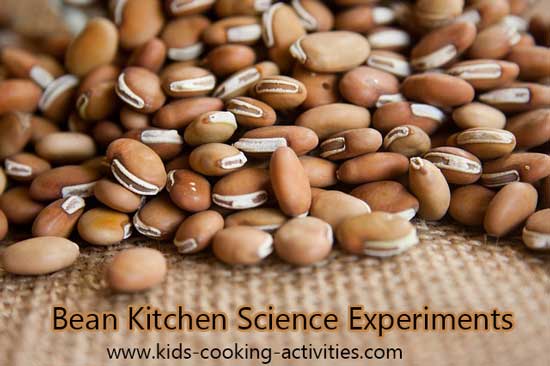
Bean Experiments
Learn how beans sprout and grow while observing simple changes day by day.
View ExperimentGrowing Food & Plant Experiments
Use seeds, beans, and vegetables to show kids how food grows and how plants use water and light.
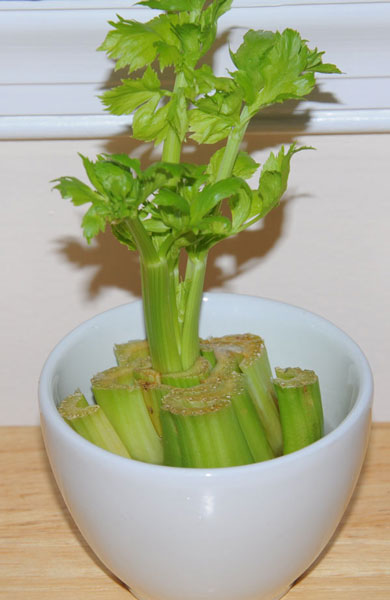
Grow Food from Scraps
Discover how some vegetables can regrow from kitchen scraps with water and sunlight.
View Experiment
Celery Stalk Experiment
Observe how water travels through a plant stem in one of the easiest kitchen science experiments.
View Experiment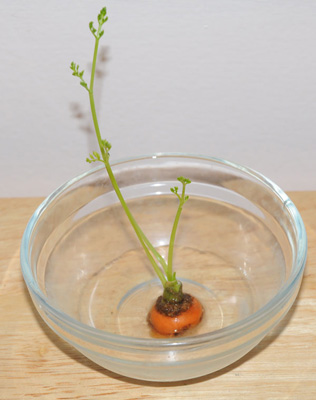
Carrot Top
Show kids how new green growth can appear from a simple carrot top kitchen scrap.
View Experiment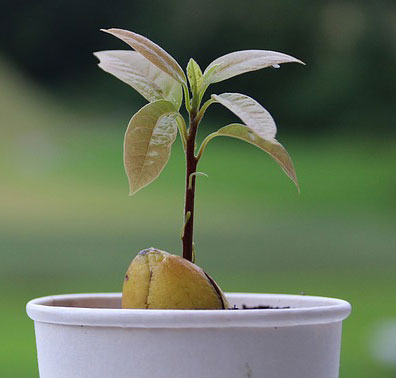
Avocado Plant
Start an avocado seed and observe the long process of sprouting and root growth.
View Experiment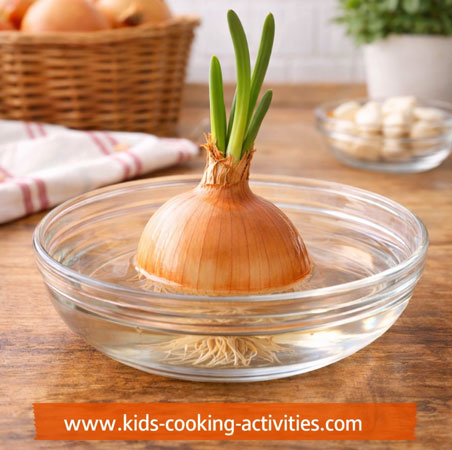
Onion Sprouting
See how onions sprout and discuss what plants need in order to keep growing.
View ExperimentBaking Science Experiments
Baking is full of science. Kids can learn about yeast, air, temperature, crystals, and changing textures.
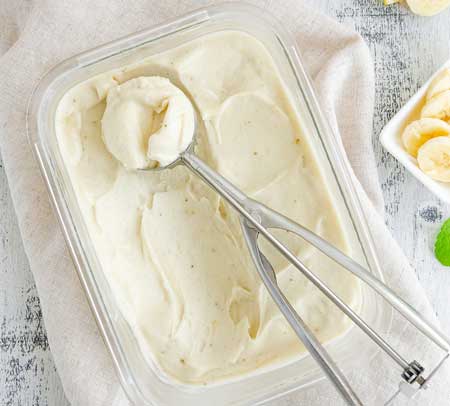
Making Homemade Ice Cream
Learn how salt lowers freezing temperature while making a fun frozen treat.
View Experiment
Sugar Crystals
Grow crystals and explore how evaporation changes a sugar solution over time.
View Experiment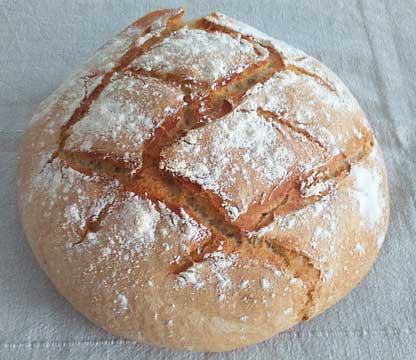
Sourdough Starter
Explore fermentation and the natural process that creates a sourdough starter.
View Experiment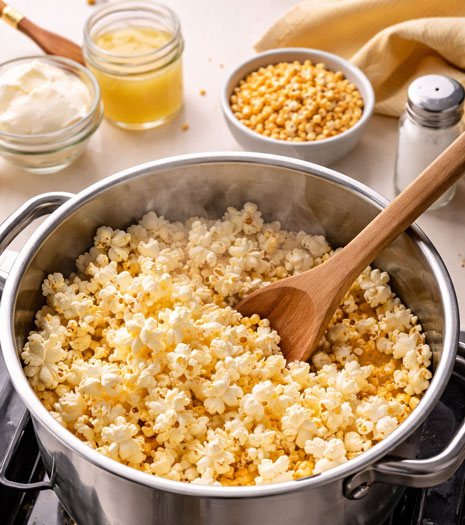
Popcorn Science
Discover why popcorn kernels pop and how heat changes the moisture inside each kernel.
View ExperimentWhat Kids Learn from Food Science Experiments
Food science activities teach more than cooking. They help children observe, predict, compare, measure, and understand how ingredients change.
- Chemical reactions in everyday ingredients
- How heat and cold change food
- How plants grow from seeds and scraps
- Why yeast makes bread rise
- How liquids move, mix, and separate
- How to ask questions and observe results
Food Science Experiments FAQ
What is food science?
Food science is the study of how ingredients change when they are mixed, heated, cooled, or stored. In the kitchen, kids can explore science through real cooking activities.
Why does food science help kids learn?
Food science makes learning hands-on. Kids can see and test what happens, which helps them understand concepts like reactions, temperature, and plant growth more easily.
What are the main types of food science experiments?
Food science experiments usually fall into four categories: chemical reactions, heat and temperature changes, density and liquids, and growing food from seeds or scraps.
What age are food science experiments best for?
Simple experiments work well for younger kids, while older children can measure, compare, and record results for deeper learning.
Try More Kitchen Science Experiments
Jumping Raisins Experiment
Watch raisins bounce in soda while learning about gas bubbles.
Make Homemade Yogurt
Learn how bacteria transform milk into creamy yogurt.
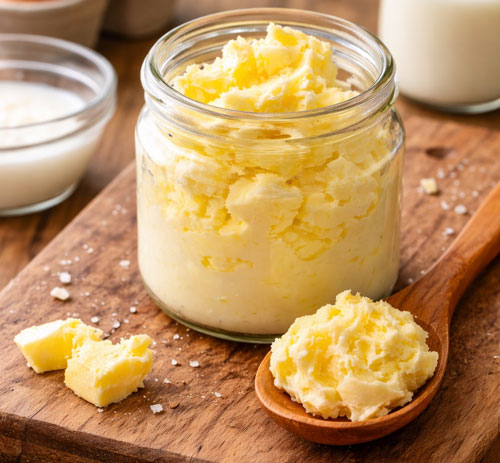
Shake Homemade Butter
See how shaking cream changes liquid into butter.
Apple Experiment
Use apples to explore freshness, browning, and how ingredients affect food over time.
Celery Food Coloring Experiment
Watch colored water travel through celery stalks & see how plants move water through their stems.
Rubber Egg Experiment
Soak an egg in vinegar and watch the shell dissolve to reveal a flexible, bouncy egg.
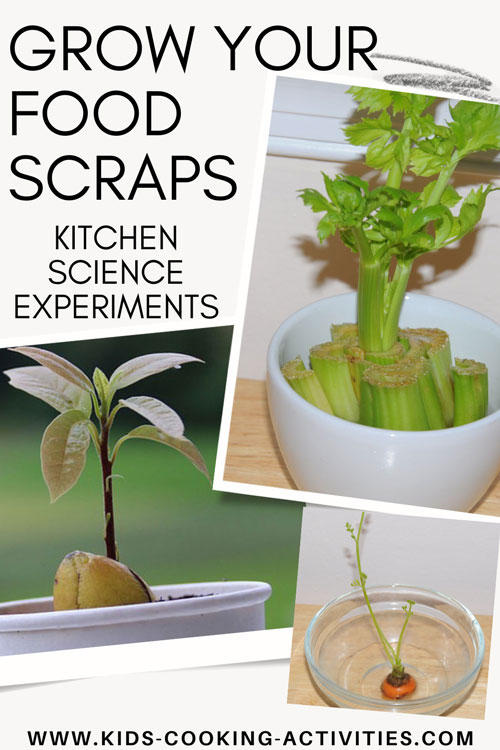
Grow Food from Scraps
See how vegetables like lettuce and celery can regrow using water, sunlight, and time.
Bean Growing Experiments
Observe how seeds sprout and grow while learning about plant development.
Homemade Cottage Cheese
See how acids change milk proteins and create curds in this simple kitchen experiment.
Homemade Volcano Experiment
Create a bubbling chemical reaction using common kitchen ingredients.
Blindfold Taste Test
Explore how smell and taste work together by trying foods while blindfolded.
Red Cabbage pH Experiment
Use red cabbage water to test acids and bases and watch colorful changes happen.
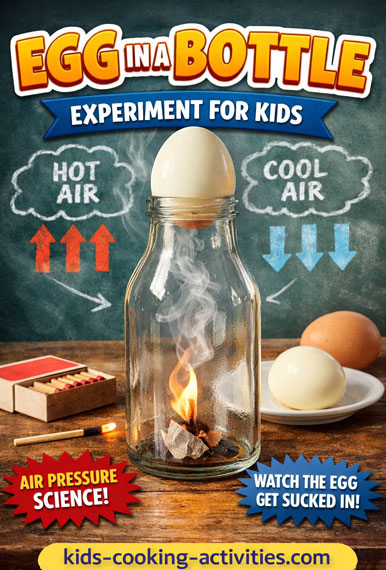
Egg in a Bottle Experiment
See how air pressure can push a peeled egg into a bottle.
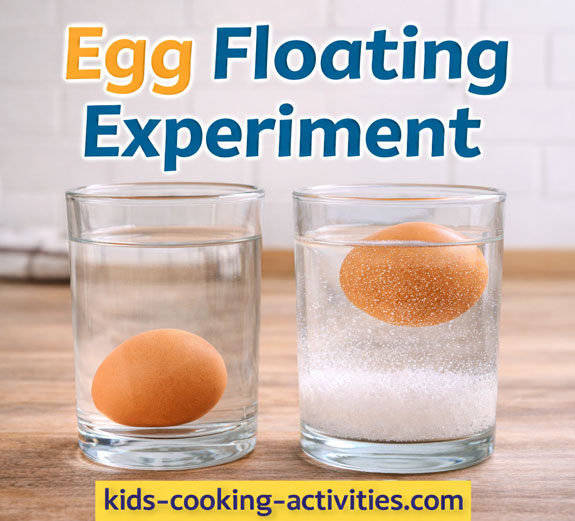
Egg Floating Experiment
See how density changes whether an object sinks or floats.
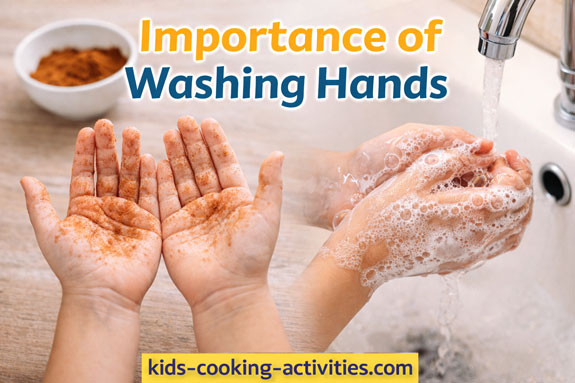
Washing Hands Experiment
See how germs are often invisible, but they can still move quickly.
Shiny Coins Experiment
Use simple kitchen ingredients to help kids see how tarnish can be cleaned away.
Popcorn Science
Discover why popcorn kernels pop and how heat changes the moisture inside each kernel.
Homemade Ice Cream
Learn how salt lowers freezing temperature while making a fun frozen treat.
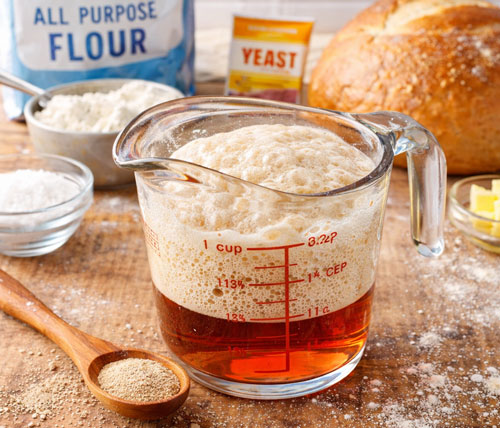
Proofing Yeast
See how yeast becomes active and produces gas that helps bread rise.
Sourdough Starter
Explore fermentation and the natural process that creates a sourdough starter.
Do you have a Food Science Experiment or Activity?
Share your kids science experiment!
Get Free Kids Recipe Cards + Cooking Printables
Join Kids Cooking Activities for fun recipes, cooking ideas, and printable resources for kids, families, and classrooms.
Follow Kids Cooking Activities too:





© Debbie Madson, Madson Web Publishing, LLC — All rights reserved.
The material on this site is for educational purposes only.