Kids Cooking Lessons
Kids Cooking Lessons helps parents, homeschoolers, teachers, and group leaders teach cooking skills step by step. Use this page as a learning hub for age-based lesson levels, kitchen safety, nutrition, food science, and practical ways to help kids grow into confident cooks.
Whether you are teaching one child at home, planning a homeschool life-skills unit, or organizing cooking lessons for a class or community group, these resources create a clearer path from early kitchen help to more independent cooking skills.
- Cooking lessons by age and stage
- Core learning areas
- Why teach kids to cook
- How to get started
- Where to use these lessons
- Cooking curriculum for home, homeschool, and classes
- Cooking skills kids learn
- Skill-based next steps
- Food science and cooking connections
- Full lesson path
- More teaching resources
- Kids cooking lesson plans
- FAQ
Cooking Lessons by Age and Stage
Follow the lesson level that best fits your child, class, or group. Each stage adds new skills and helps kids grow into more capable, independent cooks.
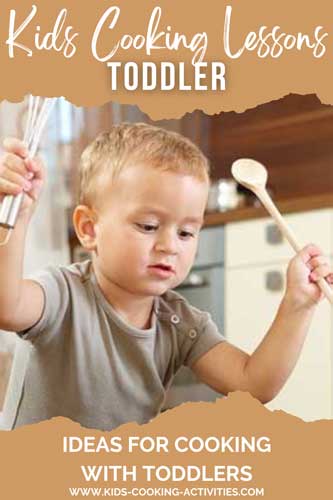
Toddler Kitchen Time
Simple ways to involve toddlers under age 3 with sensory food play, safe participation, and early kitchen experiences.
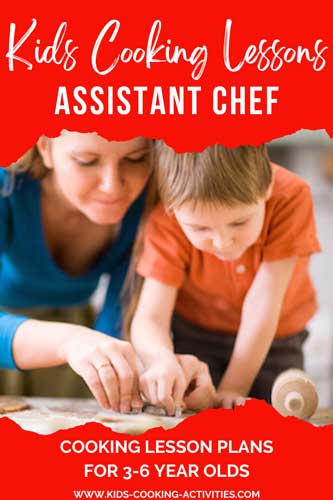
Assistant Chef
Beginner cooking lessons for ages 3-6 focused on kitchen safety, stirring, pouring, spreading, and simple food prep.
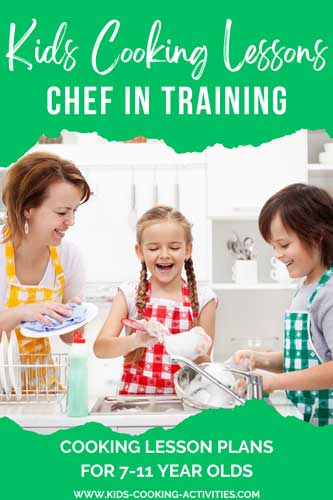
Chef in Training
Hands-on cooking lessons for ages 7-11 that teach measuring, mixing, recipe reading, kitchen safety, and beginner meals.
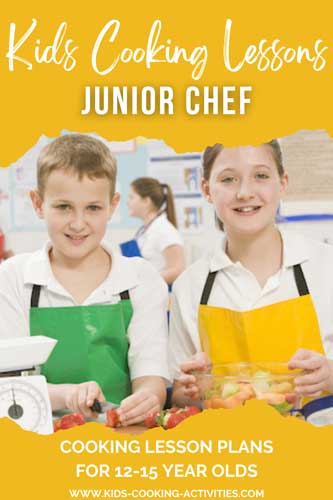
Junior Chef
Intermediate cooking lessons for ages 12-15 that introduce knife skills, baking, meal prep, stovetop work, and nutrition.
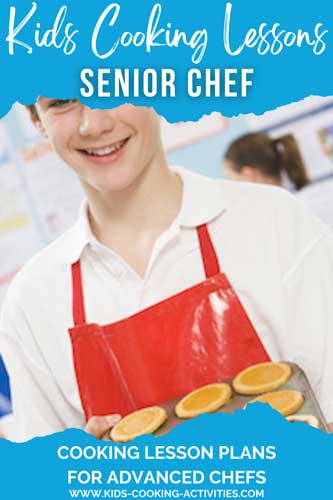
Senior Chef
Advanced cooking lessons for teens ages 16-18 focused on complete meals, meal planning, shopping, and cooking for independence.
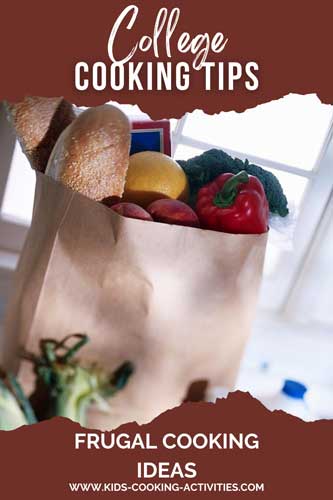
College Cooking
Simple meal planning, grocery basics, and budget-friendly cooking ideas for young adults starting out on their own.
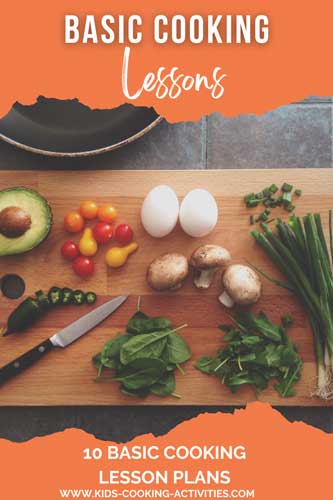
Basic Cooking Lessons
10 practical cooking lessons that build core kitchen methods and more independent cooking skills.
Online Cooking Lessons
Explore online cooking lessons and get a quick overview of the skills and topics available.
Whether you are teaching at home, in a homeschool group, in a classroom, or in a community program, these lesson levels can help you build a clearer cooking path that feels practical, meaningful, and manageable.
Kids Cooking Activities Teaching Materials
Teaching kids to cook? Save time with ready-made lesson plans used by parents and teachers. Browse teaching materials →


This page may contain affiliate links. We may earn a small commission at no extra cost to you. Learn more.
Core Learning Areas
These pages help organize your cooking lessons into strong educational categories so kids build skills, confidence, and real-life understanding as they learn.
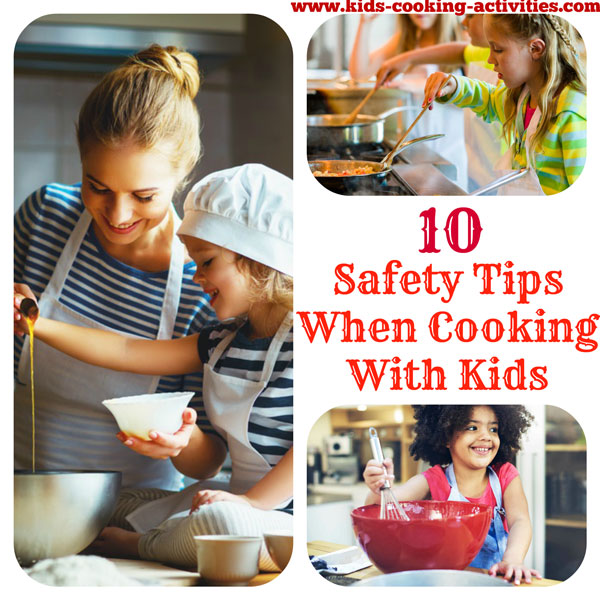
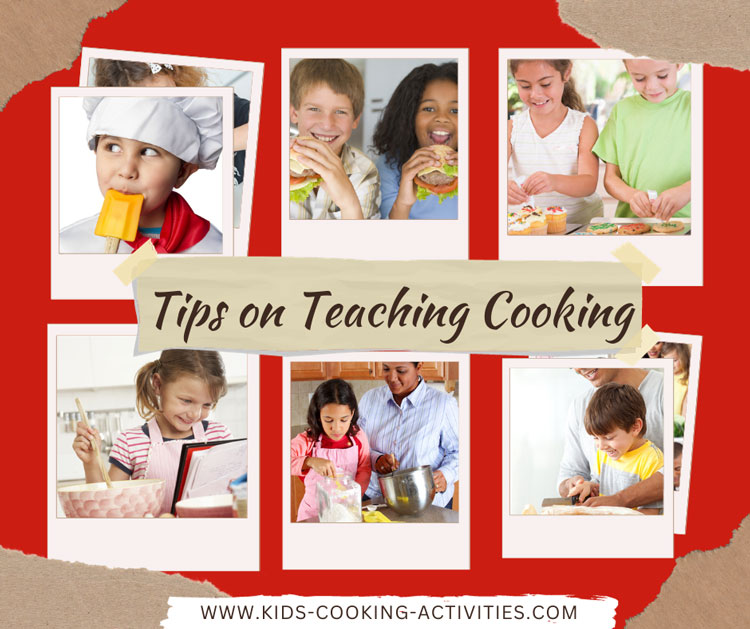



Why Teach Kids to Cook?
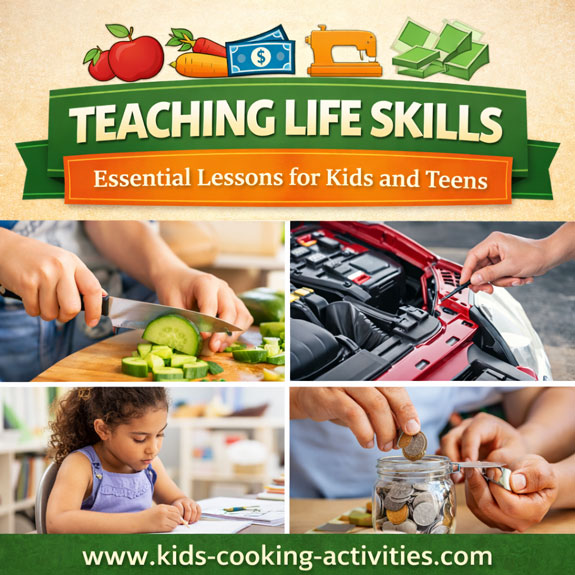
Teaching kids to cook goes far beyond making food. Cooking builds life skills that grow with children over time and helps them practice real tasks with a real purpose.
Cooking with kids helps build:
- Responsibility and independence
- Math, science, and reading skills
- Confidence and creativity
- Family bonds and teamwork
- Real-world learning through hands-on kitchen experiences
Even the spills, mistakes, and uneven results become part of the learning process. Cooking gives children a practical way to grow skills they can use for life.
Read more reasons why children should learn to cook.
How to Get Started With Cooking Lessons
When starting at home, choose a time that feels low-stress and allows you to enjoy the process together. Cooking is a lifelong skill, so it works best when lessons stay simple, age-appropriate, and consistent.
Good times to start might include:
- A relaxed Saturday morning
- A quiet Sunday afternoon
- During a younger child's nap time
Focus on one or two skills at a time, choose recipes that fit the learner’s age and confidence level, and let progress build gradually. See more cooking with kids tips
Where to Use These Cooking Lessons
These cooking lessons can be used in many different settings, including:
- One-on-one with your own children
- Homeschool groups
- After-school programs
- Scouting groups
- Church youth groups
- Summer camps
- Day care or preschool centers
- Community cooking classes
Whether you are a parent, teacher, homeschooler, or group leader, these pages help organize cooking lessons in a way that supports both fun and real learning.
Need recipes for a class, camp, or homeschool group? Try our Classroom Cooking Activities for easy no-cook projects kids can make together.
Cooking Curriculum for Home, Homeschool, and Classes
Toddler → Assistant Chef → Chef in Training → Junior Chef → Senior Chef → College Cooking Tips → 10 Basic Cooking Lessons
- Toddlers: kitchen exposure, sensory learning, and safe participation
- Assistant Chef: stirring, pouring, spreading, and simple food prep
- Chef in Training: measuring, reading recipes, safety, and beginner meals
- Junior Chef: knife skills, meal prep, baking, and nutrition
- Senior Chef: main dishes, meal planning, shopping, and cooking for independence
- 10 Basic Cooking Lessons: next-stage practical cooking methods and core kitchen skills for more independent learners
- College Cooking Tips: simple meal planning, groceries, and starter meals for life on your own
Parents, homeschool teachers, and group leaders can use these levels as a full cooking curriculum, moving step by step as skills grow. This makes the page useful not just as an age guide, but as a long-term life-skills and cooking education path.
Cooking Skills Kids Learn
These lesson levels connect naturally to individual cooking skills and help children build on what they already know. As kids move through the lesson path, they can begin learning:
- Safe kitchen habits
- Sensory exploration with food
- Basic prep skills like stirring, pouring, and spreading
- Measuring ingredients and following step-by-step recipes
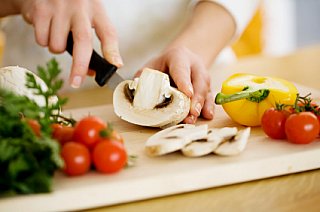
- Knife skills and simple meal preparation
- Nutrition awareness and meal planning
- Trying new foods and flavors
- Cleaning up and working responsibly in the kitchen
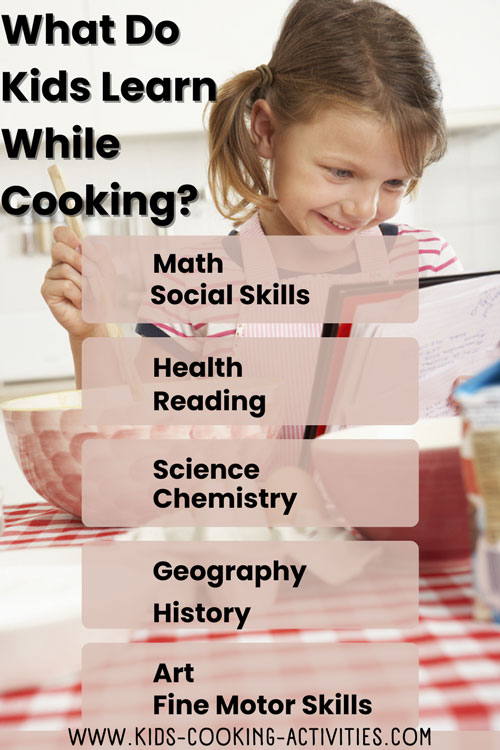
Kids cooking lessons build practical kitchen skills while also helping children gain confidence, independence, and hands-on learning experience. Visit what kids learn while cooking for even more ideas.
Skill-Based Next Steps
After choosing an age level, use these pages as strong next steps for practice, teaching support, and skill development.
Food Science and Cooking Connections
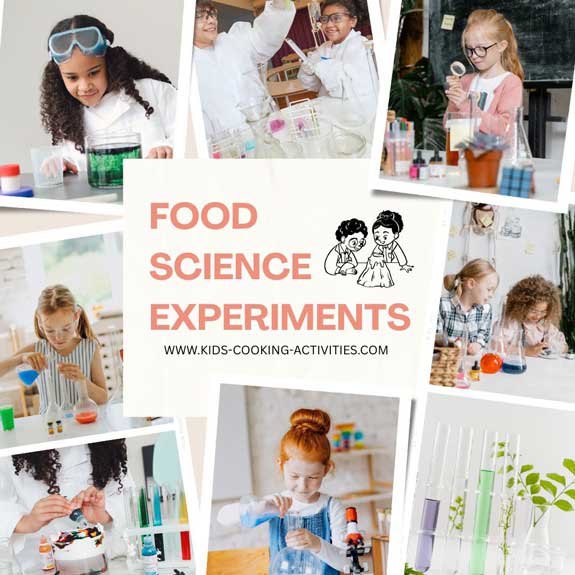
Cooking is one of the easiest ways to help kids see science in action. Mixing, heating, cooling, melting, rising, and changing textures all turn kitchen time into hands-on learning.
Use science-based kitchen activities to build curiosity, answer “why” questions, and make lessons even more memorable. Explore our Food Science Experiments hub for simple ideas that connect cooking and science.
Watch a Kids Cooking Video
Some cooking skills are easier for kids to understand when they can see the steps. Visit our Kids Cooking Lesson Videos page for recipe videos, kitchen safety tips, cooking lessons, and food science demonstrations.
Ready for More?
Kids Cooking Lesson Plans
Once you know why cooking matters, the next step is knowing what to teach and how to structure it. These lesson plans help you build skills step by step with age-based guidance.Tips to Get Kids Interested in the Kitchen
If kids are unsure about cooking at first, start with curiosity, choice, and hands-on exploration before expecting full recipes.
Sometimes it can be difficult to get kids interested in what happens in the kitchen. Once they begin helping, though, many children discover that cooking is creative, hands-on, and rewarding.
Let Them Experiment
The kitchen is a great place to explore. Even when a recipe does not turn out exactly as planned, kids still learn problem-solving, observation, and critical thinking. Encourage creativity and talk through what happened and why.
Let Them Ask Questions
Cooking naturally brings up lots of “why” and “how” questions. Why does dough rise? Why do apples turn brown? Why do we measure ingredients? If you do not know the answer, find out together.
Let Them Have Room to Do It on Their Own
It may feel a little messy or slow at first, but hands-on practice helps children learn faster and feel more confident. Giving them ownership of age-appropriate tasks can make all the difference.
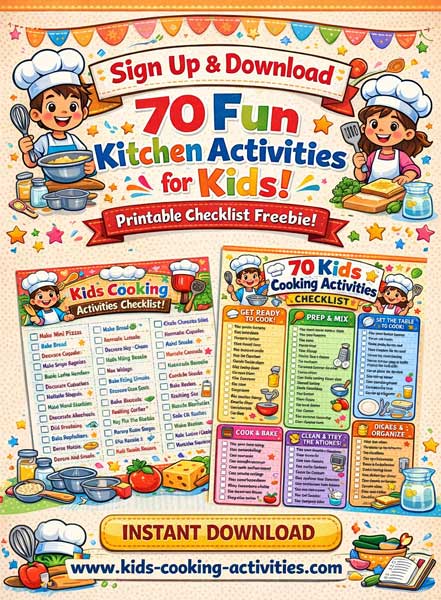
Want more ideas? Explore 70 simple kids cooking activities for inspiration.
Kids Cooking Lesson Series
Need a direct link to a specific lesson? Use this complete lesson index.
- Toddler in the Kitchen – early kitchen exposure and food exploration
- Assistant Chef Lessons – beginner cooking skills for ages 3-6
- Chef in Training Lessons – measuring, mixing, and simple recipes
- Junior Chef Lessons – intermediate cooking skills and full meals
- Senior Chef Lessons – advanced cooking skills and meal planning
- College Cooking Tips – simple meals, grocery basics, and life on your own
- 10 Basic Cooking Lessons – follow-up practical kitchen methods for more independent cooks
More Teaching Resources
Use these pages to expand your teaching curriculum with more support, ideas, and practical next steps.

FAQ: Kids Cooking Lessons
Get Free Kids Recipe Cards + Cooking Printables
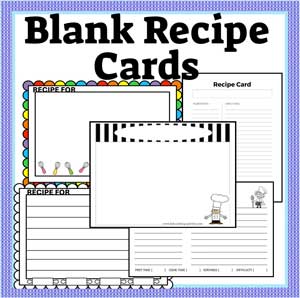
Join Kids Cooking Activities for fun recipes, cooking ideas, and printable resources for kids, families, and classrooms.
Follow Kids Cooking Activities too:





© Debbie Madson, Madson Web Publishing, LLC — All rights reserved.
The material on this site is for educational purposes only.