

Celery and Food Coloring Experiment
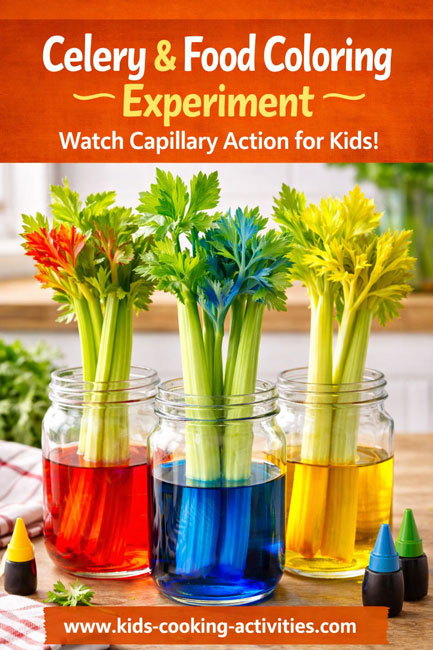
This simple food science experiment helps kids see how water moves through plants. By placing celery stalks into colored water, children can watch the stalk slowly absorb the liquid and carry it up to the leaves.
Within a few hours, you may begin to see the color appear in the veins of the celery leaves. It is a fun and easy way to explore plant science using ingredients from your kitchen.
This activity is part of our Food Science Experiments for Kids collection where you can explore kitchen chemistry, growing experiments, and edible science projects.
Kids Cooking Activities Teaching Materials
Teaching kids to cook? Save time with ready-made lesson plans used by parents and teachers. Browse teaching materials →


This page may contain affiliate links. We may earn a small commission at no extra cost to you. Learn more.
Experiment Summary
- Time: A few hours to overnight
- Difficulty: Easy
- Supplies: Celery, jars, water, food coloring
- Science Concept: Capillary action and plant water transport
What Happens in the Celery Experiment?
The celery stalk absorbs the colored water and pulls it upward through tiny tubes inside the plant. After a while, the leaves and veins start changing color.
- Colored water sits in the jar
- The celery stalk absorbs the water
- The color moves up the stalk
- The leaves and veins begin to change color
Result: Kids can see how plants move water through their stems.
Supplies Needed
- Celery stalks with leaves still attached
- Clear jars or glasses
- Food coloring
- Water
Directions
Fill a jar with water and add several drops of food coloring. Stir gently so the color mixes well with the water.
Place a celery stalk into the jar and set it somewhere it can remain undisturbed.
Check the celery throughout the day and again the next morning. You may begin to notice color changes within a few hours. Over time, the leaves and stalk veins will start turning the same color as the dyed water.
Science Results
The celery changes color because it pulls water up through tiny tubes inside the stalk. These tubes are called xylem. Xylem carries water and nutrients from the roots of a plant up to the leaves.
As the celery absorbs the colored water, the dye travels through these tubes. This movement of water upward is called capillary action. The experiment makes the normally invisible process of plant water transport easy to see.
Kids can observe how plants constantly move water throughout their structure, helping them stay alive and grow.
What Kids Learn
- How plants move water
- What xylem does inside a plant
- How capillary action works
- How to observe changes over time
- How science can be explored using simple kitchen materials
Why It Matters in Cooking
This experiment helps kids understand that fresh vegetables are living plant parts that depend on water to stay crisp and healthy. It also connects plant science to the foods we eat and shows that structure affects texture.
- Celery stays crisp because it carries water through its stalk
- Plant structure affects the texture of vegetables
- Kids learn where food comes from and how plants stay alive
- It connects garden science to kitchen ingredients
Questions to Ask Kids
- Where did the color appear first?
- How long did it take before you saw changes?
- Why do you think the leaves changed color?
- What part of the celery carried the water upward?
- Do you think flowers would work the same way?
Ways to Extend the Experiment
- Try different food coloring colors in separate jars.
- Split one celery stalk between two different colors.
- Compare fresh celery with older celery.
- Try the same experiment with white flowers.
Celery Food Coloring Experiment FAQ
Why does celery change color in the experiment?
The celery changes color because it pulls the dyed water up through tiny tubes called xylem.
What is capillary action?
Capillary action is the movement of water upward through narrow spaces or tubes, such as the xylem inside a plant.
How long does the celery food coloring experiment take?
You may begin to see changes within a few hours, but overnight usually gives the clearest results.
Can you use other plants for this experiment?
Yes. White flowers and some leafy stems can also show water movement with colored water.
Try More Kitchen Science Experiments
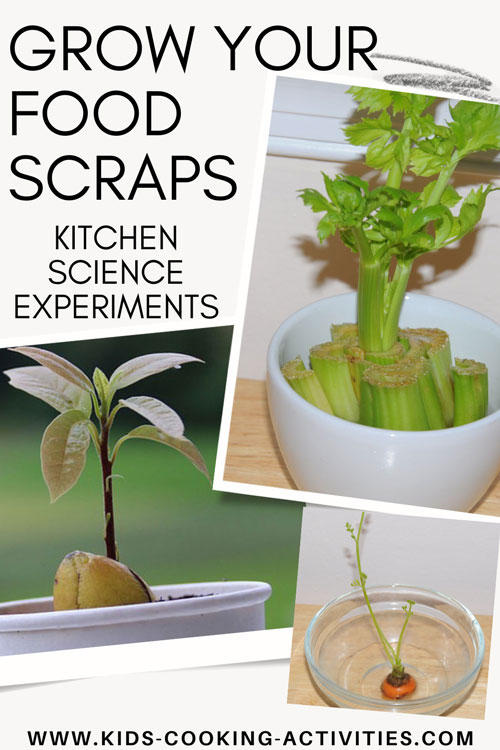
Grow Food from Scraps
See how vegetables like lettuce and celery can regrow using water, sunlight, and time.
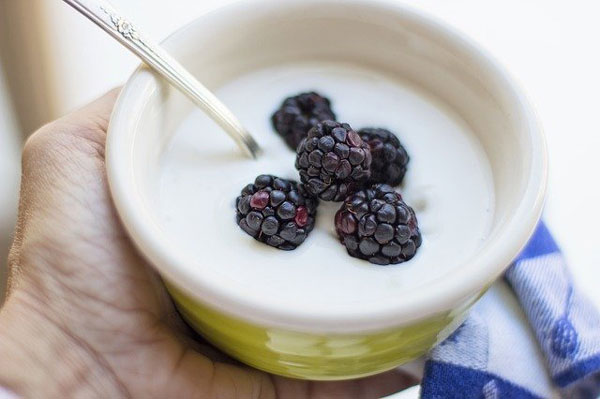
Make Homemade Yogurt
Learn how bacteria transform milk into creamy yogurt.
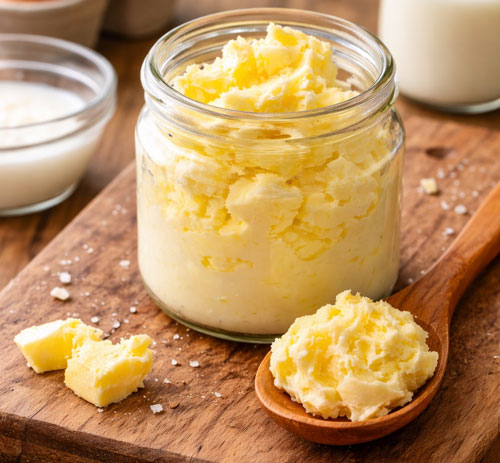
Shake Homemade Butter
See how shaking cream changes liquid into butter.
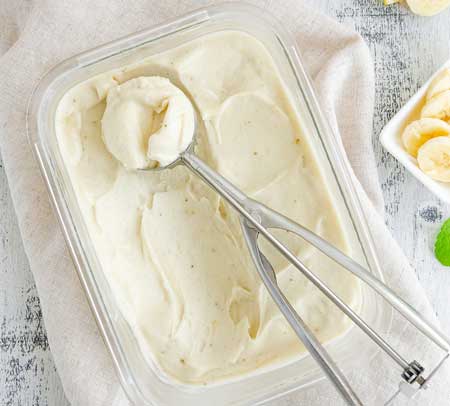
Homemade Ice Cream Science
Learn how salt lowers freezing temperature while making a fun frozen treat.
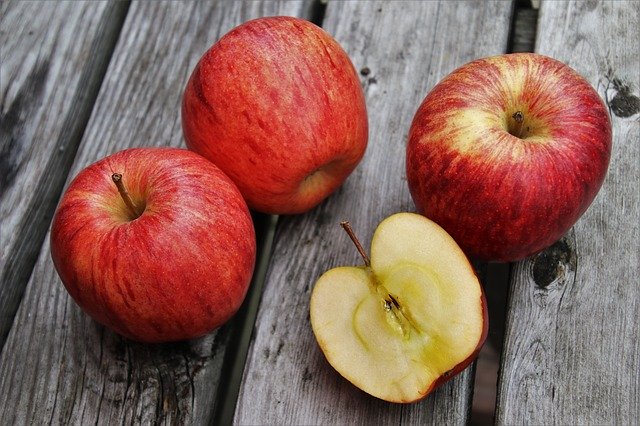
Apple Experiment
Use apples to explore freshness, browning, and how ingredients affect food over time.
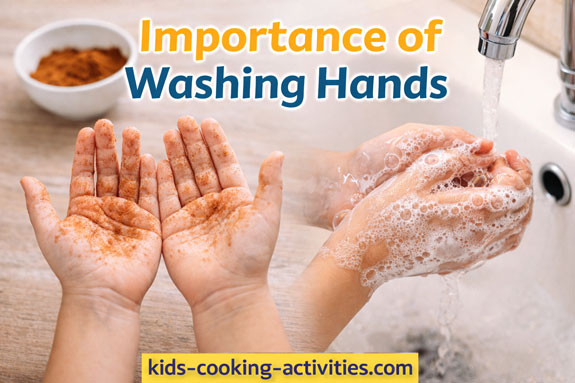
Washing Hands Experiment
See how germs are often invisible, but they can still move quickly.
Get Free Kids Recipe Cards + Cooking Printables
Join Kids Cooking Activities for fun recipes, cooking ideas, and printable resources for kids, families, and classrooms.
Follow Kids Cooking Activities too:





© Debbie Madson, Madson Web Publishing, LLC — All rights reserved.
The material on this site is for educational purposes only.