Fruit and Vegetable Nutrition Chart
Check out this colorful fruit and vegetable nutrition chart and discover why eating the rainbow is so important for growing bodies. The bright colors found in fruits and vegetables are not just fun to look at. They also represent different vitamins, minerals, antioxidants, and fiber that our bodies need every day.
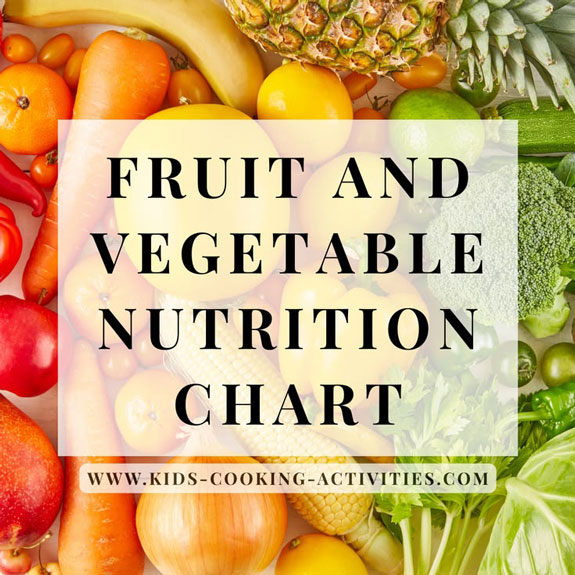
Nutrition experts recommend eating at least five or more servings of fruits and vegetables each day, and one easy way to do that is by choosing a variety of colors. Reds, greens, oranges, yellows, blues, purples, whites, and browns all bring something a little different to the plate.
For more balanced meal help, visit our Healthy Eating for Kids page for meal ideas, healthy habits, and nutrition teaching tips.
Kids Cooking Activities Teaching Materials
Teaching kids to cook? Save time with ready-made lesson plans used by parents and teachers. Browse teaching materials →


This page may contain affiliate links. We may earn a small commission at no extra cost to you. Learn more.
On This Page
Eat the Rainbow: Fruit & Vegetable Color Nutrition Chart
Fruits and vegetables get their bright colors from natural plant compounds called phytonutrients. These work alongside vitamins, minerals, and fiber to support the body in different ways. The goal is simple: eat a variety of colors over the day and week.
Printable Color Nutrition Chart
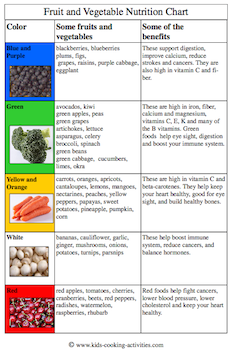
You can also print a copy of this nutrition food chart to hang in your kitchen or use in a nutrition lesson.
| Color | Some Fruits and Vegetables | Some of the Benefits |
|---|---|---|
| Blue & Purple | Blackberries, blueberries, plums, figs, grapes, raisins, purple cabbage, eggplant | Supports antioxidant protection, fiber intake, and overall body health. |
| Green | Avocados, kiwi, green apples, peas, broccoli, spinach, green beans, cucumbers, lettuce, zucchini | Supports eyes, digestion, bones, and immune health. |
| Orange & Yellow | Carrots, oranges, apricots, mangoes, peaches, sweet potatoes, pineapple, pumpkin, corn | Supports eyesight, immune health, growth, and healthy skin. |
| White & Brown | Bananas, cauliflower, garlic, ginger, mushrooms, onions, potatoes, turnips, parsnips | Supports immunity, digestion, and heart health. |
| Red | Red apples, tomatoes, cherries, cranberries, beets, red peppers, watermelon, raspberries | Supports heart health, immunity, and antioxidant protection. |
Nutrition Teaching Materials
Use printable charts, posters, and healthy eating resources to help kids learn about colorful foods in a more hands-on way.
Blue & Purple Foods
Why they matter: Blue and purple produce often contains antioxidants that support overall health and help protect cells.

Examples
- Blueberries
- Blackberries
- Purple grapes
- Plums
- Purple cabbage
- Eggplant
Benefits
- Supports brain and memory
- Provides antioxidants
- Supports heart health
Kids Learning Ideas
- Berry color test
- Rainbow yogurt swirl
- Purple-food bingo
Green Foods
Why they matter: Green foods often contain nutrients that support eyes, bones, digestion, and overall health.

Examples
- Green apples
- Pears
- Kiwi
- Broccoli
- Spinach
- Cucumber
Benefits
- Supports eye health
- Helps build strong bones
- Supports digestion
Kids Learning Ideas
- Build-a-salad bar
- Green crunch test
- Green smoothie challenge
- Learn different ways to cook vegetables.
Red Foods
Why they matter: Red fruits and vegetables often support heart health and immunity.

Examples
- Strawberries
- Raspberries
- Watermelon
- Tomatoes
- Red peppers
- Beets
Benefits
- Supports heart health
- Supports immunity
- Provides antioxidants
Kids Learning Ideas
- Red taste test
- Red snack skewers
- Red food day challenge
Orange & Yellow Foods
Why they matter: Orange and yellow foods often support eyesight, growth, skin, and the immune system.

Examples
- Oranges
- Mango
- Peaches
- Carrots
- Sweet potatoes
- Pumpkin
Benefits
- Supports healthy eyesight
- Supports immunity
- Helps growth and healing
Kids Learning Ideas
- Orange and yellow snack plate
- Sunshine smoothie
- Carrot coin counting
White & Brown Foods
Why they matter: White and brown produce can support immunity, digestion, and heart health.

Examples
- Bananas
- Cauliflower
- Garlic
- Mushrooms
- Potatoes
- Parsnips
Benefits
- Supports immunity
- Supports heart health
- Provides fiber
Kids Learning Ideas
- Cauliflower "clouds"
- Garlic smell test
- White food challenge
Extra Ideas to Teach Kids About Color Nutrition
Want to turn color nutrition into a real activity? Try this free nutrition lesson for kids or explore more Kids Cooking Lessons.
Hands-On Activities
- Rainbow chart tracker
- Color sorting activity
- Try-it bites challenge
At the Store
- Grocery scavenger hunt
- Pick one new color each week
- Compare fruits and vegetables by color
Meal Ideas
- Build-a-rainbow lunch
- Make rainbow snack trays
- Add one extra color to each meal
Remember: The goal is not perfection. Just keep adding more colors over time. The more colorful the plate, the more variety of nutrients kids get.
You can also pair colorful eating with our Healthy Portion Sizes for Kids guide to help children learn both what to eat and how much to serve.
More Food Facts and Nutrition Resources
Learn more fruit and vegetable facts and build stronger healthy eating lessons with your food facts pages and nutrition materials.
Fruit and Vegetable Color Nutrition FAQ
Next Steps for Teaching Healthy Eating
Follow this simple path to help kids build healthy eating habits step by step.
Healthy Meal Ideas
Go to the main healthy eating page for meal ideas, healthy habits, and nutrition teaching tips.
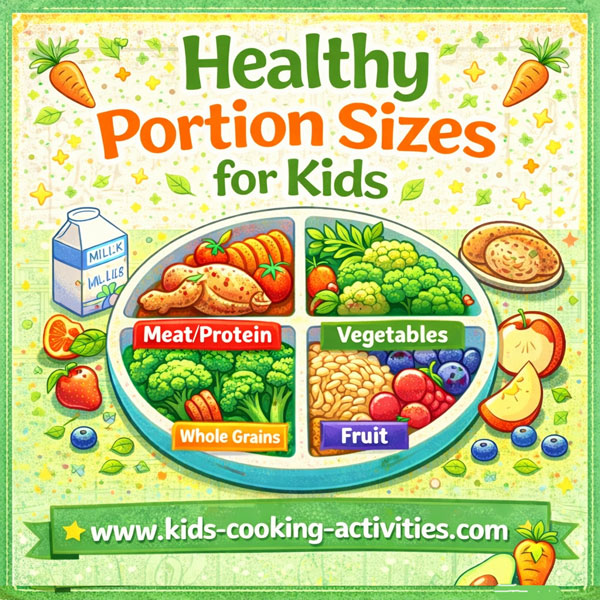
Healthy Portion Sizes
Help kids learn what balanced portions look like using visual guides and simple plate methods.
Healthy Snacks
Use colorful fruits and vegetables in smarter snack ideas kids will enjoy.

Food Facts
Explore more ingredient facts and nutrition learning pages for kids.
Tips for Picky Eaters
Simple strategies to help kids try new foods and build healthy habits.
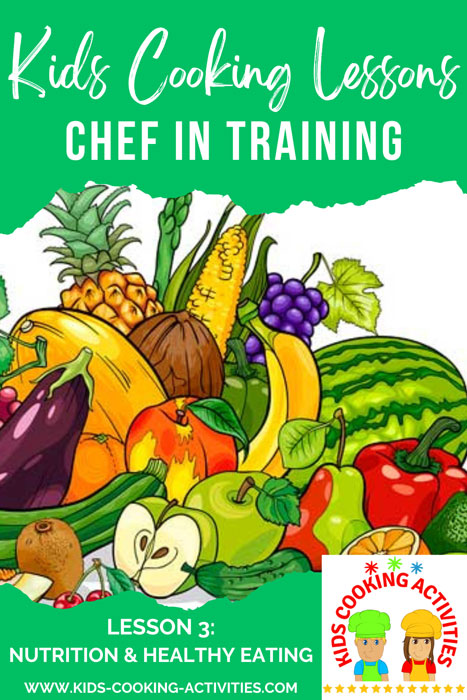
Free Nutrition Lesson
Use a ready-to-go lesson to teach healthy eating through cooking activities.
Start Here → Balanced Family Meals → Healthy Portion Sizes → Healthy Snacks → Healthy Desserts → Picky Eater Tips → Hidden Vegetable Recipes → Vegetarian Meal Ideas → Meatless Recipes → Gluten-Free Eating → Free Nutrition Lesson
Get Free Kids Recipe Cards + Cooking Printables
Join Kids Cooking Activities for fun recipes, cooking ideas, and printable resources for kids, families, and classrooms.
Follow Kids Cooking Activities too:






© Debbie Madson, Madson Web Publishing, LLC — All rights reserved.
The material on this site is for educational purposes only.