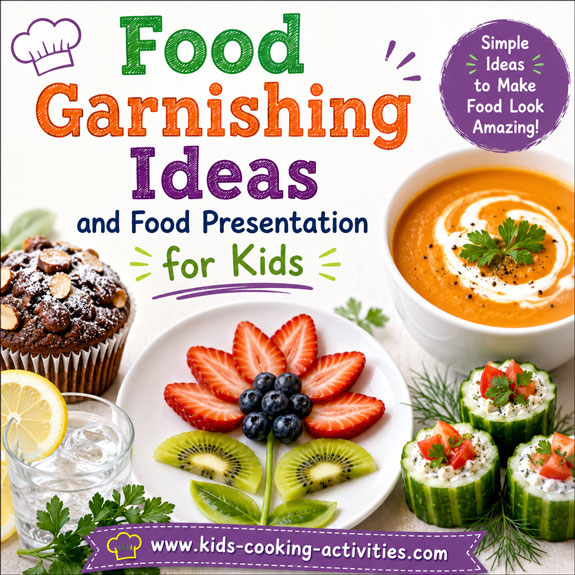
Food Garnishing Ideas and Food Presentation for Kids
Food presentation is part of learning how to cook. A simple meal can look more colorful and inviting when kids learn how to arrange food on a plate and add a few easy finishing touches.
These food garnishing ideas for kids are simple ways to practice presentation skills using fruit, vegetables, herbs, cheese and other ingredients you may already have in the kitchen. Kids can experiment with color, shape and texture while learning that a garnish should complement the food instead of covering it up.
Kids Cooking Activities Teaching Materials
Teaching kids to cook? Save time with ready-made lesson plans used by parents and teachers. Browse teaching materials →


This page may contain affiliate links. We may earn a small commission at no extra cost to you. Learn more.
What Is a Food Garnish?
A garnish is a small finishing touch added to food or drinks before serving. It can add color, texture, flavor or visual interest to a plate.
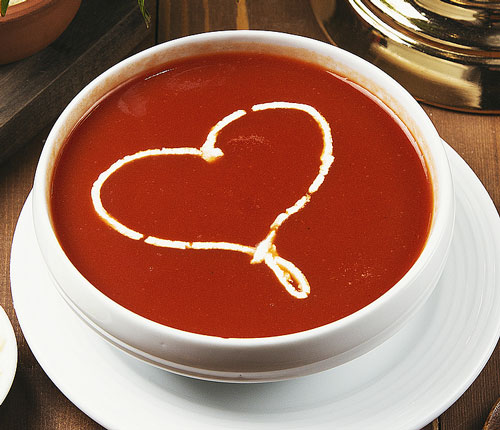
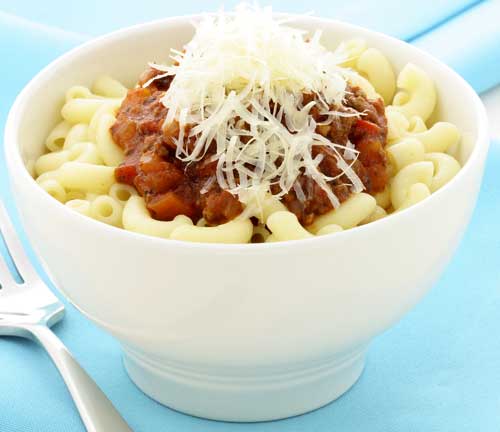
Many garnishes are very simple. A sprinkle of Parmesan cheese over pasta, berries beside pancakes, chopped herbs over soup or a lime slice on a glass can all be garnishes.
A Good Garnish Should Be...
- Edible: Use ingredients that are safe to eat whenever possible.
- Simple: A little garnish is usually better than covering the entire dish.
- Colorful: Choose a color that stands out from the food.
- Fits the Food: Choose a garnish that tastes good with the dish instead of adding decoration just for appearance.
4 Easy Food Presentation Skills for Kids
Before adding a garnish, look at the whole plate. Food presentation doesn't have to be fancy. Kids can start by practicing these four simple ideas, remembering to leave some open space so the food doesn't look crowded.
1. Add Color
Bright fruit, vegetables and herbs can make a plate more interesting. Try adding strawberries beside pancakes, green herbs over pasta or colorful vegetables beside a sandwich. See how color and nutrition work together.
2. Think About Shape
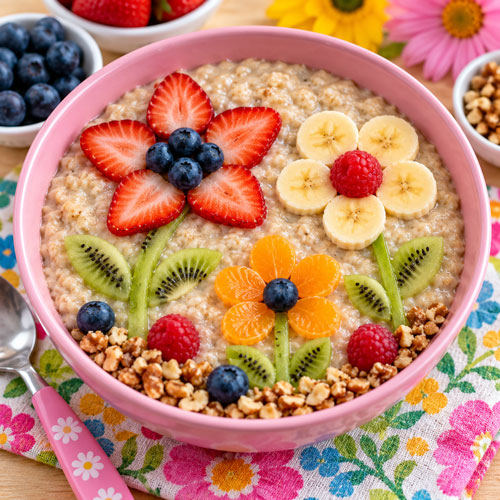
Arrange food in different shapes or patterns. Fruit slices can become a flower, vegetables can be lined up by color or small foods can be grouped together instead of scattered around the plate. Kids can take this idea further with animal food designs and other food art.
3. Add Texture
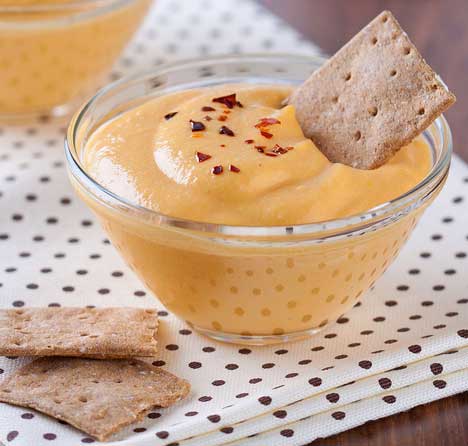
Combine smooth and crunchy foods. Add chopped nuts to oatmeal, toasted breadcrumbs to vegetables or crunchy crackers beside a creamy dip.
4. Add a Finishing Touch
A small sprinkle, drizzle, swirl or garnish can finish the dish. Try grated cheese, chopped herbs, powdered sugar, fruit or a small spoonful of sauce.
Easy Food Garnishing Ideas
Kids don't need special tools or complicated techniques to practice garnishing. Try some of these easy ideas with foods your family already enjoys.
More Ways to Make Food Look Special
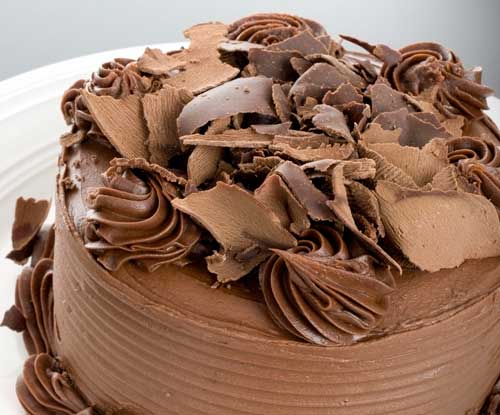
Want to practice more detailed dessert decorating? Try our cake decorating techniques for kids for frosting, piping, borders and other simple decorating skills.
Easy Garnishes Kids Can Make
When kids are first learning about food presentation, start with garnishes that don't require complicated cutting or special equipment.
- Sprinkle shredded cheese over pasta or soup.
- Add berries or sliced bananas to oatmeal.
- Top yogurt with fruit and granola.
- Add chopped fresh herbs to a finished dish.
- Place crackers around a bowl of dip.
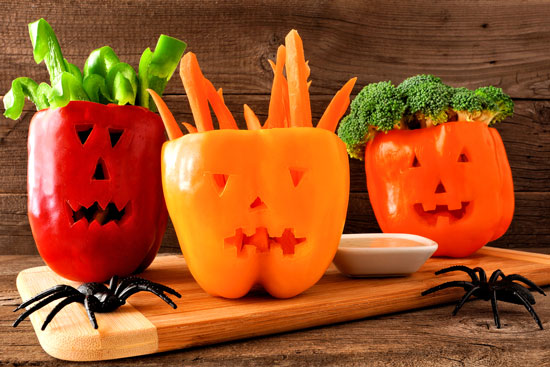
- Arrange vegetables by color.
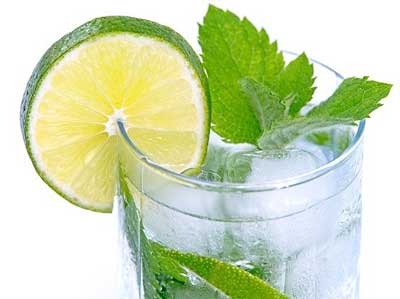
- Add a lemon or lime slice to a drink.
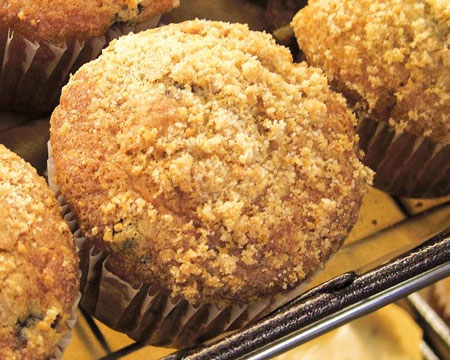
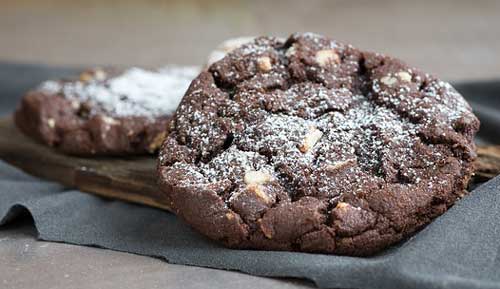
- Dust cooled baked goods with powdered sugar.
- Drizzle sauce across a dessert.
- Add chopped nuts or seeds for crunch.
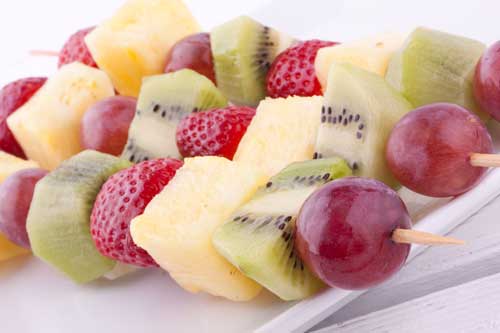
- Make a colorful fruit skewer.
- Create a simple fruit or vegetable pattern.
Fruit and Vegetable Garnishes
Fruit and vegetables are especially useful for practicing food presentation because they naturally come in so many colors and shapes.
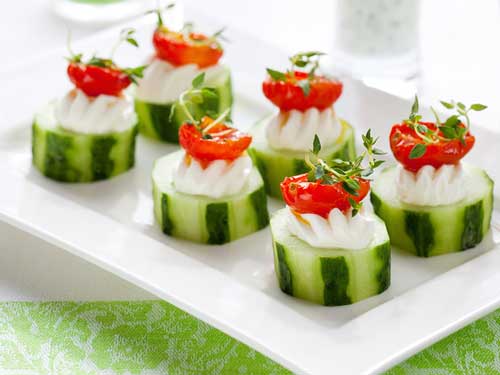
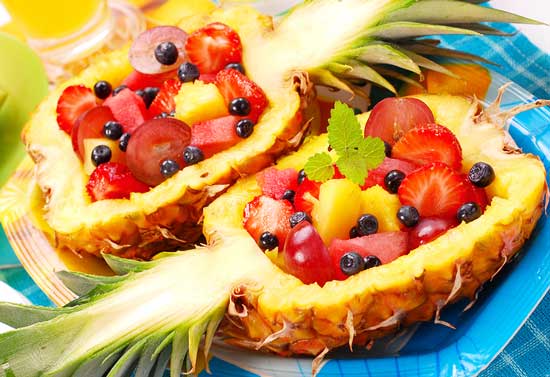
Kids can arrange strawberries into a fan, make a flower from fruit slices, create cucumber ribbons or arrange vegetables into colorful patterns. Older kids can also learn traditional garnishing techniques such as carrot curls or radish flowers with close adult supervision.
For more projects that use food as the design itself, see our edible crafts for kids.
Knife Safety
Choose garnishing jobs that match your child's age and kitchen skills. Younger children can arrange, sprinkle and decorate while an adult handles cutting. Any garnish requiring a sharp knife, vegetable peeler or detailed carving should be prepared with close adult supervision.
Food Presentation Practice Challenge
Turn an ordinary snack or meal into a simple cooking lesson.
- Choose a food your child already knows how to prepare.
- Look at the colors on the plate.
- Choose one colorful ingredient to add.
- Add one different texture if it works with the dish.
- Arrange the food neatly.
- Add one small garnish or finishing touch.
- Take a picture before eating and talk about what made the plate look different.
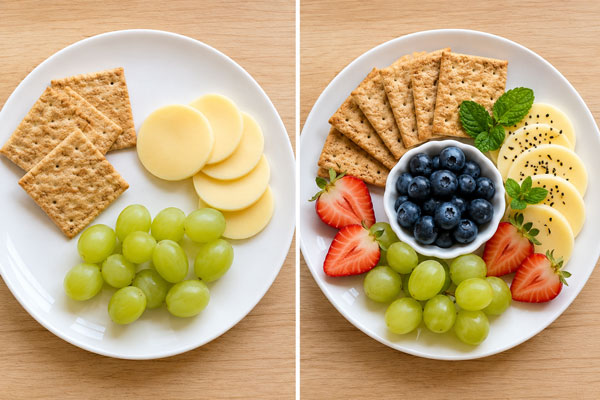
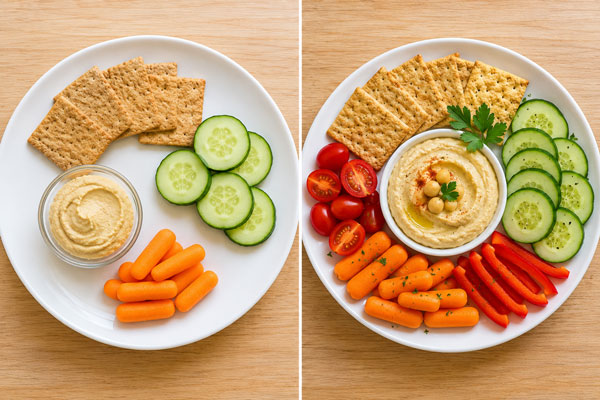
Try the Same Food Two Ways
For a fun experiment, divide the same food between two plates. Serve one normally and let your child decorate the other using color, arrangement and a garnish. Compare the two plates and decide which looks more inviting.
Turn Garnishing into Food Art
Once kids understand simple garnishing, they can take the same skills a little further and create creative food art. Arrange fruit into flowers, turn toast into animal faces, decorate oatmeal with a picture or make colorful snacks using shapes and patterns.
For more playful ideas, explore our edible crafts for kids and animal theme food ideas.
Food Garnishing Video
Watch another example of how simple food garnishes can change the appearance of a finished dish.
More Cooking Skills for Kids
Food presentation is even more fun when kids have practiced the basic skills used to prepare the food. Continue learning with these cooking lessons.


Start Your Own Cooking Lessons
Food Garnishing Questions
What is the difference between garnishing and decorating food?
A garnish is usually a small finishing touch that complements the food, such as fresh herbs, fruit or grated cheese. Food decorating can be more detailed and may involve arranging ingredients into designs, decorating cakes or turning snacks into food art.
What is the easiest way for kids to garnish food?
Start with simple garnishes that don't require cutting. Kids can sprinkle shredded cheese or herbs, add berries, arrange fruit, add crackers beside a dip or dust cooled baked goods with powdered sugar.
Does a garnish have to be edible?
Edible garnishes are usually the best choice, especially when cooking with kids. Choose ingredients that are safe to eat and that taste good with the food being served.
What foods make good garnishes?
Fresh fruit, vegetables, herbs, shredded cheese, nuts, seeds, sauces, yogurt, sour cream and small baked foods can all make simple garnishes depending on the dish.
How can kids make a plate look more colorful?
Add naturally colorful foods such as berries, citrus fruit, tomatoes, carrots, peppers or fresh herbs. Kids can also arrange several colors together to create patterns on the plate.
Why is food presentation important for kids to learn?
Food presentation helps kids pay attention to color, texture, portioning and how foods work together. It also gives them another creative way to practice preparing and serving food.
Can young children practice food garnishing?
Yes. Young children can arrange fruit, sprinkle toppings, add crackers, decorate yogurt or place ingredients on a plate. Adults should handle sharp knives and other cutting tools until children have the skills to use them safely.
Get Free Kids Recipe Cards + Cooking Printables
Join Kids Cooking Activities for fun recipes, cooking ideas, and printable resources for kids, families, and classrooms.
Follow Kids Cooking Activities too:





© Debbie Madson, Madson Web Publishing, LLC — All rights reserved.
The material on this site is for educational purposes only.