

- Home ›
- Easy Meals ›
- Hobo Dinner Recipes
Easy Hobo Dinner Recipes & Foil Packet Meals
Hobo dinners are easy meals wrapped in aluminum foil and cooked until the meat and vegetables are tender. You may also hear them called foil packet dinners, tin foil dinners, or campfire packets.
They're especially popular for campfire cooking, but you don't have to be camping to make them. Many foil packet recipes can also be cooked on a grill or baked in the oven, making them an easy addition to your family dinner ideas with very little cleanup.
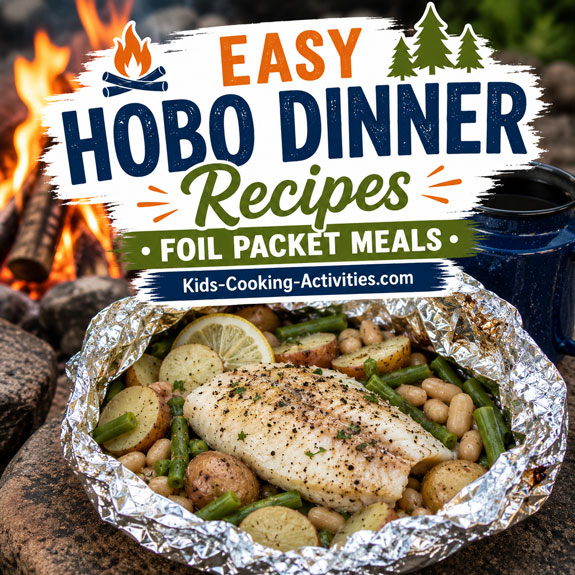
One of the best things about foil packet dinners is that everyone can build an individual meal. Kids can choose vegetables, seasonings, sauces, and other ingredients while adults supervise raw meat, the grill, oven, or campfire.
Start Here: Build a Foil Packet Dinner
Choose a packet based on what you're cooking and where you're making dinner.
- Chicken dinner: Try Chicken Pesto Foil Packets with tomatoes and onion.
- Pork dinner: Make Barbecue Pork Packets with potatoes, corn, and green beans.
- Vegetable side: Try Potato & Vegetable Packets seasoned with garlic and Italian seasoning.
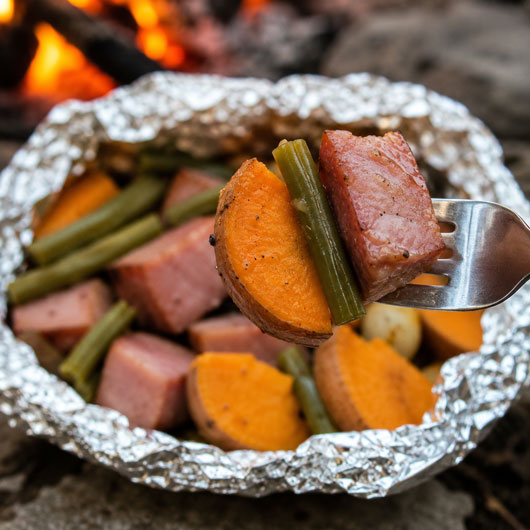
- Ham dinner: Make Ham & Sweet Potato Foil Packets with green beans.
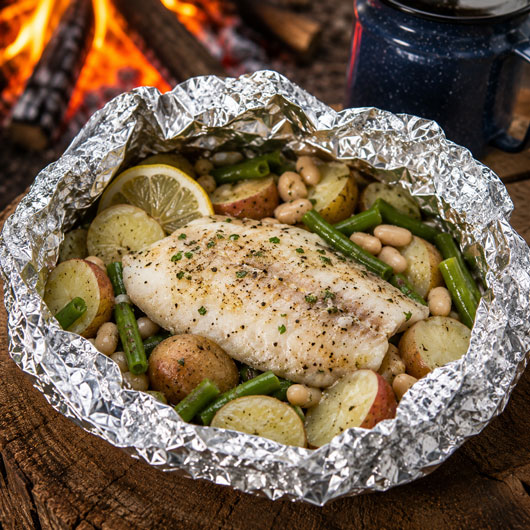
- Fish dinner: Try Fish & Potato Foil Packets with green beans and white beans.
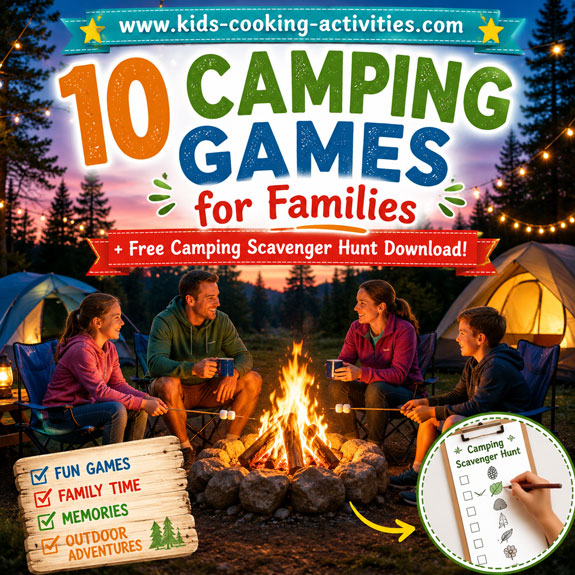
- Cooking over a fire? Review our Kids Campfire Cooking page for more camping recipes and campfire ideas.
Kids Cooking Activities Teaching Materials
Teaching kids to cook? Save time with ready-made lesson plans used by parents and teachers. Browse teaching materials →


This page may contain affiliate links. We may earn a small commission at no extra cost to you. Learn more.
On This Page
How to Make Hobo Dinners
The basic method is simple: place meat, vegetables, seasonings, and a small amount of sauce or fat in the center of a large sheet of heavy-duty aluminum foil. Fold the foil into a sealed packet and cook until all of the ingredients are safely cooked and tender.
Build the Packet
- Tear off a large sheet of heavy-duty aluminum foil.
- Place the main ingredient in the center.
- Add vegetables cut into similar-size pieces so they cook evenly.
- Add seasonings, sauce, butter, or oil as called for in the recipe.
- Bring the foil edges together and fold them securely to seal the packet.
Choose a Cooking Method
Open Foil Packets Carefully
Hot steam builds up inside a sealed foil packet. Let cooked packets rest for a few minutes, then have an adult carefully open the foil away from faces and hands so the steam can escape safely.
Build Your Own Foil Packet Dinner
Once you know the basic method, you can create your own foil packet meal using ingredients your family enjoys. Start with a protein, add vegetables and a starch, then finish the packet with seasonings, sauce, butter, or oil. Keep the pieces fairly small and evenly sized so everything cooks at about the same rate.
1. Choose a Protein
Start with a protein that works well with the vegetables and seasonings you plan to use.
2. Add Vegetables
Choose one or more vegetables. Cut firm vegetables into smaller pieces so they have enough time to become tender.
- Green beans
- Bell peppers
- Onions
- Broccoli or cauliflower
- Carrots
- Zucchini
3. Add a Starch
A starch can turn a simple protein-and-vegetable packet into a more filling dinner.
- Thinly sliced potatoes
- Sweet potatoes
- Corn
- White beans
4. Add Flavor
Use a favorite herb or spice combination, or add a sauce that complements the other ingredients.
- Pesto
- Barbecue sauce
- Garlic
- Italian seasoning
- Salt and black pepper
- Homemade seasoning mixes
5. Add Moisture or Fat
A small amount of butter, olive oil, or homemade sauce adds flavor and can help keep the ingredients moist while the packet cooks.
- Butter
- Olive oil
- Pesto
- Barbecue sauce
- Another favorite cooking sauce
Then Build the Packet
Place your ingredients in the center of a large sheet of heavy-duty foil. Bring the edges together and fold them securely, leaving a little room inside for heat and steam to circulate.
Cook using the appropriate cooking method for your ingredients, whether you're using the oven, grill, or campfire.
Keep Cooking Times in Mind
Dense ingredients such as potatoes, carrots, and sweet potatoes usually take longer to cook than fish or tender vegetables. Cut them into thin slices or small pieces so everything in the packet can finish cooking at about the same time. Always check that meat, poultry, and fish are safely cooked before serving.
Hobo Dinner Recipes to Try
These foil packet recipes include complete dinners as well as an easy potato-and-vegetable side. Most can be adapted for the oven, grill, or campfire depending on the ingredients and cooking method.
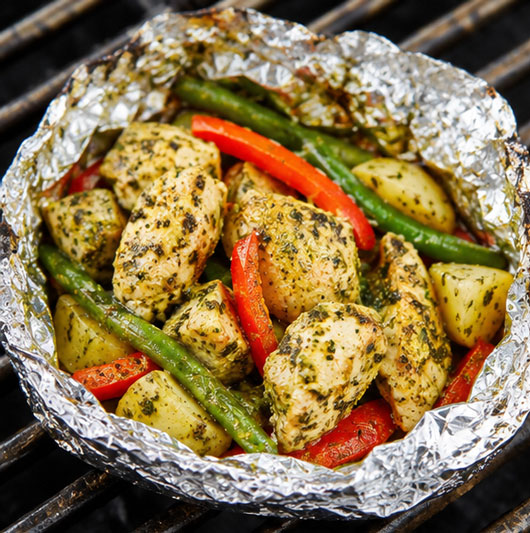
Chicken Pesto Foil Packets
Chicken, tomatoes, onion, and creamy pesto cook together in individual foil packets for an easy family dinner. Make these packets on the grill or bake them in the oven when you're not camping.
Prep Time: 15 minutes
Cook Time: 20-30 minutes
Yield: 4 servings


Ingredients
- 4 boneless, skinless chicken breast fillets
- 4 tomatoes, quartered
- 1 medium onion, cut into wedges
- 1/2 cup basil pesto
- 2 tablespoons mayonnaise
- 2 tablespoons butter, divided
- 4 large sheets heavy-duty aluminum foil
Directions
- Preheat the grill to medium-high heat.
- In a small bowl, stir together the pesto and mayonnaise.
- Place one chicken breast in the center of each sheet of foil.
- Divide the tomatoes and onion evenly among the four packets, arranging the vegetables around the chicken.
- Spoon the pesto mixture evenly over the chicken.
- Top each packet with 1/2 tablespoon butter.
- Bring the edges of the foil together and fold securely to seal each packet.
- Place the packets on the grill over indirect heat. Close the grill and cook for about 20-30 minutes, turning the packets once during cooking.
- Check the thickest part of each chicken breast with a food thermometer. Continue cooking as needed until the chicken reaches an internal temperature of 165F.
- Remove the packets from the grill and let them rest for about 5 minutes.
- Carefully open each packet away from your face and hands to allow the hot steam to escape.
Oven Directions: These chicken packets can also be baked. Place the sealed packets on a baking sheet and bake at 350F until the chicken reaches an internal temperature of 165F. Cooking time will vary depending on the thickness of the chicken breasts.
Let Kids Build Their Own
Set out the tomatoes, onion, and pesto mixture and let kids help arrange the vegetables and spoon sauce into their packets before the raw chicken is added. An adult should handle the raw chicken, seal the packets as needed, and manage the grill or oven.
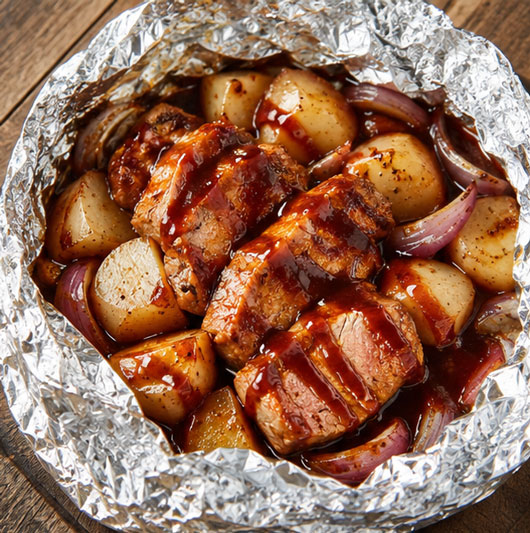
Barbecue Pork Foil Packets
These barbecue pork packets combine pork, potatoes, corn, and green beans in one easy foil-packet dinner. The barbecue sauce adds plenty of flavor while everything cooks together on the grill.
Prep Time: 15 minutes
Cook Time: 30-40 minutes
Yield: 4 servings
Ingredients
- 1/2 cup barbecue sauce
- 1 pound boneless pork, cut into 1/2-inch pieces
- 1 can corn, drained
- 4-6 small red potatoes or sweet potatoes, cut into small wedges
- 1 cup green beans
- 2 tablespoons butter, divided
- Salt and black pepper, to taste
- 4 large sheets heavy-duty aluminum foil
Directions
- Preheat the grill to medium-high heat.
- Lay four large sheets of heavy-duty aluminum foil on a work surface.
- Place the barbecue sauce in a bowl. Add the pork pieces and toss until evenly coated.
- Divide the pork evenly among the four sheets of foil.
- Divide the corn, potatoes, and green beans among the packets.
- Season lightly with salt and black pepper, then top each packet with 1/2 tablespoon butter.
- Bring the foil edges together, leaving a little space above the food for steam, and fold securely to seal.
- Place the packets on the grill over indirect heat. Close the grill and cook for about 30-40 minutes, carefully turning or rotating the packets at least once during cooking.
- Check the thickest pieces of pork with a food thermometer and make sure the potatoes are tender. The pork should reach at least 145F.
- Remove the packets from the grill and let them rest for at least 3 minutes.
- Carefully open the foil away from your face and hands because hot steam will escape.
Cut the Potatoes Small: Potatoes usually take longer to become tender than the other ingredients in the packet. Cutting them into small, evenly sized wedges helps everything finish cooking at about the same time.
Change the Vegetables
Foil packet dinners are easy to customize. Try diced bell peppers, sliced carrots, zucchini, or another vegetable your family enjoys. Keep firmer vegetables cut small so they have enough time to become tender.
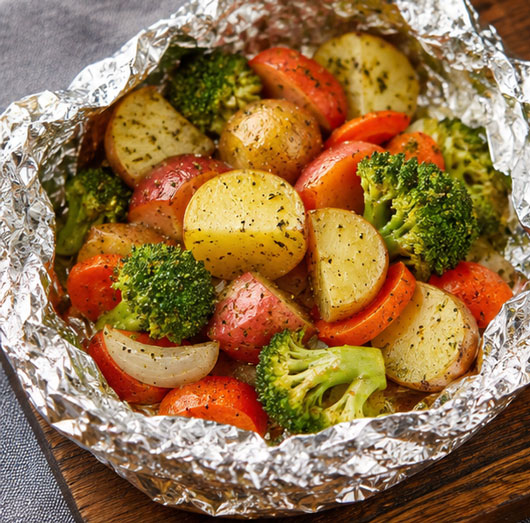
Potato & Vegetable Foil Packets
Potatoes and mixed vegetables cook together with garlic, Italian seasoning, and butter in these easy foil packets. Serve them as a campfire or grilled side dish, or let everyone choose favorite vegetables to make their own combination.
Prep Time: 15 minutes
Cook Time: 20-25 minutes
Yield: 6 side servings
Ingredients
- 6 medium potatoes, scrubbed and diced into small, evenly sized pieces
- 2 packages frozen vegetables, such as green beans, broccoli, cauliflower, or lima beans
- 1 garlic clove, minced
- 1 packet Italian dressing seasoning
- 1/2 teaspoon salt
- 1/2 teaspoon black pepper
- 6 tablespoons butter, divided
- 6 large sheets heavy-duty aluminum foil
Directions
- Add the diced potatoes and frozen vegetables to a large mixing bowl. There is no need to thaw the vegetables first.
- Add the minced garlic, Italian dressing seasoning, salt, and black pepper. Toss until the potatoes and vegetables are evenly seasoned.
- Lay six large sheets of heavy-duty aluminum foil on a work surface.
- Divide the potato and vegetable mixture evenly among the six sheets of foil.
- Top each portion with 1 tablespoon butter.
- Bring the foil edges together and fold securely to form sealed packets.
- Place the packets seam-side up over medium campfire coals.
- Cook for 5-6 minutes, then move the packets to a cooler area of the coals.
- Continue cooking for about 15-20 minutes, carefully moving or rotating the packets several times so the vegetables cook more evenly.
- Use tongs to remove the packets from the coals and let them rest for 3-5 minutes.
- Carefully open each packet away from your face and hands. Check that the potatoes are tender before serving.
Cut Potatoes Into Small Pieces: Small, evenly sized potato pieces cook more quickly and consistently in foil packets. Large chunks may still be firm when the other vegetables are ready.
Choose Your Vegetables
Try green beans, broccoli, cauliflower, carrots, lima beans, or another vegetable your family enjoys. This is an easy recipe for letting kids create their own vegetable combinations before an adult seals and cooks the packets.
Ham & Sweet Potato Foil Packets
Ham, sweet potatoes, and green beans make a simple sweet-and-savory foil packet dinner. A little butter, garlic powder, and brown sugar add flavor while everything cooks together.
Recipe contributed by Wendy Perez, Brevard County, Florida.
Prep Time: 10 minutes
Cook Time: About 15-20 minutes
Yield: 1 foil packet
To serve more people: Make one packet per person, multiplying the ingredients as needed.
Ingredients
- 1/4 of a ham steak
- 1/2 cup thinly sliced or diced sweet potato
- 1/2 cup green beans, fresh or frozen
- Butter, to taste
- Garlic powder, to taste
- Brown sugar, to taste
- 1 large sheet heavy-duty aluminum foil
Directions
- Lay a large sheet of heavy-duty aluminum foil on a work surface.
- Place the ham in the center of the foil.
- Add the sweet potato and green beans around the ham.
- Add a small amount of butter and sprinkle with garlic powder and brown sugar to taste.
- Bring the edges of the foil together and fold securely to seal the packet.
- Cook the packet over moderate campfire coals or on the grill for about 15-20 minutes, turning or rotating as needed, until the sweet potatoes are tender and the meal is heated through.
- Carefully remove the packet with tongs and let it rest for a few minutes.
- Open the packet away from your face and hands to allow the hot steam to escape before serving.
Sweet Potato Tip: Cut the sweet potato into thin slices or small pieces so it cooks in about the same amount of time as the other ingredients. Thicker pieces will take longer to become tender.
Adjust the Seasoning
Ham is already salty, so additional salt usually isn't necessary. If you substitute another meat, season the packet to suit the ingredients you're using.
Fish & Potato Foil Packets
Fish, potatoes, green beans, and white beans cook together in these simple foil packets. With protein, vegetables, and potatoes all in one packet, this makes an easy complete dinner for the grill or campfire. Find more ideas on our Fish & Seafood Recipes page.
Prep Time: 15 minutes
Cook Time: About 15-20 minutes
Yield: 4 servings
Ingredients
- 4 fish fillets
- 4 small potatoes, thinly sliced
- 2 cups green beans, trimmed
- 1 can white beans, drained and rinsed
- 4 tablespoons butter, divided
- 1 teaspoon garlic powder
- Salt and black pepper, to taste
- 4 large sheets heavy-duty aluminum foil
Directions
- Lay four large sheets of heavy-duty aluminum foil on a work surface.
- Divide the thinly sliced potatoes among the four sheets of foil.
- Place one fish fillet over the potatoes in each packet.
- Divide the green beans and white beans evenly among the packets.
- Season each packet with garlic powder, salt, and black pepper.
- Top each portion with 1 tablespoon butter.
- Bring the foil edges together and fold securely to seal each packet.
- Place the packets over moderate campfire coals or on a preheated grill over medium heat.
- Cook for about 15-20 minutes, carefully turning or rotating the packets as needed for even cooking.
- Check that the potatoes are tender and the fish reaches an internal temperature of 145F before removing the packets from the heat.
- Let the packets rest for 3-5 minutes, then carefully open them away from your face and hands so the hot steam can escape.
Potato Tip: Slice the potatoes thinly so they finish cooking at about the same time as the fish. Thick potato pieces may still be firm when the fish is ready.
Change the Fish or Vegetables
Use a mild fish your family enjoys and swap the green beans for another quick-cooking vegetable if desired. Keep the vegetable pieces fairly small so everything cooks evenly inside the packet.
Foil Packet Cooking Tips
Foil packet meals are simple, but a few basic techniques make them easier to cook successfully. The goal is to cut ingredients so they finish at about the same time and to seal each packet well enough to hold in heat and steam.
Cut Ingredients Evenly
Dense vegetables such as potatoes, carrots, and sweet potatoes take longer to cook than fish or tender vegetables. Slice or dice them into small, evenly sized pieces so they become tender before the rest of the meal overcooks.
Leave Room for Steam
Don't wrap the foil tightly against the food. Bring the edges together and fold them securely while leaving a little space inside the packet so heat and steam can circulate.
Use Heavy-Duty Foil
Heavy-duty aluminum foil is less likely to tear when packets are moved on a grill or around campfire coals. If you're using thinner foil, consider using a double layer for extra strength.
Keep Packets Similar in Size
When making individual dinners, divide the ingredients as evenly as possible. Packets containing similar amounts of food are more likely to finish cooking at about the same time.
Cook Over Coals, Not Flames
For campfire cooking, hot coals provide steadier heat than tall flames. Use long-handled tongs to move and rotate the packets so one area doesn't stay over the hottest part of the fire.
Label Individual Packets
If everyone builds a different dinner, carefully mark each foil packet before cooking so you know whose is whose. This is especially helpful when family members choose different vegetables, sauces, or seasonings.
Assemble Packets Close to Cooking Time
Foil packets are best assembled shortly before cooking. If ingredients need to be prepared ahead, keep them refrigerated in food-storage containers and assemble the packets when you're ready to cook.
How Do You Know a Foil Packet Is Done?
Cooking times are only a guide because packet size, ingredient thickness, grill temperature, and campfire heat can all vary. Check that firm vegetables such as potatoes are tender and use a food thermometer for meat, poultry, and fish. Chicken should reach 165F, fish should reach 145F, and whole-muscle pork should reach 145F followed by at least a 3-minute rest.
More Campfire Recipes & Cooking Ideas
Foil packet dinners are just one way to cook outdoors. Explore more campfire recipes, camping food ideas, and outdoor cooking activities for your next family camping trip or backyard cooking adventure.





Frequently Asked Questions About Hobo Dinners
A hobo dinner is a meal cooked inside a sealed aluminum foil packet. The packet can contain meat, fish, potatoes, vegetables, seasonings, and sauces. Hobo dinners are popular for camping, but many foil packet meals can also be cooked on a grill or in the oven.
Yes. Many foil packet dinners can be cooked on an outdoor grill or baked in the oven. Follow the cooking method given with the individual recipe and check that meat, poultry, or fish is safely cooked before serving.
Foil packet dinners can include chicken, pork, ham, fish, potatoes, sweet potatoes, beans, corn, green beans, onions, tomatoes, and other vegetables. Add seasonings, butter, pesto, barbecue sauce, or another favorite sauce for flavor.
Cut firm ingredients such as potatoes, carrots, and sweet potatoes into small, evenly sized pieces. Divide ingredients evenly among the packets and move or rotate the packets during cooking when needed. Campfire packets generally cook more evenly over hot coals than over tall flames.
Heavy-duty aluminum foil works well because it is less likely to tear when packets are moved on a grill or around campfire coals. If you only have thinner foil, using a double layer can make the packet sturdier.
Place the food in the center of a large sheet of foil, bring the opposite edges together, and fold them down securely. Fold the remaining sides inward to seal the packet while leaving a little room around the food for heat and steam to circulate.
Cooking time varies depending on the ingredients, size of the packet, and heat source. Check that potatoes and other firm vegetables are tender and use a food thermometer to make sure meat, poultry, or fish has reached a safe internal temperature.
Yes. Kids can wash vegetables, measure seasonings, choose ingredients, and help assemble their own packets. Adults should supervise raw meat or fish, sharp knives, hot grills and campfires, and opening cooked packets because hot steam can escape from the foil.
More Camping Activities
Return to Easy Kids Meals
More Kids Campfire Cooking
Campfire Desserts
Get Free Kids Recipe Cards + Cooking Printables
Join Kids Cooking Activities for fun recipes, cooking ideas, and printable resources for kids, families, and classrooms.
Follow Kids Cooking Activities too:





© Debbie Madson, Madson Web Publishing, LLC — All rights reserved.
The material on this site is for educational purposes only.