- Home ›
- Teaching Kids to Cook ›
- Teaching Life Skills
Teaching Life Skills for Kids
Teaching life skills helps children and teens become more confident, capable, and independent. Practical lessons like cooking, sewing, money management, cleaning, organizing, meal planning, self-care, and problem solving give kids tools they can use every day.
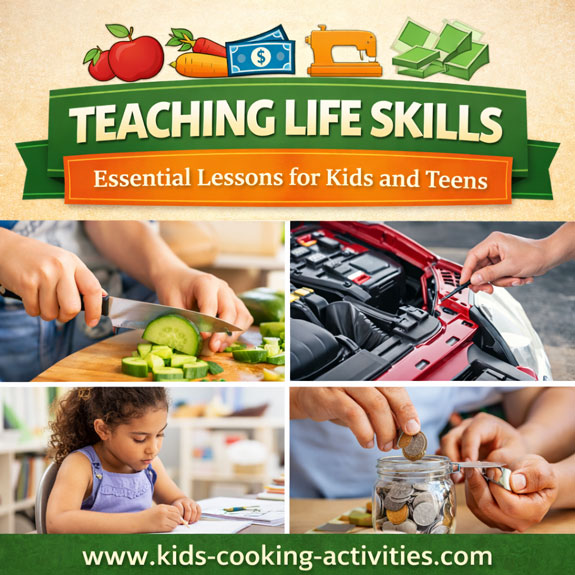
This guide is designed for parents, homeschool families, teachers, Family and Consumer Science classes, co-ops, after-school programs, and youth leaders who want practical ways to teach real-world skills. Use these ideas as a flexible starting point and choose the lessons that fit your children, students, schedule, and goals.
Life skills do not need to be taught through complicated lessons. Some of the best learning happens during everyday routines—preparing a meal, writing a grocery list, sorting laundry, comparing prices, setting the table, caring for a garden, or helping younger siblings.
Why Life Skills Matter
Life skills help children build independence, responsibility, confidence, decision making, organization, communication, problem solving, and real-world readiness for home, school, work, and adulthood.
Start Here: Practical Life Skills Kids Can Use
- Want to build kitchen confidence? Start with Kids Cooking Lessons, Kitchen Skills for Kids, and How to Teach Cooking.
- Teaching independence? Try simple lessons in cooking, sewing, money management, cleaning, organization, and self-care.
- Planning homeschool or classroom lessons? Use the topic sections below to build a practical life skills curriculum around hands-on projects.
- Looking for family activities? Visit Great Kids Activities for cooking, crafts, games, outdoor ideas, and family learning projects.
On This Page
Why Life Skills Matter
Life skills help children and teens grow into capable, confident, and responsible young adults. These are the everyday abilities that help kids care for themselves, contribute to a household, make thoughtful decisions, and solve real problems.
Practical life skills also support academic learning. Cooking can reinforce math, reading, science, sequencing, safety, and communication. Sewing develops patience and fine motor skills. Money lessons build decision making and responsibility. Home management teaches organization, planning, and follow-through.
Teach Skills Kids Can Use Right Away
The best life skills lessons are practical and meaningful. When children see that a lesson helps them make breakfast, pack a lunch, save money, care for their room, or help the family, they are more likely to stay engaged.
Life Skills Grow Over Time
Start with small responsibilities and add more as children mature. A preschooler may sort silverware, an elementary-age child may help measure ingredients, a tween may plan a snack, and a teen may prepare a full meal or compare grocery prices.
Cooking with Kids
Cooking is one of the most practical life skills children can learn. It teaches independence, safety, planning, measuring, reading, cleanup, nutrition, patience, and responsibility all in one hands-on activity.
Children do not need to cook full meals right away. Start with simple jobs such as washing produce, stirring batter, setting the table, tearing lettuce, measuring dry ingredients, spreading toppings, or helping read a recipe. As kids gain confidence, they can gradually take on more advanced kitchen skills.
Give Every Child a Real Job
Children stay more engaged when they have a meaningful role. Even young helpers can rinse fruit, count ingredients, sprinkle toppings, set the table, or help clean up after cooking.
Cooking Builds Confidence Quickly
Few life skills are as rewarding as preparing food and sharing it with others. When children help make a snack, breakfast, dinner, or dessert, they see the results of their effort right away.
Sewing with Children
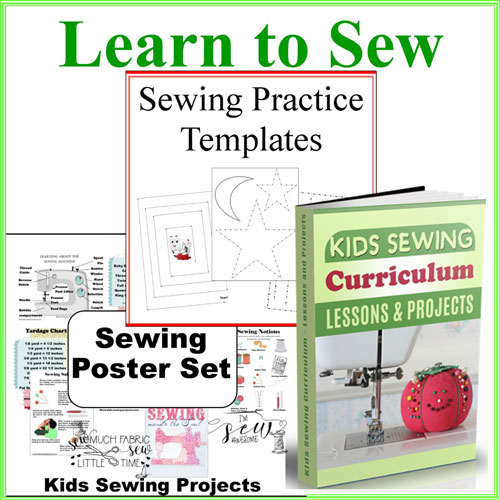
Sewing is a valuable life skill that teaches patience, creativity, problem solving, and independence. As children learn to thread a needle, sew a straight seam, or repair a button, they also develop fine motor skills, hand-eye coordination, attention to detail, and perseverance.
Like cooking, sewing lessons can begin with simple projects and gradually become more advanced. Children might start by practicing basic stitches or making a bookmark, then progress to pillows, tote bags, stuffed animals, aprons, or clothing projects as their confidence grows.
Start Small and Celebrate Success
Children are more likely to enjoy sewing when their first projects are simple and useful. Completing a small project builds confidence and encourages them to continue learning new skills.
Sewing Is a Skill for Life
Knowing how to repair clothing, sew on a button, shorten a hem, or create simple household items helps children become more independent while encouraging creativity and resourcefulness.
Teaching Money Management
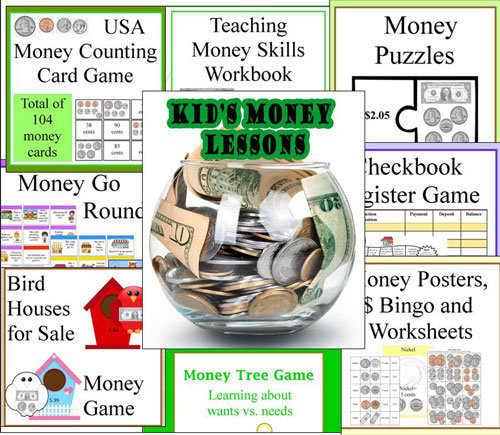
Money management is an essential life skill that helps children make thoughtful financial decisions throughout their lives. By learning how to earn, save, spend wisely, compare prices, and budget, kids develop habits that can lead to greater financial confidence and independence as adults.
Money lessons can begin with identifying coins and counting change, then gradually progress to creating budgets, comparing grocery prices, understanding wants versus needs, using coupons, planning meals, and saving for larger purchases. Everyday shopping trips provide excellent opportunities for real-world practice.
Take Kids Grocery Shopping
The grocery store is one of the best classrooms for teaching financial literacy. Let children compare brands, read unit prices, estimate totals, choose between products, and help stick to a shopping budget.
Money Skills Build Lifelong Confidence
Teaching children how to budget, save, compare prices, and make informed purchasing decisions prepares them for independent living. Combining money lessons with cooking, meal planning, and grocery shopping helps students immediately apply what they learn.
Fashion Design for Kids
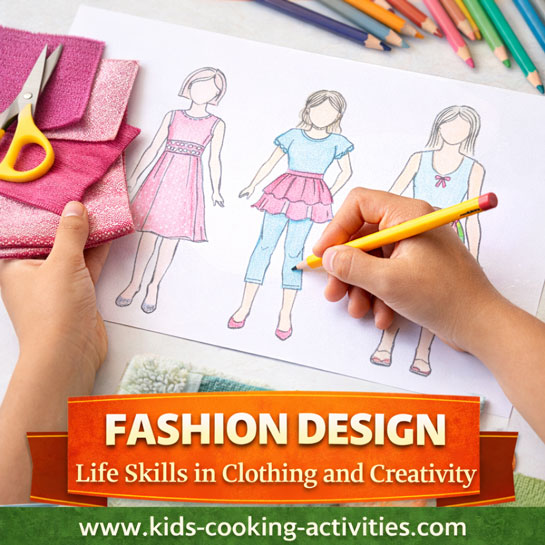
Fashion design encourages children to combine creativity with practical skills. As they learn about color, fabric, sewing, pattern design, and clothing construction, they also develop planning, problem-solving, organization, and attention to detail.
Whether children dream of becoming fashion designers or simply want to personalize clothing and accessories, fashion projects provide an engaging way to build confidence while learning valuable life skills.
Encourage Creativity
There is rarely just one "right" answer in fashion design. Encourage children to experiment with colors, fabrics, textures, and decorative details while learning to explain the choices they make.
Fashion Design Builds Creative Confidence
Fashion projects combine artistic expression with practical sewing skills. As children plan, design, and complete projects, they strengthen creativity, patience, problem solving, and attention to detail while creating something uniquely their own.
Interior Design & Home Design Skills
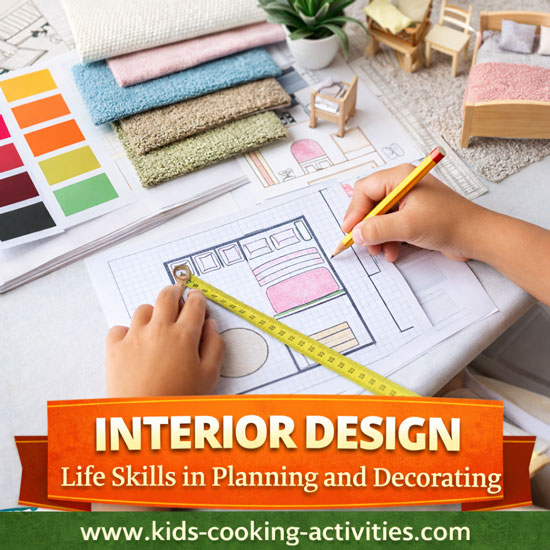
Interior design teaches children how to create comfortable, organized, and functional living spaces. Along the way, they learn planning, creativity, budgeting, color coordination, measurement, organization, and problem-solving—skills they can use throughout life.
Whether children are decorating a bedroom, organizing a study area, planning a dream room, or learning about home furnishings, design projects encourage thoughtful decision-making while allowing them to express their own style.
Start with Your Child's Own Space
Children become more invested when they can organize or decorate their own room, reading corner, or homework area. Small projects help them develop planning skills while taking pride in caring for their belongings.
Good Design Makes Everyday Life Easier
Interior design is about more than decorating. It helps children think about organization, comfort, function, budgeting, and making the best use of available space—skills that support independent living throughout adulthood.
Other Life Skills to Cover
Life skills cover much more than one subject. Some of the most useful lessons are the everyday skills that help children and teens become more independent, responsible, organized, and prepared for daily life.
These topics can be taught through short lessons, family routines, homeschool projects, classroom units, scout activities, or after-school programs. Start with the skills your children or students need most, then add new responsibilities as they grow.
Teach One Skill at a Time
Life skills can feel overwhelming if everything is taught at once. Choose one practical skill, practice it regularly, and add a new responsibility once children are comfortable.
Simple Tasks Become Lifelong Skills
When life skills are taught in a practical, step-by-step way, they help children and teens become more responsible, confident, and prepared for daily life. Often the simplest tasks—making a grocery list, preparing lunch, cleaning a room, or setting the table—become the skills children rely on most as they grow.
More Life Skills & Family Learning Resources
Continue building practical life skills with these related guides. Whether you're teaching cooking, budgeting, organization, family responsibilities, or hands-on learning, these resources provide step-by-step lessons, activities, and curriculum ideas for home or the classroom.

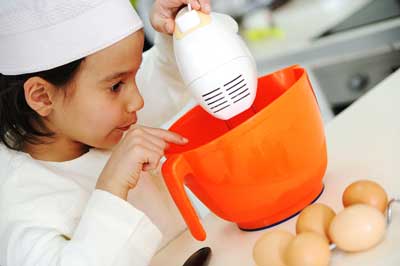
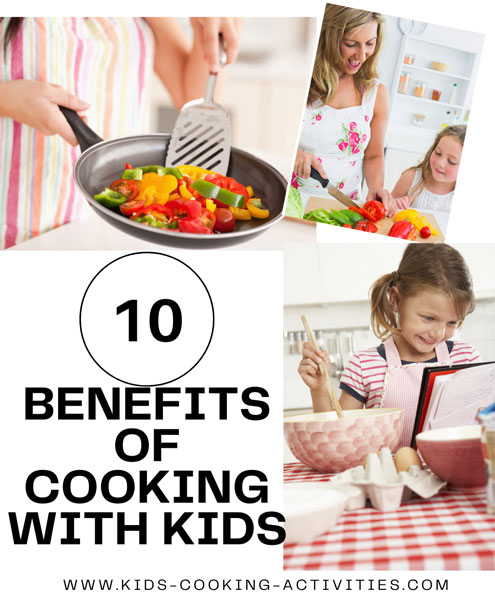
Teach measuring, mixing, knife safety, reading recipes, food preparation, and other essential kitchen skills.
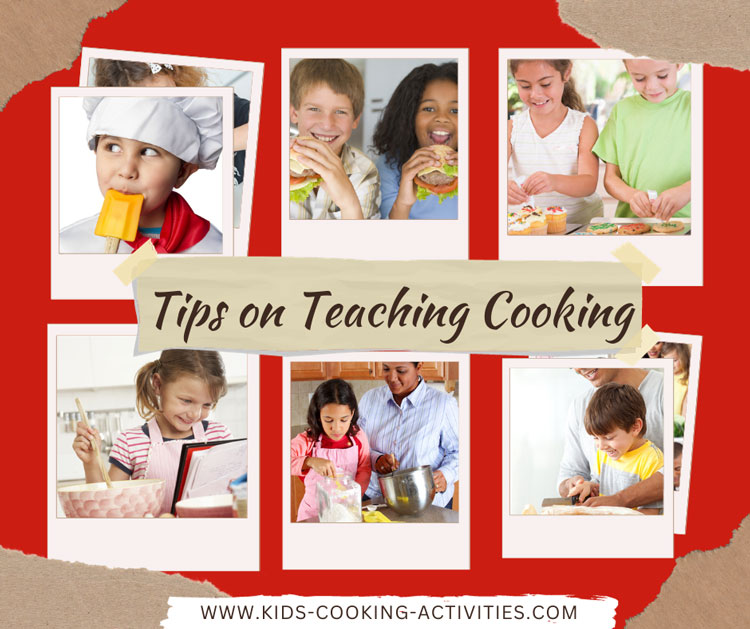
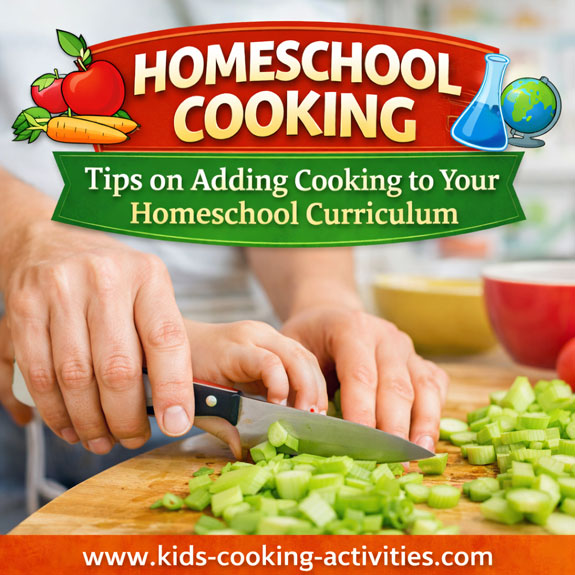
Lesson planning ideas, classroom tips, and teaching strategies for cooking instructors and homeschool families.

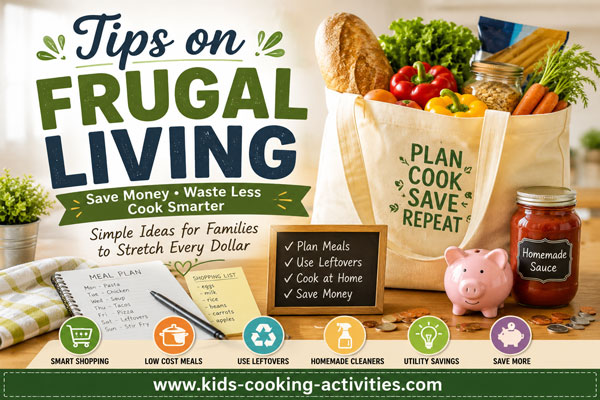
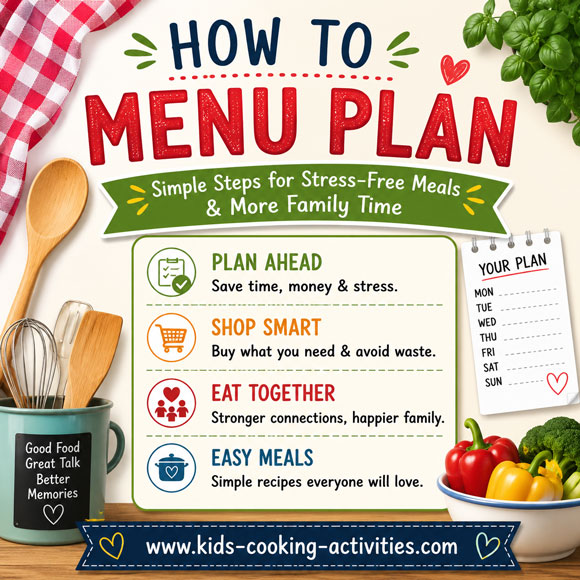
Teach budgeting, smart shopping, meal planning, and practical money-saving habits for everyday life.
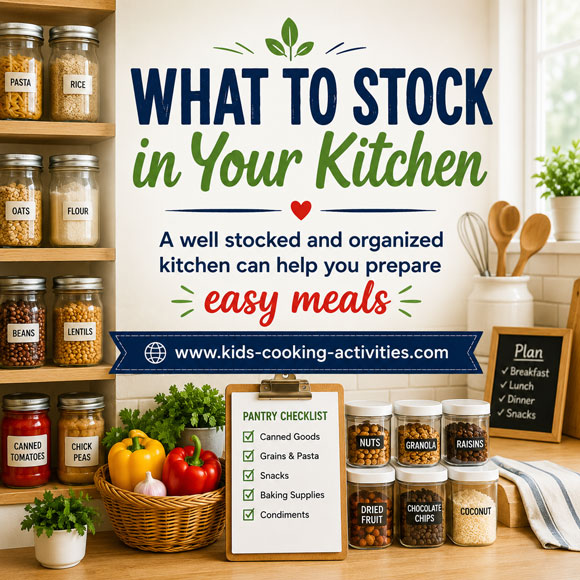
Teaching Life Skills FAQ
What are life skills for kids?
Life skills are practical everyday abilities that help children become more independent and responsible. They include cooking, cleaning, budgeting, sewing, communication, problem solving, organization, time management, personal care, and decision making.
Why is it important to teach life skills?
Teaching life skills prepares children for adulthood by helping them build confidence, solve problems, care for themselves, work with others, and make responsible decisions. These skills are just as valuable as academic subjects because they are used every day.
At what age should children start learning life skills?
Children can begin learning simple life skills as preschoolers by helping with small household tasks, putting away toys, washing fruits and vegetables, or setting the table. Responsibilities can gradually increase as they mature and gain confidence.
How does cooking teach life skills?
Cooking teaches reading, math, science, organization, planning, teamwork, nutrition, kitchen safety, and problem solving. It also helps children gain confidence as they prepare meals for themselves and others.
What are some everyday life skills children should learn?
Children should learn practical skills such as preparing simple meals, doing laundry, organizing their belongings, cleaning, budgeting, grocery shopping, sewing on a button, communicating respectfully, and managing their time.
How can parents teach life skills at home?
The easiest way is to involve children in everyday routines. Let them help cook meals, create shopping lists, fold laundry, clean rooms, care for pets, plant a garden, compare grocery prices, and make simple household decisions.
Can life skills be taught in homeschool or the classroom?
Yes. Many homeschool families, Family and Consumer Science teachers, classrooms, after-school programs, and youth organizations include cooking, sewing, budgeting, nutrition, organization, and communication as part of their curriculum.
What are good life skills for teenagers?
Teenagers benefit from learning meal planning, grocery shopping, budgeting, cooking complete meals, basic home maintenance, time management, job readiness, communication, and personal finance.
How can I make life skills lessons fun?
Turn lessons into hands-on activities. Bake together, plant a garden, organize a room makeover, plan a family meal, create a grocery budget challenge, or complete simple sewing and craft projects. Children learn best when they can immediately use what they have learned.
What is the best life skill to teach first?
There isn't one "best" life skill because every child has different needs. Many families begin with kitchen safety, preparing simple snacks, cleaning up after themselves, organizing personal belongings, communicating respectfully, and helping with everyday household responsibilities.
Continue Building Life Skills
Ready for the next step? Explore more resources that help children and teens develop practical life skills through cooking, family activities, meal planning, budgeting, organization, and hands-on learning. These guides work well for families, homeschool lessons, classrooms, camps, and Family and Consumer Science programs.
Get Free Kids Recipe Cards + Cooking Printables
Join Kids Cooking Activities for fun recipes, cooking ideas, and printable resources for kids, families, and classrooms.
Follow Kids Cooking Activities too:





© Debbie Madson, Madson Web Publishing, LLC — All rights reserved.
The material on this site is for educational purposes only.