

- Home ›
- Seasonal Activities ›
- Italian Pizza Garden
Grow an Italian Pizza Garden with Kids
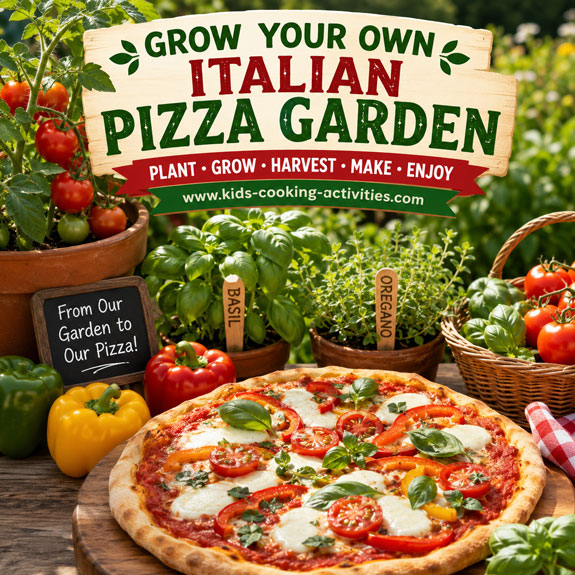
Growing an Italian pizza garden is a fun way to connect gardening, cooking, science, and healthy eating. Kids can help choose the plants, prepare the soil, water the garden, watch each ingredient grow, and harvest fresh vegetables and herbs for homemade pizza.
A pizza garden can be planted in a traditional garden bed, raised bed, or several large containers. Tomatoes, bell peppers, basil, and oregano are excellent beginner choices because they are commonly used in pizza sauce and toppings. Once the garden is ready to harvest, your family can turn the ingredients into homemade pizza sauce and a fresh Margherita pizza.
Start Here: Grow, Harvest and Make Pizza
- New to gardening? Begin with why a pizza garden is a great kids' project and how to plan your garden.
- Ready to plant? Learn how to grow tomatoes, bell peppers, oregano, and basil.
- Ready to cook? Make homemade pizza sauce and Margherita pizza with your harvest.
- Want a bigger garden? Explore 14 different plants kids can grow.
Kids Cooking Activities Teaching Materials
Teaching kids to cook? Save time with ready-made lesson plans used by parents and teachers. Browse teaching materials →


This page may contain affiliate links. We may earn a small commission at no extra cost to you. Learn more.
Why Grow a Pizza Garden?
A pizza garden gives kids the chance to see where familiar ingredients come from before those ingredients reach the kitchen. Instead of opening a jar of sauce or a package of toppings, children can help grow tomatoes, peppers, basil, and oregano, then harvest them for a homemade meal.
This project also combines several kinds of learning. Kids practice responsibility while caring for plants, science while observing growth, math while measuring and spacing, and kitchen skills while preparing pizza sauce and toppings.
| Skill | How a Pizza Garden Teaches It |
|---|---|
| Responsibility | Kids help water plants, check the soil, and care for the garden regularly. |
| Science | Children observe germination, flowering, pollination, fruit development, and seasonal changes. |
| Math | Gardeners measure containers, plant spacing, growth, and recipe ingredients. |
| Healthy Eating | Kids are often more interested in tasting vegetables and herbs they helped grow. |
| Cooking | The harvest can be turned into pizza sauce, vegetable toppings, and homemade pizza. |
From Garden to Pizza
- Plant tomatoes, peppers, basil, and oregano.
- Care for the garden by watering, weeding, and checking plant growth.
- Harvest the vegetables and herbs when they are ready.
- Prepare the ingredients by washing, chopping, and measuring.
- Cook homemade pizza sauce and assemble your pizza.
- Eat and celebrate everything your family grew together.
Start with a Small Garden
You do not need to grow every possible pizza topping. Tomatoes, one bell pepper plant, basil, and oregano are enough for a simple beginner pizza garden. Add more plants after your family becomes comfortable caring for them.
Planning Your Italian Pizza Garden
Before planting, choose where the garden will grow and decide whether you will use a garden bed, raised bed, or containers. Tomatoes, peppers, basil, and oregano all need good drainage and several hours of sunlight each day.
Choose a Growing Space
| Garden Style | Best For | Planning Tips |
|---|---|---|
| Traditional Garden Bed | Families with a sunny yard | Choose loose, well-drained soil and leave enough space between plants. |
| Raised Bed | Easy access and organized planting | Place tall tomato plants where they will not shade the herbs. |
| Large Containers | Patios, balconies, rentals, and small spaces | Use separate large pots for tomatoes and peppers and smaller pots for herbs. |
| Mixed Garden | Combining beds and containers | Grow tomatoes and peppers in the ground while keeping herbs near the kitchen. |
What You'll Need
- Two or three tomato plants
- One or two bell pepper plants
- Basil and oregano plants or seeds
- Large containers or a prepared garden bed
- Potting mix or garden soil with good drainage
- Tomato cages or stakes
- Watering can or garden hose
- Plant labels
- Small garden tools
Seeds or Starter Plants?
Starter plants are usually easiest for a first pizza garden because they shorten the wait for a harvest. Tomato and pepper plants especially take time to grow from seed. Basil and oregano can be started from seed or purchased as young plants.
Arrange the Plants
Tomatoes and peppers grow larger than herbs, so place them where they have enough room and will not block sunlight from the basil and oregano. Follow the spacing instructions on each plant label because mature plant sizes vary by variety.
- Place tomato plants at the back or center of the garden.
- Allow room for cages or stakes around tomatoes.
- Plant bell peppers where they will receive full sun.
- Place basil close to the tomatoes, but leave space for air circulation.
- Grow oregano near the garden edge or in its own container.
Draw a Pizza Garden Plan
Before planting, have kids draw the garden on paper. Mark where the tomatoes, peppers, basil, and oregano will go. Add the location of containers, paths, plant labels, and watering tools.
This simple activity helps children practice planning, spacing, drawing, and problem-solving before the garden is planted.
Growing Tomatoes for Your Pizza Garden
Tomatoes are one of the most important plants in an Italian pizza garden. They can be cooked into homemade pizza sauce, sliced for toppings, or added fresh after baking. Roma and other paste tomatoes are especially useful because they have thick flesh, fewer seeds, and less juice than many slicing tomatoes.
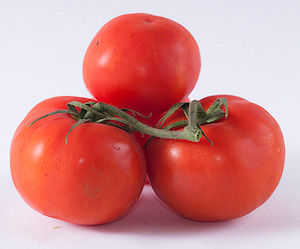
| Tomato Type | Best Use | Why It Works |
|---|---|---|
| Roma or Paste Tomatoes | Pizza sauce and sliced toppings | They are meaty, have fewer seeds, and contain less juice. |
| Cherry Tomatoes | Fresh toppings and salads | They are small, sweet, and easy for kids to harvest. |
| Slicing Tomatoes | Fresh pizza toppings | They have large slices but may release more moisture while baking. |
Best Choice for Beginners
Start with one or two healthy Roma tomato starter plants from a garden center. They are easier than growing tomatoes from seed and usually provide plenty of fruit for pizza sauce and toppings.
How to Plant Tomatoes
- Choose a location that receives at least 6 hours of sunlight each day.
- Wait until the danger of frost has passed and the soil has warmed.
- Plant according to the depth recommended on the plant tag. Many non-grafted tomato plants can be planted slightly deeper to encourage a strong root system.
- Space plants according to the plant tag, usually about 18–36 inches apart depending on the variety.
- Add a tomato cage or stake at planting time so the roots are not disturbed later.
- Water thoroughly after planting.
Caring for Tomato Plants
- Water deeply when the top inch of soil begins to feel dry.
- Try to water near the base of the plant instead of soaking the leaves.
- Use mulch around the plant to help hold moisture and reduce weeds.
- Guide branches gently through the tomato cage as the plant grows.
- Check leaves regularly for spots, holes, or insects.
- Follow fertilizer directions carefully if additional feeding is needed.
Tomato Garden Jobs for Kids
- Measure how tall the plant grows each week.
- Count the flowers and developing tomatoes.
- Check the soil before watering.
- Help tie plant stems loosely to a stake.
- Harvest ripe tomatoes with adult supervision.
Growing Tomatoes in Containers
Tomatoes can grow successfully in containers when the pots are large enough. Choose a container that holds at least 5 gallons and has several drainage holes. Use fresh potting mix rather than garden soil, and place the container where it will receive plenty of sunlight.
Container-grown tomatoes may dry out faster than plants in garden beds, especially during hot weather. Check the soil often and water whenever the top inch feels dry.
Container Tomato Tip
Choose a compact, patio, or determinate tomato variety if you have limited space. These plants are usually easier to manage in containers than very tall indeterminate varieties.
When Are Tomatoes Ready to Harvest?
Tomatoes are usually ready when they have reached their mature color, feel slightly soft when gently pressed, and come away from the plant easily. Roma tomatoes are commonly harvested when they are fully red, although some varieties ripen to orange, yellow, or purple.
Harvest tomatoes regularly so the plant can continue producing. Keep freshly picked tomatoes at room temperature until fully ripe, then use them in pizza sauce, salads, sandwiches, or other recipes.
Growing Bell Peppers for Your Pizza Garden
Bell peppers are one of the easiest vegetables to grow in a pizza garden. They add bright color, crisp texture, and sweet flavor to homemade pizzas, salads, pasta dishes, and roasted vegetables. Kids enjoy watching the peppers change colors as they ripen throughout the growing season.
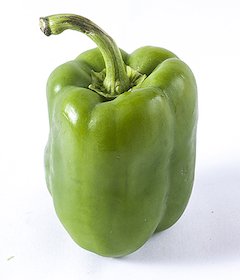
| Pepper Color | Flavor | Best Uses |
|---|---|---|
| Green | Mild with a slightly tangy flavor | Pizza toppings, stir-fries, salads, and fajitas |
| Yellow | Sweeter than green peppers | Fresh toppings, salads, and vegetable trays |
| Orange | Sweet and crisp | Pizza, pasta dishes, and healthy snacks |
| Red | Sweetest and fully ripe | Roasting, pizza, sandwiches, salads, and sauces |
Did You Know?
Most bell peppers begin green and change color as they ripen. Depending on the variety, a mature pepper may become red, yellow, orange, purple, or another color. Fully ripened peppers are usually sweeter than green peppers.
Planting Bell Peppers
- Plant peppers after the danger of frost has passed and the soil has warmed.
- Choose a location with at least 6 hours of direct sunlight each day.
- Space plants according to the plant tag, usually about 18 to 24 inches apart.
- Water thoroughly after planting.
- Add mulch around the plants to help hold moisture and reduce weeds.
Caring for Pepper Plants
- Keep the soil evenly moist but not soggy.
- Water near the base of the plant whenever the top inch of soil feels dry.
- Remove weeds that compete for water and nutrients.
- Watch for flowers, then count the tiny peppers as they begin to grow.
- Support larger plants with a small stake if they become heavy with fruit.
Pepper Observation Activity
Visit your pepper plant every few days and record:
- How many flowers can you count?
- How many peppers are growing?
- What color are the peppers today?
- How has the size changed since last week?
Watching peppers change from green to yellow, orange, or red is a great way to learn how fruits ripen on the plant.
Growing Peppers in Containers
Bell peppers also grow well in containers. Choose a pot that is at least 12 inches wide with drainage holes, fill it with quality potting mix, and place it in a sunny location. Container-grown peppers usually need watering more often than peppers planted in the ground.
Container Tip
One healthy pepper plant can produce several peppers throughout the summer. Even one container can provide enough fresh toppings for several homemade pizzas.
Harvesting Bell Peppers
Peppers can be harvested while they are green or left on the plant to become yellow, orange, or red. Use clean scissors or garden pruners to cut the peppers from the plant instead of pulling them by hand.
Fresh peppers are delicious on homemade pizza, in salads, roasted with vegetables, or served with dip as a healthy snack.
Growing Pizza Herbs
Fresh herbs are what give homemade pizza its classic Italian flavor. Basil and oregano are the two most common herbs grown in a pizza garden because they are easy to grow, harvest, and use in homemade sauces and pizza toppings. They also grow well in containers, making them perfect for small gardens and patios.
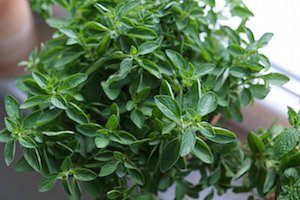
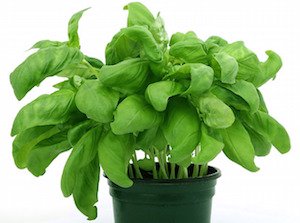
Unlike many vegetables, herbs can be harvested a little at a time throughout the growing season. Regular harvesting often encourages the plants to become fuller and produce even more flavorful leaves.
| Herb | Flavor | Common Uses |
|---|---|---|
| Basil | Sweet and slightly peppery | Fresh pizza, pesto, tomato sauce, pasta, sandwiches |
| Oregano | Warm and earthy | Pizza sauce, Italian seasoning, roasted vegetables, marinades |
Fresh or Dried?
Fresh basil is usually added near the end of cooking or after the pizza comes out of the oven to keep its bright flavor. Oregano can be used either fresh or dried, making it one of the easiest herbs to keep on hand all year.
Growing Oregano
Oregano is a hardy perennial in many climates and one of the easiest herbs for beginning gardeners. Once established, it often comes back year after year and produces plenty of leaves for pizza sauce, pasta dishes, soups, and homemade seasoning blends.
Growing Tips
- Plant in a sunny location with well-drained soil.
- Water when the soil begins to dry.
- Harvest stems regularly to encourage bushy growth.
- Dry extra oregano for future recipes.
Oregano Challenge
Harvest a few fresh oregano leaves and compare them with dried oregano from your spice cabinet. Notice the differences in color, texture, aroma, and flavor.
Growing Basil
Basil is one of the most popular herbs for Italian cooking. Its sweet aroma and tender leaves make it perfect for homemade pizza, fresh tomato dishes, pesto, and salads. Basil grows quickly during warm weather and is one of the first herbs many kids enjoy harvesting.
Growing Tips
- Plant after the danger of frost has passed.
- Choose a sunny location with well-drained soil.
- Pinch off the growing tips regularly to encourage fuller plants.
- Remove flower buds if you want the plant to continue producing tender leaves.
- Harvest leaves often throughout the summer.
Kitchen Tip
For the freshest flavor, tear or chop basil just before using it. Sprinkle fresh basil over pizza after baking or stir it into warm pasta sauce just before serving.
Make a Flavor Comparison
Harvest a small amount of basil and oregano, then smell each herb before tasting them in a favorite recipe.
- Which herb smells sweeter?
- Which has the strongest flavor?
- Which would you use in pizza sauce?
- Which would you sprinkle on top of baked pizza?
Comparing herbs helps kids recognize different flavors while learning how herbs are used in cooking.
Homemade Garden Pizza Sauce
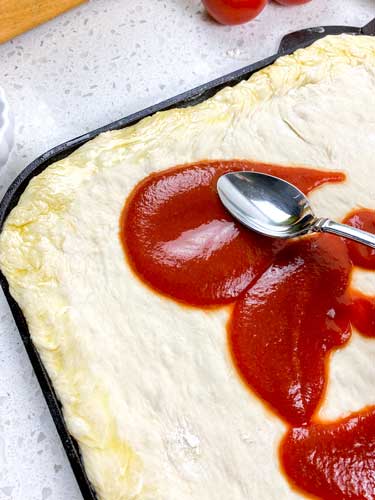
Fresh tomatoes, basil, and oregano from your pizza garden make a flavorful homemade pizza sauce. This simple recipe is a great way for kids to turn their garden harvest into a delicious family meal.
Prep Time: 15 minutes
Cook Time: 30 minutes
Total Time: 45 minutes
Yield: About 2 1/2 cups
Ingredients
- 2 pounds Roma tomatoes, chopped
- 2 cloves garlic, minced
- 2 tablespoons olive oil
- 2 tablespoons chopped fresh basil
- 1 tablespoon chopped fresh oregano
- 1 teaspoon sugar (optional)
- Salt and black pepper, to taste
Directions
- Heat the olive oil in a saucepan over medium heat.
- Add the garlic and cook for about 30 seconds until fragrant.
- Stir in the chopped tomatoes and bring to a gentle simmer.
- Cook for 20-30 minutes, stirring occasionally, until the tomatoes soften and the sauce thickens.
- Stir in the basil and oregano during the last few minutes of cooking.
- Taste and season with salt, pepper, and sugar if needed.
- Use the sauce immediately, or transfer it to a covered container and refrigerate promptly after cooling. Use refrigerated sauce within 3-4 days or freeze it for longer storage.
Kid Chef Tip
If you prefer a smoother pizza sauce, allow it to cool slightly, then blend it with an immersion blender or regular blender under adult supervision.
Ways to Use Homemade Pizza Sauce
- Spread on homemade pizza dough.
- Use as a dipping sauce for breadsticks.
- Toss with pasta.
- Layer into homemade lasagna.
- Freeze small containers for quick weeknight meals.
Storage Tip
Divide extra sauce into pizza-sized portions before freezing. Label each container with the name and date so it is ready for a future pizza night.
Fresh Garden Margherita Pizza
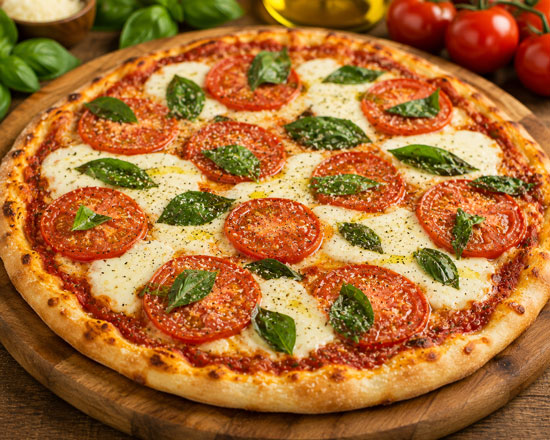
One of the best rewards of growing an Italian pizza garden is using your fresh harvest to make a homemade Margherita pizza. Kids can help prepare the toppings and assemble the pizza before baking.
Prep Time: 20 minutes
Bake Time: 12-15 minutes
Total Time: 32-35 minutes
Yield: 1 large pizza
Ingredients
- 1 prepared pizza crust or homemade pizza dough
- 1 cup Homemade Garden Pizza Sauce
- 8 ounces fresh mozzarella cheese, sliced
- 2 Roma tomatoes, thinly sliced
- Fresh basil leaves
- 1 tablespoon olive oil
- Grated Parmesan cheese (optional)
Directions
- Preheat the oven according to the pizza crust or dough directions, usually between 425°F and 475°F.
- Spread the pizza sauce evenly over the crust.
- Arrange the mozzarella and tomato slices on top.
- Bake according to the crust directions until the crust is golden and the cheese is melted, usually 12-15 minutes.
- Remove the pizza from the oven and immediately top with fresh basil leaves.
- Drizzle with olive oil and sprinkle with Parmesan cheese if desired.
- Slice and serve warm.
Harvest-to-Table Tip
Pick the basil just before serving. Fresh basil has its brightest flavor when added after the pizza finishes baking.
Try These Pizza Garden Variations
- Add sliced bell peppers from your garden.
- Sprinkle with fresh oregano.
- Add mushrooms or onions.
- Top with spinach or arugula after baking.
- Create individual mini pizzas so everyone can choose their own toppings.
More Plants Kids Can Grow
Once your family has tried a pizza garden, you may be ready to grow more vegetables, fruits, herbs, and flowers. The plants below are good choices for children because they offer interesting colors, textures, smells, or quick results.
| Plant | Why Kids Enjoy Growing It | Ways to Use It |
|---|---|---|
| Cherry Tomatoes | Small, colorful fruits are easy to spot and harvest. | Snacks, salads, pasta, and pizza toppings. |
| Zucchini | Plants grow quickly and can produce a large harvest. | Zucchini bread, muffins, roasted vegetables, and pasta dishes. |
| Lettuce | Fast-growing leaves can be harvested a little at a time. | Salads, sandwiches, wraps, and tacos. |
| Carrots | Pulling a carrot from the soil feels like finding a surprise. | Snacks, soups, salads, roasted vegetables, and side dishes. |
| Radishes | They grow quickly and are useful for teaching patience and observation. | Salads, sandwiches, tacos, and vegetable trays. |
| Cucumbers | Vines grow quickly and produce crisp vegetables. | Salads, pickles, sandwiches, and snacks. |
| Pumpkins | Large vines, flowers, and pumpkins make a dramatic seasonal project. | Soup, bread, muffins, pie, roasted seeds, and fall decorations. |
| Broccoli | Kids can watch the edible flower head develop in the center of the plant. | Steamed vegetables, roasting, casseroles, soups, and stir-fries. |
| Green Beans | They are easy to harvest and may produce many beans throughout the season. | Side dishes, soups, salads, and casseroles. |
| Sunflowers | Tall plants and large flowers make growth easy to measure. | Garden observation, bouquets, and harvesting seeds from edible varieties. |
| Marigolds | Bright flowers are easy to grow and add color around vegetable gardens. | Garden borders, bouquets, and pollinator observation. |
| Zinnias | They come in many colors and bloom repeatedly during warm weather. | Bouquets, color studies, and pollinator gardens. |
| Cosmos | Feathery leaves and delicate flowers make them fun to observe. | Bouquets and pollinator gardens. |
| Pansies | Colorful faces make them especially appealing to young gardeners. | Containers, garden borders, and seasonal flower displays. |
Choose Plants for Your Climate
Not every plant grows well in every season or location. Check seed packets, plant tags, or local gardening guidance to learn the best planting time for your area.
Plan a Kid-Friendly Garden
Choose a mix of plants that offer different experiences:
- Quick growers: Radishes and lettuce.
- Easy snacks: Cherry tomatoes, cucumbers, and carrots.
- Big harvests: Zucchini and green beans.
- Seasonal excitement: Pumpkins and sunflowers.
- Color and pollinators: Marigolds, zinnias, cosmos, and pansies.
Garden-to-Kitchen Challenge
Choose one vegetable from your garden and prepare it in two different ways. For example, serve carrots raw and roasted, turn zucchini into bread and a side dish, or use tomatoes in both salad and pizza sauce.
Compare the color, texture, aroma, and flavor after each cooking method.
Grow and Cook Kids Cooking Camp
Take the garden-to-kitchen lesson further with a cooking camp designed around planting seeds, observing growth, harvesting fresh ingredients, and preparing recipes with the foods kids grow.
Related Gardening, Pizza and Seasonal Activities
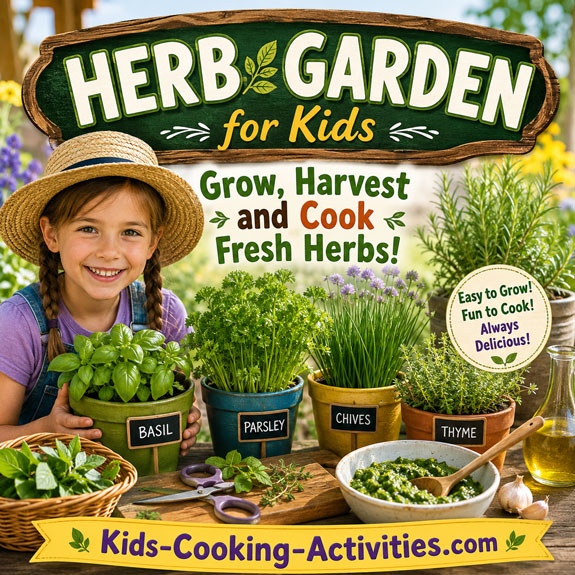
Start an Herb Garden
Grow basil, oregano, chives, mint, and other culinary herbs indoors or outdoors.

Cooking with Herbs & Spices
Learn how fresh and dried herbs add flavor to pizza sauce, vegetables, meats, and international dishes.

Homemade Pizza Dough
Make pizza crust from scratch and practice kneading, shaping, rising, and baking dough.

Homemade Sauce Recipes
Turn tomatoes and herbs into pizza sauce, pasta sauce, dressings, marinades, and dips.
Tomato Facts
Learn how tomatoes grow, compare varieties, and discover ways to use them in cooking.
Pepper Facts
Explore bell pepper colors, ripening, nutrition, and kid-friendly recipe ideas.
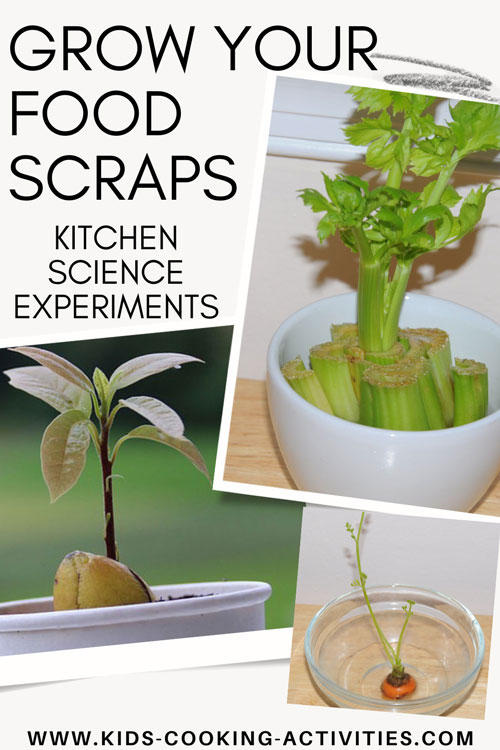
Grow Food from Scraps
Use kitchen scraps for simple growing projects that teach where food comes from.
Earth Day Food & Fun
Try gardening, recycling, cooking, and nature activities that can be enjoyed throughout the year.
Frequently Asked Questions About Pizza Gardens
Can I grow a pizza garden in containers?
Yes. Tomatoes, bell peppers, basil, and oregano can all grow in containers. Use large pots with drainage holes for tomatoes and peppers, and smaller containers for herbs. Place the pots where they will receive several hours of sunlight each day.
Which tomatoes are best for a pizza garden?
Roma and other paste tomatoes are especially useful because they have thick flesh, fewer seeds, and less juice than many slicing tomatoes. Cherry tomatoes are also a fun choice for fresh toppings and salads.
How much sunlight does a pizza garden need?
Most pizza garden plants grow best with at least six hours of direct sunlight each day. Tomatoes, peppers, basil, and oregano usually produce the best harvest in a bright, sunny location.
How often should pizza garden plants be watered?
Check the soil regularly and water when the top inch feels dry. Container gardens may need water more often during hot weather. Keep the soil evenly moist, but avoid leaving it constantly soggy.
When should basil be harvested?
Begin harvesting basil after the plant has several sets of healthy leaves. Snip stems just above a pair of leaves to encourage fuller growth, and avoid removing more than about one-third of the plant at one time.
Can oregano and basil be grown indoors?
Yes. Both herbs can grow indoors in containers near a bright window. Basil needs warmth and plenty of light, while oregano prefers well-drained soil and should be allowed to dry slightly between waterings.
How long does it take to harvest tomatoes and peppers?
The timing depends on the variety, weather, and whether you begin with seeds or starter plants. Many tomato and pepper plants begin producing harvestable fruit about two to three months after transplanting outdoors.
Can kids help make homemade pizza?
Yes. Kids can wash vegetables and herbs, measure ingredients, spread sauce, arrange toppings, tear basil leaves, and assemble individual pizzas. An adult should supervise chopping, hot pans, ovens, and stovetop cooking.
Grow, Harvest and Make Pizza
A pizza garden turns a favorite family meal into a complete gardening and cooking project. Kids can plan the garden, care for the plants, harvest fresh ingredients, and use them to make homemade sauce and pizza.
Related Seasonal Recipe Pages:
~School Lunches, ~ Apples, ~ Autumn Activities, ~ Pumpkins, ~Kids Halloween Recipes, ~ Halloween Recipe Ideas, ~ Thanksgiving, ~Hanukkah Recipes, ~Kids Christmas cooking, ~Christmas Candy Recipes, ~ Reindeer, ~ Make Homemade Chocolates, ~Jar Mixes, ~Gift Basket Ideas, ~Homemade Fudge Recipes, ~ Homemade Suckers, ~ Christmas Cookie Recipes, ~ Gingerbread House Recipes, ~ Food Gift Ideas, ~ Dough Ornament Recipes, ~Hot Cocoa, ~ Happy New Year, ~ Snowman Theme Recipes, ~ Valentine's Day, ~ Valentine Dessert Recipes, ~ St. Patrick's Day, ~ April Fool's Day Recipes, ~Passover Recipes, ~Kids Easter Recipes, ~ Sugar Eggs Recipe, ~ Resurrection Cookies Recipe, ~Italian Easter Bread, ~ Russian Easter Bread Recipe, ~Earth Day, ~ Cinco de Mayo, May 5, ~ Mother's Day Recipes, ~ Father's Day Recipes, ~Summer Cooking, ~ Kid's Campfire Cooking Recipes, ~Dutch Oven Cooking for Kids, ~ 4th of July Recipes, ~ Ice Cream Recipes, ~ Popsicle Recipes, ~ Simple Smoothie Recipes, ~ Picnic Ideas and Recipes, ~ Easy Grilling Recipes, ~Grow your own Garden
Get Free Kids Recipe Cards + Cooking Printables
Join Kids Cooking Activities for fun recipes, cooking ideas, and printable resources for kids, families, and classrooms.
Follow Kids Cooking Activities too:





© Debbie Madson, Madson Web Publishing, LLC — All rights reserved.
The material on this site is for educational purposes only.