- Home ›
- Teaching Kids to Cook ›
- Kids Cooking Classes
How to Start Kids Cooking Classes
If you enjoy teaching kids to cook, starting kids cooking classes can be a rewarding way to serve families, teach life skills, and create extra income. Whether you want to offer small classes from home, homeschool group lessons, camps, workshops, or after-school programs, it helps to begin with a clear plan.
This page will help you think through your mission, legal questions to research, supplies you may need, and the teaching resources that can help you get started with confidence.
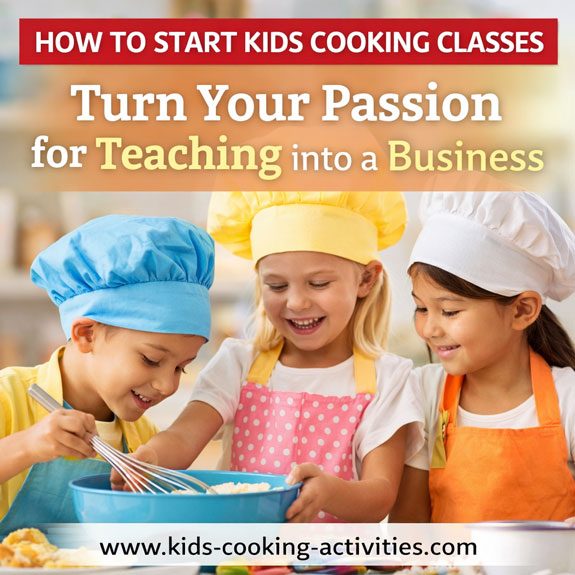
When you are setting up a new kids cooking business, it helps to have a clear mission, a good understanding of legal and safety concerns, and the right teaching materials and supplies.
Begin with a simple plan → How to Teach Cooking Step-by-Step
Use age-based kids cooking lessons
Review kitchen safety before teaching groups
Download the free Cooking Class Teacher Checklist
Kids Cooking Activities Teaching Materials
Teaching kids to cook? Save time with ready-made lesson plans used by parents and teachers. Browse teaching materials →


This page may contain affiliate links. We may earn a small commission at no extra cost to you. Learn more.
What Is Your Cooking School Mission Statement?
When you are planning how to start kids cooking classes, one of the first things to decide is what you want your classes to accomplish. Your mission will shape your advertising, class style, recipes, age groups, and even your business name.
Possible mission ideas include:
-
To give children a lifelong love of working in the kitchen.
This goal often fits one-to-one teaching or small group classes, possibly from your home. The recipes may be simpler and more focused on confidence, comfort, and family cooking. -
To train a future generation of chefs.
This direction may call for broader recipe variety, stronger skill progression, more advanced lessons, and possibly a larger teaching space. -
To help children become healthy eaters.
This approach can include nutrition, healthy habits, food facts, and recipes that help kids enjoy fresh ingredients.
You can also shape your business around after-school classes, homeschool groups, birthday parties, summer camps, theme units, or a combination of these.
You do not have to limit yourself to one type of class. Many teachers start with one format and expand later as they gain experience.
Class Formats You Can Offer
You do not have to limit yourself to one type of class. Many teachers start with one format and expand later as they gain experience.
- After-school classes – weekly skill-based lessons for small groups
- Homeschool classes – cooking tied to life skills, nutrition, or themed learning
- Birthday party classes – fun, hands-on party cooking activities
- Summer camps – multi-day programs with themed recipes and skill building
- One-time workshops – seasonal, holiday, or special-topic cooking events
- Parent-child classes – shared cooking experiences for families
Once you know the age group you want to teach, it helps to organize classes by skill level. These kids cooking lessons can help you decide what to teach first and how to build skills step by step.
Make Teaching Kids Cooking Easier
Skip the stress of planning with ready-to-use lesson plans, activities, and themed recipe sets designed for parents, teachers, and group leaders. Everything is organized and easy to follow—so you can focus on teaching, not planning.
- Step-by-step lesson plans
- Printable worksheets and activities
- Structured cooking curriculum
- Beginner-friendly, flexible lessons
Start teaching with a complete, ready-to-use cooking program.
Shop Cooking Curriculum →
Legal Questions to Research
Before starting kids cooking classes, research the business, legal, and safety requirements in your own area. Rules may vary depending on where you live, how many students you teach, and whether you are teaching from home, a rented space, or a commercial kitchen.
These are high-stakes questions that should be checked locally before you begin.
-
How many children can I legally teach in my home?
Limits may depend on your location, zoning rules, kitchen size, supervision ratios, and local business laws. -
Who is responsible if a child gets hurt?
Safety procedures, supervision, insurance, and signed waivers can all matter here. -
Are there foods or ingredients I should avoid?
Foods such as chicken and eggs require extra care, and allergies should always be addressed in your paperwork and enrollment forms. -
Do I need a license, insurance, or a commercial kitchen?
Depending on your area, you may need a business license, liability insurance, food handling certification, or an approved kitchen space.
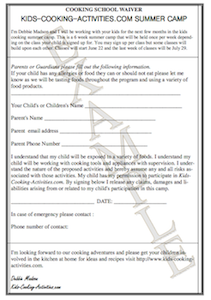
Here is an example and help in creating a business waiver. This will open in a separate window. This is also included in our Cooking Curriculum Set with other helpful resources like this.
This page provides general teaching ideas, not legal advice. Be sure to verify local business, health, zoning, insurance, and safety requirements in your area before offering classes.
Kids Cooking School and Class Supplies
The next step in starting kids cooking classes is gathering the supplies you need. If you are teaching multiple children at once, you may need several sets of child-friendly tools and utensils.
A few supplies to think about include:
- Measuring cups and spoons
- Mixing bowls and spoons
- Child-sized or kid-friendly utensils
- Aprons
- Ingredients and pantry basics
- Cleaning supplies and paper towels
- Storage containers for leftovers
- A dishwasher or cleaning setup that helps with class turnaround
See more help on kids cooking supplies and kids utensils and products.
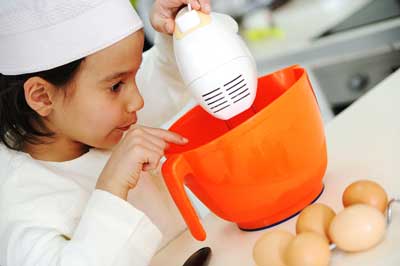
Help in Starting a Kids Cooking Business
Starting small is perfectly fine. If you're still planning your approach, this step-by-step teaching guide can help you organize your first classes. You do not need to launch a huge program on day one. Start with a clear idea, a safe plan, and a few strong lessons. You can grow from there.
It also helps to think like a parent. What information would you want if you were enrolling your own child? Your flyers, signup forms, website, and class descriptions should all help families feel confident in your ability to teach safely and well.
 You can use our Kids Cooking Lessons for teaching classes. They were designed for this purpose and have been used successfully in after-school and summer classes.
We also have more teaching help and tips including what to cook, how to organize lessons, and how to teach skills step by step.
Download the free Cooking Class Teacher Checklist to help you plan before class, keep kids engaged during lessons, and reinforce skills after cooking.
Already teach classes or lessons? Include your business in our kids cooking class directory.
More Teaching Help Pages
These pages pair well with this topic and can help you plan classes, build lessons, and teach children confidently.
How to Teach Cooking
Learn how to structure lessons, choose themes, and teach cooking step by step.
Kids Cooking Lessons
Use age-based lesson ideas to decide what skills and recipes to teach first.
Kitchen Safety Rules
Review kitchen safety, sanitation, and printable reminders before teaching children.
Kids Cooking Tips
Find more ways to keep cooking fun, practical, and manageable for kids and adults.
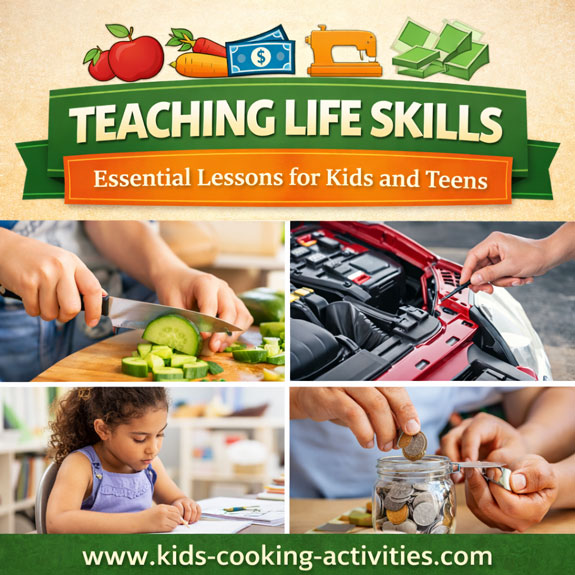
Teaching Life Skills
Use cooking to teach independence, responsibility, and practical daily life skills.
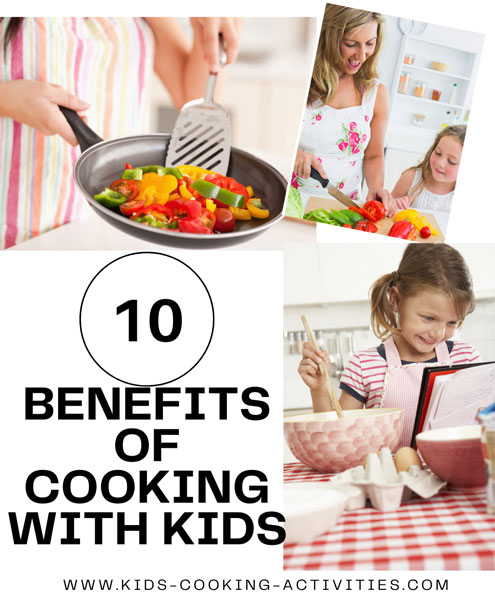
Reasons for Kids to Learn to Cook
See more benefits of teaching children to cook, from healthy habits to confidence.
Plan your teaching → How to Teach Cooking
Choose what to teach → Kids Cooking Lessons
Need ready-to-use materials? → Shop Cooking Curriculum
FAQ: How to Start Kids Cooking Classes
Do I need to start big?
No. Many successful kids cooking classes begin with small groups, simple lessons, and local word-of-mouth advertising.
What kind of classes can I offer?
You can offer after-school classes, homeschool classes, birthday party classes, camps, theme units, or one-time workshops.
What is the most important first step?
Start by deciding your mission and checking the local legal and safety requirements in your area before enrolling students.
Kids Cooking Lesson Plans
Once you know why cooking matters, the next step is knowing what to teach and how to structure it. These kids cooking lessons help you build skills step by step with age-based guidance.
Save time and feel confident teaching with structured lesson plans, printable activities, and step-by-step guidance.
Explore Cooking Curriculum →
Get Free Kids Recipe Cards + Cooking Printables
Join Kids Cooking Activities for fun recipes, cooking ideas, and printable resources for kids, families, and classrooms.
Follow Kids Cooking Activities too:





© Debbie Madson, Madson Web Publishing, LLC — All rights reserved.
The material on this site is for educational purposes only.