

- Home ›
- Baking with Kids ›
- Easy Bread Recipes ›
- Homemade Doughnut Recipes
Homemade Doughnut Recipes for Kids
Homemade doughnuts are a fun yeast dough project for kids who are ready to practice measuring, proofing yeast, rolling dough, cutting shapes, glazing, and decorating. Adults should always handle the hot oil, while kids can help with the dough, glaze, toppings, and creative finishing.

Whether you spell it doughnut or donut, this recipe is a delicious way to introduce young bakers to yeast dough. Kids can watch the dough rise, roll it out, cut doughnut shapes, mix a simple glaze, and decorate with sprinkles, coconut, nuts, chocolate, or other favorite toppings.
Because these doughnuts are fried, this is a supervised family cooking activity. Let children handle the safe jobs, then have an adult fry the doughnuts and transfer them to a cooling rack before kids glaze and decorate.
Start Here: Homemade Doughnut Lesson
- New to yeast dough? → Start by learning how to mix and proof doughnut dough.
- Practicing dough skills? → Kids can help roll, cut, and shape doughnuts.
- Using hot oil? → Review doughnut frying safety before cooking.
- Ready to decorate? → Try the simple doughnut glaze and topping ideas.
- Want a filled doughnut? → See the jelly and cream doughnut ideas.
- Make it a book activity → Pair this recipe with the If You Give a Dog a Donut cook-with-books activity.
Kids Cooking Activities Teaching Materials
Teaching kids to cook? Save time with ready-made lesson plans used by parents and teachers. Browse teaching materials →


This page may contain affiliate links. We may earn a small commission at no extra cost to you. Learn more.
On This Page
Homemade Yeast Doughnut Recipe
This homemade doughnut recipe starts with a soft yeast dough. Kids can help proof the yeast, mix the dough, roll it out, cut doughnut shapes, make the glaze, and add toppings. An adult should always handle the frying.



Ingredients
- 2 tablespoons active dry yeast
- 1/4 cup warm water (105-115 F)
- Pinch of sugar
- 1 1/2 cups warm milk
- 1/2 cup granulated sugar
- 1 teaspoon salt
- 2 eggs
- 1/3 cup shortening
- 5 cups all-purpose flour, divided
- Oil for frying
Directions
- In a glass measuring cup, combine the yeast and warm water. Sprinkle with a pinch of sugar and set aside until the yeast becomes foamy.
- In a large mixing bowl, combine the warm milk, sugar, salt, eggs, and shortening.
- Add 2 cups of flour and mix until smooth.
- Pour in the proofed yeast mixture.
- Add the remaining flour gradually and mix until the dough forms a soft ball.
- Turn the dough onto a lightly floured surface and knead for several minutes until smooth.
- Place the dough in a greased bowl, cover, and let rest for about 30 minutes.
Rolling & Cutting Doughnuts
After the dough has rested, kids can help roll it out and cut the doughnuts. This is one of the best hands-on parts of the recipe because children can practice using a rolling pin, cutting even shapes, and gently moving the dough to a baking sheet.
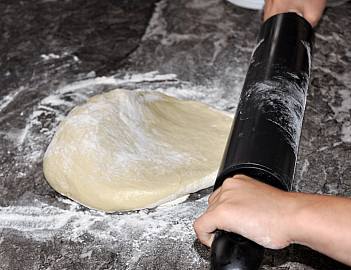
How to Shape Doughnuts
- Lightly flour your work surface.
- Place the dough on the floured surface.
- Roll the dough into a large rectangle about 1/2 inch thick.
- Use a doughnut cutter or two round cutters to cut doughnut shapes.
- Save the centers to make doughnut holes.
- Place the cut doughnuts on a lightly floured or parchment-lined baking sheet.
- Gather the scraps, gently reroll, and cut more doughnuts until the dough is used.
- Cover the cut doughnuts and let them rise for about 30 minutes before frying.
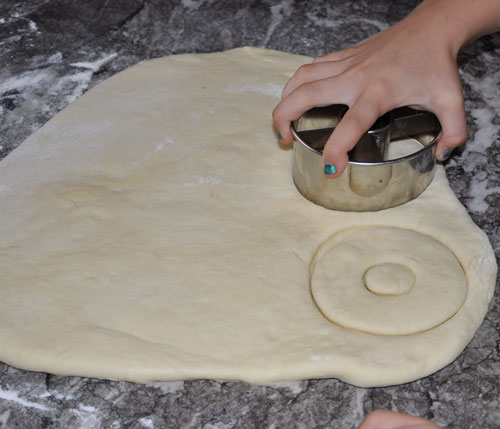
Kid Job
Children can roll the dough, press the cutter, move doughnut holes to the tray, and help count how many doughnuts were made. Remind kids to press straight down with the cutter instead of twisting, which can seal the edges and affect how the doughnuts rise.
Doughnut Frying Safety for Kids
Frying doughnuts is exciting, but hot oil can cause serious burns. Children should help with the dough preparation, glazing, and decorating, while an adult handles the frying. This lets kids enjoy making homemade doughnuts while keeping the activity safe.
Before Frying
Prepare the glaze, toppings, cooling rack, and paper towels before heating the oil. Having everything ready helps the frying process go smoothly and safely.
Adult Job
An adult should heat the oil, carefully lower the doughnuts into the fryer or pan, turn them while cooking, and remove them from the hot oil.
Kid Jobs
Kids can watch the doughnuts puff up, mix the glaze, measure toppings, decorate the cooled doughnuts, and help with cleanup after the oil has cooled.
Cooling
Allow the doughnuts to drain on paper towels and cool for several minutes before glazing or decorating. Warm doughnuts hold the glaze best, but they should not be too hot to handle.
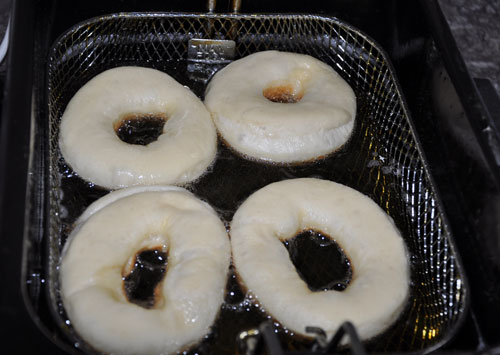
Frying the Doughnuts
- Heat vegetable oil in a deep fryer or heavy pot to 350F.
- Carefully lower a few doughnuts into the hot oil without overcrowding the pan.
- Fry for about 1-2 minutes per side, or until both sides are golden brown.
- Use a slotted spoon or spider strainer to remove the doughnuts from the oil.
- Place them on paper towels or a wire rack to drain any excess oil.
- Allow the doughnuts to cool slightly before dipping them into glaze or adding toppings.
Kitchen Science
As the doughnuts fry, the water inside the dough turns to steam while the yeast-created air pockets expand. This makes the doughnuts light, fluffy, and golden brown.
Working with Dough Cooking Camp
Want a complete printable dough lesson? This camp includes bread, rolls, pizza dough, pretzels, and more hands-on dough activities for kids.
Homemade Doughnut Glaze & Decorating Ideas
Once the doughnuts have cooled for a few minutes, it's time for everyone's favorite part-decorating! Kids can dip the warm doughnuts into a simple vanilla glaze or experiment with chocolate, maple, or colorful frostings. Finish each doughnut with fun toppings to create your own bakery-style treats.
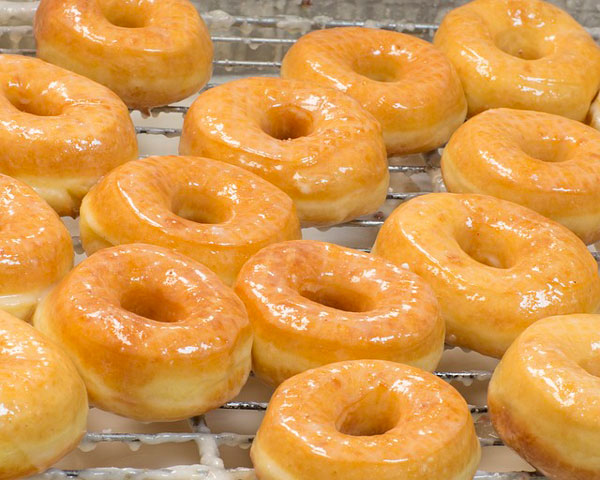
Simple Vanilla Glaze
Ingredients
- 2 cups powdered sugar
- 1/4 cup milk
- 1 teaspoon vanilla extract
Directions
- Whisk together the powdered sugar, milk, and vanilla until smooth.
- If the glaze is too thick, add a few drops of milk. If it is too thin, whisk in a little more powdered sugar.
- Dip each warm doughnut into the glaze, allowing the excess to drip off.
- Place the glazed doughnuts on a wire rack until the glaze sets.
Favorite Doughnut Toppings
Classic
- Rainbow sprinkles
- Chocolate sprinkles
- Cinnamon sugar
- Powdered sugar
Chocolate
- Chocolate frosting
- Mini chocolate chips
- Chocolate curls
- Crushed chocolate cookies
Crunchy
- Chopped peanuts
- Pecans
- Toasted coconut
- Crushed cereal
Colorful Fun
- Colored sugars
- Mini candies
- Holiday sprinkles
- Crushed freeze-dried fruit

Create Your Own Doughnut Shop
Set out several bowls of glazes and toppings so everyone can decorate their own doughnuts. This makes a fun birthday party activity, family baking afternoon, classroom celebration, or weekend brunch project.
Best Decorating Tip
Decorate while the glaze is still wet so sprinkles, nuts, coconut, and other toppings stick well. Once the glaze begins to set, toppings won't adhere as easily.
Jelly & Cream Filled Doughnuts
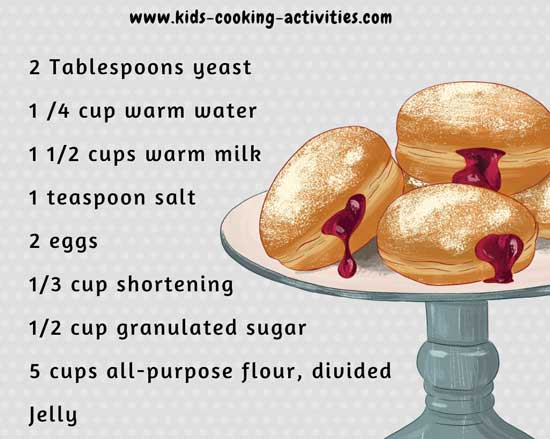
Filled doughnuts are easy to make once you've mastered basic yeast doughnuts. Instead of cutting out the center hole, leave the dough as whole circles before frying. After the doughnuts have cooled slightly, use a piping bag or pastry bag fitted with a filling tip to add your favorite filling.

Jelly Filled
Fill warm doughnuts with strawberry, raspberry, grape, apricot, or your favorite fruit jam for a classic bakery-style treat.
Cream Filled
Pipe vanilla pastry cream, whipped cream, or chocolate cream into the center of each doughnut for a rich dessert.
Chocolate Filled
Try chocolate pudding, chocolate pastry cream, hazelnut spread, or chocolate buttercream for a delicious surprise inside.
Seasonal Fillings
Experiment with lemon curd, pumpkin cream, maple cream, apple butter, or peppermint cream to match the season.
How to Fill Doughnuts
- Prepare and fry the doughnuts without cutting out the center holes.
- Allow them to cool until they are comfortable to handle.
- Fill a piping bag fitted with a long filling tip with your favorite filling.
- Insert the tip into the side of the doughnut.
- Gently squeeze until the doughnut feels full.
- Dust with powdered sugar or dip the tops in glaze before serving.
Kid Job
Children can help fill piping bags, dust finished doughnuts with powdered sugar, dip them into glaze, and decorate the tops while adults assist with the piping if needed.
Fun Flavor Ideas
Set up a "build-your-own doughnut bakery" with several fillings and toppings. Kids can create unique combinations like raspberry cheesecake, chocolate peanut butter, lemon cream, cookies and cream, or strawberry vanilla.
Try These Doughnut Variations
Once you've mastered this basic yeast doughnut recipe, experiment with different glazes, coatings, and fillings to create your own bakery favorites.
Chocolate Glazed
Dip warm doughnuts into rich chocolate glaze, then sprinkle with chocolate jimmies, mini chocolate chips, or crushed cookies.
Maple Doughnuts
Replace the vanilla in the glaze with maple extract and top with chopped pecans or crisp bacon pieces for a bakery-style treat.
Apple Cider
Add apple pie spice to the dough and coat the finished doughnuts in cinnamon sugar for a delicious fall-inspired variation.
Pumpkin Spice
Mix pumpkin pie spice into the dough or glaze and finish with chopped pecans or a drizzle of maple icing.
Cinnamon Sugar
Skip the glaze and roll warm doughnuts in a mixture of cinnamon and granulated sugar for a classic old-fashioned favorite.
Doughnut Holes
Don't waste the centers! Fry the doughnut holes, then coat them with powdered sugar, cinnamon sugar, chocolate glaze, or colorful sprinkles.
Kids' Challenge
Set up a doughnut decorating station with several glazes and toppings. Let everyone invent their own signature doughnut and give it a creative bakery name!
Cook with Books: If You Give a Dog a Donut
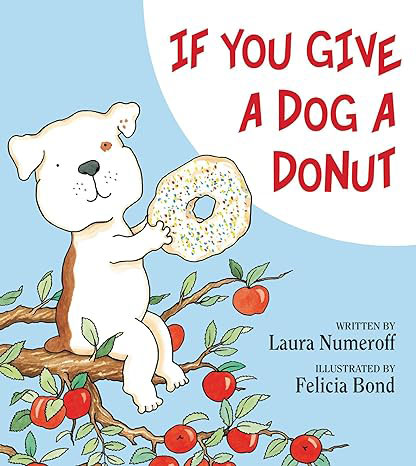
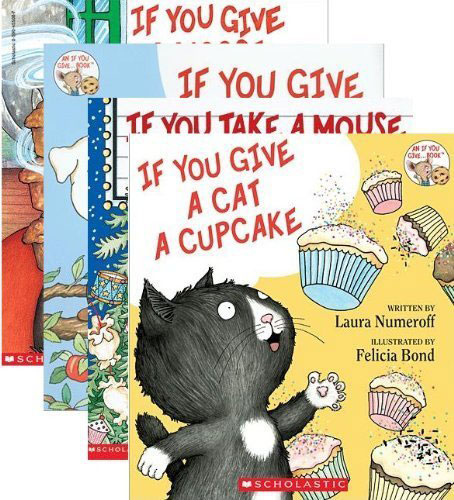
Turn doughnut making into a literacy activity by pairing this recipe with the delightful children's book If You Give a Dog a Donut by Laura Numeroff. Reading together before baking encourages listening skills, sequencing, prediction, and vocabulary while adding another layer of fun to your kitchen lesson. Find more cooking with books activities.
Extend the Learning
- Predict what the dog might ask for next before turning each page.
- Count how many doughnuts you cut from the dough.
- Practice measuring fractions while making the glaze.
- Decorate doughnuts to match characters or scenes from the story.
- Write your own "If You Give..." story after baking.
Cross-Curricular Connection
This activity combines reading, math, science, and cooking into one memorable lesson, making it perfect for homeschool, classrooms, libraries, or family literacy nights.
More Bread & Baking Projects Kids Will Enjoy
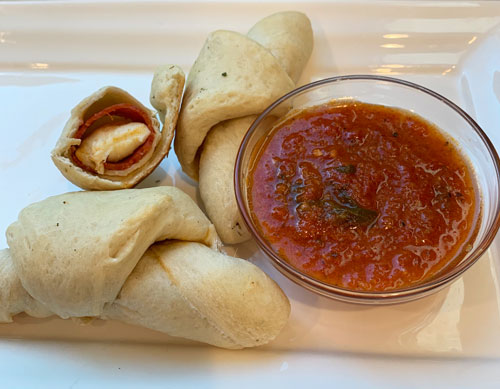
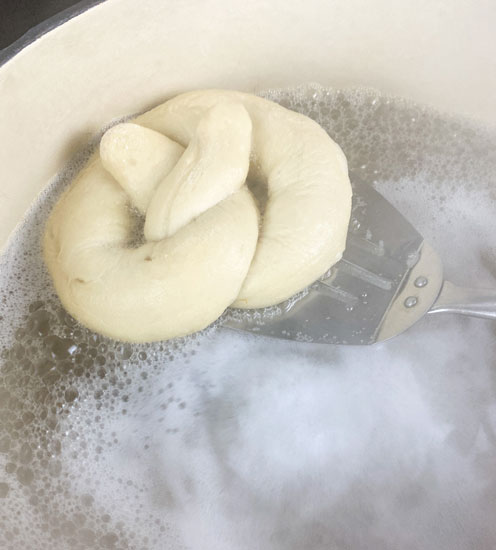
Ready to keep baking? Continue building your bread-making skills with more yeast dough recipes, homemade breads, cinnamon rolls, pizza dough, and fun baking projects for kids.
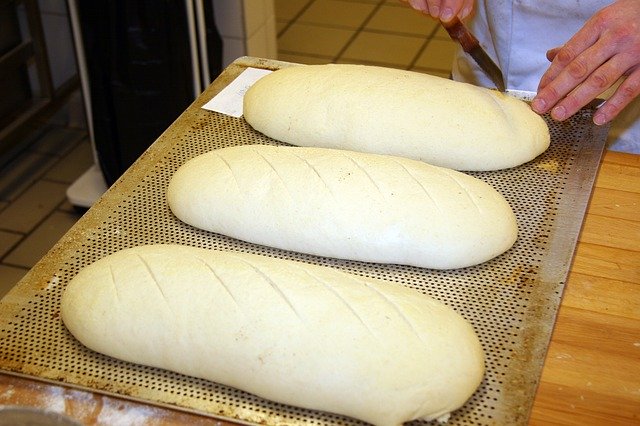
Learn to proof yeast, knead dough, shape loaves, make rolls, bread bowls, monkey bread, and much more.

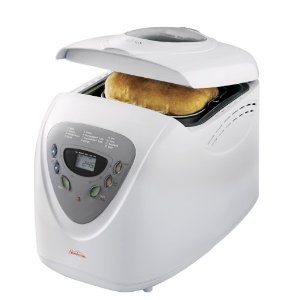
Let the bread machine do the mixing and kneading while you create breads, rolls, bagels, and pizza dough.

Turn homemade dough into a sweet pull-apart breakfast that's perfect for holidays and family gatherings.

Continue learning with muffins, cookies, cakes, pies, breads, brownies, and dozens of baking activities.




Frequently Asked Questions
Submit your favorite kids recipe
Do you have a favorite recipe your kids love to make? Or a recipe your kids ask you to make again and again? Share it with us!
Explore More Bread & Baking Recipes
Keep building your baking skills with more homemade breads, muffins, cookies, cakes, breakfast recipes, and fun kitchen activities for kids.
Get Free Kids Recipe Cards + Cooking Printables
Join Kids Cooking Activities for fun recipes, cooking ideas, and printable resources for kids, families, and classrooms.
Follow Kids Cooking Activities too:





© Debbie Madson, Madson Web Publishing, LLC — All rights reserved.
The material on this site is for educational purposes only.