
Senior Chef Lesson 3: Teaching Your Teen to Shop Wisely
For today’s Senior Chef lesson, take your teen on a special trip to the grocery store. Use this time to teach practical shopping skills that will help them save money, choose better foods, and shop more confidently on their own.
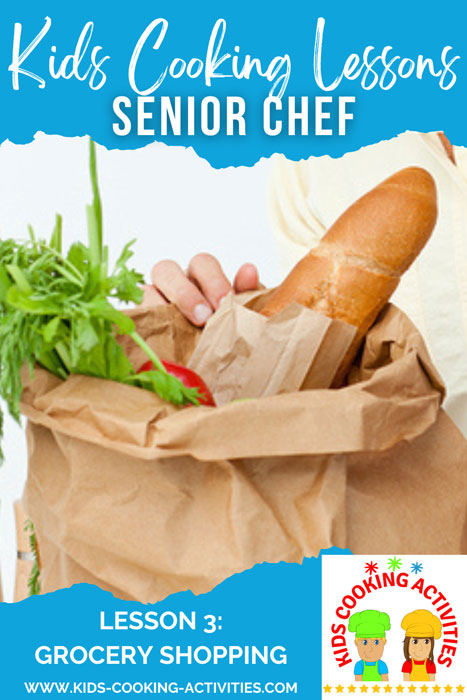
Good grocery shopping is an important life skill. Before long, your teen may be shopping for college, roommates, or their own household. This lesson helps them begin thinking beyond just what looks good and focus on value, health, and meal planning.
Kids Cooking Activities Teaching Materials
Teaching kids to cook? Save time with ready-made lesson plans used by parents and teachers. Browse teaching materials →


This page may contain affiliate links. We may earn a small commission at no extra cost to you. Learn more.
Lesson Focus
- Learn how to plan ahead before shopping
- Compare prices and product choices
- Make healthier and more practical food decisions
- Build confidence with real-life grocery shopping
Why Smart Grocery Shopping Matters
Show your Senior Chef what kinds of meat, produce, grains, and staple foods are best to buy, and talk about what to stock in your kitchen. Soon your teen may be the main shopper for themselves, so this is the perfect time to pass on practical shopping tips.
Shopping wisely is not only about spending less. It is also about buying foods that help build balanced meals, planning ahead, and learning how to make good choices in everyday life.
15 Grocery Shopping Tips to Save Money and Shop Smarter
- Eat first. Do not shop when you are hungry. You are more likely to come home with more food and spend more money than needed.
- Use a grocery list. Write out a grocery list before you go to the store and try to stick to it.
- Menu plan before you shop. Decide what meals you are making before going to the store so you know exactly what to buy.
- Shop sales and grocery flyers. Plan your meals around what is on sale that week.
- Store brands are often fine. Compare the ingredients and prices of name brands and store brands. Many store brands are very similar and cost less.
- Look high and low on the shelves. Expensive products are often placed at eye level. Better prices may be above or below.
- Watch the scanner. Make sure items ring up at the correct price when checking out.
- Read labels. Compare nutrition facts, ingredients, and serving sizes so you can make healthier choices.
- Compare prices by portion. Check the price per serving or unit price when possible. If it is not listed, calculate it yourself.
- Use coupons wisely. Coupons and rebates can help if they are for foods you already use regularly.
- Avoid too many prepared foods. Ask yourself if you could make the item at home for less money and often with better ingredients.
- Buy in bulk when it makes sense. Foods you use often may cost less in bulk, especially if you have enough storage space and will use them before they go bad.
- Buy fruits and vegetables in season. Seasonal produce is often fresher and less expensive. Farmers markets can also be a great option.
- Use fresh vegetables well. Cutting up and freezing extra vegetables can help reduce waste and save money later.
- Buy dried beans instead of canned. They take more time to prepare, but they cost less and are often a healthier option.
Skills Practiced in This Lesson
- Menu planning
- Comparing prices
- Reading labels
- Choosing healthy staple foods
- Saving money on groceries
More Smart Shopping Ideas
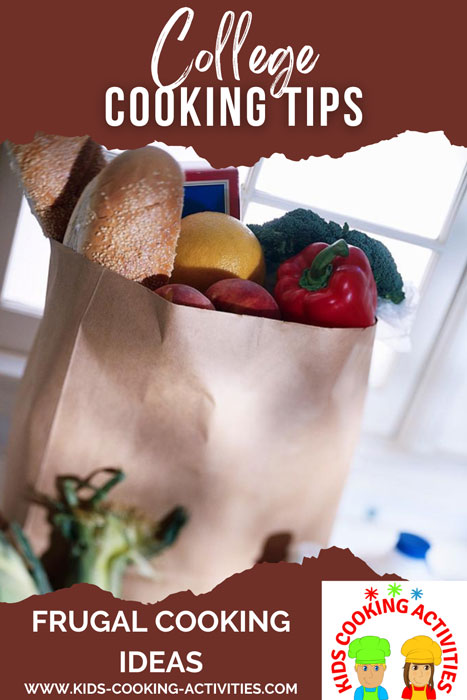
Cooking Tips for College Students
Learn more frugal shopping ideas and simple meal tips for life on your own.
Meal Planning Ideas
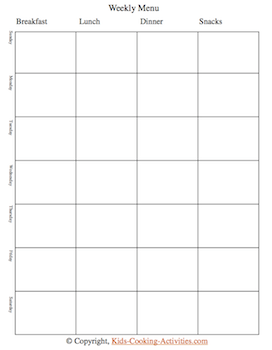
Connect grocery shopping with menu planning so you buy what you really need.
Students benefit from more than just easy recipes. Cooking also supports budgeting, planning, self-care, and independence. Explore more ideas for teaching life skills.
Grocery Shopping Tips Video
Start here → Assistant Chef → Build skills → Chef in Training → Advance → Junior Chef → Intermediate → Senior Chef → Master → Basic Cooking Lessons
FAQ: Grocery Shopping and Budget Skills
Get Free Kids Recipe Cards + Cooking Printables
Join Kids Cooking Activities for fun recipes, cooking ideas, and printable resources for kids, families, and classrooms.
Follow Kids Cooking Activities too:





© Debbie Madson, Madson Web Publishing, LLC — All rights reserved.
The material on this site is for educational purposes only.