

- Home ›
- Kitchen Skills ›
- Easy Kids Meals ›
- What to Stock in Your Kitchen
What to Stock in Your Kitchen: Pantry, Refrigerator & Freezer Staples
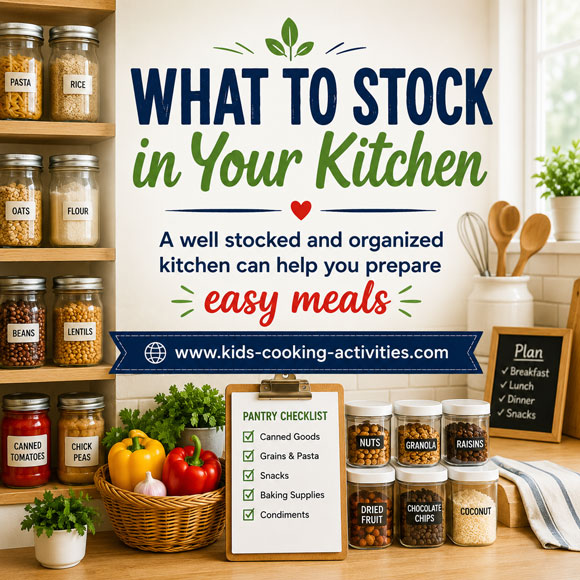
Knowing what to stock in your kitchen makes everyday cooking easier. When you keep basic pantry staples, refrigerator foods, freezer ingredients, spices, baking supplies, and fresh foods on hand, you can make quick breakfasts, easy lunches, simple snacks, and family dinners without running to the store for every recipe.
This kitchen stocking guide is designed for families, beginner cooks, and kids learning their way around the kitchen. Use it as a flexible checklist, not a strict shopping list. Every family eats differently, so choose the ingredients you use most often and skip the items that do not fit your meals, budget, or dietary needs.
A well-stocked kitchen does not need to be expensive or complicated. A thoughtfully stocked kitchen saves time, reduces food waste, stretches your grocery budget, and helps families enjoy more homemade meals together.
Kids Cooking Activities Teaching Materials
Teaching kids to cook? Save time with ready-made lesson plans used by parents and teachers. Browse teaching materials →


This page may contain affiliate links. We may earn a small commission at no extra cost to you. Learn more.
Start Here: Build a Kitchen That Makes Cooking Easier
- Stocking a kitchen for the first time? Begin with Quick Start Kitchen Staples, Pantry Staples, and Refrigerator Basics.
- Planning easy family meals? Use Freezer Staples, Fresh Foods, and Spices & Baking Supplies to turn simple ingredients into quick meals.
- Teaching kids to cook? Try the Kid Helper Jobs so children can help check supplies, organize shelves, and learn how ingredients become meals.
- Trying to save money? Review Frugal Kitchen Staples and Meal Planning Resources to stretch groceries and reduce extra shopping trips.
On This Page
Quick Start Kitchen Staples
Need the shortest list? Start with pasta, rice, canned beans, canned tomatoes, broth, peanut butter, oatmeal, eggs, cheese, yogurt, tortillas, frozen vegetables, fruit, bread, and a few spices your family uses often.
With those basics, you can make simple meals such as pasta with sauce, rice and beans, quesadillas, soup, oatmeal, scrambled eggs, sandwiches, smoothies, baked potatoes, and quick freezer vegetable side dishes.
Kid Helper Jobs for Stocking the Kitchen
Stocking the kitchen can become a simple cooking lesson. Kids can help look through cabinets, sort ingredients, check what is missing, and learn where different foods belong. These small jobs teach organization, meal planning, reading labels, counting, sorting, and responsibility in the kitchen.
Choose jobs based on age and ability. Younger children can sort and count, school-age kids can help read labels and write grocery lists, and older kids or teens can plan simple meals using ingredients already in the pantry, refrigerator, or freezer.
Make It a Kitchen Scavenger Hunt
Give kids a short list of ingredients to find, such as pasta, rice, beans, tomatoes, oats, peanut butter, or cinnamon. After they find each item, talk about what meals or snacks you could make with it. This turns pantry organization into a quick cooking lesson.
Essential Pantry Staples Every Kitchen Should Have
Your pantry is the heart of a well-stocked kitchen. Keeping a variety of shelf-stable foods on hand makes it easy to prepare quick breakfasts, pack lunches, cook family dinners, and bake treats without making frequent trips to the grocery store. Start with ingredients your family uses regularly, then add new staples as you try different recipes.
Rather than filling your shelves with specialty ingredients, focus on versatile foods that can be used in many meals. Pantry staples like rice, pasta, canned tomatoes, beans, broth, oats, and peanut butter can become soups, casseroles, pasta dishes, tacos, sandwiches, breakfasts, and homemade snacks.
Canned & Jarred Foods
These convenient ingredients make quick meals and side dishes easy.
- Canned tomatoes
- Tomato sauce
- Tomato paste
- Chicken, beef, or vegetable broth
- Canned vegetables
- Black, kidney, pinto, garbanzo, or refried beans
- Canned fruit
- Applesauce
- Canned tuna or chicken
- Pasta sauce
- Cream soups
- Olives and pickles
Dry Goods
These pantry basics become the foundation for hundreds of recipes.
- Pasta in several shapes
- Rice
- Old-fashioned or quick oats
- Whole grain cereal
- Pancake mix
- Muffin or biscuit mix
- Cake mixes
- Dry soup mixes
- Stuffing mix
- Pudding and gelatin mixes
- Peanut butter or other spreads
- Crackers
Snacks & Everyday Extras
Keep a few family favorites available for lunches, snacks, and baking.
- Popcorn kernels or microwave popcorn
- Pretzels
- Whole grain crackers
- Granola bars
- Dried fruit
- Nuts and seeds
- Chocolate chips
- Maple syrup
- Honey
- Juice boxes or shelf-stable juices
- Hot cocoa mix
- Unopened condiments
Choose Ingredients That Do More Than One Job
The best pantry staples are ingredients you'll use often. Rice works in stir-fries, soups, casseroles, burrito bowls, and side dishes. Oats become breakfast, muffins, cookies, and granola. Canned tomatoes can be turned into pasta sauce, chili, soup, pizza sauce, or casseroles. The more ways you can use an ingredient, the more valuable it becomes.
Pantry Organization Tip
Store similar foods together to make meal planning easier. Keep baking supplies on one shelf, canned goods on another, breakfast foods together, and snacks in easy-to-reach bins. Place older items toward the front and newer purchases behind them so foods are used before they expire.
Taking a few minutes to organize your pantry can save time while cooking, reduce duplicate purchases, and help kids learn where ingredients belong.
Refrigerator Essentials for Everyday Cooking
While your pantry provides the foundation for most meals, your refrigerator holds the fresh ingredients that complete them. Keeping a variety of dairy products, proteins, fruits, vegetables, and condiments on hand makes it easy to prepare balanced breakfasts, pack lunches, assemble quick dinners, and create healthy snacks throughout the week.
Choose refrigerator staples your family uses regularly instead of filling your refrigerator with foods that may spoil before they're eaten. Buying only what you'll use and checking your refrigerator before shopping helps reduce food waste and saves money. Check your refrigerator before grocery shopping so older ingredients are used first and duplicate purchases are avoided.
Dairy & Everyday Basics
These ingredients are used in everything from breakfast to baking.
- Milk
- Eggs
- Butter
- Yogurt
- Cottage cheese
- Cream cheese
- Sour cream
- Whipping cream (optional)
Meal Builders
Keep these ingredients available for quick lunches and family dinners.
- Cheddar, mozzarella, or other favorite cheeses
- Deli meats
- Cooked chicken
- Bacon or sausage
- Fresh salsa
- Hummus
- Jelly or jam
- Fresh tortillas (if refrigerated)
Condiments & Flavor Boosters
These everyday favorites add flavor to simple meals.
- Ketchup
- Mustard
- Mayonnaise
- Barbecue sauce
- Soy sauce
- Worcestershire sauce
- Salad dressings
- Lemon or lime juice
- Hot sauce
- Pickles
Keep Fresh Foods Visible
Store fruits, vegetables, yogurt, and other healthy snacks where they're easy to see and reach. When nutritious foods are visible, they're more likely to be eaten before they spoil. Place leftovers near the front of the refrigerator as a reminder to use them for lunches or quick dinners.
Fresh Foods Worth Keeping on Hand
A few fresh ingredients can turn simple pantry staples into complete meals. Depending on your family's preferences, try keeping these refrigerator favorites available throughout the week:
- Carrots
- Celery
- Bell peppers
- Leafy greens
- Tomatoes
- Apples
- Grapes
- Berries when in season
- Lemons or limes
- Fresh herbs such as parsley, cilantro, or basil
Refrigerator Organization Tip
Group similar foods together to make meal preparation easier. Keep dairy products together, organize condiments on the door, store fruits and vegetables in the crisper drawers, and designate one shelf for leftovers. A quick refrigerator check before grocery shopping helps prevent duplicate purchases and keeps food from going to waste.
When children know where foods belong, they can help unload groceries, pack lunches, and prepare simple snacks with greater confidence.
Freezer Staples for Quick Family Meals
A well-stocked freezer makes busy weeknights much easier. Frozen foods last longer than fresh ingredients, help reduce food waste, and allow you to take advantage of grocery sales. By keeping a variety of meats, vegetables, fruits, breads, and homemade meals on hand, you'll always have the building blocks for quick breakfasts, lunches, dinners, and snacks.
Many foods freeze surprisingly well. Divide large packages into meal-size portions before freezing, label everything with the date, and use the oldest items first. This keeps your freezer organized while helping your grocery budget go further. Learn more about freezer meals and tips.
Breads & Doughs
These freezer staples make quick meals and baked goods easy to prepare.
- Loaves of bread
- Dinner rolls
- Tortillas
- Pizza dough
- Biscuit dough
- Pie crusts
- Homemade bread dough
- Breadcrumbs
Meal Ingredients
Stock your freezer with ingredients that work in dozens of family meals.
- Chicken breasts
- Ground beef
- Ground turkey
- Cooked shredded chicken
- Browned taco meat
- Frozen vegetables
- Frozen fruit
- Homemade broth or stock
Cooking & Baking Extras
These ingredients stay fresh longer when frozen.
- Butter
- Shredded cheese
- Chocolate chips
- Nuts
- Yeast
- Cookie dough
- Frozen juice concentrate
- Whipped topping
Freeze in Meal-Size Portions
Separate large packages of meat into the amount your family typically uses for one meal before freezing. Smaller portions thaw faster, reduce waste, and make weeknight meal preparation much easier.
Freezer-Friendly Foods You'll Use Often
Many homemade foods freeze beautifully. Whenever you prepare soup, chili, spaghetti sauce, taco meat, casseroles, or shredded chicken, consider making a double batch. Enjoy one meal now and freeze the second for another busy day.
- Soup and chili
- Spaghetti sauce
- Casseroles
- Cooked rice
- Cooked beans
- Pancakes and waffles
- Muffins
- Cookie dough
- Mashed potatoes
- Breakfast burritos
Freezer Organization Tip
Keep similar foods together by creating sections for meats, vegetables, fruits, breads, and prepared meals. Label every package with the contents and freezing date, then place newer foods behind older ones. A simple freezer inventory taped to the door can also help you plan meals and avoid buying foods you already have.
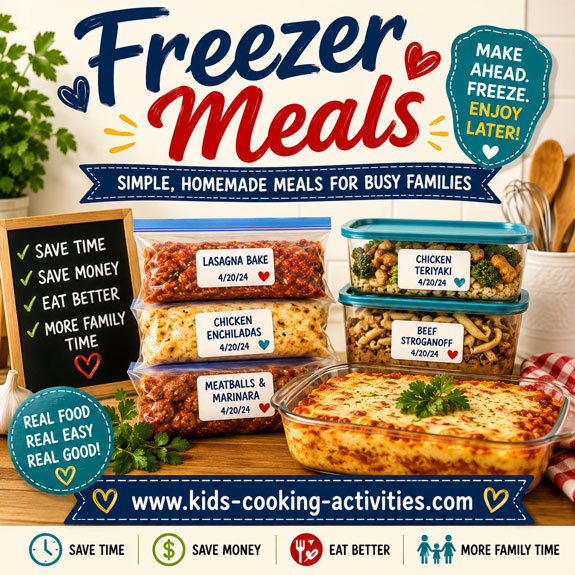
Looking for more make-ahead ideas? Visit our Freezer Meals page for recipes, storage tips, and family-friendly meal planning ideas.
Meal planning help: If you want a ready-made way to plan meals and grocery lists, this resource can help families organize weekly meals, pantry staples, and shopping lists.
Herbs, Spices & Baking Essentials
A small collection of herbs, spices, and baking ingredients can transform simple pantry staples into hundreds of delicious meals. You don't need dozens of specialty seasonings - just keep the ones your family uses most often and add new flavors as you try different recipes.
Many herbs and spices have a long shelf life when stored in a cool, dry cupboard away from heat and sunlight. Fresh baking ingredients also help ensure your breads, cookies, cakes, and quick breads turn out their best.
Everyday Herbs & Spices
These seasonings work well in soups, casseroles, meats, vegetables, pasta dishes, and homemade sauces.
- Salt
- Black pepper
- Garlic powder
- Onion powder
- Paprika
- Italian seasoning
- Basil
- Oregano
- Parsley
- Thyme
- Dill
- Bay leaves
Baking Essentials
Keep these ingredients available for cookies, muffins, pancakes, breads, and desserts.
- All-purpose flour
- Granulated sugar
- Brown sugar
- Powdered sugar
- Baking powder
- Baking soda
- Cornstarch
- Cornmeal
- Cocoa powder
- Vanilla extract
- Yeast
- Cream of tartar
Flavor Builders
These pantry essentials add flavor and help bring recipes together.
- Olive oil
- Vegetable or canola oil
- Cooking spray
- White vinegar
- Apple cider vinegar
- Honey
- Maple syrup
- Taco seasoning
- Bouillon cubes or base
- Soy sauce
- Worcestershire sauce
- Dry soup or dressing mixes
Build Your Spice Collection Gradually
Instead of purchasing every spice at once, begin with the seasonings you use most often. Add one or two new herbs or spice blends as you try different recipes. A small collection of fresh, frequently used spices is much more useful than a cabinet full of jars you'll rarely open.
Fresh Herbs Add Big Flavor
If you enjoy gardening, try growing a few fresh herbs such as basil, parsley, chives, cilantro, oregano, or rosemary. Fresh herbs are easy to grow in containers or small garden beds and add wonderful flavor to homemade soups, salads, pasta dishes, vegetables, and grilled meats.
Want to learn more? Visit our Cooking with Herbs & Spices guide for seasoning tips, herb uses, and flavor combinations.
Frugal Kitchen Staples That Stretch Your Grocery Budget
A frugal kitchen isn't about buying the cheapest foods—it's about choosing ingredients that can be used in many different meals. Keeping versatile staples on hand means you'll spend less on last-minute grocery trips, rely less on convenience foods, and waste fewer ingredients.
Many budget-friendly foods have a long shelf life and can be combined in countless ways. With just a handful of pantry staples and a few fresh ingredients, you can prepare soups, casseroles, tacos, pasta dishes, breakfasts, sandwiches, and homemade snacks throughout the week.
Best Budget Grains
These inexpensive staples become the base for dozens of meals.
- Rice
- Pasta
- Oatmeal
- Flour
- Cornmeal
- Popcorn
- Barley
- Egg noodles
Affordable Protein Foods
Protein doesn't have to be expensive when you choose versatile ingredients.
- Dry beans
- Lentils
- Split peas
- Eggs
- Peanut butter- learn how to make homemade peanut butter
- Canned tuna
- Canned chicken
- Frozen chicken purchased on sale
Everyday Money Savers
These foods help complete meals while keeping grocery costs down.
- Potatoes
- Onions
- Carrots
- Canned tomatoes
- Chicken broth
- Frozen vegetables
- Seasonings
- Homemade bread
Think in Cost Per Meal
Instead of looking only at the price on the package, think about how many meals it will make. A bag of rice, dry beans, or oatmeal may cost only a few dollars but can provide meals for weeks. Ingredients that can be used in many different recipes usually offer the best value.
Simple Ways to Make Pantry Staples Go Further
A frugal pantry doesn't need dozens of ingredients. Keeping a small collection of versatile staples that your family uses every week is often more valuable than shelves full of specialty foods. Replace ingredients as you use them and gradually build a pantry that matches your family's favorite meals.
- Plan meals around ingredients you already have.
- Cook larger batches and enjoy leftovers later in the week.
- Freeze extra portions before they spoil.
- Buy store brands when quality is comparable.
- Compare unit prices instead of package prices.
- Use fresh produce before opening canned or frozen alternatives.
- Keep a running grocery list so you replace only what you need.
Save More by Cooking from Scratch
Making homemade soups, breads, sauces, pancake mix, muffins, and simple desserts often costs less than purchasing prepared convenience foods. Cooking from scratch also gives you more control over ingredients while helping children develop valuable kitchen skills.
Looking for more ways to reduce food costs? Visit our Tips on Frugal Living page for grocery shopping strategies, leftover ideas, homemade household products, and other money-saving tips.
Buying & Storing Meat and Other Proteins
Protein is often one of the largest expenses on a grocery bill, so buying it wisely can make a noticeable difference. Watch for sales, purchase family packs when the price is good, and divide larger packages into meal-size portions before freezing. This helps reduce waste while making meal preparation quicker on busy days.
Remember that meat is only one source of protein. Eggs, beans, lentils, peanut butter, canned fish, yogurt, and cheese are all nutritious options that can help stretch your grocery budget while adding variety to your meals.
Proteins Worth Buying on Sale
- Chicken breasts or thighs
- Ground beef
- Ground turkey
- Pork chops
- Roasts
- Fish fillets
- Breakfast sausage
- Bacon
Budget-Friendly Protein Choices
- Eggs
- Dry beans
- Lentils
- Peanut butter
- Canned tuna
- Canned chicken
- Greek yogurt
- Cottage cheese
Freezer Prep Ideas
- Divide meat into meal-size packages.
- Label packages with the contents and date.
- Freeze cooked taco meat.
- Freeze shredded chicken.
- Freeze homemade meatballs.
- Freeze cooked sausage for breakfast recipes.
- Freeze soup stock or broth.
- Rotate older packages to the front.
Cook Once, Eat Twice
Whenever you roast a chicken, brown ground beef, or cook a pork roast, prepare a little extra. Leftover cooked meat can become tacos, soups, casseroles, sandwiches, pasta dishes, salads, pizza toppings, or burrito bowls later in the week.
Stretch Meat Further
You don't always need to serve large portions of meat to prepare a satisfying meal. Combine smaller amounts with rice, pasta, beans, vegetables, potatoes, or whole grains to create filling family dinners while keeping grocery costs under control. See some of our meatless meal recipes.
Meal Planning Tip
Choose one or two proteins for the week and use them in several different recipes. For example, a package of chicken can become grilled chicken one night, chicken quesadillas another day, and chicken soup later in the week. Planning meals this way reduces waste and makes grocery shopping more efficient.
Kitchen & Meal Planning Resources
Once your kitchen is stocked with everyday essentials, the next step is putting those ingredients to good use. Meal planning, grocery lists, and simple recipe collections can help you save time, reduce food waste, and make family meals less stressful throughout the week.
Whether you're teaching kids to cook, planning school lunches, organizing freezer meals, or simply trying to answer "What's for dinner?", these resources can help you stay organized and make the most of the foods you already have on hand.
Keep Meal Planning Simple
You don't need a different recipe every night. Many families rotate 15 to 20 favorite meals, changing side dishes, vegetables, and seasonings to create variety while keeping grocery shopping simple.
Printable Meal Planning Resources
If you'd like printable meal planners, grocery lists, pantry inventory pages, and kitchen organization worksheets, these resources make it easy to organize family meals and keep your kitchen running smoothly.
Continue Learning Kitchen Skills
Now that your kitchen is stocked with everyday essentials, continue building your cooking knowledge with these family-friendly resources. You'll find meal planning ideas, freezer cooking tips, beginner cooking skills, and recipes that help you make the most of the ingredients already in your pantry.
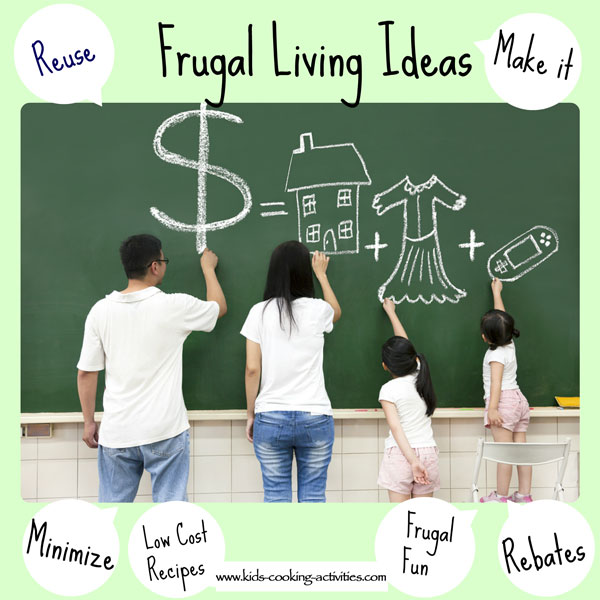
Save money with simple meals, grocery shopping strategies, and budget-friendly cooking tips that are perfect for college students or anyone cooking on a budget.
Teach teens how to compare prices, read labels, plan menus, shop wisely, and save money during every grocery trip.


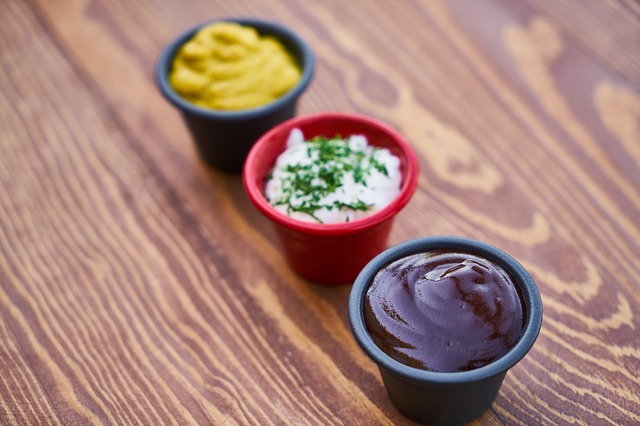
Learn how herbs and seasonings add flavor to soups, casseroles, vegetables, meats, and homemade sauces.

Remember: Your Kitchen Will Grow Over Time
No kitchen starts fully stocked. Build your pantry, refrigerator, and freezer one grocery trip at a time. As you discover recipes your family enjoys, you'll naturally create a collection of ingredients that makes everyday cooking faster, easier, and more affordable.
Frequently Asked Questions About Stocking Your Kitchen
What should every kitchen be stocked with?
Every kitchen should include a combination of pantry staples, refrigerator essentials, freezer foods, herbs and spices, and baking ingredients. Begin with versatile foods like rice, pasta, canned tomatoes, beans, eggs, milk, cheese, frozen vegetables, flour, sugar, cooking oil, and a few favorite seasonings. These basics can be combined to prepare hundreds of everyday meals.
How do I stock my kitchen for the first time?
Start with foods your family uses most often instead of trying to buy everything at once. Add a few pantry staples during each grocery trip, then gradually build your refrigerator and freezer supplies. Over time you'll create a kitchen that's ready for everyday cooking without stretching your budget.
What pantry staples have the longest shelf life?
Rice, pasta, dried beans, oats, flour, sugar, canned vegetables, canned tomatoes, peanut butter, cooking oil, and many dried herbs and spices store well when kept in a cool, dry place. Rotate older products to the front of your pantry and replace them as they're used.
How can I save money while stocking my kitchen?
Purchase ingredients that can be used in multiple recipes, compare unit prices, buy store brands when appropriate, shop sales, and freeze extra food before it spoils. Planning meals around foods you already have is another excellent way to reduce grocery costs.
What foods should I always keep in my freezer?
Frozen vegetables, fruit, chicken, ground beef or turkey, butter, shredded cheese, bread, tortillas, homemade broth, and prepared meals are all excellent freezer staples. Freezing foods in meal-size portions makes them easy to thaw and use when needed.
How often should I organize my pantry?
A quick pantry check once each month helps keep everything organized. Rotate older items to the front, discard expired foods, wipe shelves as needed, and update your grocery list before your next shopping trip.
How can kids help stock and organize the kitchen?
Kids can sort groceries, organize pantry shelves, check ingredients against a shopping list, rotate canned goods, label freezer packages, and help plan simple meals. These activities teach organization, responsibility, and valuable kitchen skills.
Do I need a large pantry to stay organized?
No. Even a small pantry can work well when similar foods are grouped together, dry goods are stored in airtight containers, shelves are labeled, and frequently used ingredients are easy to reach. Good organization is more important than pantry size.
What are the most versatile foods to keep on hand?
Rice, pasta, eggs, potatoes, canned tomatoes, beans, oats, tortillas, cheese, frozen vegetables, onions, and basic seasonings are some of the most versatile kitchen staples. They can be combined to make breakfasts, lunches, dinners, soups, casseroles, side dishes, and snacks.
Why is keeping a well-stocked kitchen important?
A well-stocked kitchen makes meal planning easier, reduces last-minute grocery trips, helps minimize food waste, saves money over time, and gives families the flexibility to prepare nutritious homemade meals whenever they need them.
More Easy Kids Meals and Family Meal Ideas
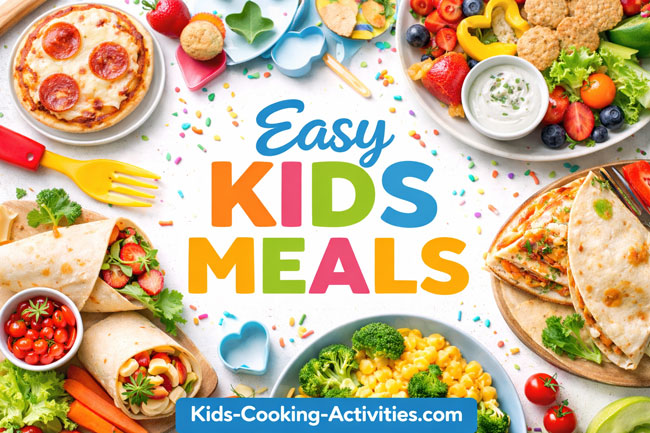
Find more simple meals kids can help make, including breakfast, lunch, dinner, no-bake recipes, snacks, and quick recipes with fewer ingredients.
Start Here
Easy Kids Meals Hub Easy Meal Ideas Easy Recipes Kids Can Make Kids Cooking Recipes DirectoryMeals by Time of Day
Easy Breakfast Meals Kids Lunches 25 Easy Dinner Ideas Family Dinner IdeasQuick Meal Shortcuts
Breakfast with 6 Ingredients or Fewer Main Dishes with 6 Ingredients or Fewer Side Dishes with 6 Ingredients or Fewer Desserts with 6 Ingredients or Fewer Easy No-Bake Recipes No-Cook Dinner Recipes Microwave Meals One-Pot Meals Sheet Pan Recipes Freezer MealsHealthy and Picky Eater Help
Healthy Kids Meals Kids Healthy Snacks Healthy Portion Sizes Hidden Vegetable Recipes Picky Eater Tips How to Menu PlanContinue Building Your Kitchen Skills
Now that you know what to stock in your kitchen, continue learning the skills that make meal preparation easier. Explore kitchen safety, measuring, mixing, meal planning, beginner recipes, and other cooking techniques to help kids and families become more confident in the kitchen.
Get Free Kids Recipe Cards + Cooking Printables
Join Kids Cooking Activities for fun recipes, cooking ideas, and printable resources for kids, families, and classrooms.
Follow Kids Cooking Activities too:





© Debbie Madson, Madson Web Publishing, LLC — All rights reserved.
The material on this site is for educational purposes only.