

How to Make Tomato Sauce
Learn how to make rich homemade tomato sauce using fresh or canned tomatoes. This beginner cooking lesson explains how to build flavor with onions, garlic, herbs, and slow simmering, then shows how to use the finished sauce for pasta, pizza, soups, casseroles, and more.
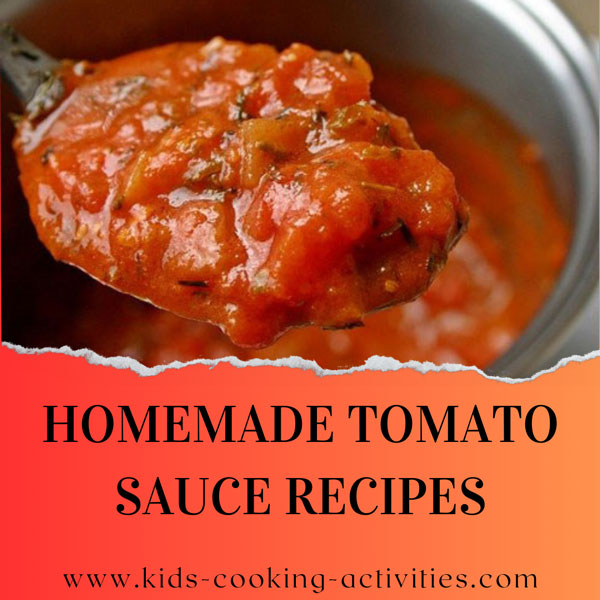
Tomato sauce is one of the most useful recipes a beginning cook can learn. A basic sauce can be served over pasta, spread on pizza, spooned over meatballs, stirred into soup, or used as the base for many family meals.
Fresh garden tomatoes make a flavorful seasonal sauce, but canned crushed tomatoes are a dependable choice throughout the year. The most important skills are learning how to balance acidity, build flavor with herbs and vegetables, and simmer the sauce until it reaches the right consistency.
This lesson includes a large-batch fresh tomato sauce, two easy slow-cooker versions, a child-created tomato and carrot sauce, storage tips, and troubleshooting help for sauces that are too thin, too acidic, or lacking flavor.
Start Here: Learn to Make Tomato Sauce
- Using garden tomatoes? Begin with the Large-Batch Fresh Tomato Sauce.
- Want the easiest method? Try the Slow-Cooker Tomato Sauce.
- Prefer a thicker Italian-style sauce? Make the Italian Tomato Sauce.
- Cooking with kids? Read the story behind Spagateni, a tomato sauce created by a six-year-old cook.
- Need help fixing your sauce? Jump to Tomato Sauce Troubleshooting.
Kids Cooking Activities Teaching Materials
Teaching kids to cook? Save time with ready-made lesson plans used by parents and teachers. Browse teaching materials →


This page may contain affiliate links. We may earn a small commission at no extra cost to you. Learn more.
On This Page
What Makes a Good Tomato Sauce?
A flavorful tomato sauce begins with tomatoes, but the supporting ingredients are what make it taste complete. Onion and garlic build the base, herbs add aroma, oil carries flavor, and slow simmering brings everything together.
| Ingredient or Technique | What It Adds |
|---|---|
| Tomatoes | Body, color, acidity, and the main flavor of the sauce. |
| Onion and Garlic | Sweetness and savory depth. |
| Basil, Oregano, and Parsley | Classic Italian-inspired flavor. |
| Olive Oil | Richness and a smoother texture. |
| Slow Simmering | Reduces excess liquid and concentrates flavor. |
| Salt and Optional Sweetener | Balances acidity and brings the other flavors forward. |
Tomato Sauce Is a Mother Sauce
Tomato sauce is one of the five classical mother sauces. Once you understand how to simmer tomatoes with aromatics and seasonings, you can create marinara, spaghetti sauce, pizza sauce, meat sauce, tomato soup, and many other recipes.
Fresh or Canned Tomatoes?
Both fresh and canned tomatoes can make excellent sauce. The best choice depends on the season, the time you have available, and the texture you prefer.
| Fresh Tomatoes | Canned Tomatoes |
|---|---|
| Best when tomatoes are ripe and in season | Reliable flavor throughout the year |
| May require more washing, coring, and blending | Ready to use immediately |
| Often contain more water and need longer simmering | Usually create a thicker sauce more quickly |
| Useful for large garden harvests | Convenient for smaller everyday batches |
Kid Chef Tips
- Choose tomatoes that are ripe, firm, and free from mold or bruised spots.
- Wash fresh tomatoes thoroughly before cutting them.
- Crushed tomatoes create a smoother sauce, while diced tomatoes create more texture.
- Taste canned tomatoes before adding extra salt because some brands are already seasoned.
Large-Batch Fresh Tomato Sauce
This large-batch tomato sauce is a good way to use ripe garden tomatoes. The tomatoes, onions, garlic, and herbs are blended before cooking, which creates a smoother sauce without peeling every tomato first.
Because fresh tomatoes contain a lot of water, the sauce needs time to simmer and reduce. The longer it cooks, the thicker and more concentrated the flavor becomes.



Makes approximately 6 to 8 pints, depending on how long the sauce reduces.
Ingredients
- 10 pounds fresh tomatoes
- 3 tablespoons olive oil or other cooking oil
- 3 medium onions, quartered
- 3 garlic cloves
- 1 large bunch fresh oregano or 1 1/2 teaspoons dried oregano
- 2 whole bay leaves
- 1 tablespoon celery salt
- 1 tablespoon sugar, optional
- 1 teaspoon black pepper
- 2 large bunches fresh parsley or 1 tablespoon dried parsley
Directions
- Wash the tomatoes thoroughly, remove the cores, and cut the tomatoes into quarters.
- Working in batches, blend the tomatoes until smooth.
- Pour the blended tomatoes into a large stockpot.
- Blend the onions, garlic, oregano, and parsley until finely chopped or smooth.
- Add the blended herb mixture and the two whole bay leaves to the tomatoes.
- Stir in the oil, celery salt, sugar, and black pepper.
- Bring the sauce to a gentle simmer over medium heat.
- Reduce the heat to medium-low and simmer uncovered for several hours, stirring occasionally, until the sauce reduces by about half or reaches your preferred thickness.
- Taste and adjust the salt, pepper, herbs, or sweetness as needed.
- Remove and discard both bay leaves before serving, blending, or storing the sauce.
- Cool the sauce before transferring it to freezer-safe containers.
- Never blend hot sauce in a tightly sealed blender. Let it cool first and work in small batches.
Kid Chef Tips
- Use a very large pot so the sauce has room to bubble safely.
- Blend the tomatoes in small batches instead of filling the blender too full.
- Stir the sauce from the bottom so it does not scorch.
- Remember that the flavor becomes stronger as the sauce reduces.
Ways to Use This Sauce
- Serve over pasta.
- Spread on homemade pizza.
- Use as a base for meat sauce.
- Stir into soups and casseroles.
- Serve with meatballs or stuffed vegetables.
Freezing and Canning Safety
For simple home storage, allow the sauce to cool and freeze it in labeled freezer-safe containers, leaving room for expansion.
Do not use an untested canning method. Tomatoes vary in acidity, so safe shelf-stable canning requires a current tested recipe with the correct acidification and processing time. Follow instructions from a trusted food-preservation authority if you plan to can the sauce.
Easy Slow Cooker Tomato Sauce
Don't have a garden full of tomatoes? This simple slow cooker tomato sauce is perfect for busy days. Using canned crushed tomatoes saves preparation time while slow cooking allows the flavors to blend into a rich, homemade sauce.
This recipe is ideal for spaghetti, lasagna, pizza, meatballs, or as a dipping sauce for breadsticks.

Ingredients
- 2 (28-ounce) cans crushed tomatoes or about 8 cups pureed fresh tomatoes
- 1 small onion, diced
- 2 garlic cloves, minced
- 1 teaspoon dried oregano
- 1 teaspoon dried basil (optional)
- 1 tablespoon olive oil (optional)
- Salt and pepper, to taste
Directions
- Add the tomatoes, onion, garlic, oregano, basil, and olive oil to a slow cooker.
- Stir everything together until well combined.
- Cover and cook on Low for 6 to 8 hours.
- Stir once or twice during cooking if convenient.
- Taste and season with salt and pepper before serving.
Kid Chef Tips
- Stir carefully to keep the lid from dripping condensation into the sauce.
- Taste before adding extra salt.
- Dried herbs become stronger as they cook.
- Let the sauce cool slightly before serving.
Try These Flavor Boosters
- Fresh basil leaves
- Italian seasoning
- Crushed red pepper flakes
- Sautéed mushrooms
- Cooked Italian sausage
- Grated Parmesan cheese
If Your Sauce Is Too Thin
Remove the lid during the last 30 to 60 minutes of cooking to allow excess liquid to evaporate. This naturally thickens the sauce without adding flour or cornstarch.
Italian Tomato Sauce
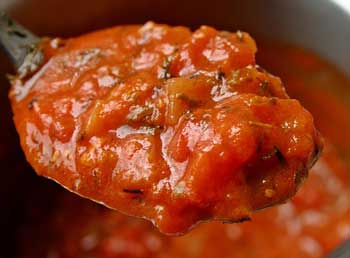
This hearty Italian-style tomato sauce has a richer flavor and thicker texture than the basic version. Tomato paste adds body while mushrooms, garlic, basil, and oregano create a classic pasta sauce that's perfect for spaghetti, lasagna, baked ziti, and pizza.
Cooking the sauce slowly in a crock pot allows the flavors to blend together while the tomatoes naturally thicken into a rich, homemade sauce.
Ingredients
- 1 cup onion, chopped
- 1 garlic clove, crushed
- 3½ cups whole peeled tomatoes
- 2/3 cup tomato paste
- 1/2 cup water
- 1/2 cup mushrooms
- 1 teaspoon dried oregano
- 1/2 teaspoon dried basil
- 1 teaspoon salt
- 1/8 teaspoon black pepper
Directions
- Place the tomatoes, mushrooms, garlic, and onion into a blender or food processor and blend until you reach your preferred texture.
- Pour the mixture into a slow cooker.
- Stir in the tomato paste, water, oregano, basil, salt, and pepper.
- Cover and cook on Low for 8 to 10 hours, stirring once or twice if convenient.
- Taste the sauce and adjust the seasonings before serving.
Kid Chef Tips
- Blend less for a chunkier sauce.
- Tomato paste naturally thickens the sauce.
- Dried herbs need time to release their flavor.
- Taste before adding more salt or herbs.
Serve Italian Tomato Sauce With...
- Spaghetti
- Lasagna
- Baked ziti
- Meatballs
- Pizza
- Stuffed shells
- Chicken Parmesan
Too Acidic?
If your tomatoes taste especially acidic, try simmering the sauce a little longer. You can also stir in a small pinch of sugar if needed, but add only a little at a time-the goal is to balance the acidity, not make the sauce sweet.
Did You Know?
Many Italian families have their own tomato sauce recipe that's been passed down for generations. Some recipes stay simple with only tomatoes, garlic, and basil, while others include onions, mushrooms, peppers, sausage, meatballs, or fresh garden vegetables.
Spagateni: A Kid-Created Tomato Sauce
One of our favorite tomato sauce recipes was created by six-year-old Thomas McNair from Fort Worth, Texas. His idea was to blend carrots into the sauce so they would add natural sweetness and extra nutrition - even for people who don't usually like carrots!
This recipe is a wonderful reminder that cooking is about experimenting, tasting, and creating your own family favorites.
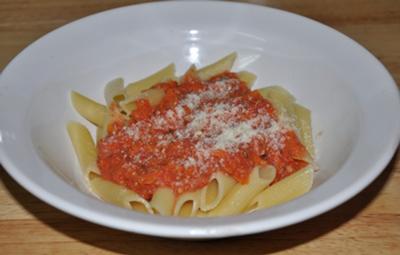
Recipe created by Thomas McNair, age 6.
Ingredients
- 1 1/2 teaspoons dried rosemary
- 2 medium carrots
- 1/2 onion
- Garlic, basil, and oregano to taste
- 1 (28-ounce) can crushed tomatoes
- 1 tablespoon olive oil
- 1/2 cup milk
Directions
- Grate or finely chop the carrots and onion.
- Heat the olive oil in a saucepan and sauté the carrots and onion until softened.
- Add the crushed tomatoes.
- Stir in the rosemary, garlic, basil, and oregano.
- Simmer for about 20 minutes.
- Reduce the heat to low. Slowly stir in the milk and warm gently for about 5 minutes without boiling.
- Serve over pasta or use as a dipping sauce.
Kid Chef Tips
- Carrots naturally add sweetness to tomato sauce.
- Grate vegetables finely so they cook quickly.
- Taste the sauce before adding extra seasonings.
- Stir occasionally while simmering.
Why Add Carrots?
Carrots naturally balance the acidity of tomatoes while adding vitamins, fiber, and a touch of sweetness. Many cooks use carrots instead of extra sugar to create a smoother, more balanced tomato sauce.
Kid Chef Spotlight
Thomas originally said, "You can't even taste the onions!" That's a great example of how experimenting in the kitchen often leads to new family recipes. Don't be afraid to try your own combinations of herbs and vegetables.
Tomato Sauce Troubleshooting
Even experienced cooks occasionally need to adjust a pot of tomato sauce. Fortunately, most problems are easy to fix with a few simple techniques. Learning how to balance flavors is one of the most valuable cooking skills you can develop.
| If Your Sauce... | Try This |
|---|---|
| Is Too Thin | Continue simmering uncovered so excess liquid evaporates naturally. |
| Tastes Too Acidic | Add a small pinch of sugar or stir in finely grated carrots. Taste before adding more. |
| Needs More Flavor | Add garlic, basil, oregano, parsley, or a little extra salt. Let the sauce simmer another 10–15 minutes. |
| Is Too Thick | Stir in a small amount of water, vegetable broth, or reserved pasta water until it reaches the consistency you prefer. |
| Tastes Bitter | Balance the flavor with a little sugar or cook the sauce longer to mellow the tomatoes. |
| Scorches on the Bottom | Reduce the heat immediately and stir often. If needed, carefully transfer the sauce to a clean pot without scraping the burned portion. |
Kid Chef Tips
- Taste the sauce near the end of cooking—not just at the beginning.
- Add seasonings a little at a time.
- Fresh herbs are usually added near the end of cooking.
- Dried herbs need more time to release their flavor.
Did You Know?
Tomato sauce usually tastes better after it has simmered for a while. Slow cooking allows the tomatoes, onions, garlic, and herbs to blend together, creating a richer and more balanced flavor.
Remember
You can always add more seasoning, but it's difficult to remove it once it's in the pot. Taste often and make small adjustments instead of adding large amounts all at once.
Ways to Use Homemade Tomato Sauce
One batch of homemade tomato sauce can become many different meals. Try using your sauce in these family favorites to practice your new cooking skills.
| Use It For... | Ideas |
|---|---|
| Pasta | Spaghetti, penne, baked ziti, ravioli, stuffed shells |
| Pizza | Homemade pizza, pizza bagels, English muffin pizzas |
| Casseroles | Lasagna, chicken Parmesan bake, baked pasta dishes |
| Soups | Tomato soup, vegetable soup, minestrone |
| Meat Dishes | Meatballs, meatloaf, stuffed peppers, chicken Parmesan |
Featured Cooking Resource
Want more step-by-step cooking lessons? Our printable cooking curriculum teaches essential kitchen techniques, recipes, food safety, and cooking confidence through hands-on activities designed especially for young cooks.
Explore Cooking Curriculum →Watch: How to Make Homemade Tomato Sauce
Watching someone make tomato sauce is a great way to reinforce the techniques you've learned. As you watch, notice how the ingredients change from fresh vegetables into a rich, flavorful sauce through slow simmering.
Pause the video after each major step and compare it with your own sauce before continuing.
What to Watch For
- How the onions and garlic are prepared.
- The consistency of the tomatoes before cooking.
- How slowly the sauce simmers.
- The color becoming darker as the sauce reduces.
- The final thickness before serving.
Practice Your Observation Skills
| Watch For | Why It Matters |
|---|---|
| Gentle simmer | Develops richer flavor without scorching. |
| Occasional stirring | Prevents sticking and burning. |
| Steam escaping | Shows excess water is evaporating. |
| Thicker consistency | Creates a better pasta and pizza sauce. |
| Adding herbs | Builds balanced homemade flavor. |
Remember
Every batch of tomato sauce is a little different. Fresh tomatoes, canned tomatoes, cooking time, and even the variety of tomato you use will affect the final flavor and thickness. Taste your sauce as it cooks and adjust the seasonings to make it your own.
Related Tomato Sauce & Cooking Lessons
Continue practicing tomato-sauce techniques, seasoning, pasta preparation, and other beginner cooking skills with these related lessons and recipes.
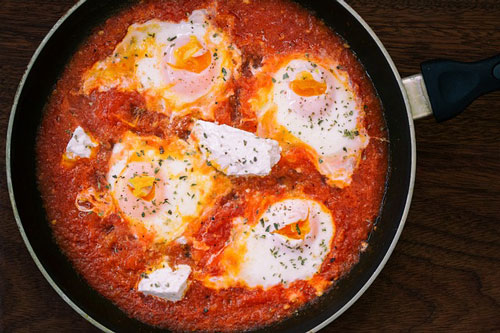
Eggs in Tomato Sauce
Practice seasoning tomato sauce with herbs before gently cooking eggs right in the sauce for an easy one-pan meal.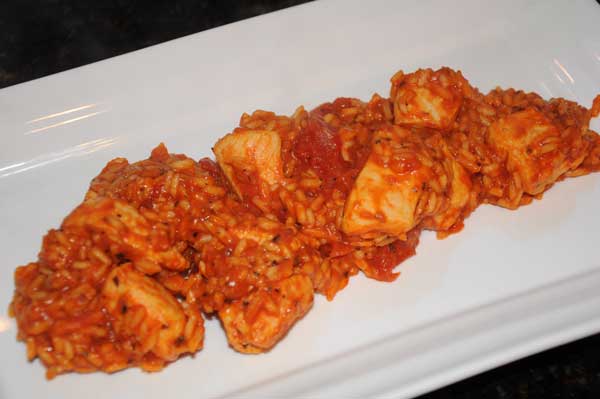
Spaghetti Rice Skillet
Use homemade tomato sauce to flavor this simple one-pot meal while practicing seasoning and simmering techniques.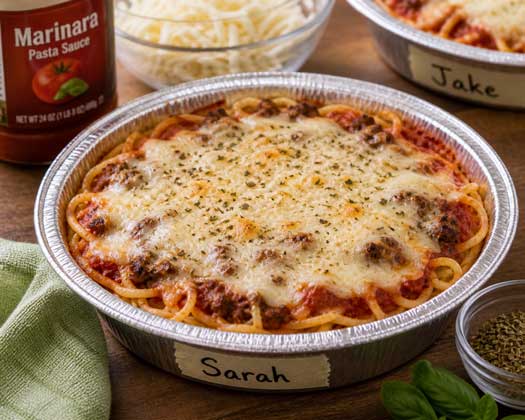
Spaghetti Pie
Transform cooked spaghetti and homemade tomato sauce into a fun baked casserole that's perfect for family dinners or cooking parties.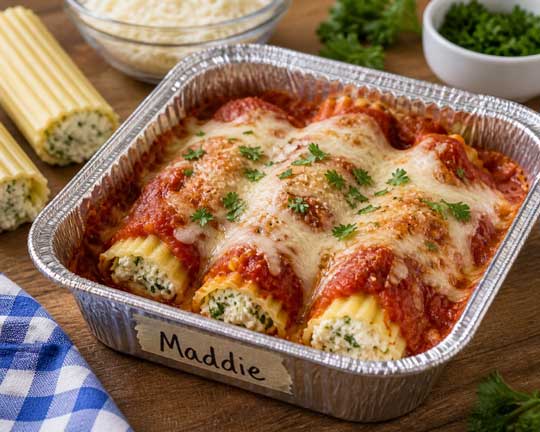
Homemade Manicotti
Fill pasta shells with a creamy cheese mixture, cover with homemade tomato sauce, and bake until bubbly and delicious.
The Five Mother Sauces
Learn how tomato sauce fits into the five classical mother sauces and how each sauce forms the base for many recipes.
Homemade Spaghetti Sauce
Turn a basic tomato sauce into a flavorful spaghetti sauce with herbs, vegetables, and seasonings.

Homemade Pizza
Spread homemade tomato sauce over fresh dough and add your favorite toppings for an easy family cooking project.

Lasagna Recipes
Layer tomato sauce with noodles, cheese, vegetables, or meat to make a comforting baked meal.

Minestrone Soup
Use tomatoes, vegetables, beans, herbs, and pasta to build a hearty Italian-style soup.

Cooking with Herbs & Spices
Learn how basil, oregano, parsley, garlic, and other seasonings change the flavor of tomato sauce.
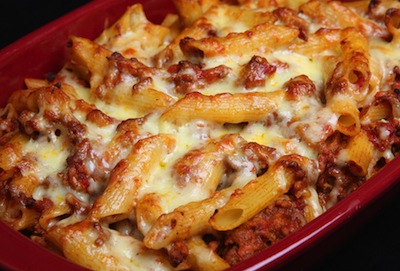
How to Cook Pasta
Practice boiling, timing, draining, and serving pasta with your homemade tomato sauce.

Basic Cooking Lessons
Continue learning essential kitchen techniques through step-by-step lessons for beginning cooks.
Submit your favorite kids recipe
Do you have a favorite recipe your kids love to make? Or a recipe your kids ask you to make again and again? Share it with us!
Frequently Asked Questions
What tomatoes are best for homemade tomato sauce?
Roma, plum, and other meaty tomatoes work especially well because they contain less water and fewer seeds. Ripe garden tomatoes can also make excellent sauce, but they may need a longer simmer to thicken.
Can I use canned tomatoes instead of fresh tomatoes?
Yes. Canned crushed, whole, or diced tomatoes are convenient and provide dependable flavor throughout the year. Crushed tomatoes create a smoother sauce, while diced or whole tomatoes make a chunkier sauce.
How do I thicken tomato sauce?
Simmer the sauce uncovered so excess liquid can evaporate. Tomato paste can also add body and deepen the tomato flavor. Avoid adding flour unless the recipe specifically calls for it.
Why does my tomato sauce taste acidic?
Some tomatoes are naturally more acidic than others. Simmering the sauce longer often mellows the flavor. You may also add finely grated carrots or a very small pinch of sugar, then taste before adding more.
How long should tomato sauce simmer?
A small sauce made from canned tomatoes may be ready in 20 to 30 minutes. A large batch made with fresh tomatoes may need several hours to reduce and develop a richer flavor.
Should I peel fresh tomatoes before making sauce?
Peeling is optional. For a very smooth sauce, peel the tomatoes or strain the finished sauce. For an easier method, leave the skins on and blend the tomatoes thoroughly before or after cooking.
Can homemade tomato sauce be frozen?
Yes. Cool the sauce completely, then transfer it to labeled freezer-safe containers while leaving room for expansion. Freeze in meal-size portions so you can thaw only what you need.
Can kids help make tomato sauce?
Kids can wash tomatoes, measure herbs, stir ingredients, and help taste the finished sauce. Adults should supervise knives, blenders, hot pots, and stovetop cooking.
Keep Practicing Your Cooking Skills
Learning to make tomato sauce teaches you how to build flavor, balance acidity, season food, and adjust the thickness of a recipe. Use your homemade sauce for pasta, pizza, soups, casseroles, meatballs, and many other family meals.
Get Free Kids Recipe Cards + Cooking Printables
Join Kids Cooking Activities for fun recipes, cooking ideas, and printable resources for kids, families, and classrooms.
Follow Kids Cooking Activities too:





© Debbie Madson, Madson Web Publishing, LLC — All rights reserved.
The material on this site is for educational purposes only.