

How to Make Sauces: The 5 Mother Sauces
Learning how to make sauces is one of the most valuable cooking skills you can develop. A simple sauce can turn plain pasta into dinner, add flavor to vegetables, transform leftover meat into a new meal, or become the base for countless family recipes.
Professional chefs often begin by mastering the five mother sauces. Once you understand these classic sauces, you'll recognize them in everything from macaroni and cheese to Alfredo pasta, gravies, tomato sauces, and Eggs Benedict.

Start Here: Learning the 5 Mother Sauces
- New to cooking? Start by learning Bechamel (White Sauce), the easiest mother sauce to master.
- Learning about stocks? Continue with Veloute Sauce.
- Love Italian food? Explore Tomato Sauce.
- Interested in gravies? Learn about Espagnole (Brown Sauce).
- Ready for a challenge? Finish with Hollandaise Sauce.
Kids Cooking Activities Teaching Materials
Teaching kids to cook? Save time with ready-made lesson plans used by parents and teachers. Browse teaching materials →


This page may contain affiliate links. We may earn a small commission at no extra cost to you. Learn more.
On This Page
What Are the Five Mother Sauces?
The five mother sauces are the foundation of classical cooking. During the 1800s, French chefs organized hundreds of recipes into five basic sauces that could be used to create many others. Today, these sauces continue to teach important cooking techniques such as making a roux, thickening liquids, balancing flavors, and whisking ingredients together.
| Mother Sauce | Main Base | Common Uses |
|---|---|---|
| Bechamel | Milk | Macaroni and cheese, Alfredo-style sauces, casseroles |
| Veloute | Stock | Chicken, seafood, vegetables |
| Tomato | Tomatoes | Pasta, pizza, soups |
| Espagnole | Brown stock | Roasts, beef dishes, gravies |
| Hollandaise | Butter & Egg Yolks | Eggs Benedict, asparagus, fish |
Did You Know?
Many favorite recipes begin with one of these five sauces. Cheese sauce starts with Bechamel, many gravies are inspired by Espagnole, and countless pasta dishes begin with Tomato Sauce. Learning these five basics opens the door to hundreds of recipes.
Bechamel (White Sauce)
Bechamel (pronounced bay-shah-MEL) is often the first mother sauce new cooks learn. It's made by whisking milk into a roux - a cooked mixture of butter and flour. As the sauce simmers, it thickens into a smooth, creamy white sauce that can be served as-is or transformed into many other recipes.

Once you understand Bechamel, you'll recognize it in macaroni and cheese, creamy casseroles, vegetable sauces, homemade Alfredo-style sauces, and many baked pasta dishes.
| Starts With | Add | Becomes |
|---|---|---|
| Butter + Flour | Milk | Bechamel (White Sauce) |
| Bechamel | Cheese | Mornay Sauce |
| Bechamel | Garlic & Parmesan | Alfredo-Style Sauce |
| Bechamel | Seasonings | Vegetable Sauce |
Kid Chef Tips
- Whisk constantly while adding the milk to help prevent lumps.
- Add the milk a little at a time instead of pouring it in all at once.
- Cook over medium heat so the sauce thickens gradually.
- If the sauce becomes too thick, whisk in a small amount of additional milk.
Where You'll Use White Sauce
- Creamy pasta dishes
- Homemade macaroni and cheese
- Chicken and vegetable casseroles
- Baked potatoes
- Cooked vegetables such as broccoli, cauliflower, or peas
- Lasagna made with a white sauce
Ready to practice? Learn how to make a classic White Sauce, then try French Bechamel Sauce. Then move on to using the sauce in Homemade Macaroni and Cheese or a creamy Alfredo Sauce.
Veloute Sauce
Veloute (pronounced veh-loo-TAY) is another classic French mother sauce. Like Bechamel, it begins with a roux made from butter and flour. The difference is that instead of adding milk, you whisk in a flavorful stock such as chicken, vegetable, or fish stock.
The result is a smooth, savory sauce that can be served over poultry, seafood, vegetables, and rice or used as the starting point for many other sauces.

| Type of Stock | Best With |
|---|---|
| Chicken Stock | Chicken, turkey, casseroles |
| Vegetable Stock | Vegetables, rice, vegetarian dishes |
| Fish Stock | Fish and seafood recipes |
How Veloute Changes Into Other Sauces
| Start With | Add | Result |
|---|---|---|
| Veloute | Heavy cream | Supreme Sauce |
| Veloute | Mushrooms | Mushroom Sauce |
| Veloute | Fresh herbs | Herb Sauce |
Kid Chef Tips
- Warm stock blends into the roux more easily than cold stock.
- Whisk constantly while adding the liquid.
- Let the sauce simmer gently until it becomes smooth and silky.
- Taste before adding extra salt since many stocks already contain seasoning.
Although classical Veloute isn't served as often in home kitchens today, the same cooking technique is used to make creamy chicken gravies, mushroom sauces, and many comforting casserole sauces.
Bechamel vs. Veloute
| Bechamel | Veloute |
|---|---|
| Milk-based | Stock-based |
| Creamy flavor | Savory flavor |
| Mac & Cheese, Alfredo, casseroles | Chicken, seafood, vegetables |
Tomato Sauce
Tomato sauce is one of the most recognized mother sauces because it serves as the foundation for countless Italian and Mediterranean recipes. While traditional French tomato sauce often begins with a roux and stock, today's home cooks usually start with tomatoes and build flavor using herbs, vegetables, garlic, and seasonings.
Once you understand the basics, you can create everything from a simple marinara sauce to hearty spaghetti sauce, pizza sauce, meat sauce, and many soups and casseroles.
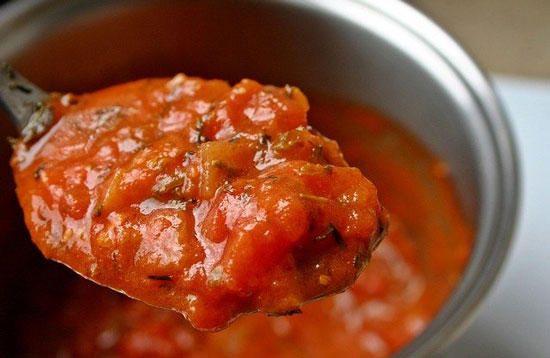
| Ingredient | Adds |
|---|---|
| Tomatoes | Rich flavor and body |
| Garlic & Onion | Depth of flavor |
| Basil & Oregano | Classic Italian seasoning |
| Olive Oil | Smooth texture |
| Long Simmer | Develops a richer flavor |
One Sauce, Many Recipes
| Start With Tomato Sauce | Create... |
|---|---|
| Tomato Sauce | Marinara Sauce |
| Tomato Sauce | Spaghetti Sauce |
| Tomato Sauce | Pizza Sauce |
| Tomato Sauce | Meat Sauce |
| Tomato Sauce | Tomato Soup |
Kid Chef Tips
- Crush dried herbs between your fingers before adding them to release more flavor.
- Taste the sauce near the end of cooking before adding more salt.
- A longer simmer creates a richer, sweeter tomato sauce.
- Fresh basil is usually added during the last few minutes of cooking.
Ready to practice? Learn how to make a simple Homemade Tomato Sauce, then use it in a classic Spaghetti Sauce or spread it on your favorite Homemade Pizza.
Milk, Stock, or Tomatoes?
| Sauce | Main Liquid |
|---|---|
| Bechamel | Milk |
| Veloute | Stock |
| Tomato | Tomatoes |
Espagnole (Brown Sauce)
Espagnole (pronounced ess-pan-YOLE) is the traditional French brown sauce and one of the five mother sauces. It begins with a brown roux, which is made by cooking butter and flour longer than you would for a white sauce. Brown stock, tomato paste, vegetables, and seasonings are then added and simmered until the sauce develops a rich, deep flavor.
Although most home cooks don't prepare a traditional Espagnole from scratch, the same cooking principles are used to make gravies, beef sauces, and many hearty meat dishes.

| Ingredient | Purpose |
|---|---|
| Brown Roux | Thickens the sauce and adds a toasted flavor. |
| Brown Stock | Creates a rich, savory base. |
| Tomato Paste | Adds color and balances the flavor. |
| Vegetables & Herbs | Build layers of flavor during simmering. |
| Long Simmer | Concentrates the sauce into a rich gravy. |
Where You'll Find Brown Sauce
- Roast beef dinners
- Beef Stroganoff
- Salisbury steak
- Mashed potatoes with gravy
- Roast pork or chicken with pan gravy
- Open-faced sandwiches
Kid Chef Tips
- Brown the flour slowly to develop flavor without burning it.
- Whisk the stock into the roux a little at a time.
- Allow the sauce to simmer gently so the flavors can develop.
- Taste before adding salt since stock is often already seasoned.
Espagnole vs. Everyday Gravy
| Espagnole | Everyday Gravy |
|---|---|
| Long simmer with stock and vegetables | Quicker to prepare |
| Used as a foundation for other sauces | Usually served immediately |
| Traditional French cooking | Common home cooking |
Want to practice making a simple brown sauce? Try this easy Beef Stroganoff or learn to prepare a classic Homemade Gravy using many of the same techniques.
What Have We Learned So Far?
- Bechamel uses milk.
- Veloute uses stock.
- Tomato Sauce uses tomatoes.
- Espagnole uses brown stock and a brown roux.
Only one mother sauce remains- Hollandaise, which is thickened with egg yolks and butter instead of a roux.
Hollandaise Sauce
Hollandaise (pronounced hol-un-DAYZ) is the fifth and final mother sauce. Unlike the other four mother sauces, Hollandaise does not begin with a roux. Instead, it is made by whisking egg yolks with melted butter and lemon juice until the sauce becomes smooth, creamy, and rich.
Because the eggs cook gently from the heat of the warm butter and saucepan, Hollandaise takes a little more practice than the other mother sauces. Don't let that discourage you. It is an excellent recipe for learning careful whisking and temperature control.

Basic Hollandaise Sauce
Ingredients
- 2 tablespoons butter
- 1 teaspoon flour
- 2 egg yolks
- 1/4 teaspoon dry mustard
- 1/4 cup cream, milk, or evaporated milk
- Pinch of salt
- 1 1/2 tablespoons lemon juice
Directions
- Melt the butter in a small saucepan over low heat.
- Whisk in the flour until a smooth paste (roux) forms.
- Slowly whisk in the milk or cream until smooth.
- Remove the pan from the heat and allow it to cool for 3-5 minutes.
- Whisk in the egg yolks and mustard until well blended.
- Stir in the lemon juice and salt.
- Serve immediately over vegetables, eggs, fish, or poultry.

| Ingredient | Purpose |
|---|---|
| Egg Yolks | Thicken and enrich the sauce |
| Butter | Adds richness and a smooth texture |
| Lemon Juice | Balances the richness with brightness |
| Mustard | Adds flavor and helps stabilize the sauce |
Kid Chef Tips
- Whisk continuously to keep the sauce smooth.
- Don't let the sauce boil or the eggs may scramble.
- Warm ingredients blend together more easily than cold ones.
- Serve Hollandaise immediately for the best texture.
Try Hollandaise On...
- Eggs Benedict
- Steamed asparagus
- Broccoli and cauliflower
- Salmon and other fish
- Grilled chicken
- Roasted potatoes
Remember the Five Mother Sauces
| Mother Sauce | Main Base |
|---|---|
| Bechamel | Milk |
| Veloute | Stock |
| Tomato | Tomatoes |
| Espagnole | Brown Stock |
| Hollandaise | Egg Yolks & Butter |
Once you understand these five classic sauces, you'll recognize them as the starting point for hundreds of recipes from around the world.
Continue Practicing Sauce-Making Skills
Making sauces is one of the best ways to build confidence in the kitchen. As you practice, you'll become more comfortable making a roux, whisking ingredients until smooth, adjusting seasonings, and creating homemade sauces that can transform simple meals into something special.
These foundational cooking skills are used in hundreds of recipes, from creamy pasta dishes and hearty gravies to soups, casseroles, vegetables, and classic family dinners.
Practice Your New Sauce Skills
- ✓ Make a simple white sauce.
- ✓ Compare Bechamel and Veloute.
- ✓ Prepare a homemade tomato sauce.
- ✓ Practice whisking a smooth Hollandaise.
- ✓ Try using one mother sauce in a brand-new recipe.
Kids Cooking Lesson Plans
Want a done-for-you plan?If you're looking for a complete, ready-to-use system, these structured lesson plans and teaching materials can help you save time and confidently teach cooking step-by-step.
Explore Cooking Curriculum →
Related Sauce & Cooking Lessons
Ready to continue learning? These lessons and recipes will help you practice the techniques used to make the five mother sauces while building confidence in the kitchen.
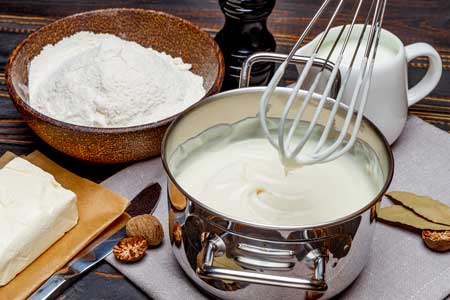
How to Make White Sauce
Master the easiest mother sauce by learning to make a smooth, creamy Bechamel from scratch.
Béchamel Sauce
Learn how to make classic French béchamel, a smooth white sauce made with butter, flour and milk.

Alfredo Sauce
See how a white sauce becomes a rich pasta sauce with butter, garlic, Parmesan cheese, and seasonings.

Homemade Tomato Sauce
Practice simmering tomatoes with herbs and seasonings to create a flavorful homemade sauce.
White Pepper Gravy
Learn how a roux thickens milk into a smooth homemade gravy for biscuits, potatoes, and family meals.

Homemade Sauce Recipes
Continue practicing with barbecue sauce, marinades, dressings, condiments, and other homemade sauces.

Cooking with Herbs & Spices
Discover how herbs and spices build flavor in sauces, soups, marinades, and everyday cooking.

How to Make Soup
Learn how broth, stock, vegetables, herbs, and seasonings come together to make comforting homemade soups.

Basic Cooking Lessons
Continue learning essential kitchen skills with step-by-step lessons designed for beginning cooks.
Frequently Asked Questions
What are the five mother sauces?
The five classical mother sauces are Bechamel, Velout�, Tomato, Espagnole, and Hollandaise. French chefs developed these foundational sauces because hundreds of other sauces can be created from them by adding different ingredients and seasonings.
Which mother sauce is easiest for beginners?
Bechamel, or white sauce, is usually the best place to start. It teaches you how to make a roux, whisk ingredients until smooth, and control the thickness of a sauce. Once you've mastered Bechamel, learning the other mother sauces becomes much easier.
What is a roux?
A roux is a mixture of butter and flour cooked together before liquid is added. It thickens sauces, soups, and gravies while creating a smooth texture. White, blond, and brown roux are cooked for different lengths of time depending on the recipe.
What is the difference between Bechamel and Veloute?
Both sauces begin with a roux. Bechamel uses milk as the liquid, while Veloute uses stock such as chicken, vegetable, or fish stock. That one change creates two completely different sauces.
Why is Hollandaise more difficult to make?
Hollandaise relies on egg yolks and butter instead of a roux. The eggs must be heated gently while whisking continuously. If the sauce becomes too hot, the eggs may scramble instead of forming a smooth, creamy sauce.
Can kids learn to make sauces?
Yes. Children can practice measuring ingredients, whisking, stirring, and following recipes while making simple sauces such as white sauce or tomato sauce. Adults should supervise whenever a stovetop or hot liquids are involved.
How can I fix a lumpy sauce?
Whisking constantly while slowly adding the liquid helps prevent lumps. If lumps do form, continue whisking vigorously or carefully strain the sauce through a fine-mesh sieve before serving.
Why should I learn the mother sauces?
Understanding the five mother sauces teaches important cooking techniques such as making a roux, thickening liquids, balancing flavors, and building recipes from simple ingredients. These same skills are used in countless soups, casseroles, pasta dishes, gravies, and homemade sauces.
Basic Cooking Lessons Stock and soups 5 mother sauces Yeast and baking breads Herbs and spices Vegetables Dry beans Grains Eggs Different cooking methods Growing an herb garden How to Cook Q&A
Submit your favorite kids recipe
Do you have a favorite recipe your kids love to make? Or a recipe your kids ask you to make again and again? Share it with us!
Keep Practicing Your Cooking Skills
Learning the five mother sauces is an important milestone in becoming a confident cook. Continue practicing by making white sauce, tomato sauce, gravies, soups, and homemade sauces. Each recipe you prepare builds the skills needed to create hundreds of delicious meals from scratch.
Get Free Kids Recipe Cards + Cooking Printables
Join Kids Cooking Activities for fun recipes, cooking ideas, and printable resources for kids, families, and classrooms.
Follow Kids Cooking Activities too:





© Debbie Madson, Madson Web Publishing, LLC — All rights reserved.
The material on this site is for educational purposes only.