- Home
- ›
- Kids Cooking Lessons
- ›
- Basic Cooking Lessons
10 Basic Cooking Lessons for Beginners
These basic cooking lessons give beginner cooks a practical path from simple ingredients to complete family meals. They build on our Kids Cooking Lessons by helping teens, older students, parents, and other beginners practice essential everyday cooking skills in more depth.
Start by learning how to make soup, sauces, bread, vegetables, beans, grains, and eggs, then build confidence with herbs, cooking methods, kitchen safety, and meal planning. Each lesson explains the skill, includes recipes or practice activities, and connects to related cooking topics.
The lessons work well for teens, young adults, homeschool cooking, parents teaching children, and anyone learning kitchen basics. Each lesson explains the skill, includes recipes or practice activities, and connects to related cooking topics.

Start Here: Build Your Cooking Skills
- Brand-new cook? Begin with Kitchen Safety, then start with Lesson 1: Soups and Stocks.
- Want everyday meal skills? Focus on vegetables, whole grains, beans, and eggs.
- Ready to add flavor? Practice herbs and spices and homemade sauces.
- Want a complete path? Work through all ten lessons in order, then continue with the next-step cooking skills.
Kids Cooking Activities Teaching Materials
Teaching kids to cook? Save time with ready-made lesson plans used by parents and teachers. Browse teaching materials →


This page may contain affiliate links. We may earn a small commission at no extra cost to you. Learn more.
Free Online Cooking Lessons
I rarely use canned or heavily processed foods such as cream soups in my kitchen, so you will not see many of those shortcuts here. Instead, these lessons focus on teaching the basics from scratch, including homemade soups, sauces, breads, and simple healthy meals.
Start with these 10 essential cooking lessons to build confidence in the kitchen one skill at a time. Each lesson includes recipes and ideas to practice at home.
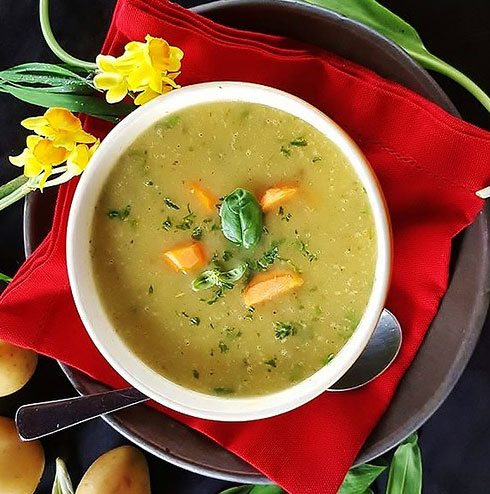
1. How to Make Stock and Soups
Learn the basics of homemade soups, broths, and stock building.

2. Learn the 5 Mother Sauces
Build strong cooking foundations by learning basic homemade sauces.
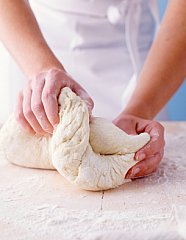
3. Baking Bread & Working with Yeast
Learn the difference between quick breads and yeast breads while practicing mixing, kneading, rising, shaping, and baking.

4. Using Herbs and Spices
Learn how to season food, compare fresh and dried herbs, build flavor, and use rubs, marinades, and spice blends.

5. How to Cook Vegetables
Practice roasting, steaming, boiling, sautéing, grilling, and air frying while learning how heat changes vegetables.

6. How to Cook Dry Beans
Learn how to sort, soak, cook, store, freeze, and use dried beans in soups, salads, dips, chili, and family meals.
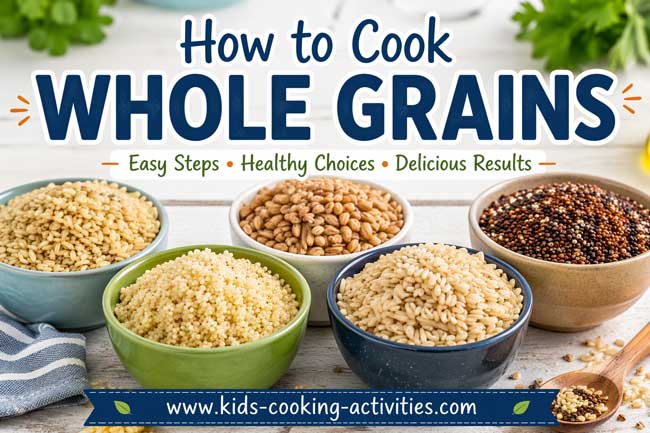
7. How to Cook Whole Grains
Cook rice, oats, quinoa, barley, and other grains while learning liquid ratios, simmering, steaming, and storage.

8. How to Cook Eggs
Practice boiling, scrambling, frying, poaching, baking, and using eggs safely in everyday recipes.

9. Basic Cooking Methods
Compare baking, roasting, broiling, grilling, boiling, steaming, sautéing, pressure cooking, and slow cooking.
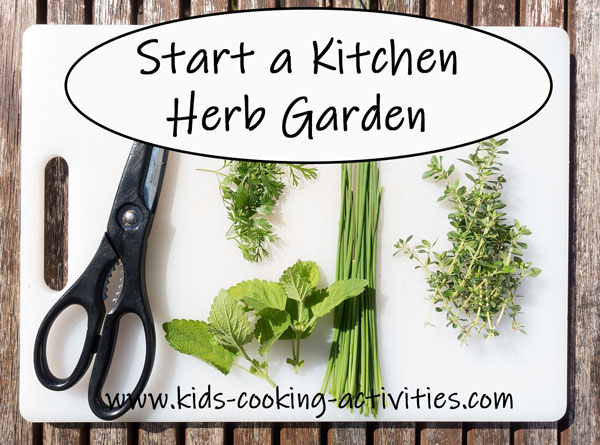
10. Start an Herb Garden
Grow, care for, harvest, preserve, and cook with basil, oregano, parsley, chives, mint, and other herbs.
Suggested Cooking Lesson Order
| Learning Stage | Lessons to Practice |
|---|---|
| Start with safety and simple foods | Kitchen Safety, Soups, Eggs, and Vegetables |
| Build everyday meal skills | Dry Beans, Whole Grains, Homemade Sauces, and Basic Cooking Methods |
| Master Baking and Seasoning | Homemade Bread, Herbs & Spices, and Homemade Sauces |
| Connect food to gardening | Start an Herb Garden and other garden vegetables to grow fresh ingredients to use in your recipes. |
Do the Lessons Have to Be Completed in Order?
No. Begin with the skills that match the foods your family already eats. The numbered lessons provide a suggested path, but each lesson can also be used on its own.
Next-Step Cooking Skills
Once you are comfortable with these basics, continue with meal planning, kitchen safety, and our online cooking lessons index to keep building your skills.
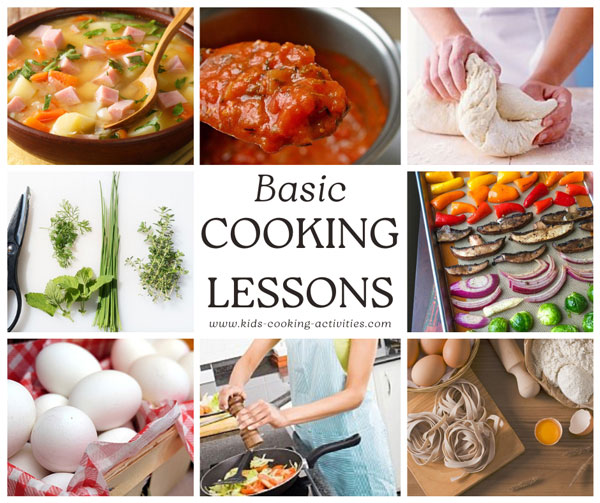
Find More How-to Cooking Help
Do You Have A Cooking Question?
Do you have a how to cook question? or Cooking Tip?
Frequently Asked Questions About Basic Cooking Lessons
Begin with practical kitchen skills you'll use often, such as making soups, sauces, vegetables, eggs, beans, grains, and bread. Learning these basic techniques builds confidence and prepares you for more advanced recipes.
No. The lessons are arranged in a suggested learning sequence, but each one can be completed independently. Choose the topics that match your interests or the foods your family enjoys most.
Yes. These lessons are designed for teens, young adults, parents, and anyone learning to cook from scratch. Younger children can also participate with age-appropriate supervision.
Absolutely. The lessons work well for homeschool life skills, family cooking, classroom enrichment, 4-H projects, scouting, and other educational cooking programs. Each lesson teaches practical skills that students can use throughout life.
Yes. Every lesson includes recipes, examples, or cooking activities that allow you to practice the new skill immediately. Making recipes while learning helps build confidence much faster than simply reading about a technique.
If you cook regular family dinners, start with vegetables, whole grains, dry beans, homemade sauces, soups, eggs, and basic cooking methods. These lessons cover techniques you'll use repeatedly in everyday cooking.
Lessons involving ovens, stovetops, grills, pressure cookers, slow cookers, sharp knives, and hot liquids require close adult supervision. Kitchen safety should always be taught before introducing new appliances or cooking methods.
After finishing these core lessons, continue with kitchen safety, measuring ingredients, reading recipes, meal planning, baking substitutions, appliance skills, food presentation, and international cooking. These next-step lessons build on the strong foundation you've already developed.
Related Cooking Lessons and Resources
Learning to cook starts with the basics. Once you understand a few core skills, putting meals together becomes easier, faster, and more enjoyable. Use these lessons as part of a complete teaching plan with How to Teach Cooking and Kids Cooking Tips.
Kids Cooking Lessons
Use age-based cooking lessons to choose appropriate skills, recipes, and kitchen jobs for children and teens.

Kitchen Skills for Kids
Practice measuring, mixing, pouring, chopping, reading recipes, using tools, and cleaning up safely.
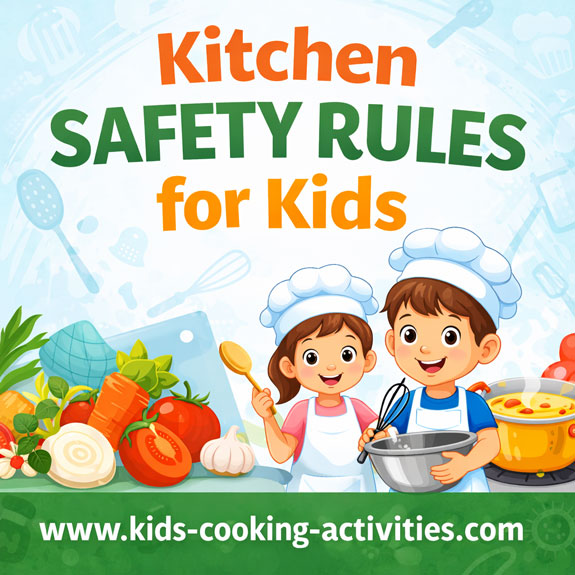
Kitchen Safety Rules
Review safe habits for knives, appliances, hot pans, food handling, hand washing, and kitchen cleanup.

Online Cooking Lessons
Browse more cooking lessons by technique, ingredient, appliance, age level, and kitchen skill.
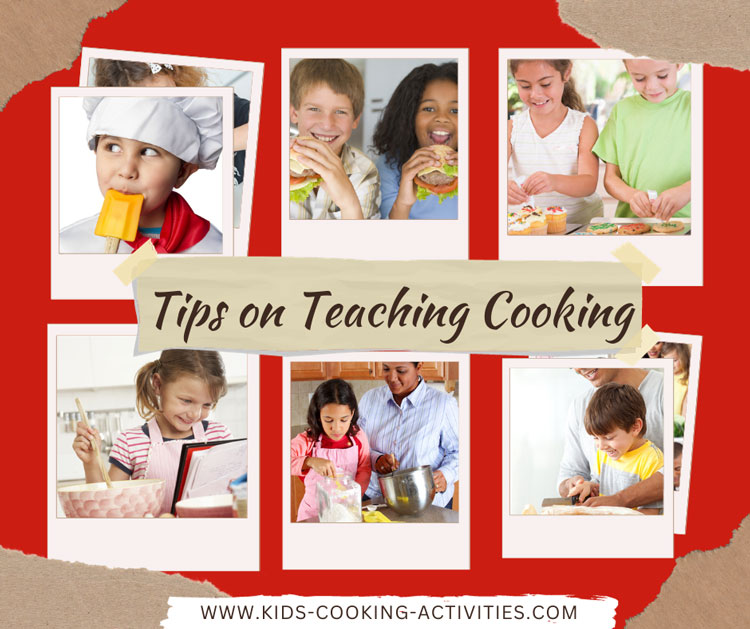
How to Teach Cooking
Plan successful cooking lessons at home, in homeschool, in classrooms, or with youth groups.
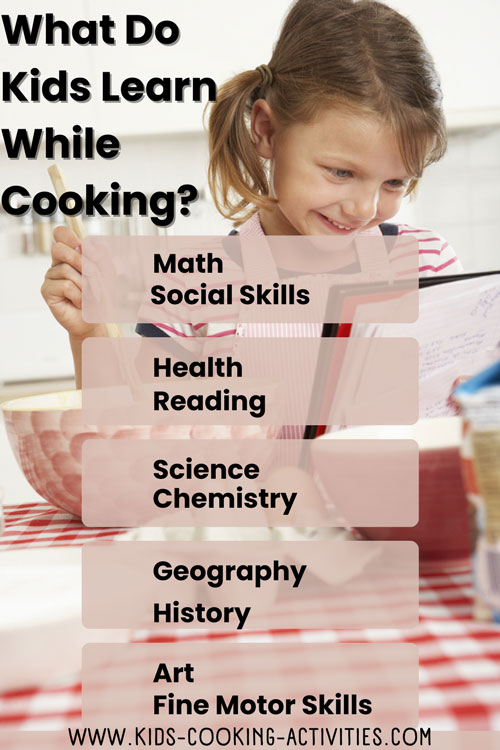
What Kids Learn While Cooking
See how cooking builds life skills while reinforcing math, science, reading, responsibility, and confidence.
Meal Planning Ideas
Learn how to organize meals, create menus, plan shopping lists, and use cooking skills throughout the week.

Food Facts
Explore where ingredients come from, how foods grow, their food groups, and ways to use them in recipes.
Complete Cooking Lesson Plans
Need a ready-to-use teaching plan? The cooking curriculum includes structured lessons, recipes, skill practice, and materials for teaching children and teens step by step.
Start with One Skill and Build from There
Choose one lesson, practice it with several recipes, and continue through the cooking path as your confidence grows.
Start here → Assistant Chef → Build skills → Chef in Training → Advance → Junior Chef → Intermediate → Senior Chef → Master → Basic Cooking Lessons
Get Free Kids Recipe Cards + Cooking Printables
Join Kids Cooking Activities for fun recipes, cooking ideas, and printable resources for kids, families, and classrooms.
Follow Kids Cooking Activities too:





© Debbie Madson, Madson Web Publishing, LLC — All rights reserved.
The material on this site is for educational purposes only.