

Homemade Sauce Recipes for Kids- Sauces, Marinades, Dressings & Syrups
Learn how to make homemade sauces, marinades, dressings, condiments, and syrups from scratch. These practical recipes can help families save money, reduce reliance on packaged foods, and use everyday pantry ingredients to create flavorful toppings, dips, glazes, and cooking sauces.

Making sauces at home gives you control over the sweetness, salt, herbs, spices, and other ingredients. Many recipes cost less than bottled or packaged versions and can be adjusted to suit your family's preferences.
This page focuses on practical homemade replacements for store-bought sauces and pantry staples. To learn the cooking theory behind sauces, visit our How to Make Sauces lesson. You can also explore Cooking with Herbs and Spices to learn more about building flavor.
Start Here: Money-Saving Homemade Sauces
- Want to replace store-bought sauces? Start with Homemade Spaghetti Sauce, Barbecue Sauce, or Pancake Syrup.
- Ready to build flavor? Try Teriyaki Sauce, Asian Peanut Sauce, or Steak Marinade.
- Want healthier homemade staples? Make your own Ranch Dressing, Honey Dijon Vinaigrette, or Healthy Ketchup.
- Practice thickening sauces? Learn How to Make White Sauce and discover how a simple roux becomes the base for dozens of recipes.
Kids Cooking Activities Teaching Materials
Teaching kids to cook? Save time with ready-made lesson plans used by parents and teachers. Browse teaching materials →


This page may contain affiliate links. We may earn a small commission at no extra cost to you. Learn more.
Homemade vs. Store-Bought Sauces
| Homemade | Store-Bought |
|---|---|
| Control ingredients | Often contains preservatives |
| Adjust herbs and spices | Fixed flavor |
| Usually lower cost | More expensive |
| Customize sweetness and salt | Higher sodium and sugar |
On This Page
- What You'll Learn
- Five Types of Homemade Sauces
- Tomato-Based Sauces
- Homemade Spaghetti Sauce
- Homemade Tomato Sauce
- Homemade Barbecue Sauce
- Cream Sauces & White Sauces
- Basic White Sauce
- Homemade Alfredo Sauce
- Cream of Chicken Soup
- Cream of Mushroom Soup
- Savory Sauces & Marinades
- Homemade Steak Sauce
- Homemade Teriyaki Sauce
- Asian Peanut Sauce
- Steak Marinade
- Dressings & Condiments
- Homemade Ranch Dressing
- Honey Dijon Vinaigrette
- Healthy Homemade Ketchup
- Healthy Tartar Sauce
- Sweet Sauces & Syrups
- Hot Fudge Sauce
- Homemade Pancake Syrup
- Video Tutorial
- Practice Your New Sauce Skills
- Frequently Asked Questions
What You'll Learn
Homemade sauces teach some of the most useful cooking skills you'll use in the kitchen. Once you understand a few basic techniques, you can create hundreds of different recipes by changing the herbs, spices, liquids, or seasonings.
Five Basic Types of Homemade Sauces
Although there are hundreds of sauce recipes around the world, most fall into a few basic categories. Learning these groups makes it easier to understand new recipes and create your own variations.
| Type | Examples | Best Used For |
|---|---|---|
| Tomato Sauces | Spaghetti sauce, tomato sauce, pizza sauce | Pasta, pizza, meatballs, casseroles |
| Cream Sauces | White sauce, Alfredo sauce | Pasta, vegetables, casseroles |
| Brown Sauces | Barbecue sauce, steak sauce, gravy | Chicken, pork, beef, mashed potatoes |
| Asian Sauces | Teriyaki sauce, Asian peanut sauce | Stir-fries, kabobs, rice bowls, noodles |
| Dressings & Marinades | Ranch dressing, Honey Dijon vinaigrette, steak marinade | Salads, meats, vegetables, sandwiches, wraps |
Most Sauces Start with Just Three Techniques
Although there are hundreds of sauce recipes around the world, most homemade sauces begin with just a few basic cooking techniques. Once you learn these simple methods, you'll be able to make countless sauces with confidence.
- Simmering tomatoes creates flavorful pasta sauces, pizza sauce, and marinara.
- Making a roux forms the base for white sauce, cheese sauce, gravies, cream soups, and casseroles.
- Whisking together liquids and seasonings creates marinades, salad dressings, barbecue sauce, teriyaki sauce, and many other flavorful condiments.
Master these three techniques, and you'll have the skills to prepare hundreds of homemade sauces for family meals, side dishes, and desserts.
When Do You Use Each Sauce?
Not sure which homemade sauce you need? This quick guide will help you choose the right starting point for your recipe.
| If You Want to Make... | Start With... |
|---|---|
| Pasta | Tomato Sauce |
| Pizza | Pizza Sauce |
| Macaroni & Cheese | White Sauce |
| Gravy | White Pepper Gravy |
| Creamy Chicken or Pasta | Alfredo Sauce |
| Stir-Fry | Teriyaki Sauce |
| Salads | Homemade Ranch Dressing |
| Ice Cream & Desserts | Hot Fudge Sauce |
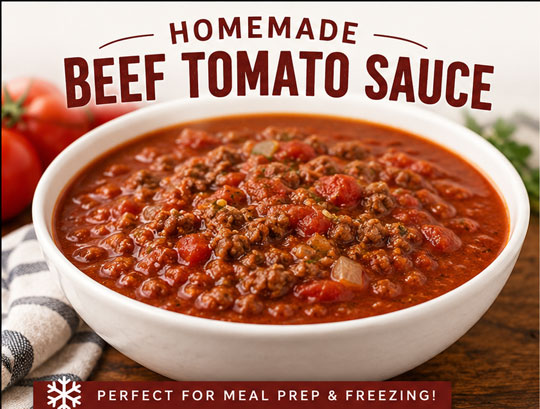
Homemade Spaghetti Sauce
Making spaghetti sauce from scratch is a wonderful way to practice building layers of flavor. As the onions, garlic, herbs, tomatoes, and seasonings simmer together, they create a rich sauce that's perfect for pasta, lasagna, pizza, meatball subs, and casseroles.
This recipe also teaches an important cooking lesson: herbs and spices need time to develop their full flavor. The longer the sauce gently simmers, the richer it becomes.


Ingredients
- 2 tablespoons olive oil
- 1 onion, chopped
- 1 garlic clove, minced
- 1 teaspoon Italian seasoning
- ¼ teaspoon cayenne pepper (optional)
- 1 pound ground beef
- About 5 cups crushed or blended tomatoes (28-ounce can plus one small can)
- ½ cup ketchup
- 2 tablespoons Worcestershire sauce
- 2 teaspoons dried oregano
- Salt and black pepper, to taste
Directions
- Heat the olive oil in a large saucepan or Dutch oven over medium heat.
- Add the onion and cook until softened, about 4-5 minutes. Stir in the garlic, Italian seasoning, and cayenne pepper.
- Add the ground beef and cook until browned, breaking it into small pieces as it cooks. Drain excess grease if needed.
- Stir in the tomatoes, ketchup, Worcestershire sauce, oregano, salt, and pepper.
- Bring the sauce to a gentle boil, then reduce the heat to low.
- Cover and simmer for at least 30 minutes, stirring occasionally. For even richer flavor, simmer for 1–2 hours.
- Serve over pasta or use in your favorite Italian recipes.
Kid Chef Tips
- Chopping onions into small, even pieces helps them cook more quickly.
- Stir the sauce occasionally so it doesn't stick to the bottom of the pan.
- If the sauce becomes too thick, stir in a little water or broth.
- Taste before serving and adjust the herbs or salt if needed.
Try These Variations
- Add mushrooms, bell peppers, zucchini, or carrots for extra vegetables.
- Replace the ground beef with Italian sausage, ground turkey, or meatless crumbles.
- Stir in fresh basil during the last few minutes of cooking.
- Add Parmesan cheese while serving.
- Freeze leftover sauce in meal-sized containers for quick weeknight dinners.
Homemade Tomato Sauce
Need a simple all-purpose tomato sauce? Our complete lesson teaches how to make homemade tomato sauce that works for pasta, pizza, casseroles, soups, and freezer meals.
One Tomato Sauce, Many Meals
- Start Here: Learn to Make Homemade Tomato Sauce
- Spaghetti: Serve over your favorite pasta with Parmesan cheese.
- Pizza: Spread onto homemade pizza dough.
- Lasagna: Layer with noodles, cheese, and meat or vegetables in homemade lasagna.
- Meatballs: Simmer meatballs in tomato sauce for an easy family dinner.
- Soups: Add to minestrone or vegetable soup for rich tomato flavor.
- Baked Pasta: Use as the base for spaghetti pie, manicotti, stuffed shells, or baked ziti.
- Casseroles: Stir into rice dishes, pasta bakes, or stuffed peppers.
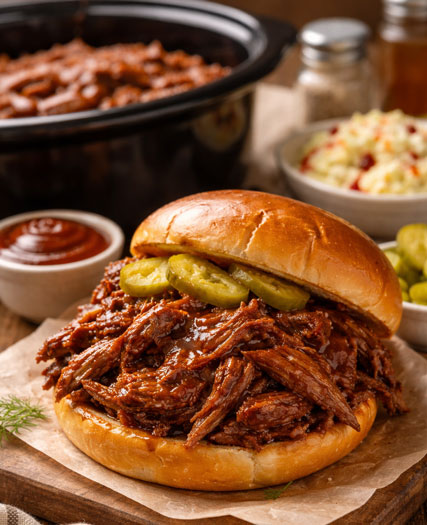
Homemade Barbecue Sauce
Homemade barbecue sauce teaches kids how sweet, tangy, salty, and smoky flavors work together. This simple sauce can be brushed on chicken, pork, beef, meatballs, or vegetables, or used as a slow cooker sauce.
Ingredients
- 1 cup water
- 4 tablespoons sugar
- 2 teaspoons salt
- 1/2 cup vinegar
- 2 tablespoons mustard
- 1 teaspoon black pepper
- 1 cup ketchup
- 4 tablespoons Worcestershire sauce
Directions
- Add all ingredients to a medium bowl or jar with a lid.
- Whisk or shake until the sauce is smooth and well combined.
- Use right away, refrigerate for later, or freeze in small containers.
- Brush onto chicken, pork, beef, meatballs, or vegetables during cooking.
Kid Chef Tips
- Use a jar with a tight lid to practice safe shaking and mixing.
- Taste the sauce before using it and decide if it needs more sweetness, tang, or pepper.
- Freeze barbecue sauce in 1-cup portions for quick slow cooker meals.
- Brush sauce on during the last part of grilling or baking so the sugar does not burn.
Try These Variations
- Add a little smoked paprika for smoky flavor.
- Use brown sugar instead of white sugar for a deeper taste.
- Add honey for a sweeter barbecue sauce.
- Add a small pinch of cayenne pepper for heat.
- Use as a sauce for pulled pork, barbecue chicken, beef, ribs, meatloaf or meatballs
Cream Sauces and White Sauces
Cream sauces are smooth, rich sauces often made with butter, flour, milk, broth, cream, or cheese. These recipes teach kids how sauces thicken, how to whisk smoothly, and how a simple white sauce can become the base for pasta, casseroles, vegetables, soups, and gravies.
Cooking Skill: What Is a Roux?
A roux is a mixture of fat and flour cooked together before liquid is added. It helps thicken sauces, gravies, soups, and casseroles. Learn the step-by-step method in our How to Make White Sauce lesson.
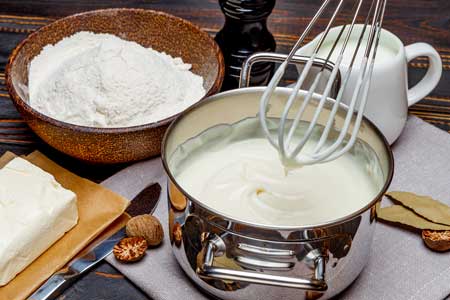
Basic White Sauce (Béchamel)
A basic white sauce, also called béchamel, is one of the first classic sauces every cook should learn. This simple combination of butter, flour, and milk becomes the foundation for countless family recipes, including cheese sauce, cream soups, casseroles, gravies, pasta dishes, and even white pizza.
One Basic Sauce, Many Recipes
- Start Here: Learn to Make Basic White Sauce
- Cheese sauce: Stir in shredded cheddar or Parmesan cheese - Macaroni & Cheese
- Homemade Alfredo Sauce
- Vegetable topping sauce Pour over steamed broccoli, cauliflower, carrots, or other vegetables for an easy vegetable sauce.
- Garlic sauce: Add minced garlic or garlic powder.
- Casserole sauce: Use in place of canned cream soups- Cream Soup Base (or Cream of Mushroom Soup)
- White pepper gravy: Turn your roux into a creamy country gravy. Try our White Pepper Gravy lesson.
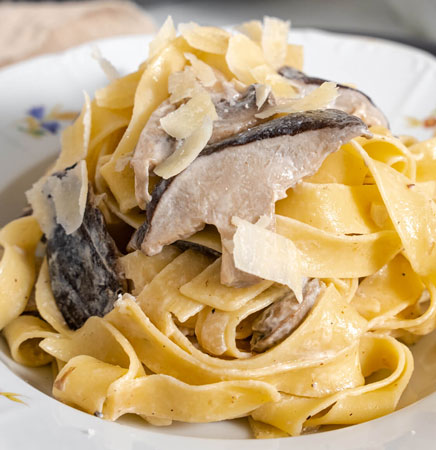
Homemade Alfredo Sauce
Alfredo sauce builds on the same basic skills as white sauce. Butter, flour, milk, seasonings, and Parmesan cheese create a creamy pasta sauce that kids can customize with garlic, mushrooms, chicken, broccoli, or peas.
Try These Alfredo Variations
- Add cooked chicken for chicken Alfredo.
- Stir in mushrooms, broccoli, peas, or spinach.
- Use garlic and parsley for extra flavor.
- Make it thinner with a splash of milk if it becomes too thick.
- Make an Alfredo pizza and replace pizza sauce with white sauce.
- Use as a sauce for pasta bakes or casseroles like this Alfredo Chicken Lasagna.
See more Alfredo sauce recipe variations.
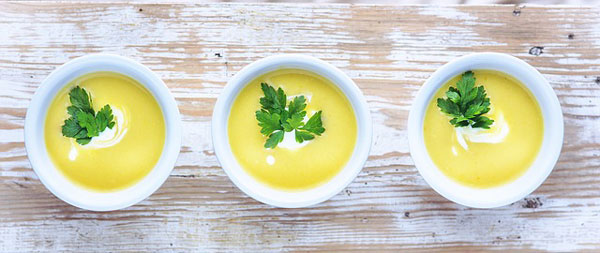
Homemade Cream of Chicken Soup
Homemade cream of chicken soup is a useful replacement for canned condensed soup in casseroles, slow cooker meals, pot pies, and creamy chicken recipes.
Ingredients
- 1/3 cup butter or margarine
- 1/3 cup all-purpose flour
- 1/4 teaspoon pepper
- 1 3/4 cups chicken broth
- 2/3 cup milk
Directions
- Melt the butter in a saucepan over medium-low heat.
- Whisk in the flour and pepper until smooth.
- Slowly whisk in the chicken broth.
- Bring to a gentle boil and cook until thickened.
- Whisk in the milk and cook again until thickened.
- Cool slightly, then use in recipes that call for cream of chicken soup.
Kid Chef Tips
- Whisk slowly and steadily to keep the soup base smooth.
- Use low heat so the milk does not burn.
- Let the soup base cool before adding it to freezer containers.
- Use this in casseroles, pot pies, and creamy chicken dishes.
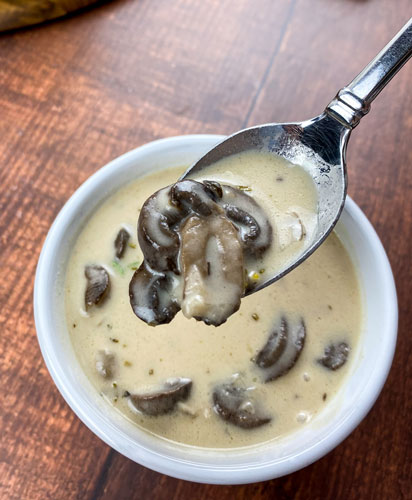
Homemade Cream of Mushroom Soup
This homemade cream of mushroom soup can be served as soup or used as a replacement for canned cream soup in casseroles and slow cooker recipes.
Ingredients
- 8 ounces fresh mushrooms, diced or sliced
- 1 onion, chopped or shredded
- 1 garlic clove, minced
- 2 tablespoons butter
- 2 tablespoons flour
- 2 cups chicken or vegetable broth
- 1 cup heavy cream, milk, or unsweetened almond milk
- Salt and pepper, to taste
Directions
- Melt the butter in a soup pan over medium heat.
- Sauté the mushrooms, onion, and garlic for several minutes, until softened.
- Whisk in the flour and stir until the vegetables are coated.
- Slowly whisk in the broth and cook for several minutes until thickened.
- Add the cream or milk and whisk until smooth.
- Season with salt and pepper.
- Use in any recipe that calls for cream of mushroom soup or enjoy as a bowl of soup.
Ways to Use Homemade Cream Soups
Savory Sauces and Marinades
Savory sauces add rich flavor to meat, poultry, seafood, vegetables, and rice dishes. Many of these recipes also work as marinades, allowing herbs, spices, and seasonings to soak into the food before cooking. Learning how to make these sauces helps kids understand balancing sweet, salty, tangy, and savory flavors.
Cooking Skill: Sauce or Marinade?
A sauce is usually added during or after cooking, while a marinade is used before cooking to flavor and sometimes tenderize food. Some recipes, such as teriyaki sauce, can be used both ways. See a sauce vs marinade comparison.
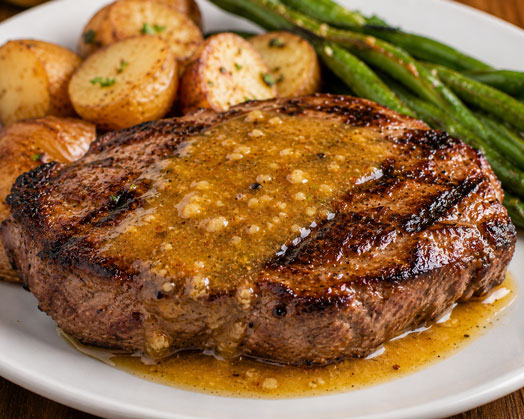
Homemade Steak Sauce
This classic steak sauce combines butter, Worcestershire sauce, lemon juice, garlic, and seasonings into a bold sauce that pairs well with grilled steak, burgers, pork chops, and roasted vegetables.
Ingredients
- 1/2 cup butter
- 2 tablespoons Worcestershire sauce
- 3/4 teaspoon black pepper
- 2 drops hot pepper sauce
- 1/2 cup lemon juice
- 1 garlic clove, minced
- 1/2 teaspoon prepared mustard
- Pinch of seasoning salt
Directions
- Place all ingredients into a small saucepan.
- Heat over medium heat until the butter melts.
- Bring just to a gentle boil while stirring.
- Serve warm over grilled meats or refrigerate for later use.
Kid Chef Tips
- Fresh garlic gives the best flavor.
- Taste the sauce before serving and adjust the pepper or lemon juice if needed.
- Try it on burgers or roasted potatoes, meatloaf or grilled chicken.
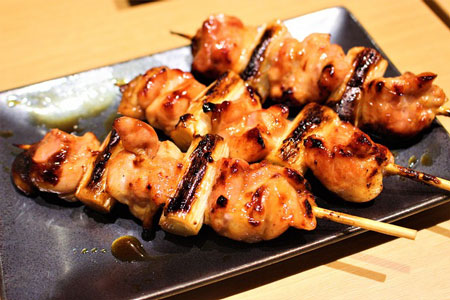
Homemade Teriyaki Sauce
Teriyaki sauce is one of the easiest international sauces to make. It combines soy sauce, brown sugar, garlic, and ginger to create a sweet-and-savory glaze that's delicious on chicken, beef, pork, seafood, vegetables, and rice bowls.
Ingredients
- 1/4 cup soy sauce
- 1 tablespoon Worcestershire sauce
- 1/4 cup brown sugar
- 1/4 cup water
- 2 teaspoons ground ginger
- 1 garlic clove, minced
Directions
- Whisk all ingredients together in a measuring cup or bowl.
- Use immediately as a marinade or simmer for several minutes to create a thicker sauce.
- Brush over chicken, beef, pork, vegetables, or kabobs while cooking.
Great Ways to Use Teriyaki Sauce
- Chicken stir-fry
- Grilled chicken
- Beef kabobs
- Rice bowls
- Roasted vegetables
- Salmon or shrimp
Asian Peanut Sauce
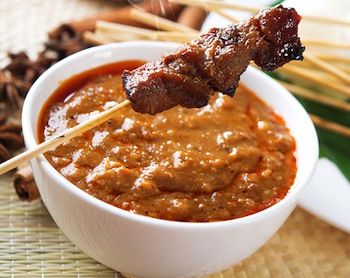
Creamy peanut sauce is popular in many Asian-inspired dishes. It makes a wonderful dip for vegetables, a sauce for grilled chicken, or a topping for noodles and rice bowls.
Kid Chef Tips
- Stir natural peanut butter before measuring so the oil is evenly mixed.
- If the sauce is too thick, whisk in a little chicken broth, coconut milk, or warm water until it reaches your desired consistency.
- Use peanut sauce as a dip for fresh vegetables, chicken satay, spring rolls, or grilled shrimp.
- It's also delicious tossed with cooked noodles, spooned over rice bowls, or drizzled on stir-fried vegetables.
Steak Marinade
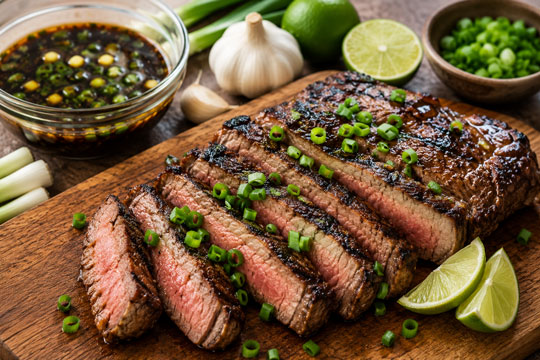
Marinating steak before cooking helps add flavor while keeping the meat juicy. This simple marinade works equally well for beef kabobs, grilled steaks, and even chicken.
Ingredients
- 1/2 cup soy sauce
- 1/2 cup chopped green onions, divided
- 3 tablespoons lime juice
- 2 tablespoons brown sugar
- Several dashes hot sauce
- 1 garlic clove, minced
- 2 pounds boneless sirloin steak
Directions
- Combine all marinade ingredients in a large zip-top bag.
- Add the steak and seal the bag.
- Refrigerate for at least 2 hours, turning occasionally.
- Remove the steak from the marinade and discard the used marinade.
- Grill or bake until the steak reaches your preferred doneness.
Food Safety Reminder
Always marinate meat in the refrigerator, never on the kitchen counter. Throw away any marinade that has touched raw meat unless it is boiled before using as a sauce.
Homemade Salad Dressings and Everyday Condiments
Salad dressings and condiments do much more than top salads. They can be used as marinades, sandwich spreads, dipping sauces, and flavor boosters for vegetables, chicken, fish, and pasta. Learning to make your own dressings helps young cooks practice whisking, measuring liquids, balancing flavors, and experimenting with herbs and spices.
Cooking Skill: Balance the Flavors
Most dressings combine four basic flavors: fat (oil or mayonnaise), acid (vinegar or lemon juice), seasoning (herbs and spices), and sometimes a little sweetness from honey or sugar. Changing one ingredient creates an entirely new dressing.
Common Dressings and Condiments
Different dressings and condiments are designed for different foods. Here are a few popular choices and how they're commonly used.
| Homemade Dressing or Condiment | Common Uses |
|---|---|
| Ranch Dressing | Salads, fresh vegetables, wraps, sandwiches, baked potatoes, and dipping sauce. |
| Honey Dijon Vinaigrette | Green salads, pasta salads, roasted vegetables, grilled chicken, and grain bowls. |
| Healthy Ketchup | Burgers, fries, meatloaf, chicken nuggets, roasted potatoes, and sandwiches. |
| Tartar Sauce | Fish, fish sticks, crab cakes, shrimp, seafood, and roasted vegetables. |
Homemade Ranch Dressing
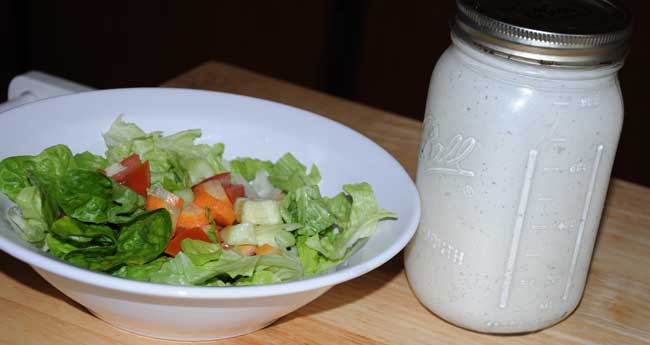
Fresh homemade ranch dressing is easy to make and tastes brighter than many bottled versions. Use it on salads, as a vegetable dip, or spread it on wraps and sandwiches.
Ingredients
- 3/4 cup mayonnaise
- 1/4 cup buttermilk
- 1/3 cup finely minced celery with leaves
- 2 tablespoons chopped fresh parsley
- 1 tablespoon grated onion
- 1 garlic clove, minced
- 1/4 teaspoon dried thyme
- 1/4 teaspoon celery seed
- 1/4 teaspoon salt
- 1/8 teaspoon black pepper
Directions
- Add all ingredients to a salad dressing shaker, mason jar, or bowl.
- Shake or whisk until thoroughly combined.
- Cover and refrigerate for at least 30 minutes before serving.
- Serve on salads, with vegetables, or as a dipping sauce.
Kid Chef Tips
- Fresh parsley gives the dressing its best flavor.
- Let the dressing chill before serving so the herbs have time to blend together.
- If you prefer a thinner dressing, whisk in a little more buttermilk.
- Store refrigerated for about one week.
Try These Variations
- Add chopped fresh dill.
- Mix in Parmesan cheese.
- Add cracked black pepper for extra flavor.
- Use Greek yogurt instead of part of the mayonnaise for a lighter version.
Honey Dijon Vinaigrette
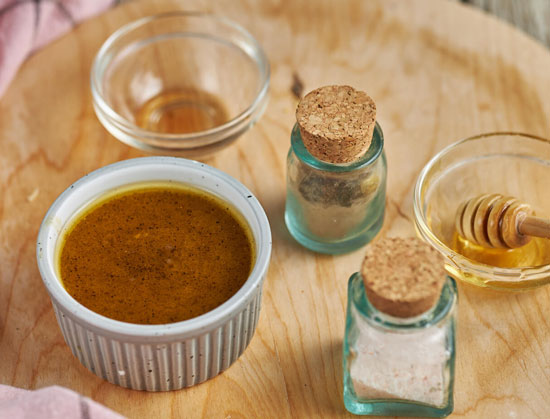
Vinaigrettes are one of the easiest homemade dressings because they only require a few ingredients. This sweet-and-tangy dressing is delicious on salads, roasted vegetables, grilled chicken, or grain bowls.
Ingredients
- 1 teaspoon Dijon mustard
- 2 tablespoons honey
- 2 tablespoons apple cider vinegar
- 4 tablespoons olive oil
- Salt and pepper, to taste
Directions
- Add all ingredients to a small jar with a lid.
- Shake vigorously until creamy and well blended.
- Taste and adjust the seasoning if needed.
- Drizzle over salads or roasted vegetables.
Kid Chef Tips
- Shake just before serving because homemade vinaigrettes naturally separate.
- Taste after mixing and adjust the sweetness or acidity.
- Try different vinegars to change the flavor.
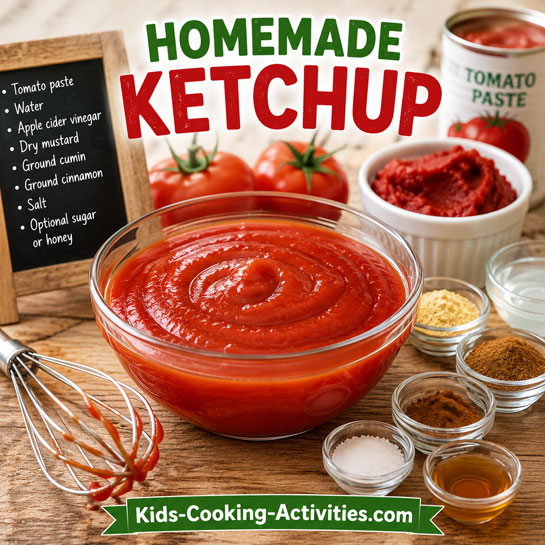
Healthy Homemade Ketchup
Making ketchup at home lets you control the sweetness, salt, and seasonings while avoiding unnecessary preservatives. It's a fun recipe for experimenting with flavor.
Ingredients
- 1 can tomato paste
- Water
- Apple cider vinegar
- Dry mustard
- Ground cumin
- Ground cinnamon
- Salt, to taste
- Optional sugar or honey
Directions
- Place the tomato paste into a bowl.
- Slowly whisk in water until it reaches your preferred consistency.
- Add apple cider vinegar, mustard, cumin, cinnamon, and salt.
- Taste and adjust the seasonings or sweetness.
- Refrigerate before serving.
Kid Chef Tips
- Add the water a little at a time until the ketchup reaches the consistency you like.
- Taste the ketchup before adding sugar or honey—you may find it doesn't need any extra sweetness.
- Refrigerate the ketchup for at least 30 minutes before serving so the flavors have time to blend.
- Store homemade ketchup in an airtight container in the refrigerator and use within about one week.
Fun Flavor Experiments
- Try smoked paprika for smoky ketchup.
- Add garlic powder or onion powder.
- Mix in a little honey instead of sugar.
- Stir in chipotle powder for a spicy version.
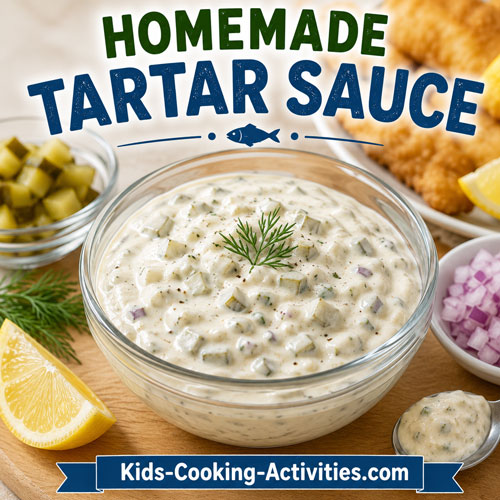
Healthy Tartar Sauce
This lighter tartar sauce uses Greek yogurt to create a creamy dip that's perfect for baked fish, fish sticks, crab cakes, roasted potatoes, or vegetables.
Ingredients
- 1/2 cup plain Greek yogurt
- 1 tablespoon olive oil mayonnaise
- 1 finely chopped dill pickle
- 2 tablespoons finely chopped red onion
- 1 teaspoon lemon juice
- 1/4 teaspoon garlic powder
- 1/8 teaspoon black pepper
Directions
- Whisk all ingredients together until smooth.
- Cover and refrigerate for at least 1 hour.
- Serve with seafood, vegetables, or potatoes.
Kid Chef Tips
- Finely chop the pickle and onion for the smoothest texture.
- Chilling the sauce improves the flavor.
- This also makes a tasty sandwich spread.
Try These Variations
- Stir in fresh chopped dill for a brighter, garden-fresh flavor.
- Add chopped capers for a tangy tartar sauce that's perfect with seafood.
- Replace the dill pickle with sweet relish for a slightly sweeter version.
- Use fresh lime juice instead of lemon juice for a citrus twist that pairs well with fish tacos and grilled shrimp.
- Skip the mayonnaise and use all Greek yogurt for an even lighter, high-protein tartar sauce.
Sweet Sauces and Homemade Syrups
Not every sauce is served with dinner! Sweet sauces are perfect for desserts, pancakes, waffles, fruit, ice cream, and baked treats. These recipes teach kids how heating sugar, chocolate, butter, and milk creates smooth dessert toppings while practicing careful stirring and measuring.
Cooking Skill: Prevent Burning
Sweet sauces often contain sugar, which can scorch quickly if the heat is too high. Cook over medium or low heat and stir often to keep the sauce smooth and prevent sticking.
Homemade Hot Fudge Sauce
Rich homemade hot fudge sauce turns ordinary ice cream into a special dessert. It also tastes delicious over brownies, cheesecake, waffles, pancakes, fresh fruit, and crepes.
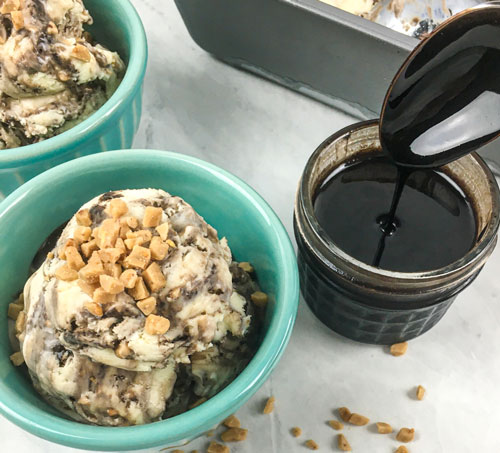
Follow our complete recipe here: Homemade Hot Fudge Sauce
Delicious Ways to Use Hot Fudge Sauce
- Ice cream sundaes
- Brownies
- Cheesecake
- Pancakes and waffles
- Fresh strawberries and bananas
- Chocolate fondue platter
Homemade Pancake Syrup
Making pancake syrup from scratch is much easier than many people expect. It's a fun beginner recipe that teaches measuring, dissolving sugar, and simmering liquids without boiling over.
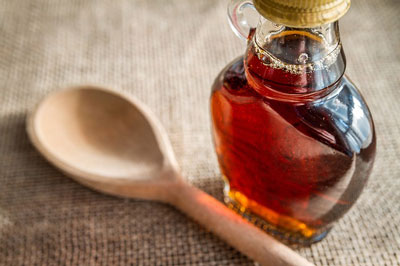
See the complete recipe here: Homemade Pancake Syrup
Kid Chef Tips
- Stir until the sugar completely dissolves.
- Don't boil the syrup too hard or it may become too thick.
- Allow the syrup to cool slightly before serving.
- Store leftovers in the refrigerator.
More Than Pancakes!
- French toast
- Belgian waffles
- Crepes
- Biscuits
- Fresh fruit
- Yogurt parfaits
Sweet Sauce Ideas to Try Next
Homemade Barbecue Sauce Video
Videos are a helpful way for kids to see how ingredients change as they are stirred, simmered, and blended together. Watch this homemade barbecue sauce video, then compare the method with the written barbecue sauce recipe above.
Watch For These Cooking Skills
- Measuring liquid ingredients
- Combining sweet, tangy, salty, and savory flavors
- Stirring until smooth
- Knowing when a sauce is ready to use
- Thinking of different foods that pair well with barbecue sauce
After Watching
Ask kids what ingredients gave the sauce sweetness, tanginess, saltiness, and spice. Then have them compare homemade barbecue sauce with a store-bought version and describe the difference in flavor.
Practice Your New Sauce Skills
Ready to put your new cooking skills to work? Challenge yourself to make one recipe from each category. As you practice, you'll become more comfortable measuring ingredients, balancing flavors, and creating meals from scratch.
- Make a tomato-based sauce such as spaghetti sauce or homemade tomato sauce.
- Prepare a cream sauce like white sauce or Alfredo sauce using a simple roux.
- Mix a homemade dressing such as ranch dressing or honey Dijon vinaigrette.
- Marinate chicken or beef using teriyaki sauce or a homemade steak marinade before cooking.
- Create your own signature sauce by experimenting with fresh herbs, spices, and seasonings.
Every great cook starts by mastering a few basic techniques. Once you're comfortable with these five skills, you'll be ready to create your own delicious homemade sauces and adapt recipes with confidence.
Frequently Asked Questions
Why should I make homemade sauces instead of buying them?
Homemade sauces usually contain fewer preservatives and allow you to control the amount of salt, sugar, herbs, and spices. They are often less expensive than store-bought sauces and can be customized for your family's favorite flavors.
What's the difference between a sauce, a marinade, and a dressing?
A sauce is usually served with or over food. A marinade is used before cooking to add flavor and sometimes tenderize meat or vegetables. A dressing is most often used on salads, although many dressings also work as marinades.
What is a roux?
A roux is a cooked mixture of butter (or another fat) and flour. It is used to thicken white sauces, cheese sauces, gravies, soups, and many casseroles. Learning to make a roux is one of the most useful cooking skills for beginner cooks.
Can homemade sauces be frozen?
Many tomato-based sauces, barbecue sauces, and marinades freeze very well. Cream-based sauces may separate after freezing but can often be whisked back together while reheating.
How long do homemade sauces last in the refrigerator?
Most homemade sauces should be stored in airtight containers and used within 3 to 5 days. Always follow safe food storage practices and discard any sauce that develops an unusual smell, color, or texture.
How can I thicken a sauce that is too thin?
Continue simmering the sauce to reduce excess liquid, or use a thickening method such as a roux, cornstarch slurry, or tomato paste, depending on the recipe. Stir continuously while thickening to keep the sauce smooth.
What can I do if a sauce is too salty or too spicy?
Try adding more of the main ingredients, such as tomatoes, broth, cream, or water, to dilute the seasoning. Sweet ingredients like honey or brown sugar can balance spicy sauces, while dairy products often mellow heat.
What are the easiest homemade sauces for beginner cooks?
White sauce, homemade spaghetti sauce, barbecue sauce, pancake syrup, ranch dressing, and honey Dijon vinaigrette are excellent beginner recipes because they teach measuring, whisking, simmering, and balancing flavors while using simple ingredients.
Related Sauce & Cooking Lessons
Keep practicing sauce-making, seasoning, mixing, and beginner cooking skills with these related lessons and recipe collections.
 Sauce Basics
Discover the five mother sauces and learn how simple techniques like simmering, whisking, and making a roux create hundreds of different recipes.
 Cooking with Herbs & Spices
Learn how herbs, spices, marinades, dry rubs, and condiments add flavor to food.
 White Pepper Gravy
Learn how to make a smooth, creamy white pepper gravy from scratch for biscuits, mashed potatoes, chicken fried steak, pork chops, and more.


 International Cooking Lessons
Explore sauces, spices, dressings, and flavor combinations from around the world.
 Basic Cooking Lessons
Build confidence in the kitchen by learning measuring, mixing, kitchen safety, reading recipes, and other essential cooking skills.
 Kids Cooking Lessons
Follow age-appropriate cooking lessons that teach measuring, mixing, baking, kitchen safety, and other essential cooking skills.
 Meal Planning
Plan weekly meals, reduce food waste, save money at the grocery store, and make the most of your homemade pantry mixes.
Submit your favorite kids recipe
Do you have a favorite recipe your kids love to make? Or a recipe your kids ask you to make again and again? Share it with us!
Reader's Submitted Recipes
Click below to see contributions from other visitors to this page...
Avocado Mayo
Homemade Avocado Oil Mayonnaise This easy homemade mayonnaise comes together in about 5 minutes using an immersion blender. Made with creamy avocado …
White Pepper Gravy
Homemade White Pepper Gravy This easy white pepper gravy is a classic comfort food recipe made with butter, flour, milk, salt, and plenty of black pepper. …
Continue Learning
Ready for the next cooking lesson? These beginner-friendly pages help kids keep practicing sauces, seasonings, kitchen skills, and homemade recipes.
Basic Cooking Lessons Stock and soups 5 mother sauces Yeast and baking breads Herbs and spices Vegetables Dry beans Grains Eggs Different cooking methods Growing an herb garden How to Cook Q&A
Make More Pantry Staples from Scratch
Homemade sauces are one simple way to save money, control ingredients, and reduce the number of packaged foods your family buys. Continue exploring practical recipes, pantry ideas, and money-saving kitchen skills.
Get Free Kids Recipe Cards + Cooking Printables
Join Kids Cooking Activities for fun recipes, cooking ideas, and printable resources for kids, families, and classrooms.
Follow Kids Cooking Activities too:






© Debbie Madson, Madson Web Publishing, LLC — All rights reserved.
The material on this site is for educational purposes only.