Blindfold Taste Test Food Science Experiment for Kids
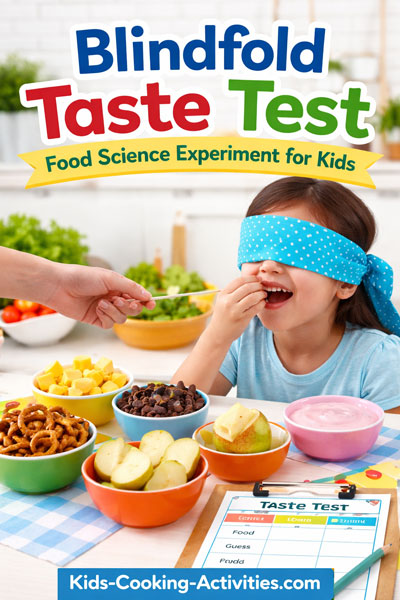
The blindfold taste test is a fun and easy food science experiment that helps kids explore how their senses work together. Children are often surprised to discover that foods can taste very different when they cannot see what they are eating or smell it first.
This simple activity is a great way to introduce the 5 senses while encouraging observation, prediction, and discussion.
This food science experiment works well at home, in the classroom, or as part of a kids cooking lesson. All you need are a few small food samples from your kitchen and a blindfold. Kids will have fun guessing each food and learning how sight, smell, and taste all help identify flavors. This activity is part of our Food Science Experiments for Kids collection where you can explore kitchen chemistry, growing experiments, and edible science projects.
Kids Cooking Activities Teaching Materials
Teaching kids to cook? Save time with ready-made lesson plans used by parents and teachers. Browse teaching materials →


This page may contain affiliate links. We may earn a small commission at no extra cost to you. Learn more.
Experiment Summary
- Time: 15 to 20 minutes
- Difficulty: Easy
- Supplies: Food samples, blindfold, small cups or plates
- Science Concept: Taste, smell, sight, texture, and the 5 senses
Make a Prediction
Before tasting each food, ask kids to predict what they think it might be.
- Will this food be easy or hard to guess?
- Will the child guess differently when they hold their nose?
- Which clues will help the most: taste, smell, or texture?
What You Need
- 3 to 5 different food samples
- Blindfold
- Small plates or cups for the samples
- Pencil and paper to record guesses
- Optional: chart for predictions and results
Sample Foods to Try
Choose foods with different flavors and textures. Try using a mix of sweet, salty, soft, crunchy, or tangy foods. We used:
- Cheese
- Pears
- Yogurt
- Pretzels
- Chocolate chips
You could also try apple slices, crackers, raisins, cucumbers, bananas, cereal, marshmallows, or small cubes of bread.
How to Do the Blindfold Taste Test
Step 1: Prepare the Samples
Place each food sample on a small plate or in a small cup. Keep the pieces bite-sized and easy to taste. If you are working with several children, prepare enough samples for each child to have a turn.
Step 2: Blindfold the Tester
Have the child who is doing the experiment put on a blindfold. For an extra challenge, ask them to gently hold their nose closed so they cannot smell the food while tasting it.
Step 3: Make a Prediction
Give the child one sample at a time. Before revealing the answer, have them guess what they think the food is. Write down each prediction.
Step 4: Compare the Results
After all the foods have been tested, remove the blindfold and compare the guesses with the actual foods. Talk about which foods were easy to identify and which ones were harder to guess.
What Happens?
Many kids are surprised that they do not always guess correctly. Foods can be much harder to identify when you cannot see them or smell them first. Even familiar foods may seem different when only one sense is being used.
The Science Behind It
Your senses work together to help you understand what you are eating. Taste is only one part of flavor. Your sense of smell plays a big role too. Sight also gives your brain clues about what to expect before you even take a bite.
When a child is blindfolded and cannot smell the food well, it becomes much harder to identify flavors correctly. This is why foods often seem to taste different when you have a cold and your nose is stuffed up.
In this activity, kids mostly use:
- Taste to notice sweet, salty, sour, or bitter flavors
- Smell to help recognize food aromas
- Sight to identify foods before tasting
- Touch to notice texture such as crunchy, smooth, or soft
Why It Matters in Cooking
This experiment helps kids understand that food is more than taste alone. In cooking, flavor depends on several senses working together. Appearance, texture, smell, and temperature all change how foods are experienced.
- Kids learn that smell affects flavor
- They see why texture matters when eating
- They understand why appearance changes expectations
- It connects science to everyday food experiences
Questions to Ask Kids
- Which food was the easiest to guess?
- Which food was the hardest to identify?
- Did any foods taste different than expected?
- How did holding your nose change the experiment?
- What clues besides taste helped you guess the food?
Ways to Extend the Experiment
- Try the experiment once with a blindfold only and once with both a blindfold and nose pinched shut.
- Group foods by texture such as crunchy, creamy, chewy, or soft.
- Test foods of the same color to make guessing harder.
- Have kids make a chart of predictions and correct answers.
- Discuss which of the 5 senses was most helpful.
Safety Tips
- Check for food allergies before beginning.
- Use foods that are age-appropriate and easy to chew.
- Cut foods into small pieces.
- Supervise young children during the activity.
What Kids Learn
- How the 5 senses work together
- How smell affects flavor
- How to make predictions and compare results
- How to observe food texture and taste
- How science can be explored through everyday kitchen activities
Blindfold Taste Test Food Science Experiment FAQ
What does the blindfold taste test teach kids?
This experiment teaches kids that taste, smell, sight, and texture all work together to help identify foods.
Why is food harder to guess with a blindfold?
Without seeing the food, children lose an important clue. If they also hold their nose, they lose much of the smell that helps recognize flavor.
What foods work best for a blindfold taste test?
Foods with different textures and flavors work best, such as fruit, cheese, pretzels, yogurt, cereal, crackers, or chocolate chips.
Is this a good experiment for learning about the 5 senses?
Yes. This is a simple and effective activity for showing how several senses work together at the same time.
Try These Kitchen Science Experiments Next
If you enjoyed the Blindfold Taste Test experiment, try these other fun food science activities using simple kitchen ingredients.
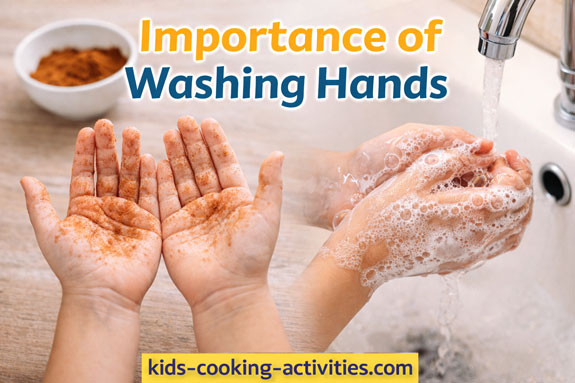
Washing Hands Experiment
See how germs are often invisible, but they can still move quickly.
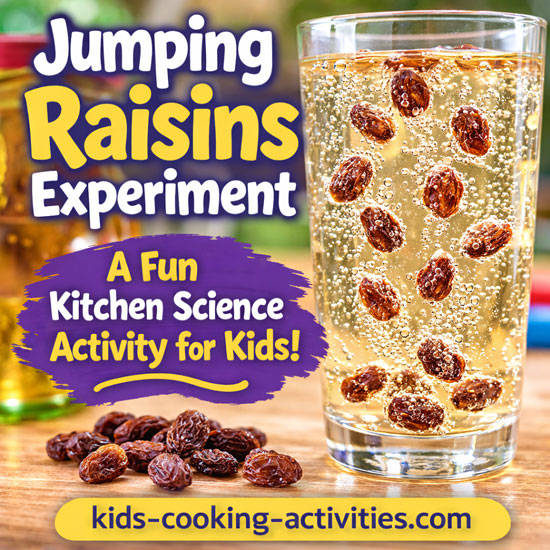
Jumping Raisins Experiment
See how bubbles attach to raisins and make them rise and fall in a fizzy drink.
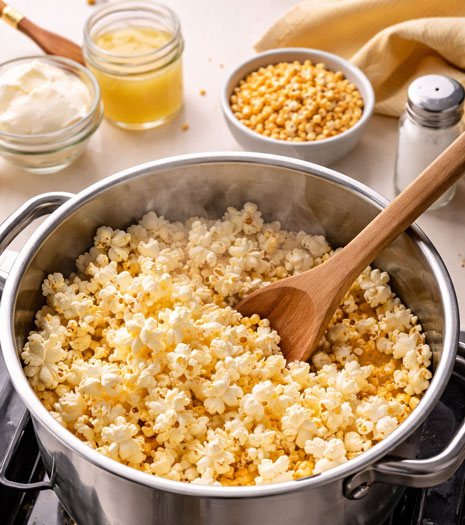
Popcorn Science
Discover why popcorn kernels pop and how heat changes the moisture inside each kernel.
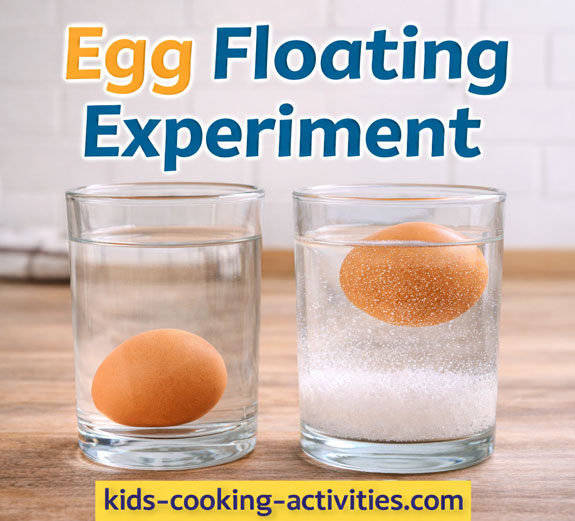
Egg Floating Experiment
See how density changes whether an object sinks or floats.
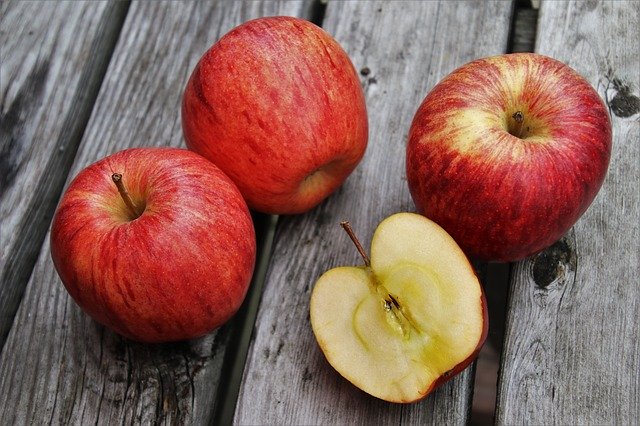
Apple Experiment
Use apples to explore freshness, browning, and how ingredients affect food over time.
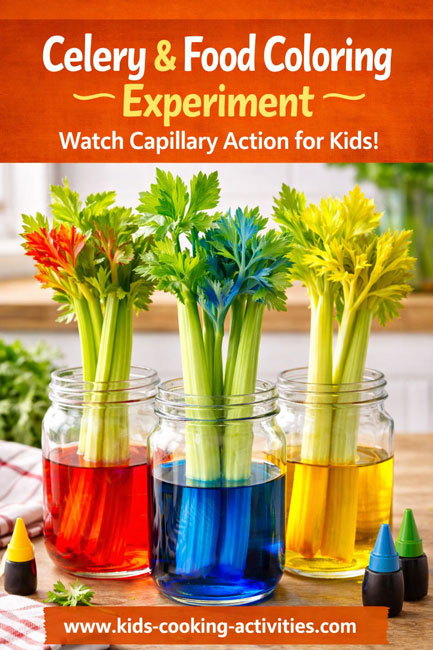
Celery Food Coloring Experiment
Watch colored water travel through celery stalks and see how plants move water through their stems.
Get Free Kids Recipe Cards + Cooking Printables
Join Kids Cooking Activities for fun recipes, cooking ideas, and printable resources for kids, families, and classrooms.
Follow Kids Cooking Activities too:





© Debbie Madson, Madson Web Publishing, LLC — All rights reserved.
The material on this site is for educational purposes only.