

Jumping Raisins Experiment for Kids
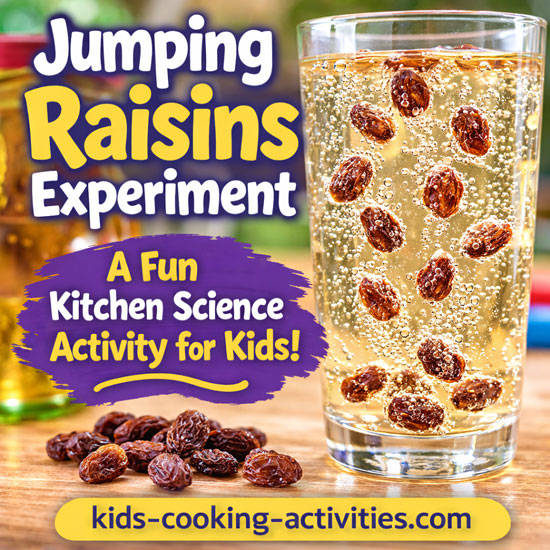
The jumping raisins experiment is a quick and easy food science activity that lets kids watch raisins rise and fall in a fizzy drink. Tiny gas bubbles attach to the raisins and lift them upward, making them appear to dance in the glass.
This activity is part of our Food Science Experiments for Kids collection where you can explore kitchen chemistry, density, and other hands-on science activities connected to food.
Experiment Summary
- Time: 5 minutes
- Difficulty: Easy
- Supplies: Raisins and fizzy drink
- Science concept: Gas bubbles, buoyancy, and floating and sinking
Kids Cooking Activities Teaching Materials
Teaching kids to cook? Save time with ready-made lesson plans used by parents and teachers. Browse teaching materials →


This page may contain affiliate links. We may earn a small commission at no extra cost to you. Learn more.
Make a Prediction
Before adding the raisins, ask kids what they think will happen.
- Will the raisins float?
- Will they sink?
- Will they move up and down?
Write down the prediction and then test the experiment.
What You Need
- Clear glass or small container
- Raisins
- Sparkling water, soda, or sparkling juice
How to Do the Jumping Raisins Experiment
- Pour a fizzy drink into a clear glass or small container.
- Drop several raisins into the glass.
- Watch closely as bubbles attach to the raisins.
- Observe the raisins rise to the top of the glass.
- Watch the bubbles pop and the raisins sink again.
What Happens?
At first, the raisins sink to the bottom. Then tiny gas bubbles from the fizzy drink stick to the rough surface of the raisins. As more bubbles collect, the raisins become easier to lift and float toward the top. When the bubbles pop at the surface, the raisins lose that lift and sink again.
- Raisins sink at first
- Bubbles attach to the raisins
- The raisins float upward
- The bubbles pop
- The raisins sink again
The Science Behind Jumping Raisins
Carbonated drinks contain dissolved carbon dioxide gas. When the drink is poured, the gas forms bubbles. Those bubbles cling to the rough surface of the raisins and increase their buoyancy. Once the raisins reach the top and the bubbles pop, the raisins become heavier again and fall back down.
This repeating cycle makes the raisins appear to jump or dance in the glass.
Why It Matters in Cooking
This experiment helps kids understand how gases can affect food and liquids. Carbon dioxide is the same type of gas that creates fizz in soda and sparkling water. Learning about bubbles, gas, and floating helps children connect science ideas to foods they already know.
- Kids see how carbonation works in drinks
- They learn that bubbles can change movement in liquids
- It connects food science to everyday ingredients
- It builds observation and prediction skills for future experiments
Extension Idea: Dancing Raisins with Vinegar and Baking Soda
You can also create a similar dancing raisins experiment with a simple chemical reaction.
What You Need
- Glass jar
- Handful of raisins
- 4 tablespoons vinegar
- 1 tablespoon baking soda
- Water
How to Do It
- Fill a jar about three-quarters full with water.
- Add the vinegar and stir.
- Drop the raisins into the jar.
- Ask kids to predict what will happen when baking soda is added.
- Sprinkle in the baking soda and watch closely.
The vinegar and baking soda reaction produces carbon dioxide gas bubbles that cling to the raisins and lift them up and down in the jar.
Questions to Ask Kids
- Why do the raisins move up and down?
- What happens when the bubbles pop?
- Do bigger raisins jump faster or slower?
- Would other foods like dried cranberries or beans move the same way?
More Ways to Extend the Experiment
- Try different fizzy drinks such as sparkling water, lemon-lime soda, or sparkling juice.
- Test other small foods such as dried cranberries or popcorn kernels.
- Compare larger raisins with smaller raisins.
- See whether cold fizzy drinks work differently from room temperature drinks.
What Kids Learn
- How gases form bubbles
- How bubbles affect buoyancy
- How density influences floating and sinking
- How to make predictions in science experiments
- How chemical reactions can produce gas
See the Experiment Video
Jumping Raisins Experiment FAQ
Why do raisins jump in a fizzy drink?
Tiny gas bubbles attach to the rough surface of the raisins and lift them upward. When the bubbles pop at the surface, the raisins sink again.
What science concept does the jumping raisins experiment teach?
This experiment teaches buoyancy, gas bubbles, density, and how carbon dioxide in fizzy drinks can affect floating and sinking.
Can you do dancing raisins with vinegar and baking soda?
Yes. The reaction between vinegar and baking soda produces carbon dioxide gas bubbles that can also attach to raisins and make them move up and down.
What type of drink works best for jumping raisins?
Any fizzy drink such as sparkling water, soda, or sparkling juice can work, as long as it has enough carbonation to create bubbles.
Try These Kitchen Science Experiments Next
If you enjoyed the jumping raisins experiment, try these other fun food science activities using simple kitchen ingredients.
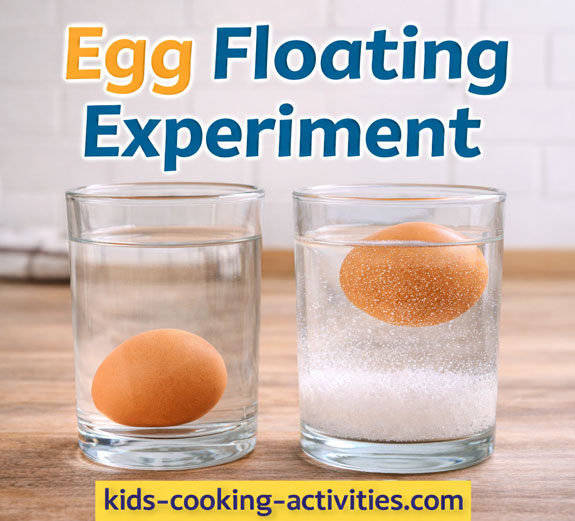
Egg Floating Experiment
See how density changes whether an object sinks or floats.
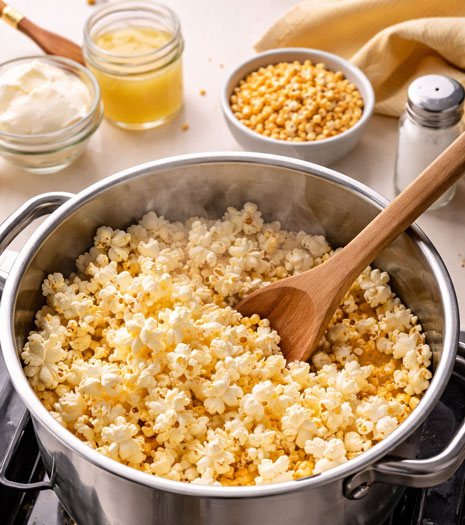
Popcorn Science
Discover why popcorn kernels pop and how heat changes the moisture inside each kernel.
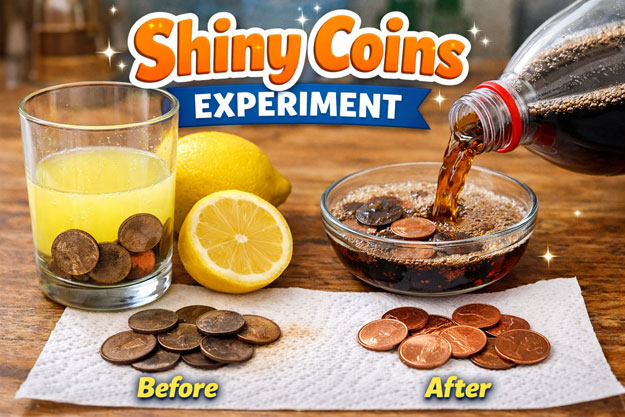
Shiny Coins Experiment
Use simple kitchen ingredients to help kids see how tarnish can be cleaned away.
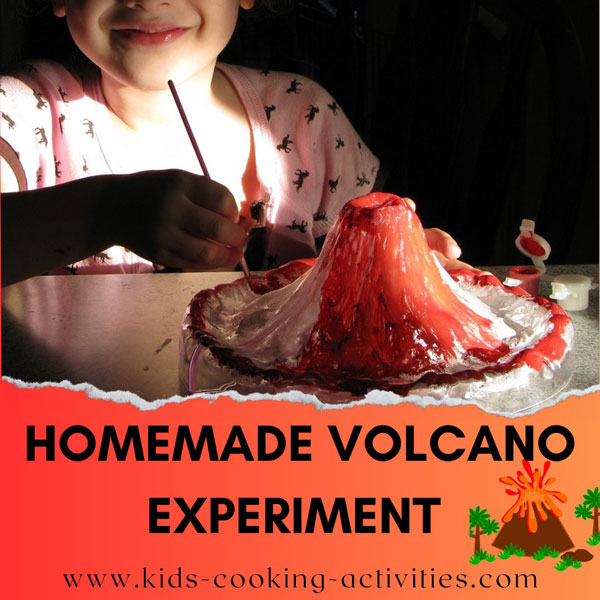
Homemade Volcano Experiment
Create a bubbling chemical reaction using common kitchen ingredients.
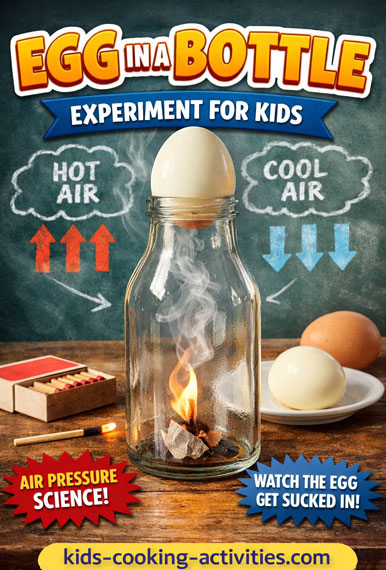
Egg in a Bottle Experiment
See how air pressure can push a peeled egg into a bottle.
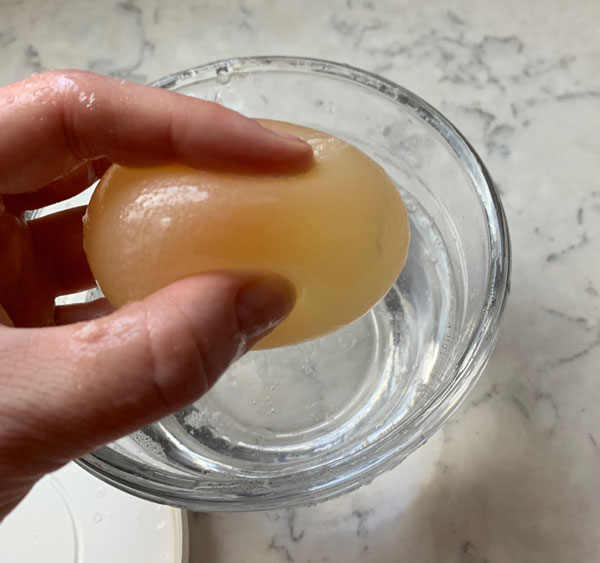
Rubber Egg Experiment
Soak an egg in vinegar and watch the shell dissolve to reveal a flexible, bouncy egg.
Get Free Kids Recipe Cards + Cooking Printables
Join Kids Cooking Activities for fun recipes, cooking ideas, and printable resources for kids, families, and classrooms.
Follow Kids Cooking Activities too:





© Debbie Madson, Madson Web Publishing, LLC — All rights reserved.
The material on this site is for educational purposes only.