

How to Make Cottage Cheese
Easy Food Science Experiment for Kids
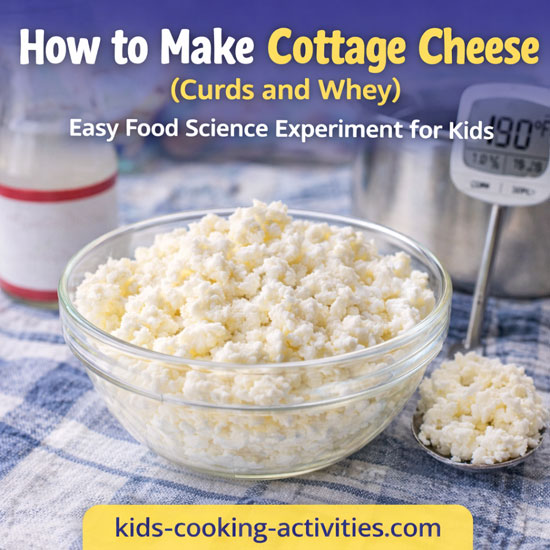
Making cottage cheese is a simple food science experiment that shows kids how milk can change into curds and whey. With just a few ingredients, children can watch a real chemical change happen right in the saucepan.
This hands-on activity is a fun way to learn about food science while making a fresh homemade cheese that can be eaten right away. This activity is part of our Food Science Experiments for Kids collection where you can explore kitchen chemistry, growing experiments, and edible science projects.
If you have ever wondered what curds and whey are, this experiment makes it easy to see. When vinegar is added to hot milk, the milk proteins separate. The solid parts are called curds, and the liquid left behind is called whey.
This method is easy, tastes great, and can even save money compared to buying small containers of cottage cheese at the store.
Kids Cooking Activities Teaching Materials
Teaching kids to cook? Save time with ready-made lesson plans used by parents and teachers. Browse teaching materials →


This page may contain affiliate links. We may earn a small commission at no extra cost to you. Learn more.
Experiment Summary
- Time: 20 to 30 minutes
- Difficulty: Easy
- Supplies: Milk, vinegar, saucepan, thermometer
- Science Concept: Curds and whey, acids, proteins, chemical change
Make a Prediction
- What will happen when vinegar is added to hot milk?
- Will the milk stay smooth?
- What do you think curds and whey will look like?
Homemade Cottage Cheese
Yield: About 1 cup
Prep time: 10 minutes | Cook time: 20 minutes | Total time: 30 minutes
Ingredients
- 1 quart milk
- 1/4 cup vinegar
- Pinch of salt
- 1 tablespoon cream, optional
Instructions
- Heat the milk in a saucepan to 190 degrees F.
- Remove from the heat and stir in the vinegar.
- Let the mixture cool for a few minutes while the curds and whey separate.
- Pour into a strainer and drain off the whey.
- Season the curds with salt. Stir in a little cream for a creamier texture if desired.
What You Need
- 1 quart milk
- 1/4 cup vinegar
- Pinch of salt
- Saucepan
- Thermometer
- Strainer
- Bowl
- Spoon
Note: This makes about 1 cup or less of cottage cheese. If you would like to make a larger batch, use 2 quarts of milk or more and increase the vinegar and salt accordingly.
How to Make Homemade Cottage Cheese
Step 1: Heat the Milk
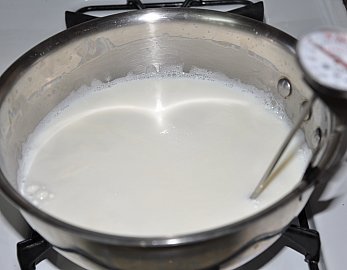
Pour the milk into a saucepan. Using a thermometer, heat the milk to 190 degrees F.
Step 2: Add the Vinegar
Take the milk off the heat once it reaches 190 degrees. Stir in the vinegar.
Step 3: Let It Cool
Let the milk mixture cool for a few minutes while the curds and whey begin to separate.
Step 4: Strain the Curds and Whey
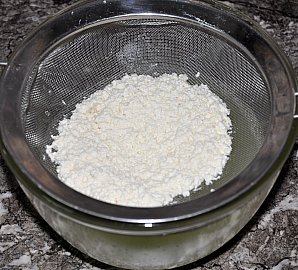
Pour the mixture into a strainer to drain off the whey, which is the liquid. The curds are the solid part that becomes cottage cheese.
Step 5: Save or Discard the Whey
You can throw out the whey or save it to use in other cooking and baking recipes.
Step 6: Season the Cottage Cheese
Add a pinch of salt to the curds. Your cottage cheese is now ready to eat.
Step 7: Make It Creamier
If you like creamy cottage cheese, stir in about 1 tablespoon or less of cream.
What Happens?
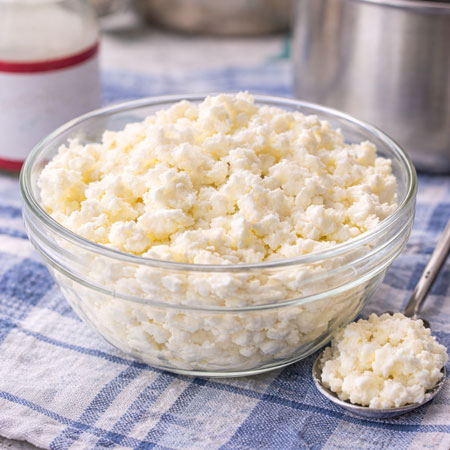
When the vinegar is added to the hot milk, the milk changes from a smooth liquid into two parts. The solid pieces become curds, and the watery liquid becomes whey. This change happens because the acid in the vinegar causes the milk proteins to separate.
The Science Behind Cottage Cheese Making
Milk contains proteins. When vinegar is added to hot milk, the acid causes those proteins to separate and clump together. These clumps are called curds. The liquid left behind is called whey.
This is a simple example of a chemical change in food science. Heating and acid work together to transform milk into a new food.
What Kids Learn
- How acids can change food
- What curds and whey are
- How milk proteins separate
- How heat affects ingredients
- How simple ingredients can become a new food
Why It Matters in Cooking
This is one of the best food science examples because kids can see a real ingredient turn into a brand new food. Cottage cheese shows how heat and acid can completely change texture, structure, and flavor.
- Milk turns into cheese
- Acid changes texture and structure
- Heat helps the process happen
- The same science is used in other dairy foods like ricotta, yogurt, and paneer
Questions to Ask Kids
- What happened when the vinegar was stirred into the milk?
- Which part was the curds?
- Which part was the whey?
- How did the milk look different before and after the vinegar was added?
- Why do you think heat was needed for this experiment?
Ways to Extend the Experiment
- Compare cottage cheese made with and without cream.
- Try using the whey in bread, pancakes, or soup.
- Discuss other foods that separate or curdle, such as yogurt or ricotta cheese.
- Record how much cottage cheese is made from 1 quart versus 2 quarts of milk.
Safety Tips
- Adult supervision is needed when heating milk on the stove.
- Use care when handling the hot saucepan.
- Use a thermometer carefully to avoid burns.
- Wash hands and utensils before and after preparing food.
How to Make Cottage Cheese FAQ
What are curds and whey?
Curds are the solid part of the milk that forms into cottage cheese. Whey is the liquid left behind after the milk proteins separate.
Why does vinegar make milk separate?
Vinegar is an acid. When it is added to hot milk, it causes the milk proteins to clump together and form curds.
Is making cottage cheese a science experiment?
Yes. It is a simple food science experiment because it shows how heat and acid can change milk into a different food.
Can kids eat the cottage cheese after the experiment?
Yes, as long as the ingredients are fresh and the cottage cheese is prepared safely, it can be eaten right away.
Try These Kitchen Science Experiments Next
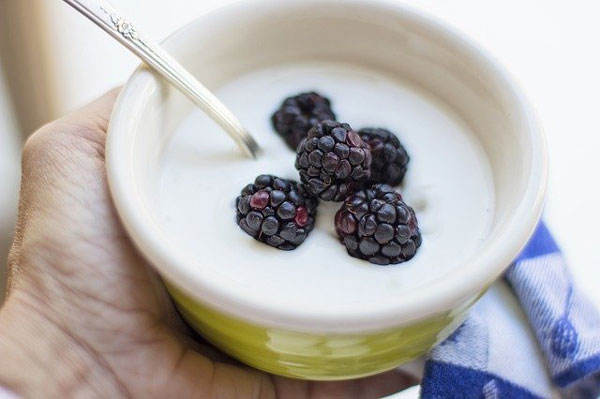
Make Homemade Yogurt
Learn how bacteria transform milk into creamy yogurt.
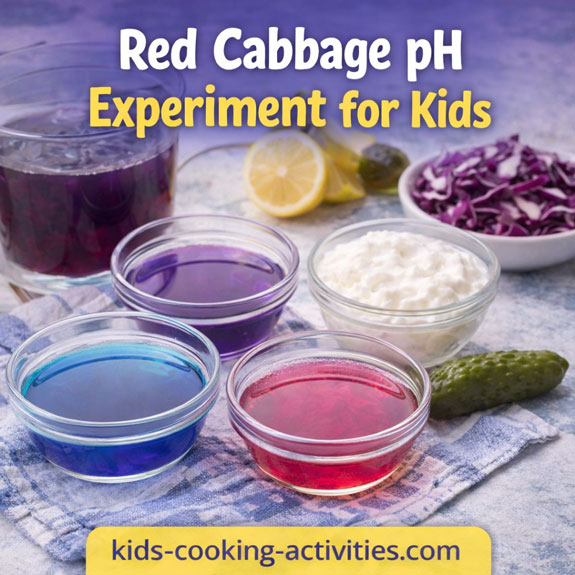
Red Cabbage pH Experiment
Use red cabbage water to test acids and bases and watch colorful changes happen.
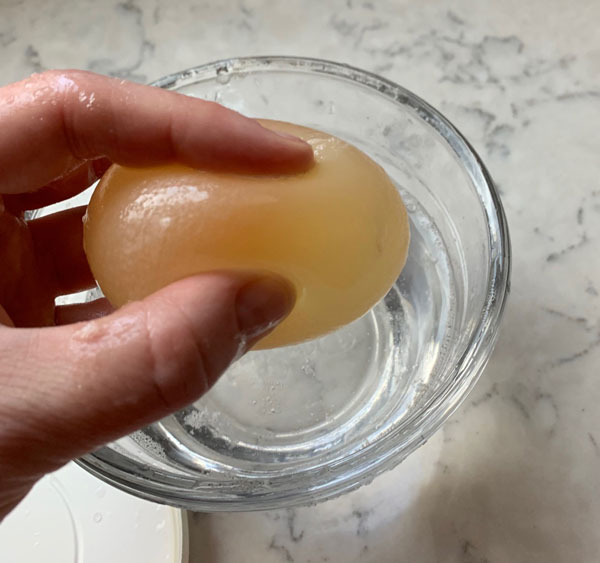
Rubber Egg Experiment
Soak an egg in vinegar and watch the shell dissolve to reveal a flexible, bouncy egg.
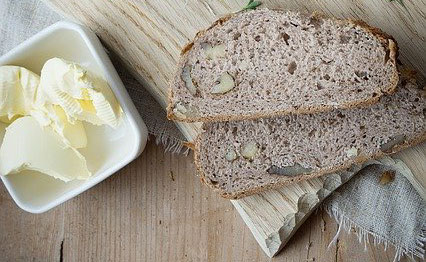
Homemade Butter Experiment
Shake cream until it separates into butter and buttermilk while learning about fat and motion.
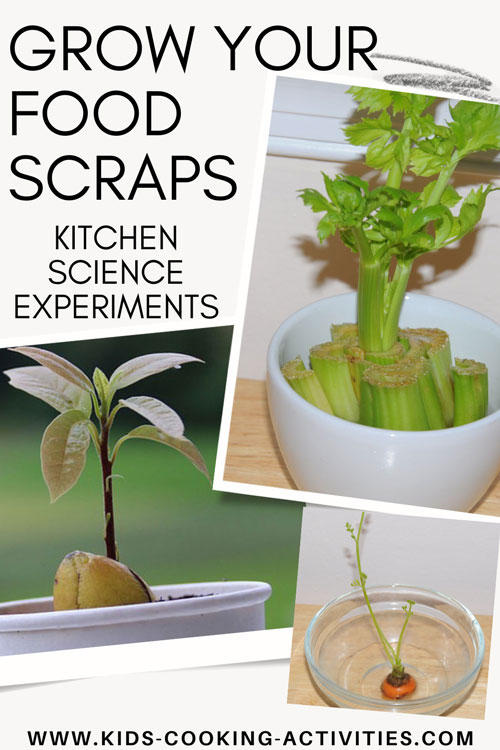
Grow Food from Scraps
See how vegetables like lettuce and celery can regrow using water, sunlight, and time.
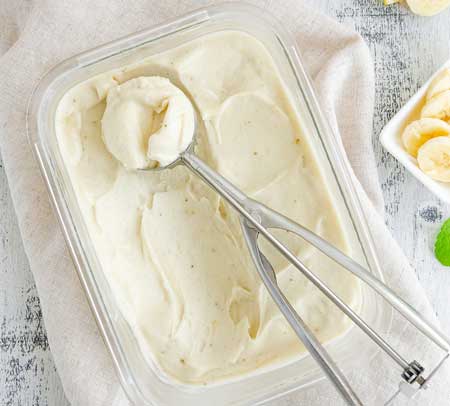
Homemade Ice Cream
Learn how salt lowers freezing temperature while making a fun frozen treat.
Get Free Kids Recipe Cards + Cooking Printables
Join Kids Cooking Activities for fun recipes, cooking ideas, and printable resources for kids, families, and classrooms.
Follow Kids Cooking Activities too:





© Debbie Madson, Madson Web Publishing, LLC — All rights reserved.
The material on this site is for educational purposes only.