

Make Homemade Yogurt
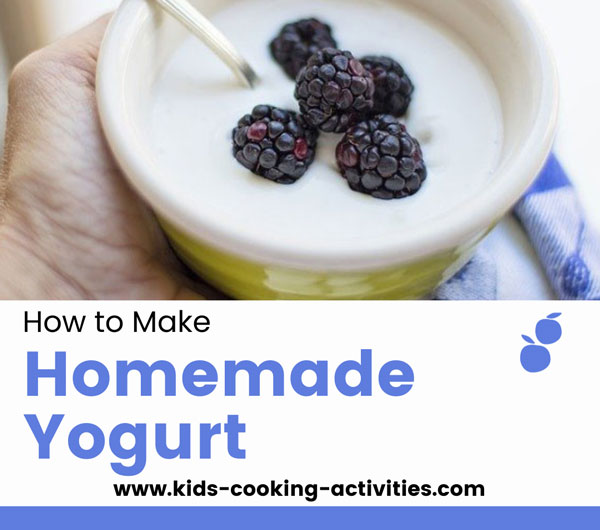
Learning how to make homemade yogurt is not only fun, it can also be a great food science experiment. With just milk, plain yogurt, and warmth, kids can observe how live bacteria transform milk into a thick, tangy food.
This activity is part of our Food Science Experiments for Kids collection where you can explore kitchen chemistry, growing experiments, and edible science projects.
Since yogurt takes several hours to sit, a good time to start is around 1 or 2 p.m. That way it can rest overnight and be ready to stir the next morning.
Kids Cooking Activities Teaching Materials
Teaching kids to cook? Save time with ready-made lesson plans used by parents and teachers. Browse teaching materials →


This page may contain affiliate links. We may earn a small commission at no extra cost to you. Learn more.
Experiment Summary
- Time: About 18 hours total
- Difficulty: Medium
- Supplies: Milk, plain yogurt, crockpot, thermometer optional
- Science Concept: Fermentation and live bacterial cultures
What Happens When You Make Homemade Yogurt?
Warm milk mixed with plain yogurt creates the right environment for live bacteria to grow. As the bacteria multiply, they ferment the milk sugars and thicken the milk into yogurt.
- Milk is heated
- The milk cools slightly
- Plain yogurt is stirred in
- The mixture stays warm overnight
- The milk thickens into yogurt
Result: A smooth, tangy yogurt made by fermentation.
What You Need
- 4 cups milk
- 1/4 cup plain yogurt with live active cultures
- Small 2-quart crockpot
- Bowl
- Whisk
- Large blanket or towels
- Plastic container for storage
How to Make It
Step 1: Heat the Milk
Use a small 2-quart crockpot, turn it to low, and pour in 4 cups of milk.
Step 2: Warm the Milk
Cover with the lid and cook on low for 3 hours.
Step 3: Let It Rest
Turn off the heat and let the milk sit in the covered crockpot for 3 hours.
Step 4: Remove Some Milk
After 3 hours, take out 1 cup of the warm milk and place it in a bowl.
Step 5: Add the Yogurt Starter
To the 1 cup of warm milk, add 1/4 cup of plain yogurt. Whisk together until smooth.
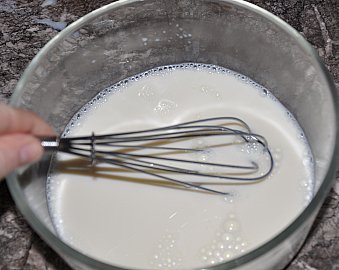
Step 6: Return the Mixture
Pour the yogurt and milk mixture back into the crockpot and whisk together.
Step 7: Keep It Warm Overnight
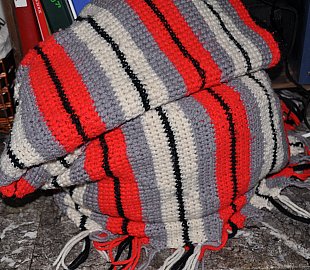
Cover the crockpot with a large blanket or towels and let it sit overnight.
By covering your crockpot, you are making an incubator.
Step 8: Stir and Chill
The next day, whisk the yogurt and place it in a plastic container. Store it in the refrigerator.
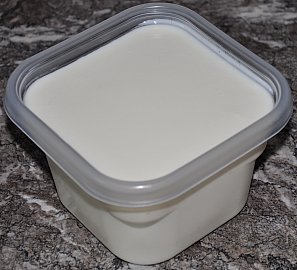
Use within 1 week to 10 days. If you would like to make it again, save 1/4 cup of your yogurt for the next batch.
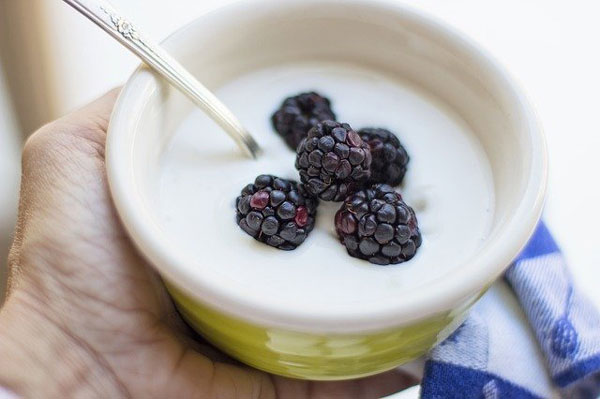
What Happens?
The ready-made yogurt has live bacteria in it. When those bacteria are combined with warm milk and kept in a warm place, they begin to grow and ferment the milk. As fermentation continues, the milk thickens and develops the tangy flavor we expect from yogurt.
The Science Behind Homemade Yogurt
Yogurt is made by fermentation. The live active cultures in the starter yogurt feed on the natural sugars in the milk. As they grow, they change the milk’s texture and flavor. Without these live bacteria cultures, yogurt will not form.
Why It Matters in Cooking
This experiment shows kids that some foods are made by helpful bacteria. Homemade yogurt is a great example of food science in everyday cooking. It teaches that temperature, time, and live cultures can completely change an ingredient.
- Kids learn how fermentation changes food
- They see why warmth matters in food science
- They understand how one food can help make another
- They connect science to something they can actually eat and use
What Kids Learn
- How fermentation changes food
- How live bacteria are used in cooking
- Why warmth matters in food science
- How milk changes texture over time
- How one batch can be used to start the next batch
Questions to Ask Kids
- What changed about the milk after it sat overnight?
- Why do you think the crockpot had to stay warm?
- What role did the plain yogurt play?
- How was the texture different before and after?
- Why is this considered fermentation?
Ways to Extend the Experiment
- Compare homemade yogurt with store-bought yogurt.
- Try adding fruit after the yogurt is finished.
- Record how thick the yogurt becomes after different resting times.
- Use part of your finished yogurt to start another batch.
Safety Tips
- Adult help is needed when using the crockpot.
- Use clean bowls, whisks, and containers.
- Refrigerate the yogurt after it has incubated.
- Do not keep yogurt past the recommended storage time.
Use Your Homemade Yogurt In
Parfaits
Stir into mashed potatoes
Yogurt Soup
With granola
Pancakes
Fruit Dip
Greek Gyros with sauce
Frozen Yogurt Snacks
Frozen Yogurt
Yogurt Bites
Yogurt Cups
You can make a larger batch if you know you will be able to use the yogurt within a week.
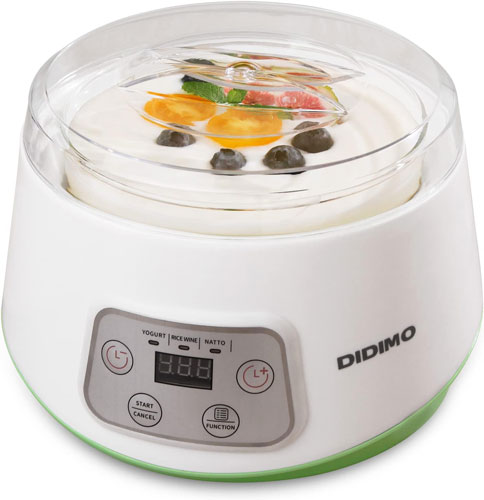
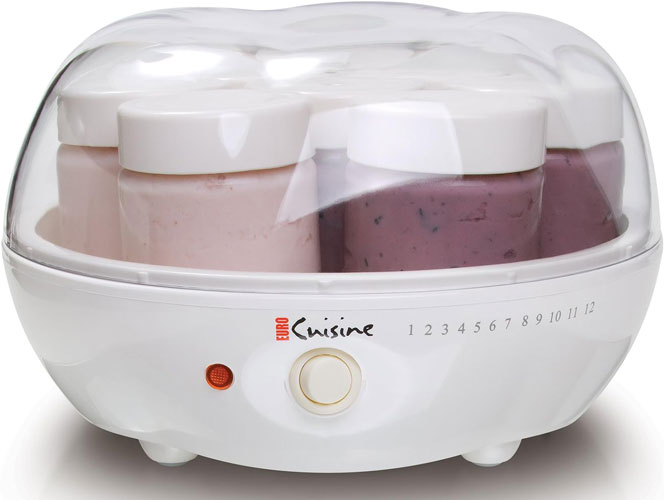
Homemade Yogurt Maker
Homemade Yogurt FAQ
Why does homemade yogurt need warmth?
The live bacteria in the yogurt need a warm environment to grow and ferment the milk.
What does the plain yogurt do in this experiment?
The plain yogurt provides the live active cultures that start the fermentation process.
How long does homemade yogurt take to make?
This method takes about 18 hours total, including warming, resting, overnight incubation, and chilling.
Can you use homemade yogurt to start another batch?
Yes. Save about 1/4 cup of your finished yogurt to use as the starter for the next batch.
Try These Kitchen Science Experiments Next
If you enjoyed this homemade yogurt activity, try these other fun food science experiments.
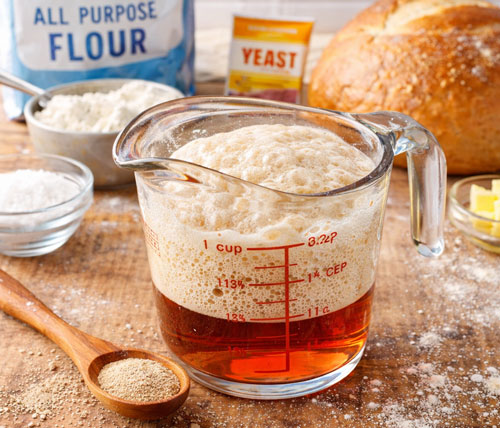
Proofing Yeast
See how yeast becomes active and produces gas that helps bread rise.
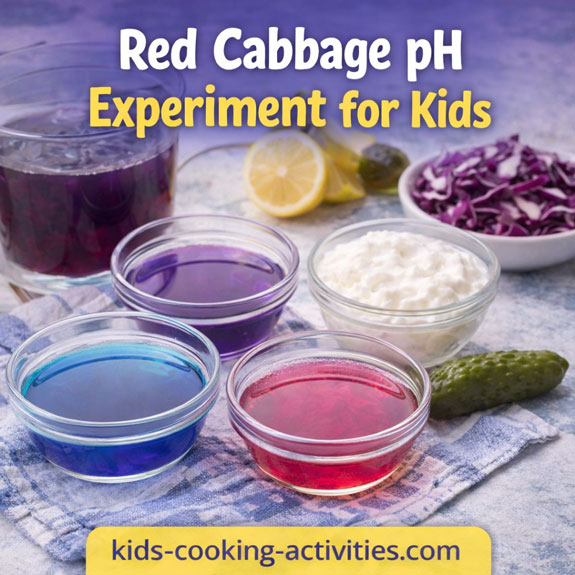
Red Cabbage pH Experiment
Use red cabbage water to test acids and bases and watch colorful changes happen.
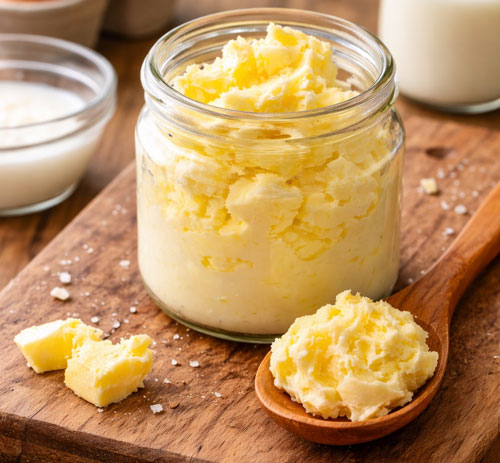
Shake Homemade Butter
See how shaking cream changes liquid into butter.
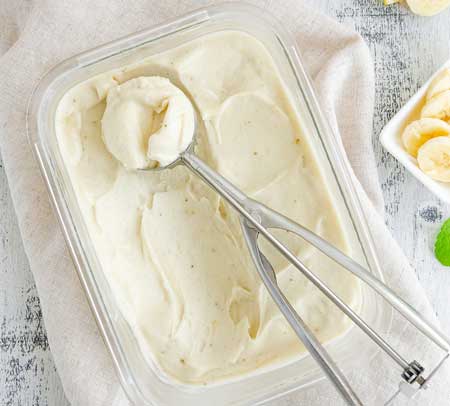
Homemade Ice Cream
Learn how salt lowers freezing temperature while making a fun frozen treat.
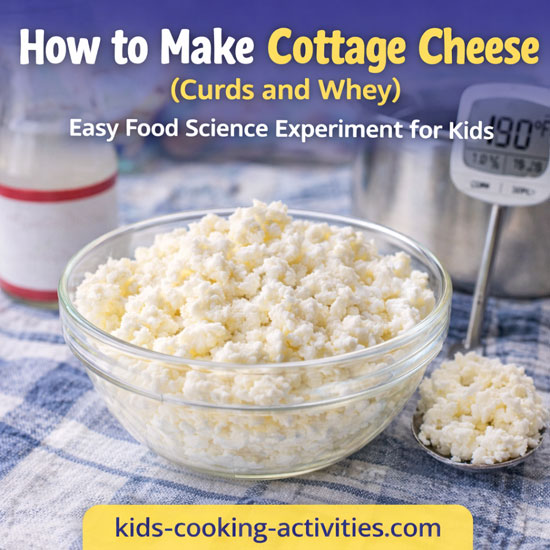
Homemade Cottage Cheese
See how acids change milk proteins and create curds in this simple kitchen experiment.
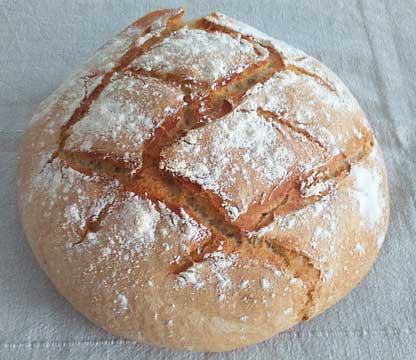
Sourdough Starter
Explore fermentation and the natural process that creates a sourdough starter.
Get Free Kids Recipe Cards + Cooking Printables
Join Kids Cooking Activities for fun recipes, cooking ideas, and printable resources for kids, families, and classrooms.
Follow Kids Cooking Activities too:





© Debbie Madson, Madson Web Publishing, LLC — All rights reserved.
The material on this site is for educational purposes only.