
- Home ›
- Food Facts ›
- Dairy
Dairy Facts
Learn where dairy foods come from, why calcium matters, how much kids need, and fun ways to explore dairy in the kitchen. This page also includes a hands-on homemade butter science activity.
On This Page
Kids Cooking Activities Teaching Materials
Teaching kids to cook? Save time with ready-made lesson plans used by parents and teachers. Browse teaching materials →


This page may contain affiliate links. We may earn a small commission at no extra cost to you. Learn more.
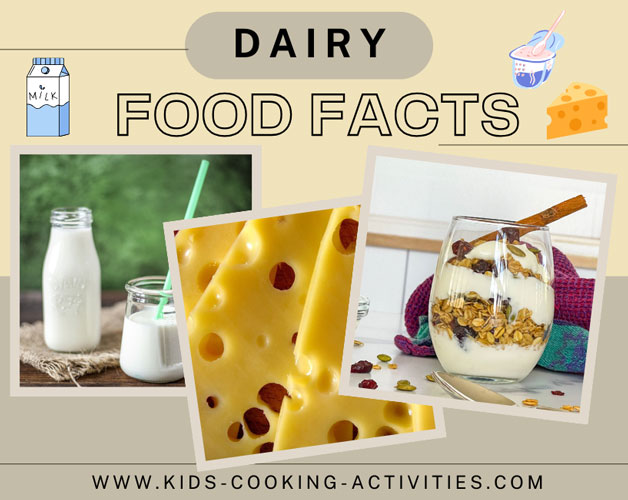
Fun Dairy Facts
- All dairy products come from milk.
- Dairy products include milk, cheese, and yogurt.
- Calcium from dairy helps support bones and teeth.
- Dairy foods can be eaten fresh, baked, cooked, or turned into science activities like butter making.
Why Dairy Matters
Dairy products provide calcium, and calcium is especially important for women and children. The original page highlights that calcium helps strengthen bones, helps prevent osteoporosis later in life, and helps keep mouths healthy.
Daily Calcium Needs
Kids' Daily Calcium Needs
- Birth to 6 months: 210 mg
- 6 to 12 months: 270 mg
- 1 to 3 years old: 500 mg
- 4 to 8 years old: 800 mg
- 9 to 18 years old: 1,300 mg
What Counts as One Serving of Dairy or Calcium-Rich Foods?
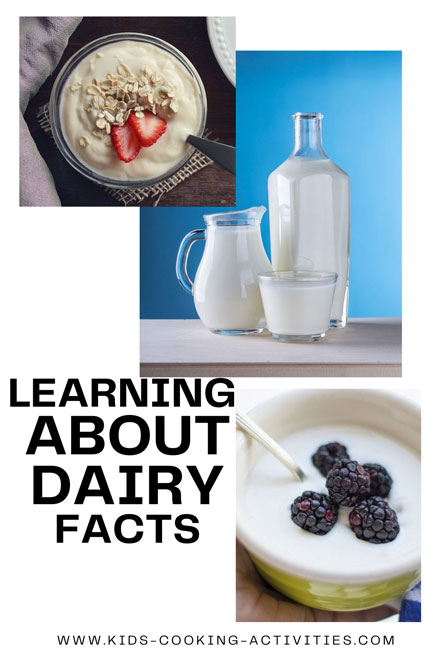
The original page lists many examples of foods that count as a dairy or calcium-rich serving.
- Fruit or plain yogurt
- 1 cup orange juice with added calcium
- 1 cup ricotta cheese
- 1/2 cup low-fat or fat-free cheese
- 1 cup milk
- 1 cup soybeans
- 1/2 cup cheddar cheese
- 1/2 cup tofu with added calcium
- 1 slice cheese pizza
- 1 stalk raw broccoli
- 1 cup cooked broccoli
- 1 cup bok choy
- 1/2 cup cooked spinach
- 1/2 cup frozen yogurt
- 1 cup macaroni and cheese
- 1 ounce almonds
- 1 tortilla, corn or flour
Some Foods That Include Dairy
- Ice cream
- Frozen yogurt
- Milk-based pudding
- Hard and soft cheeses
- Cream cheese
- Cottage cheese
- Plain or flavored yogurt
- Yogurt drinks
- Milk, soy milk, and flavored milk
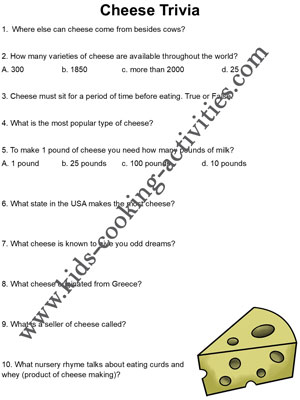
Learn more about Food Trivia
How to Make Homemade Butter
How to Make Homemade Butter
- Pour about 1 tablespoon of whipping cream that has been warmed to room temperature into a small jar.
- Put the lid on tightly.
- Shake the jar continuously. Take turns with family members or friends.
- Keep shaking until the cream first turns thick like whipped cream, then forms into a ball of butter.
- Pour off the extra liquid and add a little salt if desired.
This is a fun kitchen science activity because kids can watch a liquid change into a solid through movement. The original page explains that shaking forces the fat molecules in the cream to bump together until they form butter, while the remaining liquid becomes buttermilk.
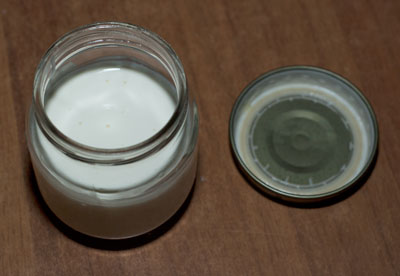
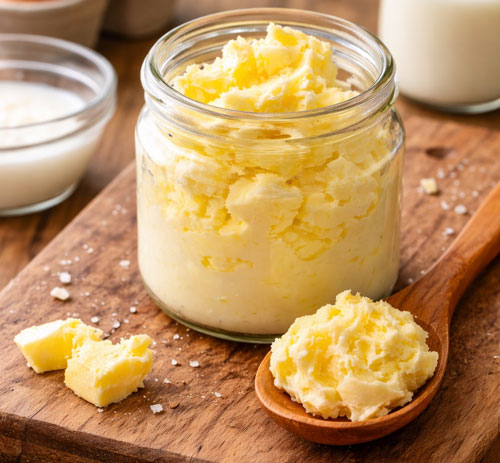
Mini Activity
Compare Dairy Textures
- Look at milk, yogurt, shredded cheese, and butter.
- Talk about how each one feels and looks different.
- Notice which are liquid, soft, or solid.
- Discuss how all of them started from milk.
This is a simple way to help kids see how one food source can turn into many different foods.
More Food Fact Resources
More Dairy Ideas
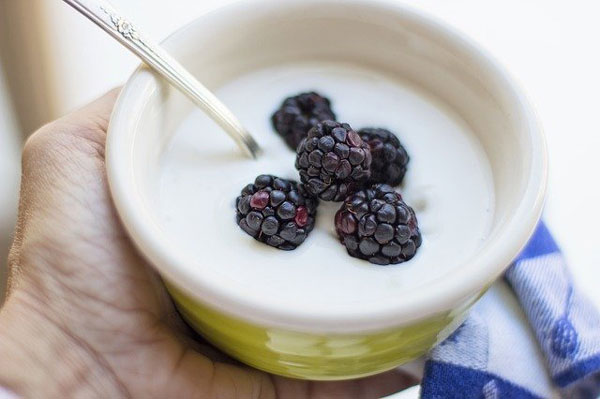
How to Make Yogurt
Learn how milk and live cultures work together to make homemade yogurt.
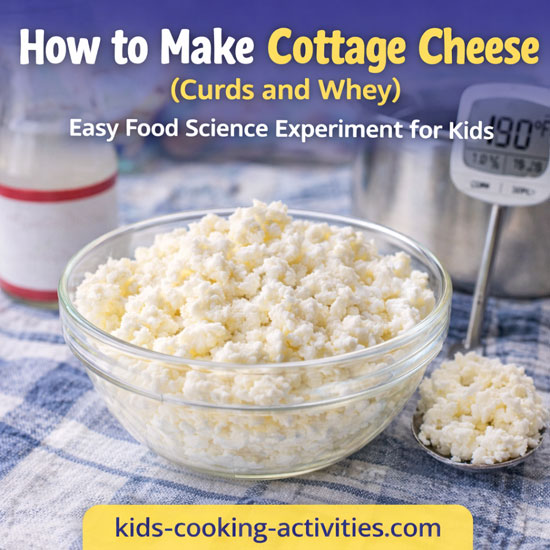
How to Make Cottage Cheese
See how milk changes into curds in another fun food science activity.
Food Science Experiments
Explore more kitchen chemistry and edible science projects.
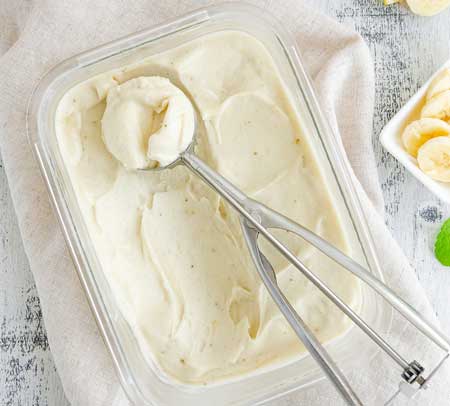
Homemade Ice Cream
Recipes for making homemade ice cream.
Videos
Cottage Cheese Breakfast Video
Dairy Video
Dairy Facts FAQ
Where do dairy products come from?
Dairy products come from milk. Dairy products include milk, cheese, and yogurt.
Why do kids need dairy or calcium?
Calcium helps strengthen bones, helps prevent osteoporosis later in life, and helps keep mouths healthy.
What foods count as dairy or calcium-rich foods?
Examples include milk, yogurt, cheese, frozen yogurt, pudding, cottage cheese, ricotta cheese, cheese pizza, and some calcium-rich foods like broccoli, bok choy, tofu with added calcium, and almonds.
How do you make homemade butter?
Pour room-temperature whipping cream into a small jar, seal it, and shake until the cream separates into butter and buttermilk.
How is yogurt made?
Yogurt is made by combining milk with plain yogurt containing live cultures, then cooking and incubating the mixture for several hours.
Keep Learning About Dairy

Share your food facts and recipes
Do you have a food facts or recipe to share?
Explore More Food Facts
Fruit Facts:
Apple
Apricot
Avocado
Banana
Berry
Cherry
Coconut
Cranberry
Dates
Figs
Grapefruit
Grapes
Kiwi
Lemon & Lime
Mango
Melon
Orange
Papaya
Peach
Pear
Pineapple
Plum
Tomato
Vegetable Facts:
Artichoke
Asparagus
Beet
Broccoli
Brussels Sprouts
Cabbage
Carrot
Cauliflower
Celery
Corn
Cucumber
Eggplant
Garlic
Green Beans
Kale
Lettuce & Salad Greens
Mushrooms
Okra
Onion
Parsnip
Peas
Peppers
Potato
Radish
Rhubarb
Spinach
Summer Squash & Zucchini
Sweet Potato
Turnip
Winter Squash & Pumpkin
Get Free Kids Recipe Cards + Cooking Printables
Join Kids Cooking Activities for fun recipes, cooking ideas, and printable resources for kids, families, and classrooms.
Follow Kids Cooking Activities too:





© Debbie Madson, Madson Web Publishing, LLC — All rights reserved.
The material on this site is for educational purposes only.