

Turn an Uncooked Egg into a Rubber Ball
by Denise Dickerson (Landover, MD.)
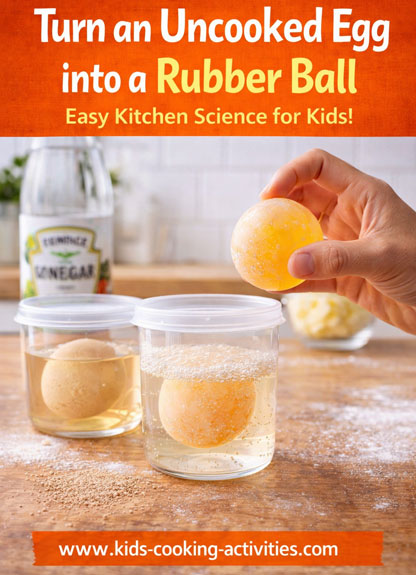
This fun food science experiment shows what happens when you soak an uncooked egg in vinegar for several days. As the egg sits in the vinegar, the shell slowly dissolves and leaves behind the soft membrane underneath.
The result is an egg that feels rubbery and bouncy, giving kids a hands-on way to explore chemical reactions and the structure of an egg.
This activity is part of our Food Science Experiments collection where you can explore kitchen chemistry, growing experiments, and edible science projects.
Kids Cooking Activities Teaching Materials
Teaching kids to cook? Save time with ready-made lesson plans used by parents and teachers. Browse teaching materials →


This page may contain affiliate links. We may earn a small commission at no extra cost to you. Learn more.
Experiment Summary
- Time: 3 to 4 days
- Difficulty: Easy
- Supplies: Egg, vinegar, clear container with lid
- Science Concept: Chemical reactions, shells, and membranes
What Happens?
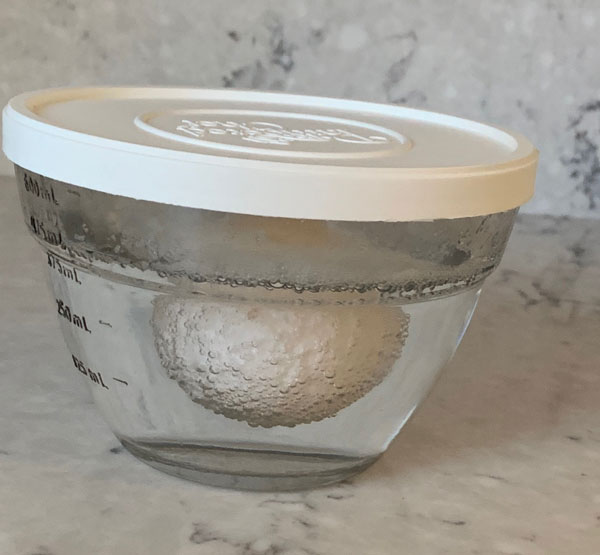
As the egg soaks in vinegar, the shell slowly dissolves. Bubbles form during the reaction, and after a few days only the soft membrane remains.
- The shell reacts with the vinegar
- Bubbles appear on the egg
- The shell dissolves away
- The soft membrane stays behind
Result: The egg becomes rubbery and flexible.
What You Need
- 1 uncooked egg (make sure the shell is not cracked)
- Clear container with a lid, large enough to hold the egg and vinegar
- Enough vinegar to cover the egg
Directions
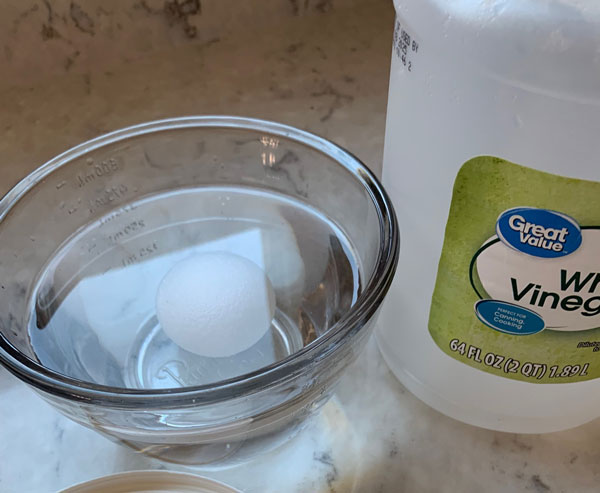
Step 1: Place the egg in a clear container with a lid. Pour in enough vinegar to completely cover the egg.
Step 2: Cover the container and leave the egg in the vinegar for 3 to 4 days. You may notice bubbles forming on the shell as the vinegar starts reacting with it.
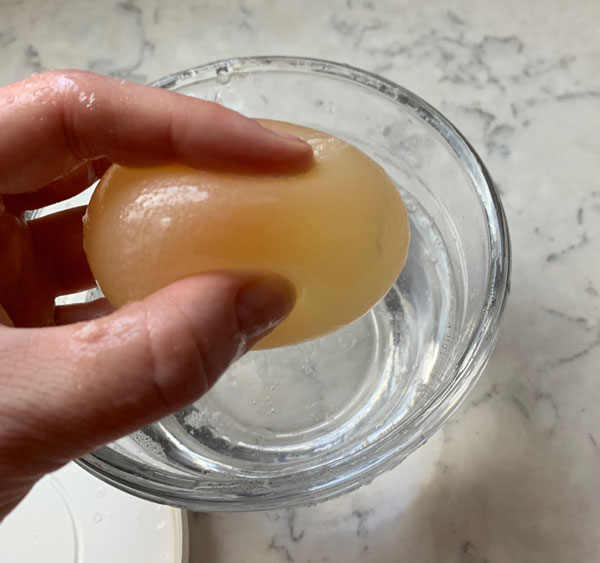
Step 3: Carefully remove the egg from the vinegar and gently rinse it with water. Observe how the shell is gone and the egg now feels soft and rubbery.
Rubber Egg Experiment Video
What Happens?
The eggshell is mostly made of calcium carbonate. Vinegar contains acetic acid, which reacts with the calcium carbonate in the shell. As the acid breaks down the shell, you may see bubbles form. Those bubbles are carbon dioxide gas being released during the reaction.
After the shell dissolves, only the egg’s thin membrane is left. That membrane is soft and flexible, so the egg feels rubbery instead of hard. The egg may also look slightly larger because some liquid moves through the membrane during the soaking process.
The Science Behind the Rubber Egg
This experiment is a great way for kids to observe a chemical reaction and learn that even though the hard shell disappears, the egg still holds together because of the membrane underneath.
Why It Matters in Cooking
This experiment helps kids understand how acids react with foods and food surfaces. Vinegar is used in many recipes and preservation methods, and this experiment shows that acidic ingredients can cause visible changes in food.
- Kids see how acids react with calcium-rich materials
- They learn that food has layers and structure
- It connects chemistry to ingredients used in the kitchen
- It builds observation and patience over several days
Science Questions
- What happened to the eggshell?
- Why did bubbles form on the egg?
- How does the egg feel after soaking in vinegar?
- Why does the egg stay together even after the shell is gone?
- Does the egg look different in size after a few days?
Ways to Extend the Experiment
- Compare two eggs soaked for different amounts of time.
- Measure the egg before and after soaking.
- Observe what happens if the vinegar is changed halfway through.
- Compare the rubber egg with a fresh uncooked egg.
Safety Tips
- Handle the finished egg gently because it can still burst.
- Wash hands after handling raw egg.
- Do not eat the egg after the experiment.
- Clean the work area well after finishing.
Rubber Egg Experiment FAQ
Why does the eggshell dissolve in vinegar?
The eggshell is mostly made of calcium carbonate. Vinegar contains acetic acid, which reacts with the shell and slowly dissolves it.
Why does the egg feel rubbery after soaking?
After the shell dissolves, the soft membrane underneath is left. That membrane makes the egg feel flexible and rubbery.
Why do bubbles form on the egg?
The bubbles are carbon dioxide gas released during the chemical reaction between the vinegar and the calcium carbonate shell.
Can you bounce the rubber egg?
You can gently bounce it a little, but it can still break if dropped too hard.
Try More Food Science Experiments
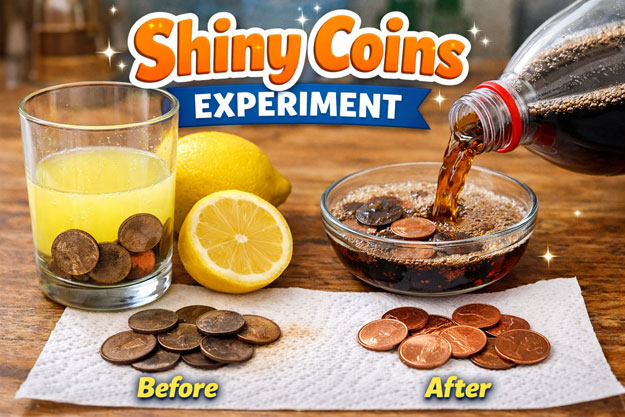
Shiny Coins Experiment
Use simple kitchen ingredients to help kids see how tarnish can be cleaned away.
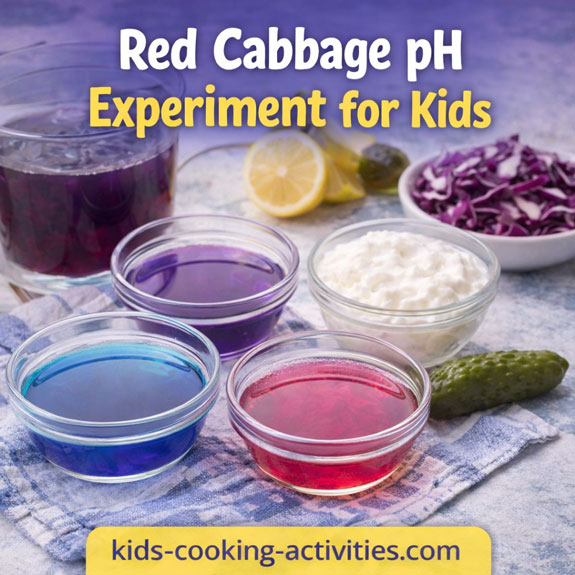
Red Cabbage pH Experiment
Use red cabbage water to test acids and bases and watch colorful changes happen.
Homemade Volcano Experiment
Create a bubbling chemical reaction using common kitchen ingredients.
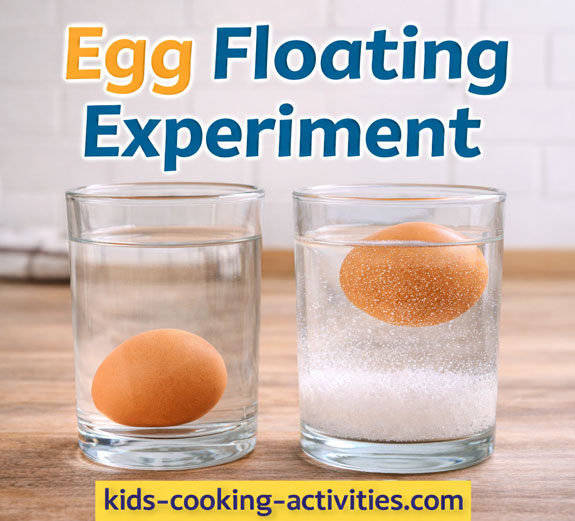
Egg Floating Experiment
See how density changes whether an object sinks or floats.
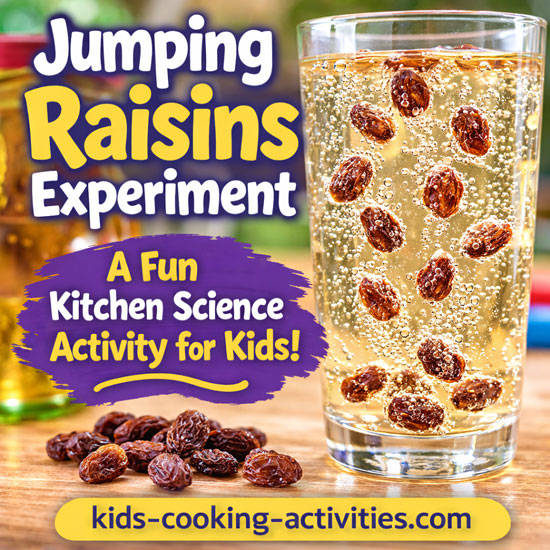
Jumping Raisins Experiment
Watch raisins bounce in soda while learning about gas bubbles.
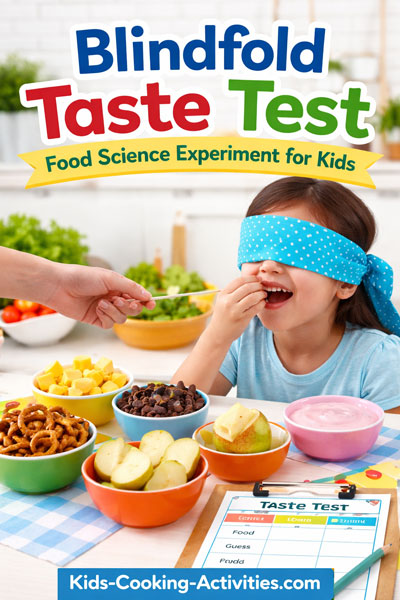
Blindfold Taste Test
Explore how smell and taste work together by trying foods while blindfolded.
Get Free Kids Recipe Cards + Cooking Printables
Join Kids Cooking Activities for fun recipes, cooking ideas, and printable resources for kids, families, and classrooms.
Follow Kids Cooking Activities too:





© Debbie Madson, Madson Web Publishing, LLC — All rights reserved.
The material on this site is for educational purposes only.