

Red Cabbage pH Experiment for Kids
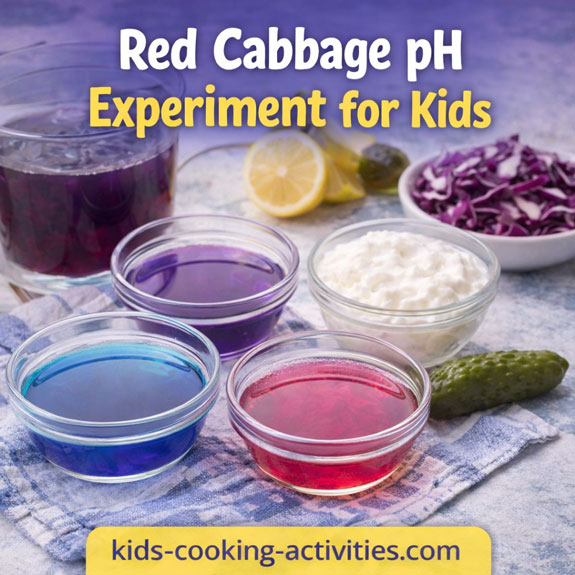
The red cabbage pH experiment is a fun and colorful food science activity that helps kids learn about acids and bases. By making red cabbage indicator water and testing different foods, children can watch the liquid change color and discover how science works in everyday ingredients.
This easy food science experiment is a great way to introduce pH, chemical reactions, and observation skills using materials you may already have in your kitchen. Red cabbage contains natural pigments that react to acids and bases, making it a simple homemade pH indicator.
This activity is part of our Food Science Experiments for Kids collection where you can explore kitchen chemistry, growing experiments, and edible science projects.
Kids Cooking Activities Teaching Materials
Teaching kids to cook? Save time with ready-made lesson plans used by parents and teachers. Browse teaching materials →


This page may contain affiliate links. We may earn a small commission at no extra cost to you. Learn more.
Experiment Summary
- Time: 20 to 30 minutes
- Difficulty: Easy
- Supplies: Red cabbage, boiling water, bowls, kitchen liquids
- Science Concept: Acids, bases, and pH indicators
What Happens?
When red cabbage water is mixed with different foods and liquids, the color changes depending on whether the substance is acidic, neutral, or basic.
- Red cabbage water starts purple
- Acids often turn it pink or red
- Bases often turn it blue or green
- Neutral liquids may stay close to purple
Result: Kids can see pH changes through bright color reactions.
What You Need
- Red cabbage leaves, chopped
- Boiling water
- Bowl
- Strainer
- Several small bowls or cups
- Spoons
- Different kitchen ingredients to test
Ideas for foods to test: yogurt, lemon juice, pickle juice, vinegar, baking soda water, or other liquids from your kitchen.
How to Make Red Cabbage pH Indicator Water
Step 1: Chop the Cabbage
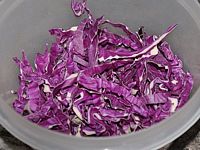
Chop red cabbage leaves into small pieces.
Step 2: Add Boiling Water
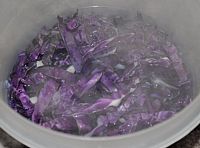
Place the chopped cabbage in a bowl and carefully pour boiling water over the top.
Step 3: Let It Cool
Let the cabbage and water sit until the water cools. As it sits, the water will turn purple.
Step 4: Strain the Liquid
Drain the cabbage and discard the leaves. Save the cabbage water. This purple liquid is your homemade pH indicator.
Step 5: Observe the Color
Take note of the color of the cabbage water before testing any foods.
Step 6: Divide into Small Bowls
Pour the cabbage water into several small bowls or cups so you can test different ingredients.
Step 7: Gather Foods to Test
Find several food items in the kitchen that you would like to test.
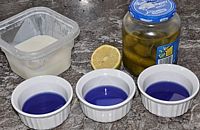
We did this experiment with homemade yogurt, lemon juice, and pickle juice.
Step 8: Test the Ingredients
Drop a spoonful of a different food or liquid into each bowl and watch what happens. Record the color changes and compare the results.
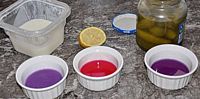
Here are our results.
More Cabbage Experiment Results
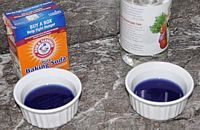
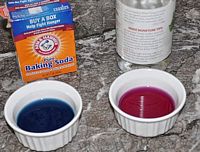
Baking soda is a base, so the cabbage water turns blue. Vinegar is an acid, so the cabbage water turns pink.
The Science Behind the Red Cabbage pH Experiment
Red cabbage contains pigments called anthocyanins. These pigments change color depending on whether a substance is acidic, neutral, or basic.
- Acids usually turn the cabbage water pink or red.
- Bases usually turn the cabbage water blue or green.
- Neutral substances may keep the water purple.
This makes red cabbage water a natural pH indicator. A pH indicator helps show whether something is an acid or a base.
What Kids Learn
- What acids and bases are
- How natural pH indicators work
- How chemical reactions can change color
- How to compare and record results
- How science can be explored using everyday kitchen ingredients
Why It Matters in Cooking
This experiment helps kids understand that acids and bases affect how ingredients behave in recipes. Foods and liquids can change color, taste, and texture depending on what they are mixed with.
- Lemon juice and vinegar are acidic ingredients used in cooking
- Baking soda is a base used in many baked goods
- The experiment helps explain why ingredients react differently in recipes
- It connects kitchen chemistry to real food preparation
Questions to Ask Kids
- Which ingredient changed the color the most?
- Which foods were acids?
- Which foods were bases?
- Did any ingredients stay close to the original purple color?
- Why do you think the colors changed?
Ways to Extend the Experiment
- Test more kitchen ingredients such as orange juice, soda, milk, or soap water.
- Make a chart of each ingredient and the color it turned.
- Compare strong acids and weak acids.
- Discuss which foods are safe to eat even though they are acidic.
Safety Tips
- Adult supervision is needed when using boiling water.
- Be careful when handling hot bowls or liquids.
- Do not taste unknown mixtures after they have been tested.
- Wash hands and clean the area after the experiment.
Red Cabbage pH Experiment FAQ
What is the red cabbage pH experiment?
It is a food science activity that uses red cabbage water as a natural pH indicator to test whether foods are acids or bases.
Why does red cabbage water change color?
Red cabbage contains natural pigments called anthocyanins that react to acids and bases by changing color.
What color does red cabbage water turn with vinegar?
Vinegar is an acid, so the cabbage water usually turns pink or reddish.
What color does red cabbage water turn with baking soda?
Baking soda is a base, so the cabbage water usually turns blue or green.
Try These Kitchen Science Experiments Next
If you enjoyed the red cabbage pH experiment, try these other fun food science experiments:
Shiny Coins Experiment
Use simple kitchen ingredients to help kids see how tarnish can be cleaned away.
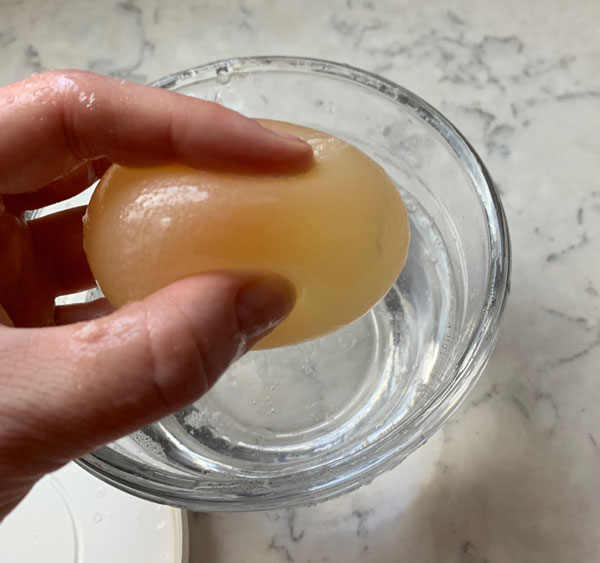
Rubber Egg Experiment
Soak an egg in vinegar and watch the shell dissolve to reveal a flexible, bouncy egg.
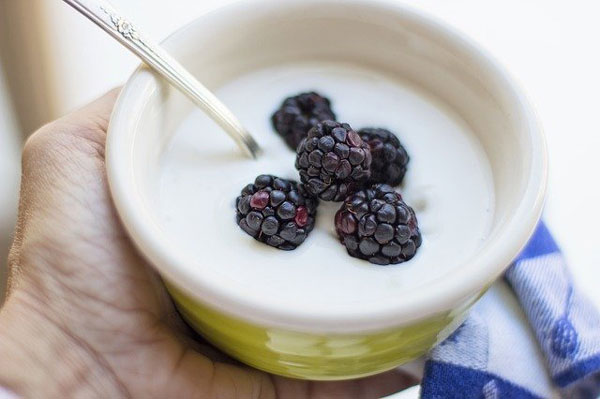
Make Homemade Yogurt
Learn how bacteria transform milk into creamy yogurt.
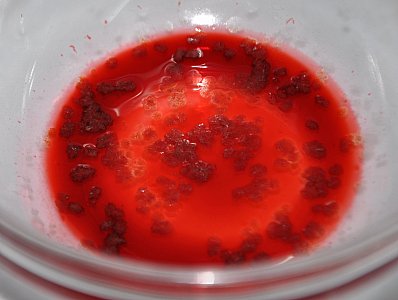
Making Sugar Crystals
Watch sugar water evaporate and leave crystals behind in this easy edible science activity.
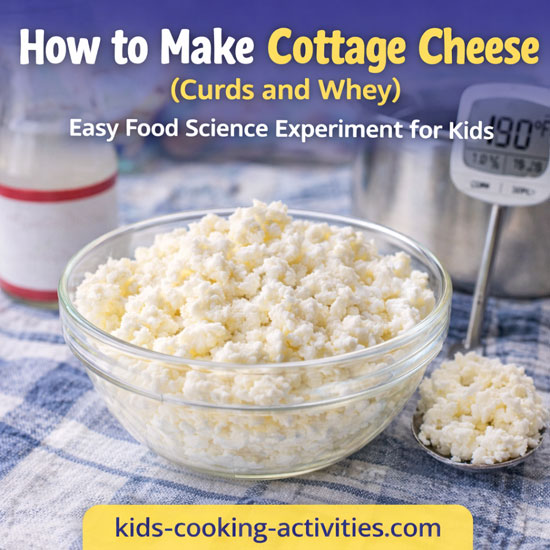
Homemade Cottage Cheese
See how acids change milk proteins and create curds in this simple kitchen experiment.
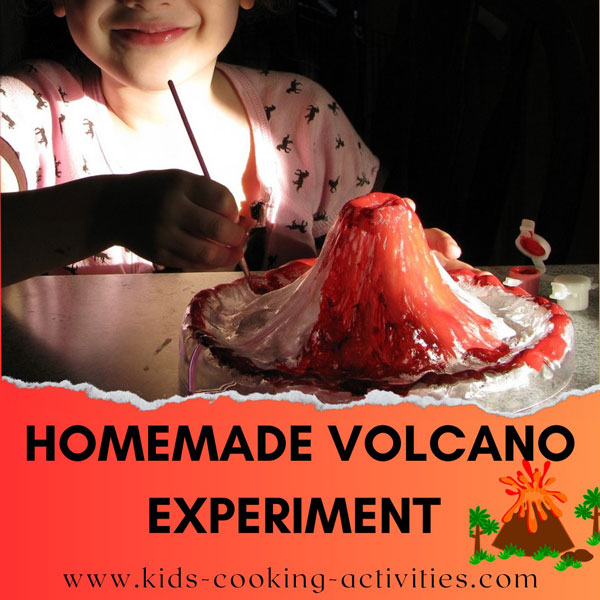
Homemade Volcano Experiment
Create a bubbling chemical reaction using common kitchen ingredients.
Get Free Kids Recipe Cards + Cooking Printables
Join Kids Cooking Activities for fun recipes, cooking ideas, and printable resources for kids, families, and classrooms.
Follow Kids Cooking Activities too:





© Debbie Madson, Madson Web Publishing, LLC — All rights reserved.
The material on this site is for educational purposes only.