

Sugar Crystal Experiment for Kids
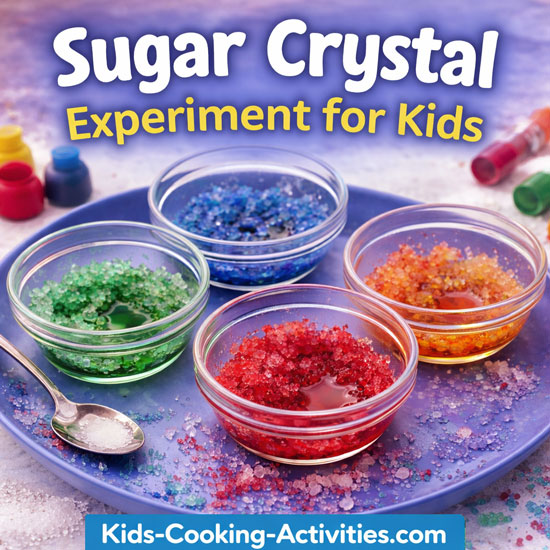
The sugar crystal experiment for kids is a simple food science activity that shows how crystals form as water evaporates. By dissolving sugar in water and letting the mixture sit for a few days, children can watch tiny sugar crystals slowly grow.
This activity is part of our Food Science Experiments for Kids collection where you can explore kitchen chemistry, growing experiments, and edible science projects.
This easy food science experiment uses just sugar, water, and food coloring to demonstrate how crystals form from a dissolved solution. Kids can compare different colors and watch how the sugar crystals appear over time as the water evaporates.
Kids Cooking Activities Teaching Materials
Teaching kids to cook? Save time with ready-made lesson plans used by parents and teachers. Browse teaching materials →


This page may contain affiliate links. We may earn a small commission at no extra cost to you. Learn more.
Experiment Summary
- Time: 2 to 4 days
- Difficulty: Easy
- Supplies: Sugar, water, food coloring, bowls
- Science Concept: Crystallization and evaporation
Make a Prediction
Before setting the bowls aside, ask kids to predict what will happen.
- Which color bowl will form crystals first?
- Will the crystals be small or large?
- Where will the crystals appear first?
What You Need
- 1 teaspoon sugar
- 3 tablespoons water
- Food coloring (optional)
- Small bowls or dishes
- Measuring cup
- Spoon for stirring
How to Make Sugar Crystals
Step 1: Dissolve the Sugar
In a measuring cup, stir together the sugar and water until the sugar dissolves completely. The mixture should look like clear sugar water.
Step 2: Pour into Small Bowls
Divide the sugar water into several small bowls or dishes.
Step 3: Add Color
Add a few drops of food coloring to each bowl and gently stir. Using different colors makes the crystals easier to see as they form.
Step 4: Let the Mixture Sit
Place the bowls somewhere they will not be disturbed.
Leave the bowls out for 2 to 4 days.
What Happens?
When sugar dissolves in water, it spreads out into the liquid. As the water slowly evaporates, the sugar comes back together and begins forming crystal shapes on the sides and bottom of the bowls.
- Sugar dissolves in water
- The colored sugar water sits undisturbed
- The water slowly evaporates
- Sugar crystals begin to form
Result: Tiny sugar crystals grow as the water disappears.
The Science Behind Sugar Crystals
When sugar dissolves in water, the sugar molecules spread out evenly in the liquid. As the water evaporates, those sugar molecules move closer together again. Eventually they begin attaching to one another and form organized crystal shapes.
This process is called crystallization.
Many foods and minerals form crystals in a similar way. Rock candy is a well-known example of edible sugar crystals grown using the same science.
What Kids Learn
This simple food science experiment helps kids understand several science ideas:
- How liquids evaporate
- How crystals form from dissolved substances
- How changes happen slowly over time
- How to observe and record results
Kids also practice patience and observation, which are important parts of science experiments.
Why It Matters in Cooking
This experiment helps kids see that dissolved ingredients can change form when conditions change. Sugar is used in many recipes, and understanding how it dissolves, concentrates, and crystallizes helps explain candy making, syrups, frostings, and rock candy.
- Kids see how sugar behaves in water
- They learn why crystals can form in sweet mixtures
- It connects science to candy making and other recipes
- It builds observation skills over several days
Questions to Ask Kids
- When did the first crystals appear?
- Which color bowl formed crystals fastest?
- What happens if you leave the bowls longer?
- Where do the crystals form first?
Ways to Extend the Experiment
- Use different amounts of sugar to see how crystal growth changes.
- Place one bowl in a warm location and another in a cool location.
- Observe the bowls every day and draw what the crystals look like.
- Try making larger sugar crystals similar to rock candy.
Safety Tips
- Use clean bowls and utensils.
- Do not drink the colored sugar water if food coloring is used.
- Wash hands after handling the experiment.
Sugar Crystal Experiment FAQ
Why do sugar crystals form?
Sugar crystals form when water evaporates and the dissolved sugar molecules come back together and arrange themselves into crystal shapes.
How long does the sugar crystal experiment take?
Most sugar crystals begin to appear within 2 to 4 days, depending on how quickly the water evaporates.
Does food coloring change the crystals?
Food coloring changes the color of the solution and can make the crystals easier to see, but it does not change the basic crystal-forming process.
Can kids compare different amounts of sugar?
Yes. Kids can compare different amounts of sugar to see how concentration affects crystal growth.
Try These Kitchen Science Experiments Next
If you enjoyed growing sugar crystals, try these other fun food science experiments:
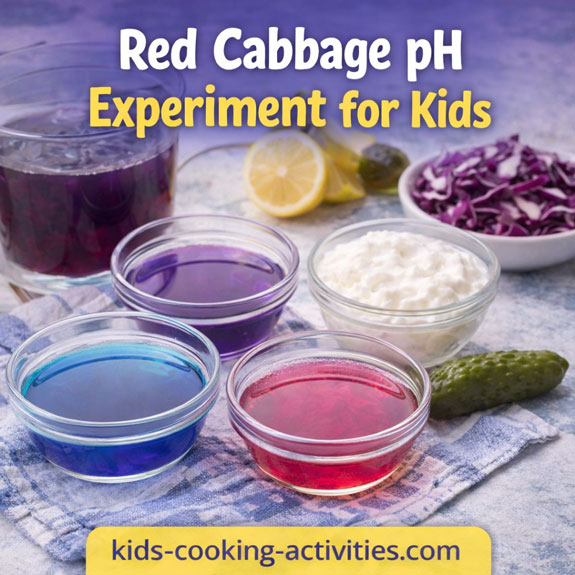
Red Cabbage pH Experiment
Use red cabbage water to test acids and bases and watch colorful changes happen.
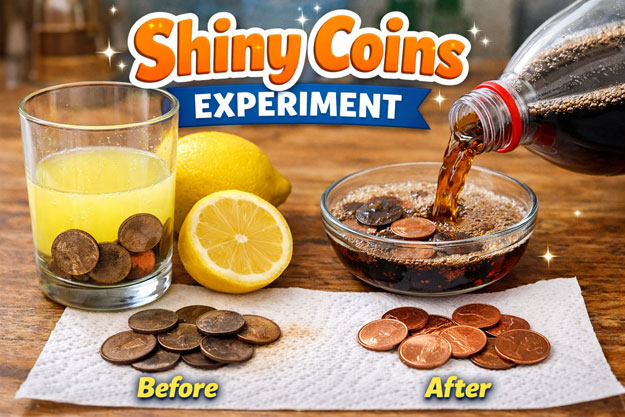
Shiny Coins Experiment
Use simple kitchen ingredients to help kids see how tarnish can be cleaned away.
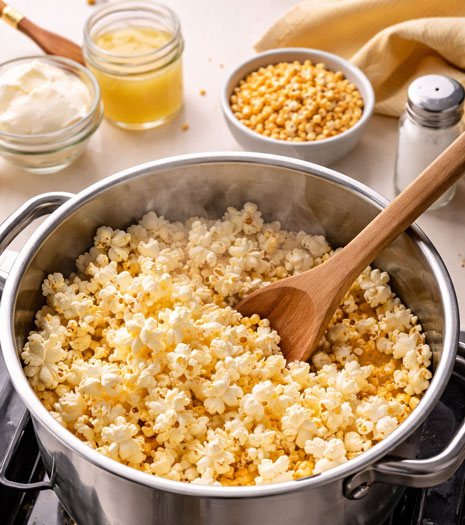
Popcorn Science
Discover why popcorn kernels pop and how heat changes the moisture inside each kernel.
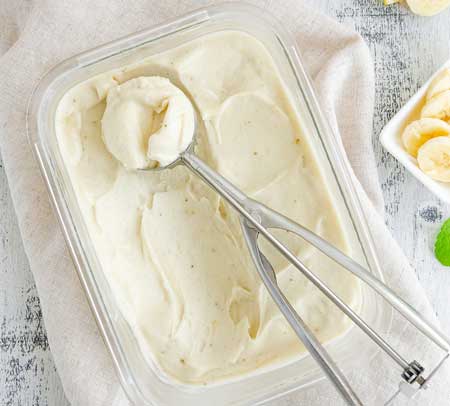
Homemade Ice Cream
Learn how salt lowers freezing temperature while making a fun frozen treat.
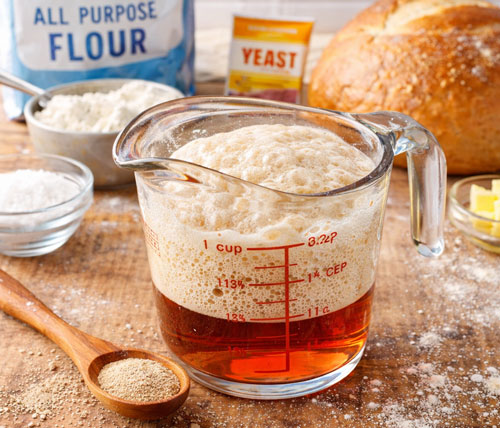
Proofing Yeast
See how yeast becomes active and produces gas that helps bread rise.
Sourdough Starter
Explore fermentation and the natural process that creates a sourdough starter.
Get Free Kids Recipe Cards + Cooking Printables
Join Kids Cooking Activities for fun recipes, cooking ideas, and printable resources for kids, families, and classrooms.
Follow Kids Cooking Activities too:





© Debbie Madson, Madson Web Publishing, LLC — All rights reserved.
The material on this site is for educational purposes only.