

Shiny Coins Experiment for Kids
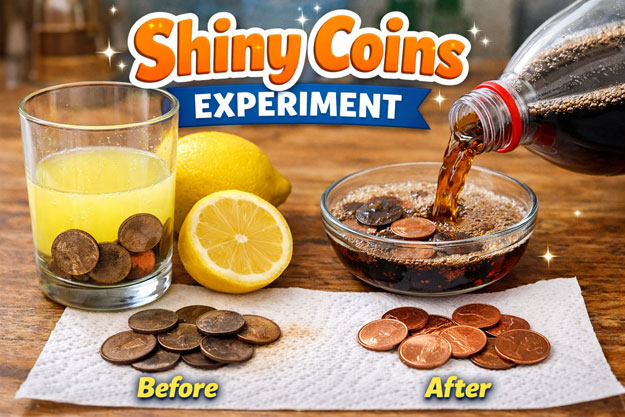
Kids will be amazed by the results of this shiny coins experiment. In this simple food science activity, children discover how acids can clean tarnished copper coins.
By soaking pennies in lemon juice or cola, they can observe how a chemical reaction removes the dull coating from the surface of the coin.
This activity is part of our Food Science Experiments for Kids collection where you can explore kitchen chemistry, growing experiments, and edible science projects.
Kids Cooking Activities Teaching Materials
Teaching kids to cook? Save time with ready-made lesson plans used by parents and teachers. Browse teaching materials →


This page may contain affiliate links. We may earn a small commission at no extra cost to you. Learn more.
Experiment Summary
- Time: Overnight
- Difficulty: Easy
- Supplies: Lemon juice or cola and copper coins
- Science Concept: Acid reactions and oxidation
What Happens?
The acid in lemon juice removes the dull layer of oxidation that builds up on copper coins. Once that layer is removed, the shiny copper underneath becomes visible again.
This same process works with other acidic liquids like cola.
What You Need
- Dirty copper pennies
- Lemon juice or bottled lemon juice
- Glass
- Paper towels
How to Do the Shiny Coins Experiment
- Juice lemons until the glass is about half full, or pour bottled lemon juice into a glass.
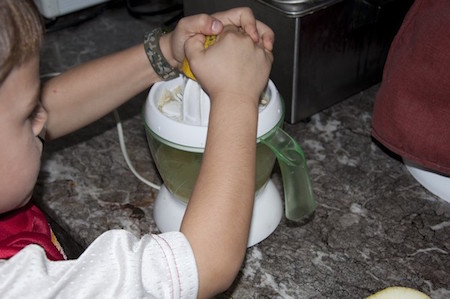
- Place the dirty copper coins into the lemon juice.
- Ask kids to predict what they think will happen to the coins overnight.
- Leave the coins in the liquid overnight.
- The next morning remove the coins and dry them with a paper towel.
Observation: Can you tell the difference from the day before?
The Science Behind the Experiment
Copper coins slowly develop a dark coating called oxidation when exposed to air and moisture. Lemon juice contains acid that dissolves this oxidation layer. When the oxidation is removed, the coin looks shiny again.
Why This Works
Acids can react with the tarnished outer layer on a coin and help remove it. Once the oxidation is gone, the cleaner copper surface underneath becomes easier to see.
Why It Matters in Cooking
This experiment helps kids understand that acidic ingredients can cause visible changes. In cooking, lemon juice, vinegar, and other acids are often used to change color, flavor, and texture.
- Acids can clean or break down surfaces
- Acidic ingredients are common in recipes
- Kids can connect science to ingredients they already know
- It builds observation and comparison skills
Cleaning Coins with Cola
You can try the same experiment using cola instead of lemon juice. Cola also contains acids that can help dissolve the tarnish on coins.
Questions to Ask Kids
- What did the coins look like before the experiment?
- How did they change after sitting in the lemon juice?
- Why do you think the lemon juice cleaned the coins?
- Do you think other liquids would work the same way?
Ways to Extend the Experiment
- Compare lemon juice, vinegar, and cola.
- Time how long it takes each liquid to clean the coins.
- Test newer pennies vs. older pennies.
- Record your observations in a science journal.
Shiny Coins Experiment FAQ
Why do pennies get shiny in lemon juice?
The acid in lemon juice removes the dull oxidation layer from the surface of copper coins, revealing the shiny metal underneath.
Does cola clean coins too?
Yes. Cola also contains acids that can help dissolve tarnish on coins.
What is oxidation on a coin?
Oxidation is the dark coating that forms on copper when it reacts with air and moisture over time.
Can kids compare different liquids in this experiment?
Yes. Kids can compare lemon juice, vinegar, and cola to see which one cleans coins best.
Try These Kitchen Science Experiments Next

Jumping Raisins Experiment
Watch raisins bounce in soda while learning about gas bubbles.
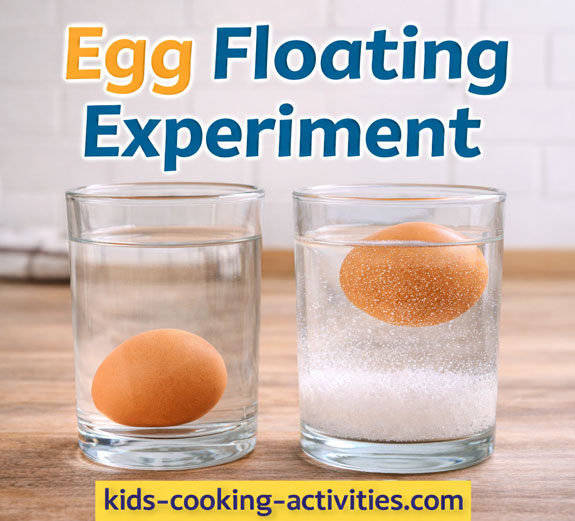
Egg Floating Experiment
See how density changes whether an object sinks or floats.

Blindfold Taste Test
Explore how smell and taste work together by trying foods while blindfolded.

Homemade Volcano
Use a fizzy reaction to demonstrate acids, bases, and bubbling gas.
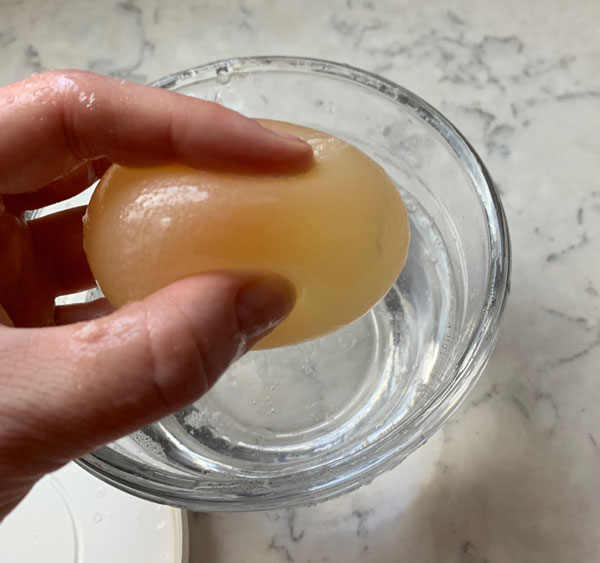
Rubber Egg Experiment
Soak an egg in vinegar and watch the shell dissolve to reveal a flexible, bouncy egg.
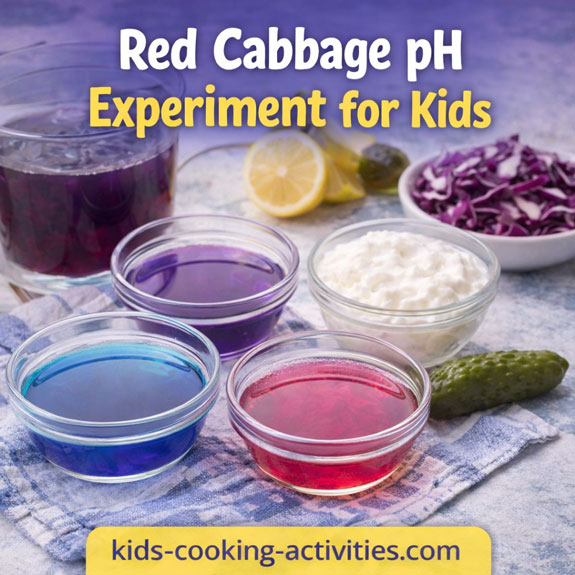
Red Cabbage pH Experiment
Use red cabbage water to test acids and bases and watch colorful changes happen.
Get Free Kids Recipe Cards + Cooking Printables
Join Kids Cooking Activities for fun recipes, cooking ideas, and printable resources for kids, families, and classrooms.
Follow Kids Cooking Activities too:





© Debbie Madson, Madson Web Publishing, LLC — All rights reserved.
The material on this site is for educational purposes only.