

Make a Homemade Volcano
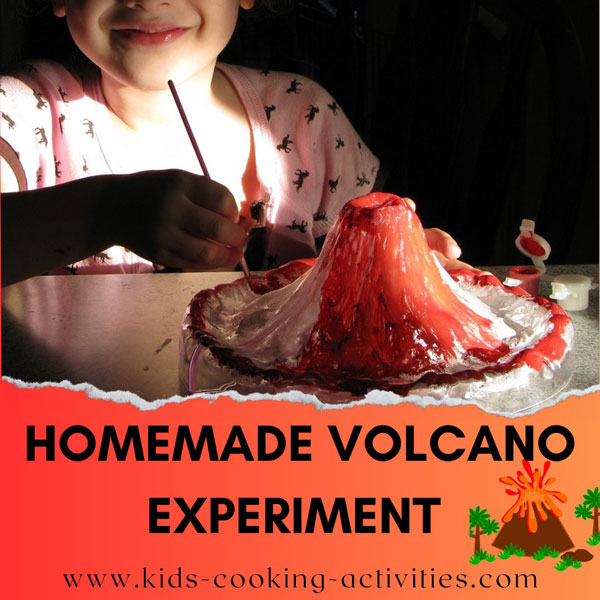
Kids love homemade volcano experiments because they are simple, exciting, and full of fizzy action. This easy food science activity lets children watch a bubbling reaction while learning how gas forms and escapes.
This activity is part of our Food Science Experiments for Kids collection where you can explore kitchen chemistry, growing experiments, and other hands-on science activities connected to food.
Experiment Summary
- Time: 15 to 30 minutes
- Difficulty: Easy
- Supplies: Baking soda, vinegar, and a volcano shape or glass
- Science concept: Chemical reaction and gas formation
Kids Cooking Activities Teaching Materials
Teaching kids to cook? Save time with ready-made lesson plans used by parents and teachers. Browse teaching materials →


This page may contain affiliate links. We may earn a small commission at no extra cost to you. Learn more.
Make a Prediction
Before you add the vinegar, ask kids what they think will happen.
- Will the mixture bubble a little or a lot?
- Will it stay in the volcano?
- What do they think is making the fizz?
What You Need
- Clay dough or playdough volcano, or a glass set in a bowl
- 2 teaspoons baking soda
- 2 teaspoons vinegar
- Tray or bowl underneath for easier cleanup
Note: A volcano shape makes the experiment more fun, but it is not required.
How to Make a Homemade Volcano
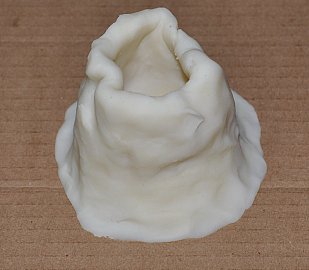
- Make a volcano out of clay dough or playdough and let it dry overnight, or place a glass in a bowl as a simple alternative.
- Put 2 teaspoons of baking soda in the bottom of the volcano or glass.
- Ask kids to predict what will happen when vinegar is added.
- Pour 2 teaspoons of vinegar into the volcano and watch the eruption.
What Happens?
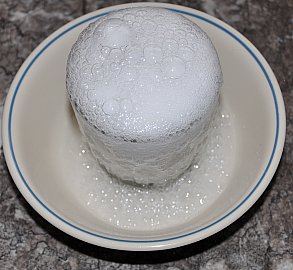
When the vinegar touches the baking soda, they react right away. That reaction creates carbon dioxide gas. The gas builds up quickly and pushes the foamy liquid upward, causing it to bubble out of the volcano.
- Baking soda sits in the volcano
- Vinegar is poured in
- A gas forms immediately
- The bubbly mixture rises and spills over
The Science Behind the Experiment
This experiment shows a simple reaction between an acid and a base. Vinegar is an acid, and baking soda is a base. When they combine, they produce carbon dioxide gas, which causes the fizzing and foaming eruption.
The eruption looks dramatic, but the real science is in the gas being formed and pushing the liquid upward.
Why It Matters in Cooking
This experiment helps kids understand how baking soda works in real cooking. Baking soda is often used in cakes, muffins, and cookies. In baking, it helps create bubbles that make foods rise and become lighter.
- Kids see that baking soda can create gas bubbles
- They learn that bubbles can change texture and movement
- It connects science to ingredients used in real recipes
- It helps explain why baked goods rise
Easy Science Project Alternative
You do not have to build a volcano shape to do this experiment. The volcano just makes it more fun to watch. A glass set in a bowl works well too and can be easier for younger children.
Extension Idea: Cola and Mentos
You can also try a soda-style volcano with cola and Mentos, but this works for a different reason than the baking soda and vinegar reaction.
What You Need
- 2-liter bottle of cola
- 1 pack of Mentos
Warning: Do this experiment outdoors because it can make a very large mess.
- Open the 2-liter bottle carefully.
- Drop the Mentos into the cola.
- Step back and watch the foamy spray shoot upward.
This eruption is not caused by the same acid-base reaction as baking soda and vinegar. Instead, the Mentos provide many tiny surfaces where carbon dioxide bubbles form quickly, creating a fast foamy spray.
Questions to Ask Kids
- What happened when the vinegar touched the baking soda?
- Why did the mixture bubble up and spill over?
- How was the glass version different from the volcano version?
- What do you think would happen if you used more baking soda?
- How is the Mentos and cola reaction different from the vinegar and baking soda reaction?
Ways to Extend the Experiment
- Add a drop of food coloring to make the eruption more dramatic.
- Compare a small eruption with a larger one using different amounts of baking soda and vinegar.
- Try the experiment in a glass and in a volcano shape to compare the results.
- Draw or write down your prediction before each trial.
Safety Tips
- Adult help is recommended when preparing the experiment area.
- Do the cola and Mentos variation outdoors.
- Keep the erupting mixture away from eyes and faces.
- Clean up slippery spills right away.
What Kids Learn
- How acids and bases react
- How gases form and expand
- How chemical reactions can create bubbling eruptions
- How to predict and observe experiment results
- How similar-looking eruptions can happen in different ways
Homemade Volcano Video
Homemade Volcano FAQ
Why does a homemade volcano erupt?
The baking soda and vinegar react to form carbon dioxide gas. The gas builds up quickly and pushes the liquid upward, causing the fizzy eruption.
Do you need to build a clay volcano for this experiment?
No. You can also use a glass set in a bowl. The volcano shape is optional and mainly makes the experiment more fun to watch.
Is the Mentos and cola volcano the same as baking soda and vinegar?
No. Baking soda and vinegar create a chemical reaction that produces gas. Mentos and cola erupt because the candy provides many tiny surfaces where carbon dioxide bubbles form quickly.
Should kids do the cola and Mentos experiment indoors?
No. The cola and Mentos variation should be done outdoors because it can create a large, messy spray.
Try These Kitchen Science Experiments Next
If you enjoyed this homemade volcano activity, try these other fun food science experiments.
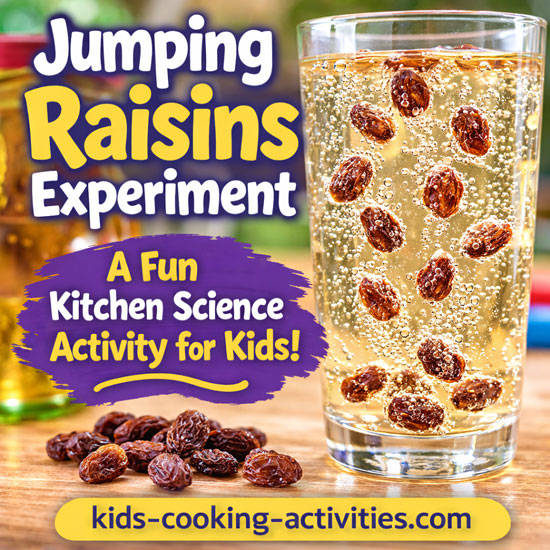
Jumping Raisins Experiment
Watch raisins rise and fall in a fizzy drink while learning about bubbles and buoyancy.
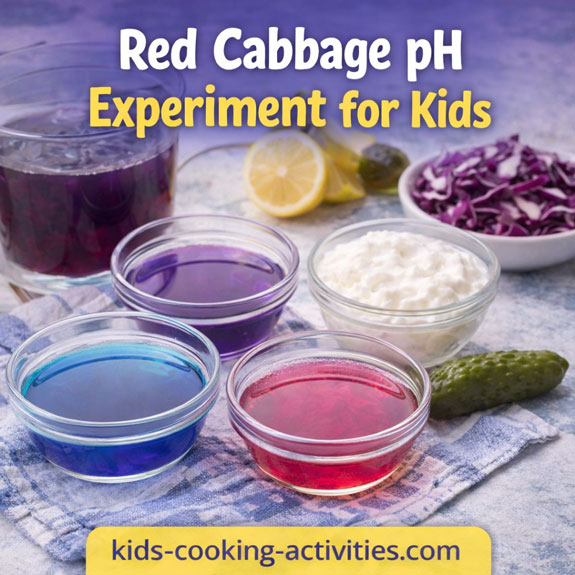
Red Cabbage pH Experiment
Use red cabbage water to test acids and bases and watch colorful changes happen.
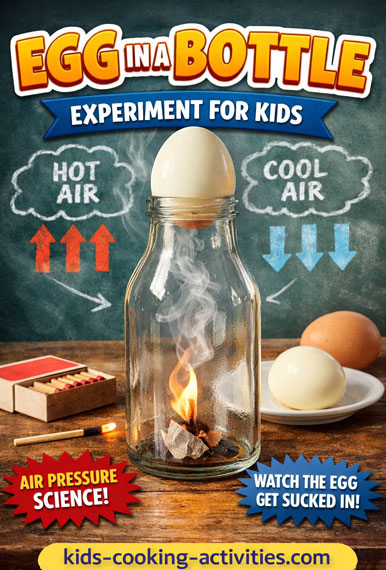
Egg in a Bottle Experiment
See how air pressure can push a peeled egg into a bottle.
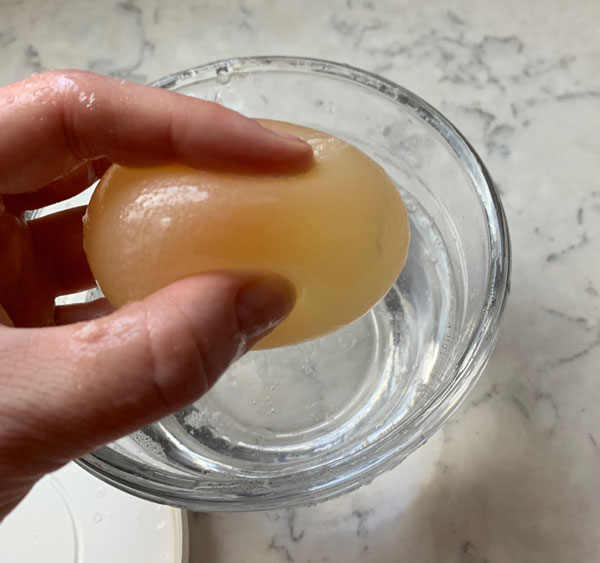
Rubber Egg Experiment
Soak an egg in vinegar and watch the shell dissolve to reveal a flexible, bouncy egg.
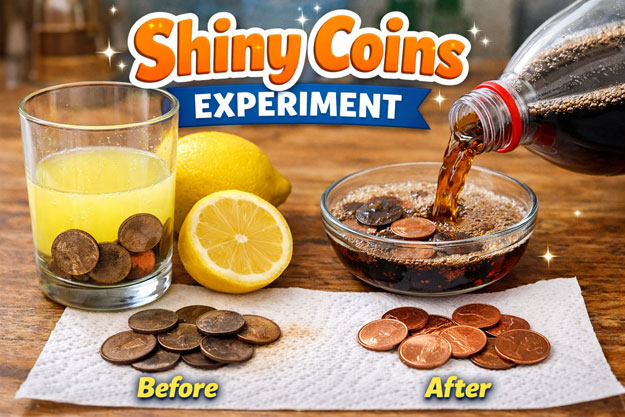
Shiny Coins Experiment
Use simple kitchen ingredients to help kids see how tarnish can be cleaned away.
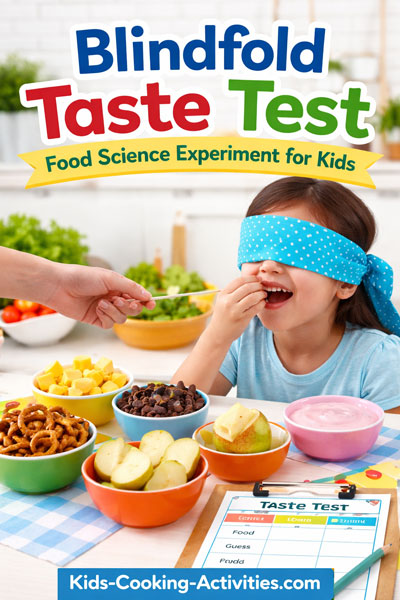
Blindfold Taste Test
Explore how smell and taste work together by trying foods while blindfolded.
Get Free Kids Recipe Cards + Cooking Printables
Join Kids Cooking Activities for fun recipes, cooking ideas, and printable resources for kids, families, and classrooms.
Follow Kids Cooking Activities too:





© Debbie Madson, Madson Web Publishing, LLC — All rights reserved.
The material on this site is for educational purposes only.