

Sourdough Bread Starter Recipe
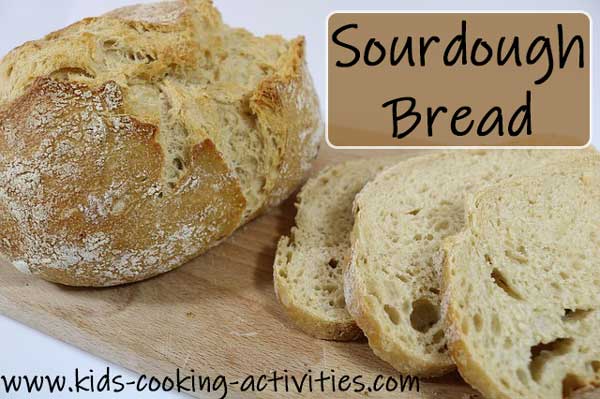
A sourdough bread starter recipe lets you make bread by growing your own natural yeast. You can begin with a ready-made starter or make one yourself by collecting wild yeast from the air. This is a wonderful kitchen science project for kids because they can watch the starter bubble, smell the sour aroma, and see how fermentation helps bread rise.
Sourdough is a great example of food science in action. As the flour and water mixture sits and is fed over several days, natural yeast and helpful bacteria begin to grow. These microorganisms create bubbles and flavor, turning a simple mixture into a living starter that can be used again and again.
Kids Cooking Activities Teaching Materials
Teaching kids to cook? Save time with ready-made lesson plans used by parents and teachers. Browse teaching materials →


This page may contain affiliate links. We may earn a small commission at no extra cost to you. Learn more.
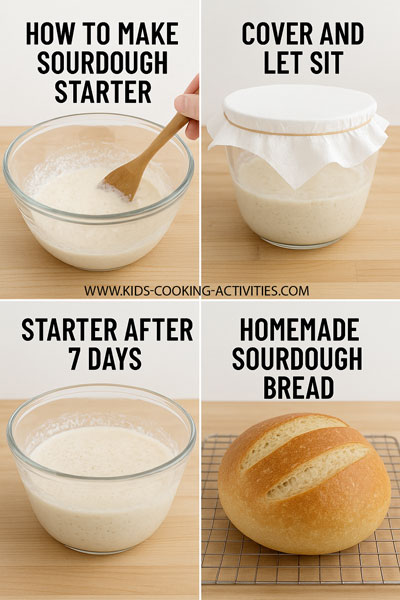
How to Make Sourdough Starter
Start your sourdough bread starter in a glass bowl or pitcher by mixing 1 cup warm water with 1 cup flour. Stir until smooth. Cover the bowl with a paper towel, plastic wrap, or a light towel and keep it on the counter. For 1 week, feed the starter each day with 1/2 cup warm water and 1/2 cup flour. Stir well and cover again. Within a few days, you should notice bubbles and a sour smell as the natural yeast becomes active. After one week, your starter should be ready to use in bread dough.
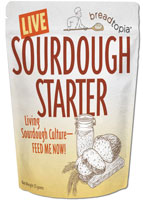
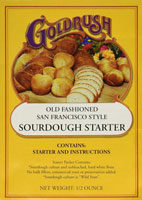
Or you can buy a sourdough starter such as this one if you would rather begin with an active starter.
Homemade Sourdough Bread Recipe
By Kids Cooking Activities
- Starter Time: 7 days
- Bake Time: 30-35 min
- Total Time: About 7 days plus baking
- Yields: 3 loaves or rolls


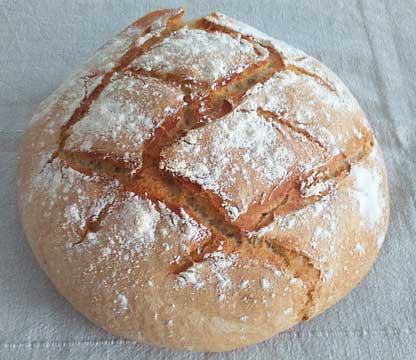
Starter Ingredients
- 1 cup warm water
- 1 cup flour
- 1/2 cup warm water each day for 1 week
- 1/2 cup flour each day for 1 week
Bread Ingredients
- 2 cups sourdough starter (save some of your starter for another batch)
- 2 cups warm milk
- 2 tablespoons butter
- 1/4 cup honey
- 1/4 cup sugar
- 2 tablespoons yeast
- 2 cups flour
- 2 teaspoons salt
- 4 cups whole wheat flour or white flour
Directions
- In a glass bowl or pitcher, stir together 1 cup warm water and 1 cup flour to begin the starter.
- Cover the bowl and keep it on the counter. For 1 week, feed the starter daily with 1/2 cup warm water and 1/2 cup flour. Stir well after each feeding.
- When the starter becomes bubbly and smells sour, it is ready to use.
- In a mixing bowl, blend together 2 cups sourdough starter, warm milk, butter, honey, sugar, yeast, 2 cups flour, and salt until all ingredients are wet.
- Set the dough aside in a warm place for 30 minutes.
- Beat in 4 cups whole wheat flour or white flour. If the dough is too sticky, add a little more flour. If it is too dry, add a little warm water.
- Place the dough on a floured counter and knead for several minutes until elastic.
- Shape the dough into 3 loaves or rolls. Let rise another 30 minutes.
- Bake at 350 degrees for 30 to 35 minutes.
- Save your extra starter for the next batch and continue to feed it.
Kid Tip: Watching the bubbles in the starter is part of the science. Those bubbles show that the yeast is active and producing gas.
Sourdough Science for Kids
Sourdough bread is a fermentation project. When flour and water are mixed and fed over time, wild yeast and bacteria begin to grow. The yeast produces carbon dioxide gas, which creates bubbles in the starter and helps the bread dough rise. The bacteria add the sour flavor that makes sourdough different from other breads.
This activity helps kids observe a living food process. They can watch the starter change each day, notice how it expands, and learn how microorganisms help transform simple ingredients into bread. It is a hands-on way to connect baking with biology and chemistry.
Starter Care Tips
Save your remaining sourdough starter recipe for the next batch. Continue to feed it every day if you leave it out on the counter.
You can store it in the refrigerator, but bring it out to room temperature before you feed it and feed it once a week.
The starter often works better after you have taken some out and continued to feed it over time.
More Fun Bread Recipes
 Learn
more about making homemade bread.
Learn
more about making homemade bread.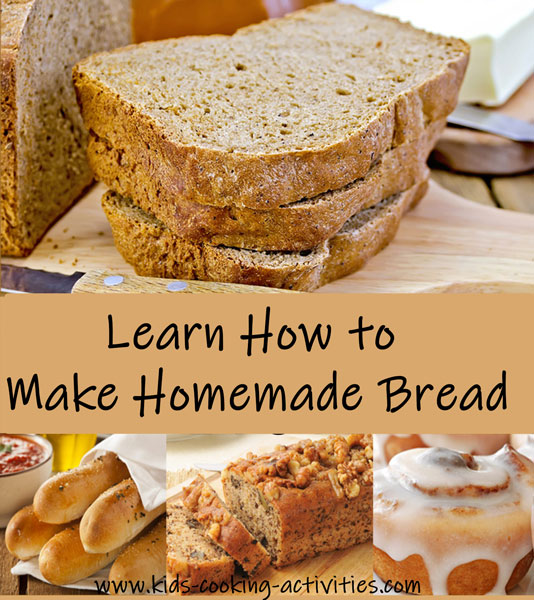 20
easy bread recipes with kids
20
easy bread recipes with kids Create this
homemade bread lesson into a cooking
lesson tutorial.
Create this
homemade bread lesson into a cooking
lesson tutorial.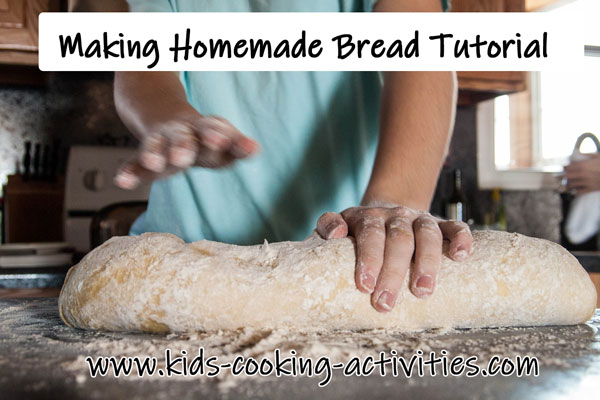
Get Free Kids Recipe Cards + Cooking Printables
Join Kids Cooking Activities for fun recipes, cooking ideas, and printable resources for kids, families, and classrooms.
Follow Kids Cooking Activities too:





© Debbie Madson, Madson Web Publishing, LLC — All rights reserved.
The material on this site is for educational purposes only.