- Home ›
- Teaching Kids to Cook ›
- Homeschool Cooking
Adding Homeschool Cooking to Your Curriculum
These homeschool cooking ideas were written by Julie from homeschooling-ideas.com.

When many families first begin homeschooling, they focus on traditional subjects such as math, reading, and language arts. But some of the most valuable lessons come from practical life skills children will use throughout life.
Adding cooking to your homeschool curriculum can introduce children to math, science, geography, history, nutrition, planning, and independence. It is a hands-on subject that makes learning practical, memorable, and useful.
Homeschool cooking works well for many ages because it can be adapted to your child's skill level and learning goals. It can be as simple as practicing measuring and mixing with young children or as advanced as meal planning, nutrition study, budgeting, and cooking full meals with older students.
Kids Cooking Activities Teaching Materials
Teaching kids to cook? Save time with ready-made lesson plans used by parents and teachers. Browse teaching materials →


This page may contain affiliate links. We may earn a small commission at no extra cost to you. Learn more.
How to Incorporate Homeschool Cooking in Your Curriculum
There are many ways to introduce cooking into your homeschool. Even having children help prepare meals now and then is a strong starting point.
Cooking can also be woven into other subjects you are already studying. If you are learning about a time period in history, try preparing foods from that era. If you are studying geography, explore foods from around the world with international recipes. Science fits naturally too through food science experiments.
Homeschool cooking can be used both as a subject of its own and as a practical way to reinforce many other lessons already in your plan.
Homeschool Cooking Lesson Ideas by Subject
Cooking naturally teaches multiple subjects at once. Here are a few simple ways to turn everyday recipes into homeschool learning opportunities.
- Math: measuring, fractions, doubling recipes, timing
- Science: food reactions, heat changes, mixing ingredients
- Geography: cooking foods from different countries
- History: preparing recipes from different time periods
- Health: learning about balanced meals and nutrition
- Life Skills: planning meals, shopping, and kitchen organization
👉 See how cooking builds real-world skills in what kids learn while cooking .
Planning and Scheduling Your Homeschool Cooking Lessons
Before you begin, think about what you want your children to gain from cooking lessons. Are you mainly teaching a useful life skill, or would you like to go further into nutrition, food safety, the digestive system, cultural awareness, or even entertaining guests?
It also helps to think about your child's interests and personality. Some children naturally enjoy working with food, while others become interested only when a lesson connects to something they already love. For example, a child who is not excited about cooking in general might enjoy baking homemade dog treats, holiday snacks, or foods from a favorite book or country.
Start with Small Skill Goals
Once you know your goals, break them into small steps. Decide which skills come first, such as mixing, measuring, cracking eggs, rolling dough, or learning safe cutting techniques. Then choose recipes that match those goals.
If that feels overwhelming, start with the kids cooking lessons on this site. They work well for homeschool cooking and give you a ready-made starting point.
Simple Homeschool Cooking Schedule Idea
A simple way to add cooking to homeschool is to choose one cooking lesson each week. For example, one week might focus on measuring, the next on kitchen safety, then mixing, simple baking, meal planning, or food science. Families can also match recipes to current history, geography, or seasonal studies.
If you want a more complete, ready-to-use system, these lesson plans can help you organize skills and recipes step by step.
Getting Organized to Teach
Choose a Schedule That Fits Your Homeschool
Once you have a lesson breakdown, decide how cooking will fit into your homeschool rhythm. Some families prefer a weekly cooking lesson. Others work more spontaneously and fit cooking in whenever a recipe matches their current studies or a quiet afternoon opens up.
The key is preparation. Choose the recipe, gather ingredients, print or save the instructions, and decide which skills you want to focus on before you begin. When everything is ready ahead of time, the lesson feels smoother and much less stressful.
Whether your homeschool style is scheduled or flexible, planning in advance makes it much easier to say, "Let's do cooking today."
Reaping the Benefits of Cooking Lessons
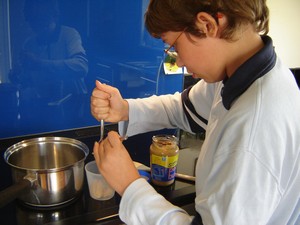
Once you begin adding homeschool cooking to your curriculum, you may be surprised by how many benefits you see. Children who feel confident in the kitchen often become more confident in other areas too.
Cooking teaches independence in a very practical way. Even learning how to make a simple sandwich or pour a glass of milk can help a child feel more capable and secure.
Cooking is science, math, geography, history, culture, and life skills all in one. It makes learning tangible. It brings history to life, introduces other cultures, reinforces measuring and sequencing, and gives children a useful skill they will carry with them.
And best of all, it is fun, useful, and something children can carry into everyday life.
See all the benefits of what kids learn while cooking.
Teaching Ideas Beyond the Kitchen
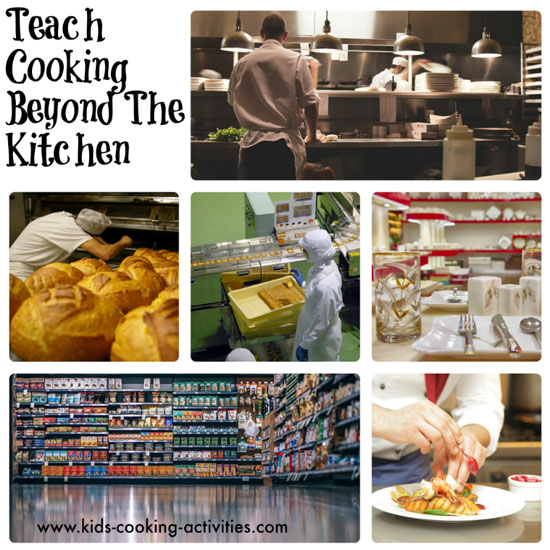
Take cooking beyond the kitchen with these real-world learning experiences:
Tour Factories
If you have a food factory in your area, see whether they offer tours so children can learn how food is produced on a larger scale.
Visit Bakeries
Many local bakeries are happy to share behind-the-scenes information or even give tours if you ask politely and visit at a slower time.
See Restaurant Kitchens
Local restaurants may sometimes allow a short tour during non-busy hours. This helps children see how meals are prepared professionally.
Invite a Professional Chef
A chef, baker, cooking instructor, or even a family member who loves to cook can give a demonstration or special lesson.
Visit Kitchen Specialty Stores
A kitchen supply shop can introduce children to appliances, utensils, and tools they may not see at home.
Include Grocery Shopping
Shopping trips can teach planning, budgeting, healthy food choices, and how ingredients are selected for meals.
More Teaching Help Pages
These pages pair especially well with homeschool cooking and can help you expand lessons into more subjects and skill areas.
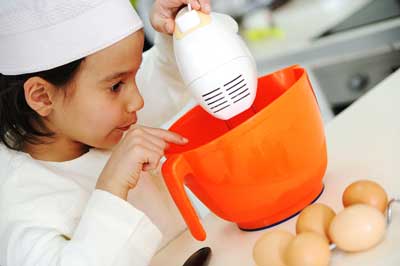
Kids Cooking Lessons
Use age-based lessons to build cooking skills step by step in your homeschool.
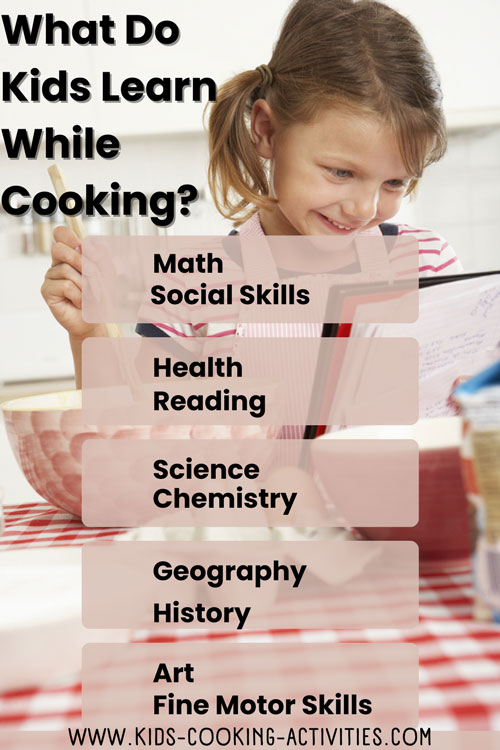
What Kids Learn While Cooking
See how cooking supports math, reading, science, life skills, and more.
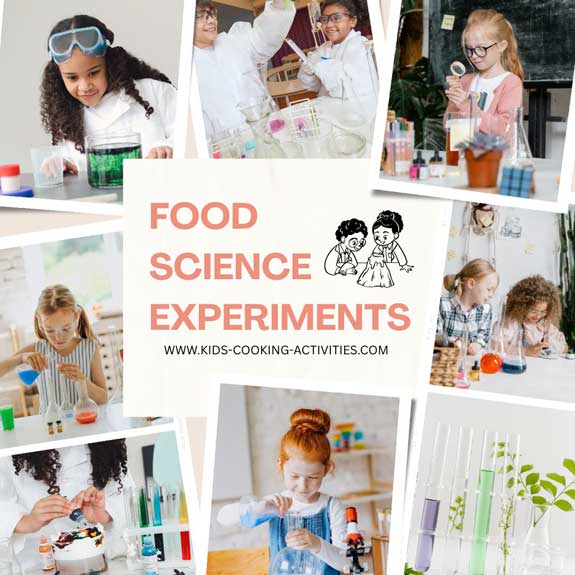
Food Science Experiments
Add hands-on science to your homeschool with kitchen experiments and food reactions.
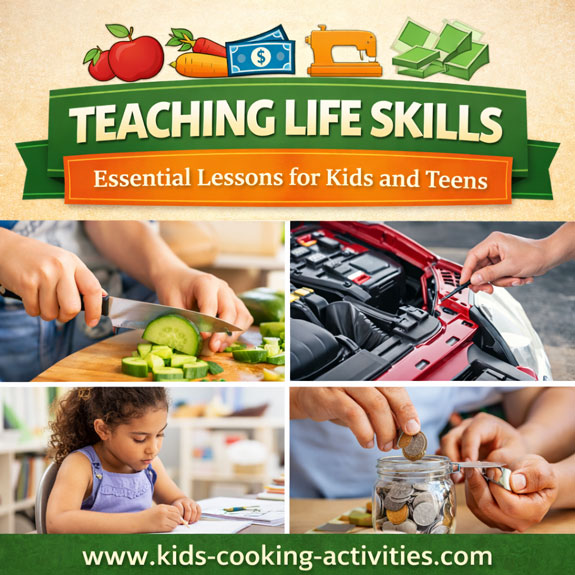
Teaching Life Skills
Use cooking to teach independence, responsibility, planning, and daily living skills.

International Recipes
Connect geography and culture to your cooking lessons with foods from around the world.
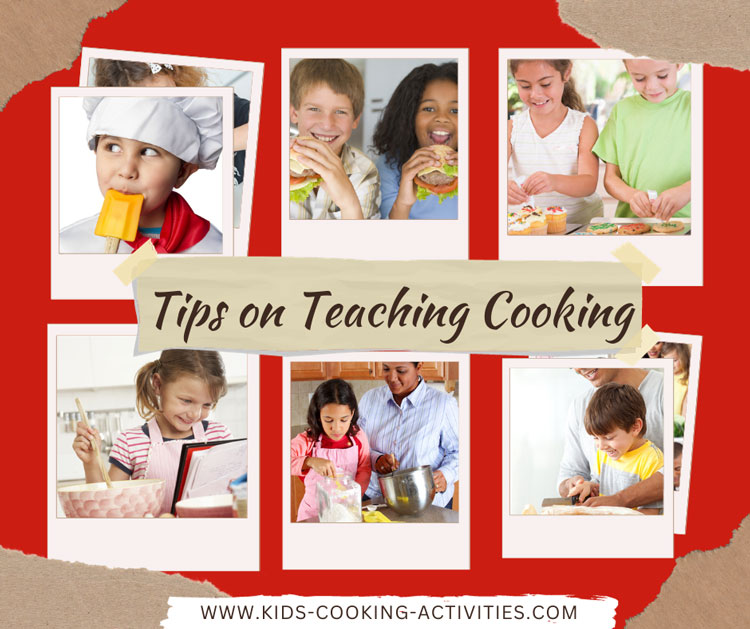
How to Teach Cooking
Find teaching ideas, curriculum help, and ways to organize cooking lessons well.
FAQ: Homeschool Cooking
Can cooking count as a homeschool subject?
Yes. Cooking can count as part of your homeschool because it teaches life skills and supports subjects such as math, science, history, geography, and health.
Do I need a separate homeschool cooking curriculum?
Not always. Some families build cooking into their regular studies, while others prefer to treat it as its own subject with planned lessons.
What is a good way to start homeschool cooking?
Start with simple recipes, basic kitchen skills, and one lesson a week or one lesson whenever it fits your current studies and schedule.
Kids Cooking Lesson Plans
If you want a complete, ready-to-use system for homeschool cooking, these structured lesson plans can help you save time and teach step by step.
Save time and feel confident teaching with structured lesson plans, printable activities, and step-by-step guidance.
Explore Cooking Curriculum →
Get Free Kids Recipe Cards + Cooking Printables
Join Kids Cooking Activities for fun recipes, cooking ideas, and printable resources for kids, families, and classrooms.
Follow Kids Cooking Activities too:





© Debbie Madson, Madson Web Publishing, LLC — All rights reserved.
The material on this site is for educational purposes only.