
How to Start Cooking with Kids
Starting to cook with kids does not have to be complicated. You do not need a perfect kitchen setup, expensive gadgets, or a long shopping list to begin. In fact, many children build kitchen confidence best when they start small with simple recipes, basic tools, and a fun, relaxed routine.
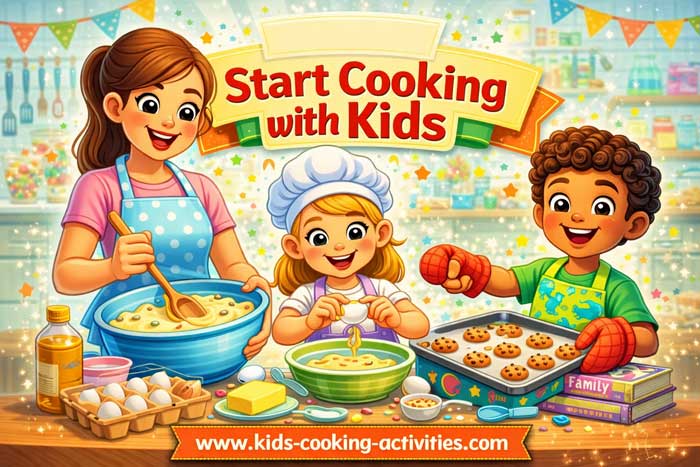
This beginner guide is designed to help parents, teachers, homeschoolers, and group leaders start cooking with kids in a way that feels manageable and encouraging. Instead of focusing on buying more things, this page focuses on how to begin, what to do first, and how to make early kitchen experiences successful.
Quick Start: Do This Today
You can begin cooking with kids today using what you already have at home.
- Choose one very simple recipe with only a few ingredients.
- Let your child help with an easy task like stirring, pouring, or assembling.
- Keep the experience short, relaxed, and fun.
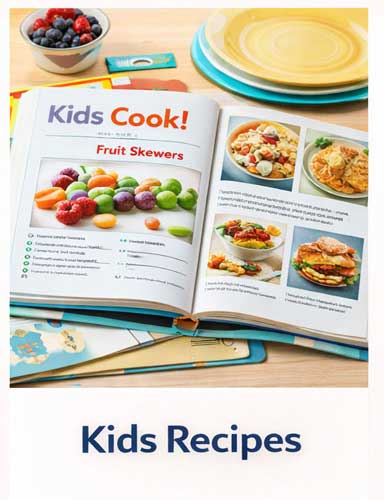
Need ideas for simple first recipes? Visit Easy Meals for Kids or browse the Kids Recipe Index.
On This Page
You Really Do Not Need Much
One of the biggest misconceptions about cooking with kids is that you need to buy a full collection of special supplies before you start. That is usually not true. Most families can begin with a bowl, spoon, measuring cups, and a simple recipe.
At the beginning, the goal is not to create a perfect setup. The goal is to help kids feel comfortable in the kitchen and start participating in age-appropriate ways. A child who enjoys stirring muffin batter, layering a yogurt parfait, or assembling a sandwich is already learning important kitchen habits.
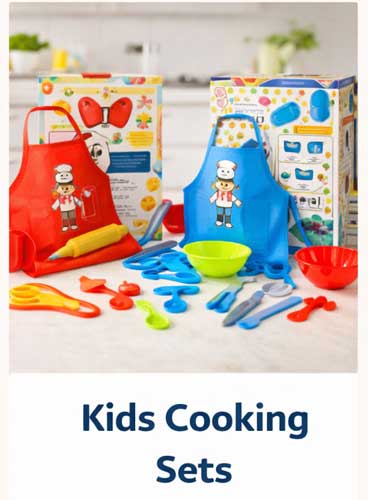
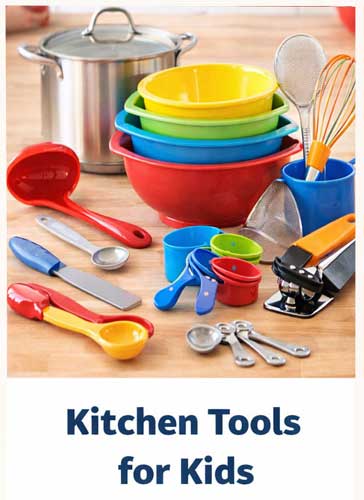
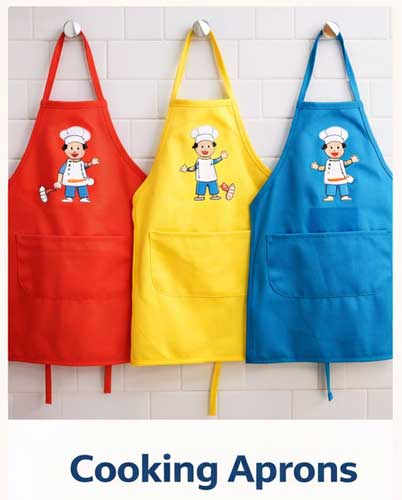
Later, once your child shows more interest, you can explore more specific resources like kids kitchen utensils, kids cooking aprons, or kids cooking kits. For now, starting simple is often the best choice.
Your First Steps in the Kitchen
If you are not sure how to begin, the easiest approach is to make the first session short and very hands-on. Choose one easy recipe and let your child do a few manageable steps. Avoid trying to teach too much at once.
- Let kids stir, mix, sprinkle, pour, or assemble ingredients.
- Use small, clear directions one step at a time.
- Pick recipes that are easy to finish in one short session.
- Expect messes and treat them as part of learning.
These early experiences help children build familiarity with ingredients, measuring, following directions, and kitchen confidence. Over time, those small moments lead to bigger skills.
Helpful reminder: Cooking with kids is not about perfection. It is about practice, confidence, and letting children participate in real kitchen work.
Best First Recipes to Try
The best first recipes are simple, fast, and forgiving. You want recipes that help kids feel successful without requiring too many steps or a lot of waiting.
Recipes with only 3 to 5 ingredients are often the easiest place to begin because they keep directions short and build confidence faster. Browse easy recipes with 6 ingredients or fewer.
Good beginner choices often include:
- No-bake snacks
- Fruit recipes
- Trail mix or snack mixes
- Sandwiches and wraps
- Easy breakfast recipes
- Simple muffins or baked goods with close supervision
These kinds of recipes let children practice measuring, mixing, spreading, pouring, and assembling while still keeping the process fun and manageable.
Try starting with pages like Easy Meals for Kids, Non Reader Recipes, and Free Kids Recipe Cards.
How to Set Up the Experience
Sometimes the hardest part is not the recipe. It is setting up the experience so kids can participate comfortably. A few simple changes can make cooking together go much more smoothly.
- Clear a workspace where children can reach safely.
- Set out ingredients before you begin.
- Use a stool or safe standing spot if needed.
- Give one instruction at a time.
- Allow extra time so no one feels rushed.
If you are working with younger children or beginners, pre-measuring a few ingredients can also help reduce frustration while still giving them plenty to do.
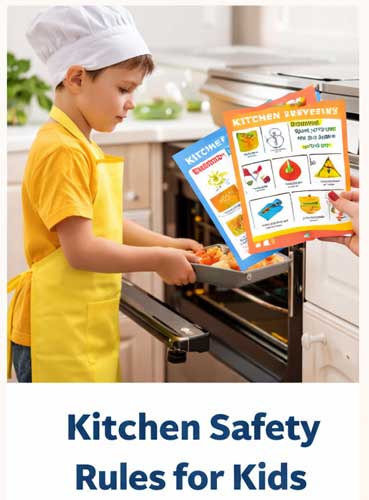
For more safety-focused help, visit Kitchen Safety Rules for Kids.
Common Beginner Mistakes to Avoid
Many adults accidentally make cooking harder than it needs to be for beginners. Avoiding a few common mistakes can make early kitchen experiences far more enjoyable.
- Starting too big: complicated recipes can overwhelm beginners.
- Doing everything yourself: kids learn by participating, not just watching.
- Correcting too much: keep the focus on learning and enjoyment.
- Expecting neatness right away: spills and messes are normal.
- Using long recipes first: short wins build confidence faster.
Children are more likely to keep cooking when the first experiences feel positive and manageable. Small successes matter more than perfect results.
When to Add More Tools and Supplies
Once your child starts showing more interest, that is a good time to gradually add more kid-friendly kitchen resources. The key is to let interest lead the next step instead of buying everything at once.
You may want to add more supplies when your child is:
- Cooking more often
- Asking to help more independently
- Ready for slightly more advanced recipes
- Interested in having their own tools or apron
At that point, these pages may be helpful:

For a broader overview of categories and resources, visit the Kids Cooking Supplies hub.
How to Make Cooking Easier for Kids
Many children learn best when recipes are broken into small visual steps. That is why printables, recipe cards, and simple lesson-style supports can be so useful, especially for beginners.
Helpful resources include:
Using simple supports can help children follow directions more independently and feel more successful from the start.
Easy win: print one simple recipe card and use it several times. Repeating a familiar recipe builds confidence much faster than constantly switching to new ones.
Best Beginner Kitchen Tasks by Age
Kids can start helping in the kitchen in small ways long before they can cook independently. Matching the task to the child’s age and confidence level helps make the experience more successful.
- Younger kids: washing produce, stirring, sprinkling toppings, tearing lettuce, and assembling simple snacks
- Elementary ages: measuring, mixing, cracking eggs with help, shaping dough, and following short recipes
- Older kids: reading recipes, using more tools with supervision, preparing simple meals, and practicing kitchen cleanup routines
Ready for more structure? When kids are ready to go beyond a few beginner recipes, explore the Kids Cooking Curriculum Set for lesson plans, printables, and guided cooking activities.
Frequently Asked Questions
Get Free Kids Recipe Cards + Cooking Printables
Join Kids Cooking Activities for fun recipes, cooking ideas, and printable resources for kids, families, and classrooms.
Follow Kids Cooking Activities too:





© Debbie Madson, Madson Web Publishing, LLC — All rights reserved.
The material on this site is for educational purposes only.