

Teaching Kids to Use an Air Fryer Safely
Teach kids how to safely use an air fryer while preparing quick snacks, crispy vegetables, simple sides, and easy family meals.

An air fryer can be a helpful appliance for teaching kids how to cook because it is quick, easy to use, and requires very little oil. Children can help season vegetables, arrange food in the basket, set timers, and prepare simple snacks while learning important kitchen safety habits.
Even though an air fryer is easier to clean than deep frying, it still becomes very hot and should always be used with adult supervision. Kids need to learn about hot baskets, steam, electrical safety, and safe food handling before using one independently.
Start Here: Learning to Use an Air Fryer
- Begin with safety. Learn how to handle hot baskets, trays, and steam.
- Get to know the parts. Identify the basket, tray, heating area, timer, and temperature controls.
- Start with easy foods. Try vegetables, frozen fries, mozzarella sticks, and simple snacks.
- Practice timing. Air fryer recipes cook quickly, so kids learn to watch cooking times carefully.
- Learn cleanup. Cleaning the basket and tray after each use is part of the cooking lesson.
Kids Cooking Activities Teaching Materials
Teaching kids to cook? Save time with ready-made lesson plans used by parents and teachers. Browse teaching materials →


This page may contain affiliate links. We may earn a small commission at no extra cost to you. Learn more.
On This Page
Air Fryer Safety Rules Every Child Should Learn
An air fryer may look simple, but it gets very hot during cooking. Before children help with air fryer recipes, review these safety rules together.
Air Fryer Safety Checklist
- ✔ Always ask an adult before using the air fryer.
- ✔ Place the air fryer on a flat, heat-safe counter.
- ✔ Keep the cord away from the edge of the counter.
- ✔ Do not touch the basket, tray, or inside of the air fryer while hot.
- ✔ Use oven mitts when removing the basket.
- ✔ Open the basket carefully because hot steam may escape.
- ✔ Do not overcrowd the basket.
- ✔ Never put paper towels, plastic, or lightweight paper inside the air fryer.
- ✔ Let the appliance cool before cleaning.
Important Safety Reminder
The basket and inside of an air fryer can become extremely hot. Children should never reach inside the appliance or touch hot parts without adult help.
Get to Know the Parts of an Air Fryer
Before preparing a recipe, show children the main parts of the appliance. Understanding how the air fryer works helps kids cook more safely and confidently.
How to Use an Air Fryer Step by Step
Learning to use an air fryer is a great way for kids to build confidence in the kitchen. These simple steps teach children how to prepare food safely while developing good cooking habits they'll use with many other kitchen appliances.
Before You Begin
Read the entire recipe, gather your ingredients, and wash your hands. Having everything ready before turning on the air fryer makes cooking easier and helps prevent mistakes.
Step 1: Preheat the Air Fryer
Some air fryers need a few minutes to preheat before adding food. Check your owner's manual or recipe instructions to see if preheating is recommended.
Step 2: Prepare the Food
Wash and dry fresh vegetables, season foods evenly, or arrange frozen foods into a single layer. Avoid stacking food so the hot air can circulate around each piece.
Kids Can Help
- Wash vegetables.
- Pat foods dry with paper towels.
- Measure seasonings.
- Toss vegetables with a small amount of oil and spices.
- Arrange food in the basket.
Step 3: Fill the Basket
Place the food in a single layer whenever possible. Leaving space between pieces allows the hot air to cook food evenly and creates a crisp texture.
Don't Overfill!
An overcrowded basket blocks airflow, causing food to cook unevenly and become less crispy. Cook in batches if necessary.
Step 4: Set the Temperature and Timer
Most recipes list both a temperature and cooking time. Older children can learn to set both controls while an adult double-checks the settings before cooking begins.
Step 5: Shake or Turn the Food
Many foods cook more evenly if they're shaken or turned halfway through cooking. An adult should remove the hot basket while younger children gently shake or flip the food after it has cooled briefly.
Step 6: Check for Doneness
Different air fryers cook at slightly different speeds. Check food near the end of the cooking time and continue cooking if necessary.
| Food | Minimum Safe Internal Temperature |
|---|---|
| Chicken | 165 F (74 C) |
| Ground Beef | 160 F (71 C) |
| Pork | 145 F (63 C) |
| Fish | 145 F (63 C) |
Kitchen Safety Tip
Food isn't always done just because it looks brown. An adult should use a food thermometer when cooking meat to make sure it has reached a safe internal temperature.
Step 7: Remove the Basket Carefully
Turn the air fryer off before removing the basket. Always use oven mitts or heat-resistant gloves because both the basket and the escaping steam will be very hot.
Step 8: Clean Up
Allow the air fryer to cool completely before cleaning. Wash the basket and tray according to the manufacturer's instructions, wipe down the outside of the appliance, and put everything away for the next meal.
Good Air Fryer Habits
- ✔ Read the recipe before you begin.
- ✔ Gather ingredients before turning on the air fryer.
- ✔ Don't overcrowd the basket.
- ✔ Wash dishes while food cooks.
- ✔ Let the air fryer cool before cleaning.
- ✔ Refrigerate leftovers within 2 hours.
Why Use an Air Fryer?
An air fryer is one of the best kitchen appliances for beginner cooks because it prepares food quickly, uses very little oil, and is easy to clean. Kids can learn important cooking skills while making healthier versions of many of their favorite foods.
Unlike a deep fryer, which cooks food by submerging it in hot oil, an air fryer circulates hot air around the food to create a crispy outside while keeping the inside tender. The result is delicious meals and snacks with less added fat and far less mess.
Best Foods to Cook in an Air Fryer
- Fresh vegetables like broccoli, carrots, green beans, and Brussels sprouts
- Frozen french fries and sweet potato fries
- Chicken nuggets and chicken tenders
- Mozzarella sticks
- Fish sticks
- Homemade potato wedges
- Pizza rolls and mini pizzas
- Cookies and small desserts (depending on your air fryer)
- Fresh fruit chips like banana or apple chips
Foods That Don't Work Well
Not every recipe is a good fit for an air fryer. Foods with thin batters or lots of liquid can make a mess because the batter drips before it cooks.
- Very wet batters
- Large amounts of cheese by itself
- Soups or stews
- Pasta dishes with lots of liquid
- Leafy greens unless lightly coated with oil
Kitchen Skills Kids Practice
Every time children use an air fryer they practice reading recipes, measuring ingredients, seasoning foods, timing meals, following directions, cleaning up, and using kitchen appliances safely. These skills build confidence that transfers to cooking with ovens, toaster ovens, and other kitchen equipment.
Easy Air Fryer Recipes Kids Can Make
Once children understand basic air fryer safety, they can begin preparing simple recipes with adult supervision. These beginner-friendly recipes teach measuring, seasoning, timing, and food preparation while producing delicious snacks, side dishes, and family favorites.
Most of these recipes cook in less than 15 minutes, making them perfect for busy weeknights, after-school snacks, or introducing new vegetables to young eaters.
Start Here: Best Beginner Air Fryer Recipes
- First-time air fryer cooks – Start with Roasted Broccoli or Sweet Potato Fries.
- Favorite kid snacks – Try Mozzarella Sticks or Crispy Green Beans.
- Healthy choices – Make Banana Chips, roasted vegetables, or homemade fruit chips.
- Quick lunches – Prepare frozen chicken nuggets, mini pizzas, or grilled cheese sandwiches.
- Practice seasoning – Experiment with garlic powder, Italian seasoning, paprika, cinnamon, or Parmesan cheese.
- Learn timing – Since foods cook quickly, kids practice checking food without overcooking it.
These recipes are organized from easiest to more advanced so children can gradually build confidence while learning to use their air fryer safely.
Air Fryer Roasted Broccoli
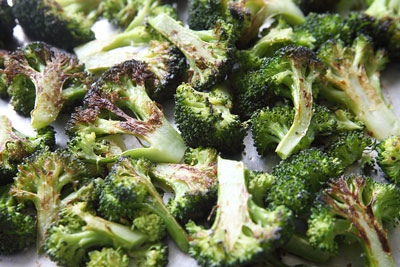
Roasted broccoli is one of the easiest vegetables to prepare in an air fryer. The edges become lightly browned and crispy while the centers stay tender. This recipe is perfect for helping kids learn how seasoning and cooking time can completely change the flavor of vegetables.
Ingredients
- 3 cups broccoli florets
- 1 tablespoon olive oil
- 1/2 teaspoon garlic powder
- Salt and pepper, to taste
- Optional: grated Parmesan cheese or Italian seasoning
Directions
- Preheat the air fryer if recommended by the manufacturer.
- Wash and dry the broccoli thoroughly.
- Toss the broccoli with olive oil, garlic powder, salt, and pepper.
- Arrange the broccoli in a single layer in the basket.
- Cook at 375 F for 8-10 minutes, shaking the basket halfway through cooking.
- Serve immediately while warm.
Kids Can Help
Children can wash the broccoli, measure the seasonings, toss everything together, and shake the basket halfway through cooking with adult supervision.
Air Fryer Sweet Potato Fries
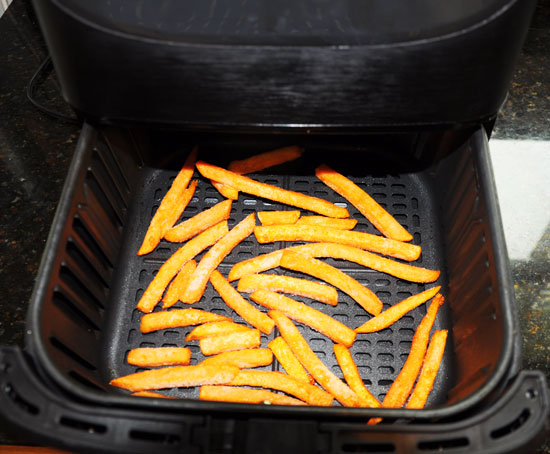
Sweet potato fries become crispy on the outside and soft inside without deep frying. Kids love watching fresh potatoes transform into a favorite side dish using only a small amount of oil.
Ingredients
- 2 medium sweet potatoes
- 1 tablespoon olive oil
- 1 teaspoon paprika
- 1/2 teaspoon garlic powder
- Salt and pepper, to taste
Directions
- Peel the sweet potatoes if desired and cut into fry-shaped strips.
- Toss with olive oil and seasonings.
- Arrange in a single layer in the air fryer basket.
- Cook at 380 F for 12-15 minutes, shaking the basket every 5 minutes.
- Serve immediately.
Serving Ideas
Enjoy with ketchup, ranch dressing, barbecue sauce, or honey mustard. Sweet potato fries also pair well with burgers, sandwiches, grilled chicken, and tacos.
Air Fryer Mozzarella Sticks

These homemade mozzarella sticks are crispy on the outside and perfectly gooey inside. Kids enjoy dipping, coating, and assembling them before they cook in just a few minutes.
Ingredients
- 6 mozzarella string cheese sticks
- 1 egg, beaten
- 1/2 cup grated Parmesan cheese
- 1/2 cup Italian bread crumbs
- Cooking spray
Directions
- Cut each cheese stick in half.
- Dip each piece into the beaten egg.
- Roll in the Parmesan and bread crumb mixture.
- Repeat the coating for a thicker crust.
- Freeze the coated cheese sticks for about 30 minutes.
- Lightly spray with cooking spray.
- Cook at 390 F for 5-6 minutes until golden.
Cooking Tip
Freezing the cheese sticks before cooking helps prevent the cheese from melting out during cooking.
Crispy Air Fryer Green Beans

Fresh green beans become tender with lightly crispy edges in the air fryer. This simple recipe helps children practice washing vegetables, measuring seasonings, and learning how cooking time affects texture.
Ingredients
- 3 cups fresh green beans, trimmed
- 1 tablespoon olive oil
- Salt and pepper
- Optional: garlic powder or grated Parmesan cheese
Directions
- Wash and dry the green beans.
- Toss with olive oil and seasonings.
- Arrange in a single layer in the air fryer basket.
- Cook at 380 F for 7-9 minutes, shaking halfway through cooking.
- Serve warm.
Try Different Flavors
Season with ranch seasoning, lemon pepper, Italian seasoning, Cajun seasoning, or Parmesan cheese for delicious variations.
Air Fryer Banana Chips

Banana chips are a fun air fryer snack that helps kids learn how thin slicing and cooking time affect texture. The thinner the banana slices, the crispier the chips will become.
Ingredients
- 2 firm bananas
- 1 teaspoon lemon juice
- Optional: cinnamon or a tiny sprinkle of sugar
Directions
- Peel the bananas and slice them into thin, even rounds.
- Brush lightly with lemon juice to help prevent browning.
- Arrange banana slices in a single layer in the air fryer basket.
- Cook at 300 F for 10-15 minutes, checking often.
- Allow the chips to cool before eating. They will crisp more as they cool.
Kids Can Help
Children can peel bananas, brush slices with lemon juice, sprinkle cinnamon, and arrange the slices in the basket. An adult should handle slicing and removing the hot basket.
Air Fryer Apple Chips

Apple chips are a light, crunchy snack kids can help season with cinnamon. This recipe is a great way to practice slicing foods evenly and learning how fruit changes as it dries and crisps.
Ingredients
- 2 apples
- 1 teaspoon cinnamon
- Optional: 1 teaspoon sugar
Directions
- Wash the apples and slice them very thinly.
- Remove seeds from the slices.
- Sprinkle with cinnamon and sugar, if using.
- Arrange slices in a single layer in the air fryer basket.
- Cook at 300 F for 12-16 minutes, flipping halfway through.
- Cool completely before eating so the chips can crisp.
Kitchen Tip
Thin, even slices work best. An adult should slice the apples or supervise older children carefully when using a knife or mandoline.
Air Fryer Pizza Bagels
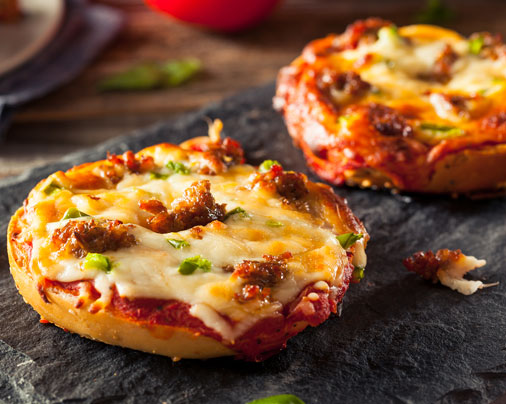
Pizza bagels are a quick lunch or snack that kids can assemble almost independently. They practice spreading sauce, adding toppings, and watching cheese melt without using the oven.
Ingredients
- 2 mini bagels, split in half
- 1/2 cup pizza sauce
- 1 cup shredded mozzarella cheese
- Mini pepperoni, diced vegetables, or favorite toppings
- Italian seasoning, optional
Directions
- Spread pizza sauce on each bagel half.
- Sprinkle with shredded mozzarella cheese.
- Add toppings and Italian seasoning if desired.
- Place the bagel halves in the air fryer basket.
- Cook at 350 F for 4-6 minutes, or until the cheese is melted and bubbly.
- Allow to cool slightly before eating.
Topping Ideas
Try olives, bell peppers, mushrooms, pineapple, cooked sausage, pepperoni, spinach, or extra cheese.
Air Fryer Roasted Carrots
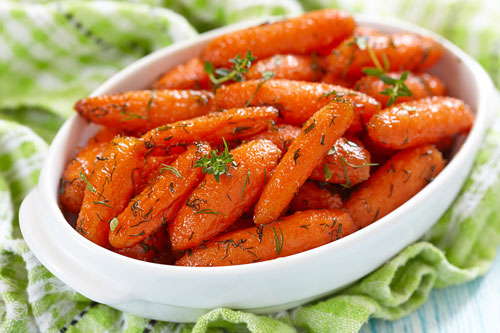
Roasted carrots become sweet, tender, and lightly browned in the air fryer. This is a simple vegetable recipe that helps kids practice measuring oil, tossing ingredients, and checking for doneness.
Ingredients
- 3 cups peeled carrot sticks or baby carrots
- 1 tablespoon olive oil
- 1/2 teaspoon garlic powder
- Salt and pepper, to taste
- Optional: honey, cinnamon, or Parmesan cheese
Directions
- Place carrots in a bowl.
- Add olive oil, garlic powder, salt, and pepper.
- Toss until evenly coated.
- Arrange carrots in a single layer in the air fryer basket.
- Cook at 380 F for 10-14 minutes, shaking halfway through.
- Serve warm.
Flavor Variation
For sweeter carrots, add a drizzle of honey and a sprinkle of cinnamon after cooking. For savory carrots, top with Parmesan cheese.
Crispy Air Fryer Chickpeas

Crispy chickpeas are a crunchy, protein-rich snack that kids can season in many different ways. They are perfect for practicing rinsing, drying, seasoning, and shaking the basket during cooking.
Ingredients
- 1 can chickpeas, drained and rinsed
- 1 tablespoon olive oil
- 1/2 teaspoon garlic powder
- 1/2 teaspoon paprika
- Salt, to taste
Directions
- Drain and rinse the chickpeas.
- Pat them very dry with paper towels.
- Toss with olive oil and seasonings.
- Place in the air fryer basket in a single layer.
- Cook at 390 F for 10-14 minutes, shaking the basket halfway through.
- Cool slightly before eating.
Try Different Seasonings
Use ranch seasoning, taco seasoning, cinnamon sugar, curry powder, or lemon pepper for different snack flavors.
Cleaning & Caring for Your Air Fryer
Learning to clean an air fryer is just as important as learning to cook with one. Cleaning after each use helps food taste better, keeps the appliance working properly, and teaches children to take responsibility for the tools they use.
Always allow the air fryer to cool completely before cleaning. Never place the electrical base in water or use abrasive cleaners that could damage the non-stick coating.
How to Clean an Air Fryer
- Turn the air fryer off and unplug it.
- Allow the appliance to cool completely.
- Remove the basket and crisper tray.
- Wash removable parts with warm, soapy water or place them in the dishwasher if recommended by the manufacturer.
- Wipe the inside and outside of the air fryer with a soft damp cloth.
- Dry all parts completely before putting the appliance away.
Never Do These Things
- ✘ Never place the heating unit or electrical base in water.
- ✘ Never use metal utensils that can scratch the non-stick coating.
- ✘ Never use steel wool or abrasive scrubbers.
- ✘ Never store the air fryer while it is still hot.
- ✘ Never wrap the power cord tightly around the appliance.
Good Kitchen Habits
- ✔ Wash dishes while the food cools.
- ✔ Empty crumbs from the basket after every use.
- ✔ Wipe up spills right away.
- ✔ Put seasonings and ingredients back where they belong.
- ✔ Refrigerate leftovers within 2 hours.
Air Fryer Troubleshooting
Every cook has recipes that don't turn out perfectly the first time. Use this guide to solve common air fryer problems and improve your results the next time you cook.
| Problem | Solution |
|---|---|
| Food isn't crispy. | Don't overcrowd the basket. Arrange food in a single layer so hot air can circulate evenly. |
| Food is cooking unevenly. | Shake the basket or turn the food halfway through cooking. |
| Vegetables are too dry. | Toss them with a small amount of oil before cooking. |
| Food is burning. | Lower the temperature or reduce the cooking time slightly. |
| Food isn't fully cooked. | Add a few more minutes and check again. Larger pieces naturally require longer cooking times. |
| Smoke comes from the air fryer. | Clean excess grease from the basket and tray before cooking another batch. |
| Basket is difficult to remove. | Allow the appliance to cool for a minute before pulling out the basket. |
| Food sticks to the basket. | Lightly coat the basket or food with cooking spray or a small amount of oil if appropriate. |
Remember
Every air fryer cooks a little differently. As children gain experience, they'll learn when to add a minute or two of cooking time or lower the temperature for their favorite recipes.
Kitchen Skills Kids Learn with an Air Fryer
An air fryer teaches much more than how to prepare crispy foods. As children cook with adult supervision, they practice planning, measuring, timing, food safety, and responsibility. These skills transfer to many other kitchen appliances and help build confidence for preparing complete meals independently.
Skills That Grow With Experience
Every air fryer recipe helps children become more comfortable working in the kitchen. As their confidence grows, they'll begin experimenting with seasonings, preparing complete meals, and adapting recipes for their family's tastes.
Appliances to Learn Next
Once children are comfortable using an air fryer, they're ready to begin learning other beginner-friendly appliances, including a blender, slow cooker, microwave, and toaster oven. Each appliance introduces new cooking techniques while reinforcing the same safety habits and kitchen skills.
Watch Air Fryer Recipes in Action
Watching experienced cooks prepare recipes is a great way for kids to build confidence before trying them at home. These videos demonstrate helpful techniques, timing, and simple meal ideas that work well in an air fryer.
Related Kitchen Skills & Air Fryer Recipes
Continue building confidence in the kitchen with these beginner-friendly appliance lessons, easy recipes, and healthy cooking ideas.
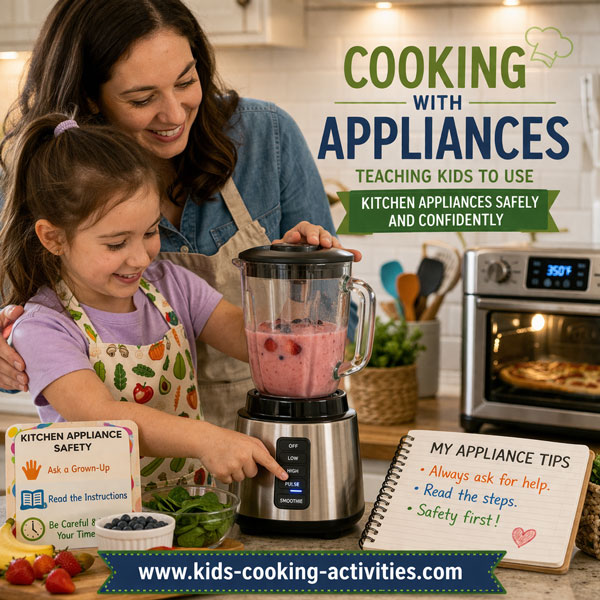
Compare kitchen appliances and choose the next lesson as children continue developing new cooking skills.

Learn baking, roasting, sautéing, steaming, boiling, grilling, and other methods every young chef should know.


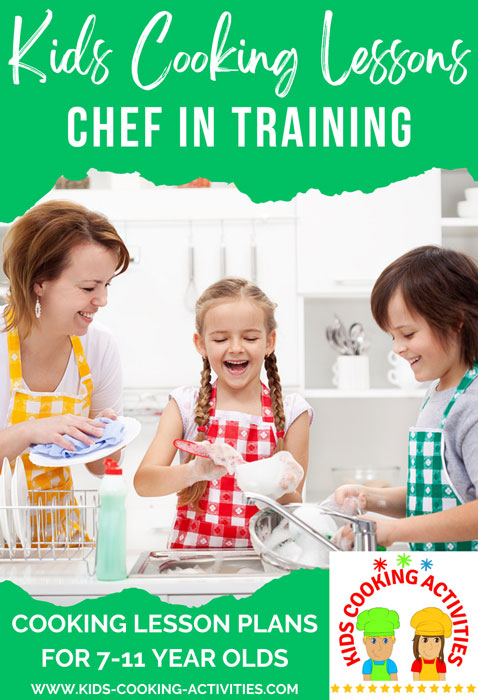
Build cooking confidence with step-by-step lessons that teach essential kitchen skills, safety, measuring, and food preparation.

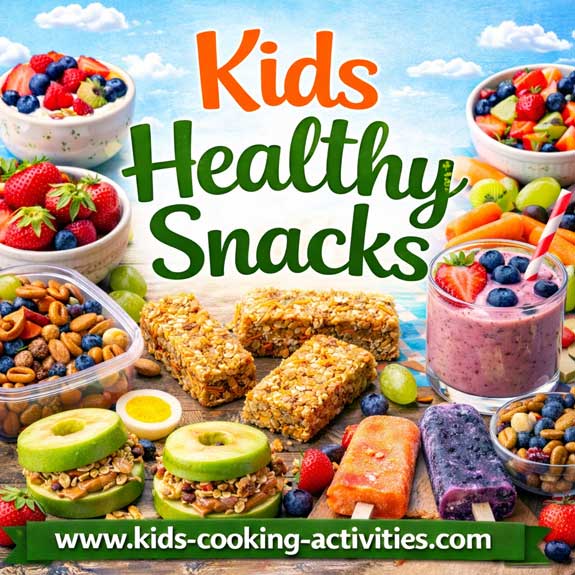
Explore simple breakfasts, lunches, dinners, and snacks that beginner cooks can help prepare for the whole family.


Frequently Asked Questions
At what age can kids start using an air fryer?
Many children can begin helping with an air fryer around ages 8–10 by seasoning foods, arranging ingredients in the basket, and setting the timer with close adult supervision. Older children can gradually take on more responsibility as they demonstrate safe kitchen habits.
Is an air fryer safer than deep frying?
Yes. An air fryer doesn't require large amounts of hot oil, making it a safer option for families. However, the basket, heating element, and escaping steam still become very hot, so adult supervision is important.
What are the easiest foods for beginners to cook?
Roasted broccoli, sweet potato fries, green beans, banana chips, mozzarella sticks, and pizza bagels are excellent beginner recipes because they cook quickly and use simple ingredients.
Do air fryers need to be preheated?
Some models recommend preheating while others do not. Always check your owner's manual or recipe directions for the best results.
Why shouldn't the basket be overcrowded?
Hot air needs room to circulate around the food. Overcrowding the basket can lead to uneven cooking and prevent foods from becoming crispy.
How do kids safely clean an air fryer?
Always unplug the appliance and allow it to cool completely before cleaning. Wash the removable basket and tray according to the manufacturer's instructions, and wipe the outside with a damp cloth. Never place the electrical base in water.
What kitchen skills do children learn by using an air fryer?
Children practice reading recipes, measuring ingredients, timing meals, preparing vegetables, using kitchen appliances safely, cleaning up, and making healthier food choices.
What appliance should kids learn after an air fryer?
Many families continue with a blender, slow cooker, microwave, or toaster oven. Each appliance teaches new cooking techniques while reinforcing kitchen safety and food preparation skills.
Cooking with Appliances Hub Air Fryer Blender Bread Machine Slow Cooker Instant Pot Microwave Toaster Oven Waffle Iron
Continue Learning Kitchen Skills
Ready to learn another appliance or cooking technique? Explore more beginner-friendly lessons and recipes designed to help young cooks build confidence in the kitchen.
Kitchen Skills | Teaching Kids to Cook | Cooking with Appliances | Easy Meal Ideas
Get Free Kids Recipe Cards + Cooking Printables
Join Kids Cooking Activities for fun recipes, cooking ideas, and printable resources for kids, families, and classrooms.
Follow Kids Cooking Activities too:





© Debbie Madson, Madson Web Publishing, LLC — All rights reserved.
The material on this site is for educational purposes only.