

- Home ›
- Teaching Kids to Cook ›
- Cooking with Appliances ›
- Kid Friendly Instant Pot Recipes
Kid Friendly Instant Pot Recipes
Learn how children can safely help prepare delicious Instant Pot meals while building kitchen confidence, measuring skills, and healthy cooking habits.

An Instant Pot can make family meals faster, easier, and more convenient while introducing children to new cooking techniques. Although an Instant Pot is one of the safest pressure cookers available, it is still a high-pressure appliance that requires adult supervision whenever it is in use.
Children can participate in many parts of the cooking process, including washing vegetables, measuring ingredients, stirring, seasoning, and helping prepare recipes before cooking begins. Adults should always be responsible for sealing the lid, selecting pressure settings, releasing pressure, and opening the cooker after cooking is complete.
On this page you'll find beginner-friendly Instant Pot recipes, important pressure cooker safety rules, helpful cooking tips, and ideas that teach valuable kitchen skills while preparing breakfasts, dinners, soups, side dishes, and desserts together.
Start Here: Best Instant Pot Recipes for Families
- New to Instant Pot cooking? Begin with Cinnamon Pear Applesauce or Rice Pudding.
- Need an easy family dinner? Try Pork Chili, shredded taco meat, or French dips.
- Looking for healthy meals? Make homemade refried beans, broccoli cheese soup, or steel-cut oatmeal.
- Teaching kitchen skills? Let children measure ingredients, wash produce, stir recipes, and prepare toppings while adults manage the pressure cooking.
- Learning appliance safety? Read the Instant Pot safety tips below before preparing your first recipe.
Important Instant Pot Safety
Unlike a slow cooker or microwave, an Instant Pot cooks under pressure. Children should never operate the pressure release valve or remove the lid by themselves. An adult should always supervise pressure cooking, release the steam, and confirm the pressure has fully released before opening the cooker.
Kids Cooking Activities Teaching Materials
Teaching kids to cook? Save time with ready-made lesson plans used by parents and teachers. Browse teaching materials →


This page may contain affiliate links. We may earn a small commission at no extra cost to you. Learn more.
On This Page
Instant Pot Safety Rules
An Instant Pot is one of the safest electric pressure cookers available, but it still uses high pressure and hot steam to cook food. Before children help prepare recipes, they should understand that some parts of Instant Pot cooking are adult jobs while many other kitchen tasks are perfect for young helpers.
Kids can wash vegetables, measure ingredients, stir recipes before cooking, prepare garnishes, and help serve the finished meal. Adults should always lock the lid, select the cooking program, release pressure, and remove the lid after cooking.
Adult-Only Tasks
- ? Lock and unlock the Instant Pot lid.
- ? Set the pressure cooking program and cooking time.
- ? Move the steam release valve to Venting.
- ? Perform a quick pressure release.
- ? Open the lid after pressure has completely released.
- ? Remove the hot inner cooking pot if necessary.
Great Jobs for Kids
- ? Wash fruits and vegetables.
- ? Measure liquids and dry ingredients.
- ? Stir ingredients before cooking.
- ? Add seasonings.
- ? Prepare toppings and garnishes.
- ? Set the table.
- ? Help portion leftovers into storage containers.
- ? Wash dishes after the meal.
Pressure Cooking Safety Tips
| Safety Rule | Why It Matters |
|---|---|
| Never force the lid open. | The cooker must completely release pressure before it can be opened safely. |
| Keep hands and face away from the steam. | Escaping steam is extremely hot and can cause serious burns. |
| Do not overfill the Instant Pot. | Too much food or liquid can interfere with pressure cooking and clog the steam vent. |
| Check the sealing ring before cooking. | A properly installed sealing ring allows the cooker to build pressure correctly. |
| Use oven mitts when needed. | The inner pot and handles may become very hot after cooking. |
| Wait for the float valve to drop. | The lid should only be opened after the pressure indicator shows it is safe. |
Build Confidence First
Before using pressure cooking functions, let children become familiar with the Instant Pot by helping prepare ingredients, measuring liquids, selecting vegetables, and observing how the cooker works. As they become more experienced, they'll better understand how recipes come together while practicing safe kitchen habits.
How Kids Can Help with Instant Pot Cooking
Even though adults should handle the pressure cooking functions, children can participate in almost every other part of preparing a meal. Working together teaches organization, teamwork, and important cooking techniques that apply to every kitchen appliance.
These simple responsibilities allow children to gain confidence while adults manage the pressure cooking portion of the recipe. Over time, young cooks become comfortable with meal planning, measuring, food safety, and working together in the kitchen.
How to Use an Instant Pot Safely
Once children understand the basic safety rules, they can begin learning how an Instant Pot works. While adults should always handle the pressure cooking functions, kids can follow along and help prepare the recipe from start to finish. Learning the cooking process helps children become more confident in the kitchen while understanding why each step is important.
Step 1: Read the Recipe First
Before gathering ingredients, read the recipe together. Talk about which jobs children can do and which steps require adult supervision, such as locking the lid and releasing pressure.
Step 2: Prepare the Ingredients
Wash fruits and vegetables, measure ingredients, chop foods if age-appropriate, and organize everything before turning on the Instant Pot. This cooking technique, often called "mise en place," makes preparing meals easier and helps prevent mistakes.
Step 3: Add Ingredients to the Pot
Children can help add ingredients to the inner cooking pot while an adult checks that the correct amount of liquid has been added. Pressure cookers require enough liquid to safely build pressure.
Why Liquid Matters
Unlike slow cookers or ovens, an Instant Pot uses steam to create pressure. Most recipes require at least one cup of liquid, although the exact amount depends on the recipe and your Instant Pot model. Always follow the recipe instructions.
Step 4: Lock the Lid
An adult should place and lock the lid, confirm the sealing ring is properly installed, and move the pressure release valve to the Sealing position before cooking begins.
Step 5: Select the Cooking Program
Adults choose the correct cooking function, pressure level, and cooking time. Children can help read the recipe and locate the correct buttons while learning how different foods require different cooking times.
Step 6: Wait While Pressure Builds
The Instant Pot may take several minutes to build pressure before the cooking timer begins counting down. Explain to children that this is normal and that the cooker is preparing to cook.
Step 7: Release the Pressure Safely
When cooking is finished, an adult will either allow the pressure to release naturally or carefully perform a quick release according to the recipe directions. Children should stand several feet away while hot steam escapes.
Steam Can Cause Burns
Never place your hands or face over the steam release valve. The steam escaping from an Instant Pot is extremely hot and should always be handled by an adult.
Step 8: Finish and Serve
Once the float valve has dropped and the lid is safely opened, children can help stir the finished recipe, taste for seasoning if appropriate, garnish the meal, and serve it to the family.
Helpful Instant Pot Cooking Tips
A few simple habits can make Instant Pot cooking easier, safer, and more successful. These tips are especially helpful for families who are just beginning to use their pressure cooker.
| Tip | Why It Helps |
|---|---|
| Read the recipe completely before starting. | Knowing each step ahead of time helps prevent mistakes. |
| Measure ingredients before turning on the cooker. | Everything is ready when you need it. |
| Do not overfill the pot. | Allows pressure to build safely and prevents messy spills. |
| Always check the sealing ring. | Helps the Instant Pot seal properly. |
| Use natural or quick release exactly as directed. | Different recipes require different pressure release methods. |
| Let children help with preparation instead of pressure release. | Keeps young cooks involved while maintaining safe kitchen practices. |
| Clean the sealing ring after strong-smelling foods. | Helps prevent flavors and odors from transferring between recipes. |

Great Beginner Instant Pot Recipes
Simple recipes like applesauce, rice pudding, oatmeal, soups, beans, and shredded meats help families become comfortable using an Instant Pot before trying more advanced meals.
Instant Pot Rice Pudding
Creamy rice pudding is one of the easiest desserts to make in an Instant Pot. Children can help measure ingredients, stir the mixture, whisk the eggs, and choose fun toppings while adults safely operate the pressure cooker.



Ingredients
- 2 tablespoons extra virgin olive oil
- 1 cup rice
- 2 1/2 cups almond milk, divided
- 2 tablespoons maple syrup
- 1 teaspoon vanilla extract
- 1 teaspoon ground cinnamon
- 1/4 teaspoon salt
- 2 eggs
Optional Toppings
- Fresh berries
- Whipped cream
- Berry jam
- Ground cinnamon
- Maple syrup
- Cinnamon sticks
Directions
- Select the Saute function. Add olive oil and rice, stirring for about 2 minutes until lightly toasted.
- Turn off the Instant Pot. Add 2 cups of almond milk, maple syrup, vanilla, cinnamon, and salt. Stir well.
- Lock the lid, set the valve to Sealing, and cook on High Pressure for 10 minutes.
- While the rice cooks, whisk together the eggs and remaining almond milk in a bowl.
- Allow the pressure to release naturally for 15 minutes before an adult carefully releases any remaining pressure.
- Slowly stir a spoonful of the hot rice mixture into the egg mixture to temper the eggs. Repeat once more.
- Gradually stir the egg mixture into the rice pudding.
- Select Saute again and stir constantly for 3-4 minutes until the pudding thickens.
- Serve warm or chilled with your favorite toppings.
Kids Can Help
Young cooks can measure ingredients, whisk the eggs, stir the pudding, and decorate each serving with fruit or cinnamon. Adults should always lock the lid and release the pressure.
Instant Pot Pork Chili
This hearty pork chili is a satisfying family dinner packed with beans, tomatoes, and tender shredded pork. Children can help measure spices, rinse beans, and prepare toppings while adults manage the pressure cooking.

Ingredients
- 2 1/2-3 pounds boneless pork loin roast
- Salt and pepper, to taste
- 1 tablespoon olive oil
- 1/2 red onion, diced
- 1 tablespoon unsweetened cocoa powder
- 1 tablespoon chili powder
- 2 teaspoons ground cumin
- 1 teaspoon smoked paprika
- 1 teaspoon garlic powder
- 2 teaspoons dried oregano
- 1 cup beef or vegetable broth
- 1 (28-ounce) can diced tomatoes with green chilies
- 2 (15-ounce) cans kidney beans, rinsed
- 1 (15-ounce) can Great Northern beans, rinsed
- 1 cup chopped tomatoes
Optional Toppings
- Shredded Mexican cheese
- Diced avocado
- Green onions
- Sour cream
Directions
- Cut the pork into large pieces and season with salt and pepper.
- Select Saute and cook the onion with olive oil and spices until fragrant.
- Add the broth and scrape the bottom of the pot.
- Stir in tomatoes, beans, and pork.
- Lock the lid and cook on High Pressure for 55 minutes.
- Allow a 15-minute natural pressure release before an adult releases any remaining pressure.
- Shred the pork with two forks and stir everything together.
- Serve with shredded cheese, avocado, or your favorite toppings.
Family Cooking Tip
This recipe tastes even better the next day and freezes well for quick family meals. Children can help portion leftovers into freezer-safe containers after the chili has cooled.
Instant Pot Cinnamon Pear Applesauce
Homemade applesauce is one of the easiest and healthiest Instant Pot recipes for families. Fresh apples and pears cook quickly under pressure, creating a naturally sweet applesauce that's perfect for breakfast, snacks, or dessert. Children can help wash fruit, measure ingredients, and blend the finished sauce while adults handle the pressure cooking.

Ingredients
- 4 large apples, cored and chopped
- 2 large pears, cored and chopped
- 1/4 cup water or apple juice
- 2 teaspoons ground cinnamon
- 1 tablespoon fresh lemon juice
- Optional: 1-2 tablespoons maple syrup
Directions
- Add the apples, pears, water (or apple juice), cinnamon, and lemon juice to the Instant Pot. Stir to combine.
- Lock the lid and move the pressure valve to the Sealing position.
- Cook on High Pressure for 4 minutes.
- Allow the pressure to release naturally for 10 minutes before an adult carefully releases any remaining pressure.
- Taste the applesauce and stir in maple syrup if additional sweetness is desired.
- Blend with an immersion blender for chunky applesauce or transfer carefully to a blender or food processor for a smoother texture.
- Serve warm or chilled. Refrigerate leftovers in an airtight container for up to one week.
Kids Can Help
Children can wash the fruit, help measure the cinnamon, stir the ingredients before cooking, taste the finished applesauce, and choose fun toppings like extra cinnamon or fresh berries. Adults should always release the pressure and open the lid.
Quick Instant Pot Meal Ideas
Once you're comfortable using your Instant Pot, it becomes one of the most versatile appliances in the kitchen. These easy meal ideas require minimal preparation and can often be customized with your family's favorite ingredients.
Why Families Love the Instant Pot
- ? Meals cook much faster than traditional methods.
- ? One appliance can saut�, pressure cook, slow cook, steam, and keep food warm.
- ? Tough cuts of meat become tender in a fraction of the usual cooking time.
- ? Great for batch cooking and meal prep.
- ? Leftovers freeze well for busy weeknights.
Cleaning & Caring for Your Instant Pot
Cleaning your Instant Pot after each use helps it perform its best and keeps flavors fresh for your next meal. Fortunately, most parts are easy to wash, making cleanup simple enough for children to help with after the appliance has completely cooled.
Always unplug the Instant Pot and allow the inner pot and lid to cool before cleaning. Never immerse the heating base in water.
How to Clean an Instant Pot
- Unplug the Instant Pot and allow it to cool completely.
- Remove the stainless steel inner pot and wash it with warm, soapy water or place it in the dishwasher if recommended by the manufacturer.
- Wash the lid, sealing ring, steam shield, and condensation collector.
- Wipe the inside and outside of the heating base with a soft, damp cloth.
- Dry all parts thoroughly before reassembling the cooker.
- Store the Instant Pot with the lid resting upside down or slightly open to prevent odors.
Jobs Kids Can Help With
- ? Wash the inner pot.
- ? Dry the lid and accessories.
- ? Empty and rinse the condensation collector.
- ? Wipe the exterior with a damp cloth.
- ? Return clean accessories to the Instant Pot.
Never Do These Things
- ? Never place the heating base in water.
- ? Never scrub the heating plate with abrasive cleaners.
- ? Never use the Instant Pot if the sealing ring is cracked or damaged.
- ? Never store food inside the Instant Pot for long periods.
- ? Never reassemble the cooker while parts are still wet.
Remove Strong Food Odors
The silicone sealing ring can absorb the smell of foods like chili, garlic, onions, and barbecue. Wash the ring thoroughly after each use and allow it to air dry. Many families keep one sealing ring for savory meals and another for desserts to help prevent flavors from transferring.
Instant Pot Troubleshooting
Even experienced cooks occasionally have questions when using an Instant Pot. Learning how to recognize and solve common problems helps children understand the cooking process while giving adults confidence in preparing family meals.
| Problem | Solution |
|---|---|
| Instant Pot won't come to pressure. | Check that the lid is locked, the sealing ring is installed correctly, and the pressure valve is set to Sealing. |
| "Burn" message appears. | Turn off the cooker, release pressure safely, and make sure there is enough liquid before restarting. |
| Food is undercooked. | Return the lid, seal the cooker, and cook for a few more minutes if needed. |
| Food is overcooked. | Reduce the cooking time the next time you prepare the recipe. |
| Steam escapes around the lid. | Check that the sealing ring is seated correctly and that the lid is fully locked. |
| The sealing ring smells like previous meals. | Wash the ring thoroughly or use a separate ring for desserts and sweet recipes. |
| Too much liquid remains after cooking. | Use the Saut� function to simmer and reduce the liquid after pressure cooking. |
| The lid won't open. | Wait until the float valve has completely dropped. Never force the lid open. |
Remember
Every Instant Pot recipe may require slight adjustments depending on your model, the size of your ingredients, and your family's preferences. As you cook more meals together, you'll learn how to make small timing adjustments while following safe pressure cooking practices.
Kitchen Skills Kids Learn with an Instant Pot
Although adults operate the pressure cooker, children still learn many valuable cooking skills by helping prepare meals. Measuring ingredients, reading recipes, organizing supplies, and cleaning up all build confidence that transfers to every type of cooking.
Skills That Last a Lifetime
The measuring, planning, organization, and food safety habits children learn while helping with an Instant Pot prepare them for cooking with slow cookers, ovens, air fryers, stovetops, and many other kitchen appliances as they grow.
Related Kitchen Skills & Instant Pot Recipes
Continue building your family's cooking skills with these beginner-friendly appliance guides, family recipes, and kitchen lessons. Each resource introduces new techniques while reinforcing safe cooking habits and confidence in the kitchen.
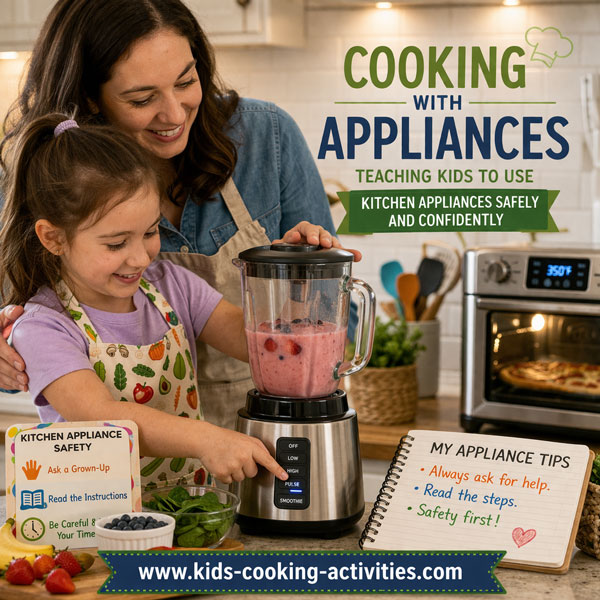
Compare kitchen appliances and choose the next lesson as children continue developing new cooking skills.

Learn baking, roasting, sauteing, steaming, boiling, grilling, and other methods every young chef should know.

Learn slow cooker safety, meal planning, and easy family recipes that children can help prepare from start to finish.

Prepare crispy vegetables, healthy snacks, and easy family meals while learning safe air fryer techniques.

Discover beginner-friendly toaster oven recipes including sandwiches, vegetables, pizzas, and desserts.


Find simple dinners that help children practice measuring, preparing ingredients, and serving complete meals.

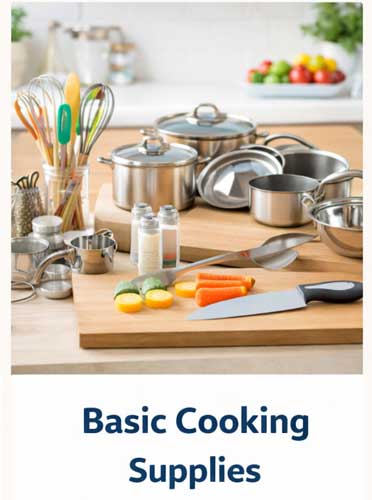
Build confidence with measuring, food safety, knife skills, appliance lessons, and essential cooking techniques.

Frequently Asked Questions
Can children use an Instant Pot by themselves?
No. Because an Instant Pot cooks under pressure, an adult should always supervise its use. Children can safely help measure ingredients, stir recipes before cooking, and assist with serving and cleanup.
What is the easiest Instant Pot recipe for beginners?
Rice pudding, applesauce, steel-cut oatmeal, soups, and shredded meats are excellent beginner recipes because they require simple ingredients and straightforward preparation.
Why does an Instant Pot need liquid?
Pressure cookers create steam from liquid inside the pot. Without enough liquid, the cooker cannot build pressure correctly and may display a burn warning.
Can kids help release the pressure?
No. Releasing pressure produces extremely hot steam. An adult should always perform quick pressure releases and open the lid only after all pressure has safely dissipated.
What foods cook well in an Instant Pot?
Soups, chili, beans, shredded meats, oatmeal, applesauce, rice pudding, stews, and many family dinners cook especially well in an Instant Pot.
Can children help clean the Instant Pot?
Yes. After the appliance has cooled and been unplugged, children can wash the inner pot, dry the lid, wipe the exterior, and help reassemble the accessories.
What's the difference between an Instant Pot and a slow cooker?
An Instant Pot cooks meals under pressure, allowing many foods to cook much faster than a slow cooker. A slow cooker uses low, steady heat over several hours without pressure.
What appliance should children learn after using an Instant Pot?
Many families continue building kitchen skills by learning to use a slow cooker, air fryer, toaster oven, microwave, or blender, depending on the child's age and experience.
Cooking with Appliances Hub Air Fryer Blender Bread Machine Slow Cooker Instant Pot Microwave Toaster Oven Waffle Iron
Continue Learning Kitchen Skills
Explore more appliance lessons, family recipes, and cooking activities as your young chefs build confidence in the kitchen.
Teaching Kids to Cook | Kitchen Skills | Cooking with Appliances | Easy Family Dinner Recipes
Get Free Kids Recipe Cards + Cooking Printables
Join Kids Cooking Activities for fun recipes, cooking ideas, and printable resources for kids, families, and classrooms.
Follow Kids Cooking Activities too:





© Debbie Madson, Madson Web Publishing, LLC — All rights reserved.
The material on this site is for educational purposes only.