
Teaching Kids to Use a Microwave
Teach kids how to safely use a microwave for reheating, defrosting, melting, simple meals, and everyday kitchen independence.

A microwave is one of the most useful kitchen appliances for children to learn because it helps them reheat leftovers, melt ingredients, warm snacks, and prepare simple foods with less waiting time. With adult supervision, kids can practice reading directions, setting timers, stirring foods, checking temperature, and cleaning up after themselves.
Even though a microwave does not have an open flame or hot heating element, it still requires careful safety habits. Foods, liquids, bowls, plates, and steam can become extremely hot. Children should learn which containers are microwave-safe, how to stir food for even heating, and how to remove hot dishes safely.
Start Here: Learning to Use a Microwave
- Learn safety first. Understand hot steam, hot dishes, and microwave-safe containers.
- Practice simple jobs. Start with reheating leftovers, warming soup, or melting butter.
- Use short cooking times. Heat in small bursts, stir, and check often.
- Learn the main skills. Practice cooking, reheating, defrosting, melting, and cleaning.
- Move to easy meals. Once kids understand safety, try simple microwave meals and snacks.
Kids Cooking Activities Teaching Materials
Teaching kids to cook? Save time with ready-made lesson plans used by parents and teachers. Browse teaching materials →


This page may contain affiliate links. We may earn a small commission at no extra cost to you. Learn more.
On This Page
Microwave Safety Rules Every Child Should Learn
Microwaves are convenient, but children still need to learn important safety habits before using one. Review these rules together before kids begin reheating or cooking food.
Microwave Safety Checklist
- ✔ Always ask an adult before using the microwave.
- ✔ Use only microwave-safe dishes and containers.
- ✔ Never put metal, foil, twist ties, or metal-trimmed dishes in the microwave.
- ✔ Heat food in short amounts of time and check often.
- ✔ Stir food halfway through heating so it warms evenly.
- ✔ Use oven mitts or a towel when removing hot dishes.
- ✔ Open lids and covers carefully because steam can burn.
- ✔ Let food sit for a minute before eating.
- ✔ Check that food is hot all the way through before serving.
- ✔ Wipe spills after the microwave cools.
Important Safety Reminder
Microwaved food can heat unevenly. A dish may feel cool while the food inside is very hot, or one part of the food may be much hotter than another. Stir, wait, and check before eating.
Get to Know Your Microwave
Before children begin using a microwave, help them identify the main parts and controls. Understanding how each part works makes microwave cooking safer and helps kids feel more confident.
Before Every Use
Check that the dish is microwave-safe, the turntable is in place, the food is covered loosely if needed, and the cooking time is set correctly.
How to Use a Microwave Step by Step
Microwave cooking is easiest when children learn a simple routine. These steps work for reheating leftovers, warming snacks, melting ingredients, and preparing beginner microwave meals.
Step 1: Choose a Microwave-Safe Dish
Use glass, ceramic, or dishes labeled microwave-safe. Do not use metal, foil, twist ties, or containers that are not meant for microwave cooking.
Step 2: Add the Food
Place food evenly in the dish. If reheating leftovers, spread food out instead of leaving it in one tall pile so it warms more evenly.
Step 3: Cover Loosely
Use a microwave-safe cover, paper towel, or vented lid to help prevent splatters. Leave a small opening so steam can escape.
Steam Safety
Always open covers away from your face. Steam trapped under a lid or wrap can be very hot and may burn hands or skin.
Step 4: Set a Short Cooking Time
Start with a shorter time than you think you need. It is always safer to add more time than to overheat or burn the food.
Step 5: Stir or Rotate Food
Pause halfway through cooking to stir food when possible. Stirring helps prevent cold spots and hot spots.
Step 6: Let Food Stand
After heating, let food sit for about 1 minute. Standing time allows the heat to spread through the food more evenly.
Step 7: Remove Food Safely
Use oven mitts or a towel to remove hot dishes. Hold bowls and plates carefully because the food, steam, or container may be hotter than expected.
Step 8: Check Before Eating
Stir again, test the temperature carefully, and make sure food is heated all the way through before eating.
Good Microwave Habits
- ✔ Start with short cooking times.
- ✔ Stir food halfway through heating.
- ✔ Let food stand before eating.
- ✔ Use microwave-safe dishes only.
- ✔ Wipe spills before they dry.
- ✔ Ask an adult before heating unfamiliar foods.
Cooking & Reheating Food in the Microwave
For most children, reheating leftovers is the easiest way to begin learning microwave cooking. It teaches them how to set cooking times, stir food for even heating, and safely remove hot dishes before moving on to preparing complete microwave meals.
Microwaves heat foods differently than conventional ovens. Some areas of the food become hot more quickly than others, so it's important to stir foods whenever possible and allow them to stand for a minute after heating.
Great Beginner Foods to Reheat
Tips for Even Heating
- Spread food into an even layer whenever possible.
- Cover foods loosely to help keep moisture in and reduce splatters.
- Stir halfway through cooking.
- Rotate larger dishes if your microwave does not have a turntable.
- Always let food rest for about one minute before eating.
Reheating Leftovers Safely
Cooked leftovers should be reheated until they are hot throughout. Stir food after heating and check that there are no cold spots before serving. If needed, heat for an additional 15 to 30 seconds.
Watch Out for Steam
Soups, sauces, and covered foods create very hot steam inside the microwave. Carefully lift lids and covers away from your face to prevent steam burns.
Defrosting Food Safely
Defrosting is one of the most useful microwave skills, but it also requires careful attention. Food should thaw slowly enough to remain safe while avoiding partially cooking the outside before the inside has thawed.
Many microwaves have a built-in defrost setting that automatically uses lower power levels. Children should learn how to use this feature with adult supervision before attempting to thaw larger foods.
Foods That Are Easy to Defrost
- Bread and rolls
- Frozen fruit
- Cooked leftovers
- Frozen vegetables
- Individual portions of cooked meat
Foods That Require Adult Supervision
- Raw chicken
- Ground beef
- Pork
- Large frozen meals
- Whole roasts
Defrosting Tips
- Use the microwave's Defrost setting whenever possible.
- Pause frequently to separate pieces of food.
- Turn or rotate food during defrosting.
- Cook raw meat immediately after it has thawed.
- Never leave thawed meat sitting on the counter.
Food Safety Reminder
Raw meat should never be partially thawed and then returned to the freezer. Once meat has thawed in the microwave, it should be cooked right away to help prevent harmful bacteria from growing.
Melting Butter, Chocolate & Other Ingredients
One of the best ways for children to build confidence using a microwave is by learning to melt ingredients for baking and cooking. Melting requires shorter cooking times and careful attention, making it an excellent lesson in patience and observation.
Instead of cooking continuously, children should heat ingredients in short intervals, stir well, and repeat only if needed. This prevents scorching and helps ingredients melt smoothly.
The Secret to Melting Successfully
Use short cooking times and stir often. Even if an ingredient doesn't look completely melted, stirring usually distributes the remaining heat and finishes the melting process without overheating.
Be Careful with Chocolate
Chocolate burns easily. If overheated, it becomes thick, dry, and grainy. Heating for a few extra seconds is much safer than trying to fix scorched chocolate.
Cleaning & Caring for Your Microwave
Cleaning the microwave after each use keeps it smelling fresh, prevents food from drying onto the walls, and helps the appliance work more efficiently. Learning to clean up after cooking is an important kitchen responsibility for every young chef.
Children should always wait until the microwave has finished running and any hot dishes have been removed before cleaning spills.
How to Clean a Microwave
- Unplug the microwave if recommended by the manufacturer for deep cleaning.
- Remove the glass turntable and wash it with warm, soapy water.
- Wipe the inside walls, ceiling, and door with a soft damp cloth or sponge.
- Clean around the door seal to remove food splatters.
- Dry all surfaces with a clean towel.
- Replace the turntable before using the microwave again.
Good Cleanup Habits
- ✔ Cover foods to reduce splatters.
- ✔ Wipe spills as soon as the microwave has cooled.
- ✔ Wash microwave-safe dishes after each use.
- ✔ Leave the microwave clean for the next person.
- ✔ Check that the microwave is empty before closing the door.
Never Do These Things
- ✘ Never spray cleaner directly into the microwave while it is plugged in.
- ✘ Never use steel wool or abrasive scrubbers.
- ✘ Never slam the microwave door.
- ✘ Never operate the microwave when it is empty.
- ✘ Never ignore food spills that can harden and become difficult to remove.
Quick Cleaning Trick
If dried food is difficult to remove, place a microwave-safe bowl filled with one cup of water and a few lemon slices inside. Microwave for 2 to 3 minutes, let it stand for another 2 minutes, then carefully wipe away the softened food with a damp cloth.
Ready to Cook? Try Easy Microwave Meals
Once children understand microwave safety, they're ready to prepare simple breakfasts, lunches, dinners, snacks, and desserts. Begin with easy recipes that use just a few ingredients before moving on to complete meals.
Many microwave recipes help kids practice reading directions, measuring ingredients, setting cooking times, stirring food, and safely handling warm dishes. As their confidence grows, they'll become more independent in the kitchen.
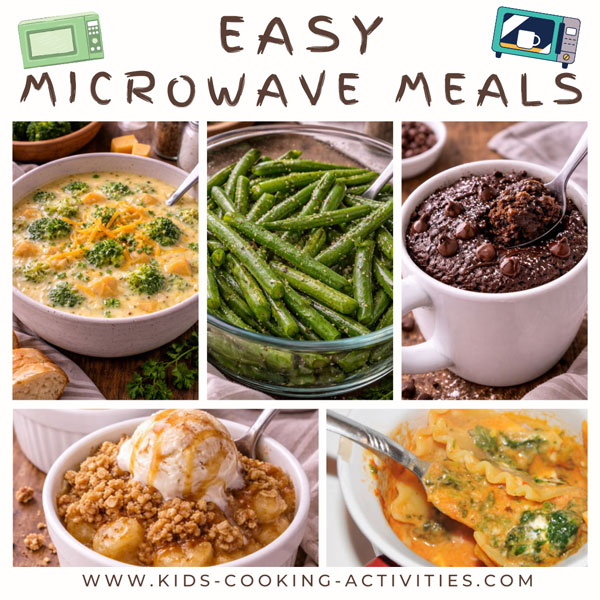
Explore simple breakfasts, lunches, dinners, snacks, desserts, and side dishes that children can safely prepare using a microwave.
Beginner Recipes
Favorite Snacks
Build Confidence One Recipe at a Time
Encourage children to master one recipe before trying something new. Repeating familiar recipes helps them build independence, improve their measuring skills, and become more comfortable using the microwave safely.
Microwave Troubleshooting
Every cook occasionally runs into problems. Learning how to recognize and fix common microwave mistakes helps children become more confident and independent in the kitchen.
| Problem | Solution |
|---|---|
| Food is still cold in the middle. | Stir the food and heat for another 15-30 seconds. |
| Food is too hot around the edges. | Use a lower power setting or shorten the cooking time. |
| Food splattered inside the microwave. | Cover food loosely next time and wipe spills after cooking. |
| Butter or chocolate burned. | Use shorter cooking times and stir more often. |
| Frozen food is partly cooked and partly frozen. | Pause during defrosting, separate pieces, and continue using the Defrost setting. |
| Dish is too hot to hold. | Use oven mitts or allow the dish to cool before removing it. |
| Food boiled over. | Use a larger microwave-safe bowl and reduce the cooking time. |
| Microwave smells like burnt food. | Clean the inside thoroughly and check for food splatters before using it again. |
Remember
Every microwave cooks a little differently. Wattage varies between models, so children should learn to start with shorter cooking times and add more time only when needed.
Kitchen Skills Kids Learn with a Microwave
Learning to use a microwave helps children develop much more than cooking skills. Every time they prepare a snack, reheat leftovers, or make a simple meal, they practice important life skills that build confidence, independence, and responsibility in the kitchen.
Because microwave cooking often uses shorter cooking times and fewer ingredients, it provides an excellent introduction to following recipes, managing time, and safely using kitchen appliances before moving on to larger appliances like toaster ovens and conventional ovens.
Skills That Grow with Every Meal
Microwave cooking provides a strong foundation for future cooking success. As children become comfortable using the microwave safely, they'll be ready to learn toaster oven cooking, air fryer recipes, slow cooker meals, and eventually traditional oven cooking.
Continue Learning New Appliances
After mastering the microwave, children can continue building their kitchen skills by learning to use a toaster oven, air fryer, slow cooker, or blender. Each appliance introduces new cooking techniques while reinforcing the same kitchen safety habits.
Related Kitchen Skills & Microwave Resources
Continue building confidence in the kitchen with these beginner-friendly appliance lessons, easy recipes, and cooking skills pages. Each resource helps children become safer, more independent cooks while learning new techniques.
Ready to start cooking? Explore simple breakfasts, lunches, dinners, snacks, desserts, and side dishes designed especially for beginner microwave cooks.
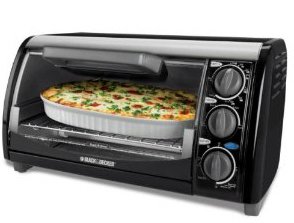
Learn toaster oven safety while preparing sandwiches, pizzas, vegetables, family meals, and simple desserts.

Discover healthy cooking techniques, safety tips, and easy air fryer recipes children can prepare with adult supervision.

Practice measuring, meal planning, and food safety while preparing soups, family dinners, and desserts.

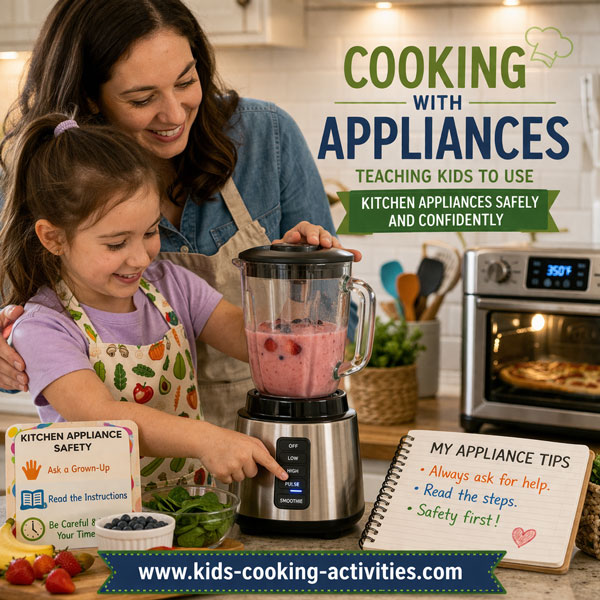
Compare kitchen appliances and choose the next lesson as children continue developing new cooking skills.

Learn baking, roasting, sautéing, steaming, boiling, grilling, and other methods every young chef should know.

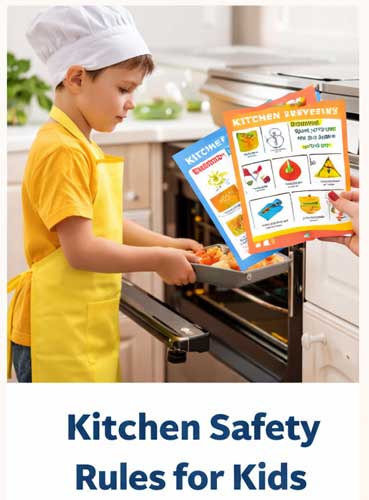
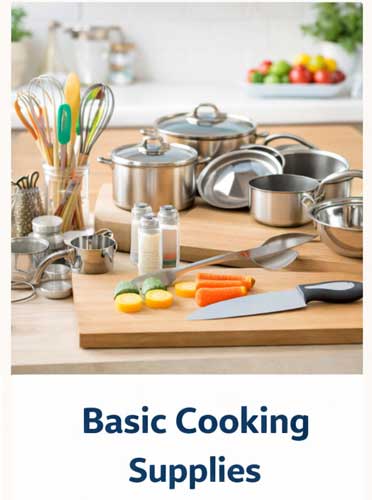
Build confidence with measuring, knife safety, food preparation, appliance lessons, and essential cooking techniques.
Frequently Asked Questions
At what age can children begin using a microwave?
Many children can begin learning to use a microwave between ages 7 and 9 with close adult supervision. Start with simple reheating tasks before introducing cooking and defrosting.
What foods are best for beginners?
Leftovers, oatmeal, soup, steamed vegetables, baked potatoes, and simple microwave meals are excellent first recipes because they require only a few steps and short cooking times.
Can children use any bowl or plate in a microwave?
No. Children should only use dishes labeled microwave-safe. Metal containers, aluminum foil, and some plastics should never be placed inside a microwave.
Why should food be stirred while heating?
Microwaves can create hot spots and cold spots. Stirring helps distribute the heat more evenly so food heats thoroughly and safely.
Why should food stand after microwaving?
Allowing food to stand for about one minute lets the heat continue spreading through the food, improving even cooking and reducing hot spots.
Can children melt chocolate and butter in a microwave?
Yes. Heating in short intervals while stirring frequently makes melting butter and chocolate one of the easiest microwave skills for beginner cooks.
How do children safely clean a microwave?
Remove the turntable for washing, wipe the interior with a damp cloth, clean spills promptly, and never spray cleaners directly into the microwave while it is plugged in.
What appliance should children learn after mastering the microwave?
Many children are ready to move on to a toaster oven, air fryer, blender, or slow cooker after learning safe microwave habits. Each appliance introduces new cooking techniques while reinforcing kitchen safety.
Cooking with Appliances Hub Air Fryer Blender Bread Machine Slow Cooker Instant Pot Microwave Toaster Oven Waffle Iron
Continue Building Kitchen Skills
Keep exploring new appliances, cooking techniques, and easy recipes as children gain confidence in the kitchen.
Kitchen Skills | Teaching Kids to Cook | Cooking with Appliances | Easy Microwave Meals
Get Free Kids Recipe Cards + Cooking Printables
Join Kids Cooking Activities for fun recipes, cooking ideas, and printable resources for kids, families, and classrooms.
Follow Kids Cooking Activities too:





© Debbie Madson, Madson Web Publishing, LLC — All rights reserved.
The material on this site is for educational purposes only.