

- Home ›
- Basic Cooking Lessons ›
- Starting an Herb Garden
How to Start an Herb Garden with Kids
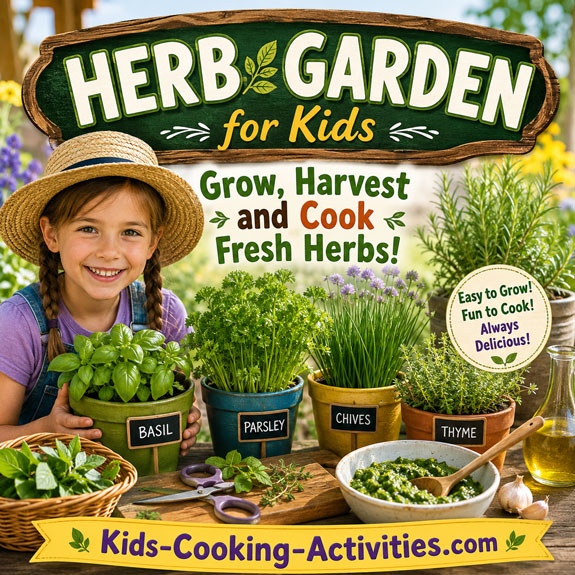
Starting an herb garden is a simple way to connect gardening, cooking, science, and healthy eating. Kids can help plant seeds, water the soil, observe growth, harvest leaves, and use the herbs in family recipes.
You do not need a large yard to grow herbs. Many beginner-friendly herbs grow well in pots, raised beds, windowsill containers, or small outdoor garden spaces. This lesson explains herb gardening, which varieties to try first, how to care for them, and how to use fresh herbs in cooking.
Start Here: Grow and Cook with Herbs
- New to gardening? Begin with where to grow herbs and the best herbs for beginners.
- Ready to plant? Follow the simple planting steps.
- Already growing herbs? Learn how to harvest, dry or freeze, and cook with them.
- Looking for recipes? Jump to easy fresh herb recipes.
Kids Cooking Activities Teaching Materials
Teaching kids to cook? Save time with ready-made lesson plans used by parents and teachers. Browse teaching materials →


This page may contain affiliate links. We may earn a small commission at no extra cost to you. Learn more.
Where to Grow an Herb Garden
Herbs can grow in many places, including outdoor garden beds, raised beds, patio containers, hanging baskets, and sunny indoor windowsills. The best location depends on the space you have, the herbs you want to grow, and the amount of sunlight available.
Most culinary herbs grow best with several hours of direct sunlight each day. Basil, rosemary, thyme, oregano, sage, and chives usually prefer bright sun, while parsley, cilantro, mint, and lemon balm can often tolerate some afternoon shade.
| Growing Location | Best For | Things to Consider |
|---|---|---|
| Outdoor Garden Bed | Growing several herbs together | Choose well-drained soil and a spot that receives plenty of sunlight. |
| Raised Garden Bed | Easy access and improved drainage | Keep taller herbs from shading smaller plants. |
| Patio or Porch Containers | Small yards, balconies, and renters | Use pots with drainage holes and check the soil often during hot weather. |
| Indoor Windowsill | Small herb gardens and year-round growing | Choose the brightest window available and rotate pots for even growth. |
| Kitchen Herb Garden | Keeping frequently used herbs nearby | Place herbs close to natural light rather than directly beside a hot stove. |
Start Small
A beginner herb garden does not need to be large. Start with two or three herbs your family already uses, then add more varieties as you become comfortable caring for them.
Growing Herbs Indoors
An indoor herb garden is a good choice for families with limited outdoor space or cold winters. Place containers near a sunny south- or west-facing window when possible. If the plants become tall, pale, or lean strongly toward the window, they may need more light.
- Choose containers with drainage holes.
- Place a tray or saucer beneath each pot.
- Use potting mix rather than soil dug from the yard.
- Keep leaves away from cold window glass during winter.
- Turn the containers every few days so the plants grow evenly.
- Harvest small amounts regularly to encourage new growth.
Make an Indoor Herb Station
Arrange several small herb pots on a waterproof tray near a bright window. Add plant labels so kids can identify each herb and keep a small watering cup nearby for supervised care.
Growing Herbs Outdoors
Outdoor herbs can be planted in the ground or grown in containers. Choose a location with good drainage because herb roots may rot if the soil remains wet for long periods. Leave enough space between plants for air circulation and future growth.
Containers are especially useful for herbs that spread quickly. Mint is vigorous and can take over a garden bed, so it is usually easier to manage when planted in its own pot.
Container Tip for Mint
Grow mint in a separate container rather than planting it directly beside other herbs. This helps prevent its underground stems from spreading through the entire garden.
Indoor or Outdoor?
- Choose indoors when you have limited space, want herbs close to the kitchen, or need protection from cold weather.
- Choose outdoors when you want to grow larger plants, have several hours of sunlight, or plan to harvest bigger quantities.
- Use containers when you want flexibility. Pots can often be moved to follow sunlight or protect plants from extreme weather.
Best Herbs for Beginners
Starting with a few easy-to-grow herbs helps young gardeners build confidence while learning how plants grow. The herbs below are popular in family recipes, simple to care for, and can be harvested many times throughout the growing season.
| Herb | Growing Tips | Best Uses |
|---|---|---|
| Basil | Needs warm weather, rich soil, and plenty of sunshine. | Pesto, pizza, pasta, tomato dishes, sandwiches, and salads. |
| Parsley | Grows well in containers or garden beds with regular watering. | Soups, potatoes, vegetables, eggs, salads, and garnishes. |
| Chives | Easy to grow in pots or gardens. Cut leaves often to encourage new growth. | Scrambled eggs, baked potatoes, dips, soups, and salads. |
| Dill | Prefers full sun and grows quickly from seed. | Fish, potatoes, vegetables, dips, and pickles. |
| Mint | Best grown in its own container because it spreads rapidly. | Fruit salads, lemonade, tea, smoothies, desserts, and sauces. |
| Oregano | Thrives in sunny, well-drained soil. | Pizza, pasta sauce, soups, marinades, and Italian recipes. |
| Thyme | Needs plenty of sunlight and doesn't require frequent watering. | Chicken, vegetables, soups, stuffing, and roasted potatoes. |
| Rosemary | Likes full sun and well-drained soil. Allow the soil to dry slightly between waterings. | Roasted potatoes, chicken, breads, vegetables, and marinades. |
Choose Herbs You Already Eat
One of the easiest ways to enjoy gardening is to grow herbs your family already uses. Kids become excited about harvesting basil for homemade pizza, chives for scrambled eggs, or parsley to sprinkle over soup and vegetables.
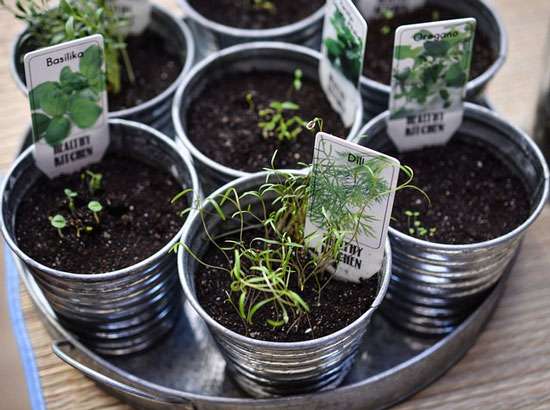
Beginner Herb Garden
If you're planting your very first herb garden, these five herbs are excellent choices:
- Basil - Fast growing and perfect for Italian cooking.
- Parsley - Mild flavor that works in many recipes.
- Chives - Easy to harvest and delicious with eggs and potatoes.
- Mint - Wonderful for drinks and fruit, but grow it in its own container.
- Oregano - A classic herb for pizza and pasta sauces.
These herbs are also among the easiest to find at garden centers, making them excellent first plants for young gardeners.
How to Plant an Herb Garden
Planting an herb garden is an easy gardening project for beginning gardeners. Herbs can be started from seeds, young plants, or cuttings, and many grow well in containers, raised beds, or traditional garden plots. Growing herbs teaches kids responsibility while providing fresh ingredients they can use in recipes.
What You'll Need
- Herb seeds or small starter plants
- Containers or a garden bed with good drainage
- Quality potting mix or garden soil
- Watering can or garden hose with a gentle spray
- Plant markers or craft sticks for labels
- Small hand trowel (optional)
Step-by-Step Planting Guide
- Choose a sunny location. Most culinary herbs grow best with at least 6 hours of sunlight each day.
- Prepare the soil. Fill containers with fresh potting mix or loosen the soil in your garden bed.
- Plant seeds or starter plants. Follow the spacing and planting depth listed on the seed packet or plant tag.
- Water gently. Keep the soil evenly moist while seeds germinate or new plants become established.
- Add plant labels. Label each herb so kids can learn to identify the different varieties as they grow.
- Watch your garden grow. Observe changes each week and record new leaves, flowers, and plant height.
Kid Gardener Tip
Start with only three or four herbs during your first season. It's easier to care for a small garden, and you'll quickly learn which herbs your family enjoys using most.
Seeds or Starter Plants?
| Seeds | Starter Plants |
|---|---|
|
|
Keep a Garden Journal
Encourage kids to record when each herb was planted, how often it is watered, and when the first leaves appear. Drawing pictures, measuring plant growth, and taking weekly photos are fun ways to combine gardening with science and observation skills.
Caring for Your Herb Garden
Once your herbs begin growing, they need regular care to stay healthy and produce fresh leaves throughout the season. Fortunately, most culinary herbs are easy to maintain and reward gardeners with many harvests when cared for properly.
Basic Herb Care
| Garden Task | Why It Matters | Kid Job |
|---|---|---|
| Watering | Keeps roots healthy and helps plants grow. | Check the soil and water when the top inch feels dry. |
| Sunlight | Most herbs need several hours of sunshine each day. | Notice which plants receive the most light. |
| Weeding | Removes plants that compete for water and nutrients. | Pull small weeds before they become large. |
| Harvesting | Regular picking encourages many herbs to produce new leaves. | Snip a few stems instead of removing the whole plant. |
| Checking for Problems | Helps catch insects or damaged leaves early. | Look for yellow leaves, holes, or insects while watering. |
Watering Tip
It's usually better to water deeply when the soil begins to dry than to give herbs a small amount of water every day. Always check the soil first because overwatering is one of the most common problems for beginning gardeners.
How to Keep Herbs Growing
- Harvest herbs often, but never remove more than about one-third of the plant at one time.
- Pinch off flowers on leafy herbs such as basil if you want the plant to continue producing tender leaves.
- Remove yellow or damaged leaves to keep plants healthy.
- Use clean scissors or garden snips when harvesting.
- Add compost or fertilizer only if needed and according to package directions.
Garden Detective Challenge
Each week, have kids observe their herbs and record:
- Which plant grew the tallest?
- Which herb has the biggest leaves?
- Which herb smells the strongest?
- Did any plants begin flowering?
- Which herbs were ready to harvest?
Keeping a simple garden journal helps children practice observation skills while learning how plants change over time.
Common Beginner Problems
| Problem | Possible Cause | What to Try |
|---|---|---|
| Yellow leaves | Too much water | Allow the soil to dry slightly before watering again. |
| Drooping plants | Too little water or extreme heat | Check the soil and water if it feels dry. |
| Long, weak stems | Not enough sunlight | Move containers to a brighter location if possible. |
| Brown leaf edges | Hot, dry conditions | Water consistently and avoid letting containers dry out completely. |
Growing and Cooking Camp
Harvesting Fresh Herbs
Harvesting herbs is one of the most rewarding parts of growing a garden. Picking leaves regularly encourages many herbs to produce new growth, giving you fresh ingredients to use throughout the season. With a few simple techniques, kids can safely help harvest herbs without damaging the plants.
When Should You Harvest?
| Herb | Best Time to Harvest | What to Pick |
|---|---|---|
| Basil | Once plants have several sets of leaves | Snip stems just above a pair of leaves. |
| Parsley | When stems are several inches tall | Cut the outer stems near the base. |
| Chives | After leaves reach 6 inches tall | Trim leaves about 1 inch above the soil. |
| Mint | Any time after the plant is established | Cut stems above a leaf pair. |
| Oregano & Thyme | Before the plants begin flowering | Snip several stems for the strongest flavor. |
Harvest Often
Many herbs grow back quickly after harvesting. Regular trimming encourages fuller, bushier plants and provides a steady supply of fresh herbs for cooking.
Simple Harvesting Tips
- Harvest after the morning dew has dried for the best flavor.
- Use clean scissors or garden snips instead of pulling leaves by hand.
- Never remove more than one-third of the plant at one time.
- Choose healthy, green leaves and avoid damaged or yellow ones.
- Rinse herbs gently just before using them in recipes.
Kid Chef Challenge
Harvest a few sprigs of two different herbs and compare:
- Color
- Leaf shape
- Texture
- Smell
- Flavor (with an adult's permission)
Which herb has the strongest aroma? Which would you add to pizza, soup, eggs, or vegetables?
Using Fresh Herbs Right Away
Fresh herbs taste best when used soon after harvesting. Sprinkle chopped herbs over soups, salads, eggs, vegetables, pasta, pizza, sandwiches, and homemade sauces. Fresh herbs also make wonderful homemade seasoning blends, sauces, dips, and salad dressings. Even a small amount of fresh basil, parsley, chives, or oregano can brighten the flavor of a meal.
Drying and Freezing Fresh Herbs
If your herb garden produces more herbs than you can use right away, don't let them go to waste. Drying and freezing are two simple ways to preserve fresh herbs so you can enjoy homegrown flavor throughout the year.
| Method | Best For | Storage Time |
|---|---|---|
| Air Drying | Oregano, thyme, rosemary, sage, and other sturdy herbs | Up to 1 year |
| Freezing | Basil, parsley, chives, dill, cilantro, and other tender herbs | 6-12 months |
| Herb Butter | Basil, parsley, chives, dill, and garlic mixtures | Several months in the freezer |
How to Dry Herbs
- Harvest healthy stems before the plants begin flowering whenever possible.
- Rinse the herbs gently and pat them completely dry.
- Tie a few stems together with string or a rubber band.
- Hang the bundles upside down in a warm, dry, well-ventilated room away from direct sunlight.
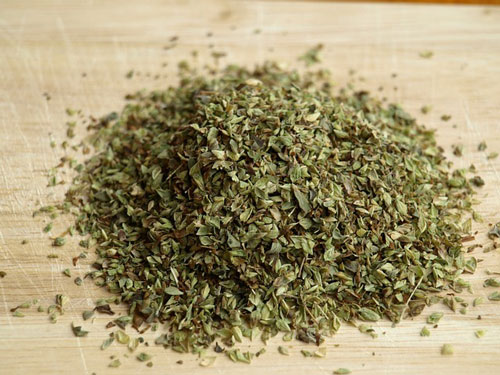
- Allow the herbs to dry for one to three weeks until the leaves crumble easily.
- Remove the leaves from the stems and store them in airtight containers in a cool, dark place.
Storage Tip
Label each container with the herb name and the date it was dried. Dried herbs have the best flavor when used within one year.
How to Freeze Herbs
- Wash and dry the herbs thoroughly.
- Remove thick stems and chop the leaves if desired.
- Place small portions into freezer bags or airtight containers.
- For easy cooking portions, freeze chopped herbs in ice cube trays with a little water or olive oil.
- Transfer the frozen cubes to a freezer bag and use them in soups, sauces, vegetables, and casseroles.
Fresh vs. Dried Herbs
Fresh herbs usually have a brighter flavor than dried herbs. If you're substituting dried herbs for fresh in a recipe, a good general rule is:
1 tablespoon fresh herbs = 1 teaspoon dried herbs
The exact amount may vary depending on the herb and how strongly flavored it is.
Ways to Use Preserved Herbs
- Season soups and stews.
- Flavor homemade pasta sauce.
- Mix into softened butter.
- Add to roasted vegetables.
- Season chicken, fish, and potatoes.
- Blend into salad dressings and marinades.
- Sprinkle over pizza and pasta.
Try Making Homemade Herb Vinegar
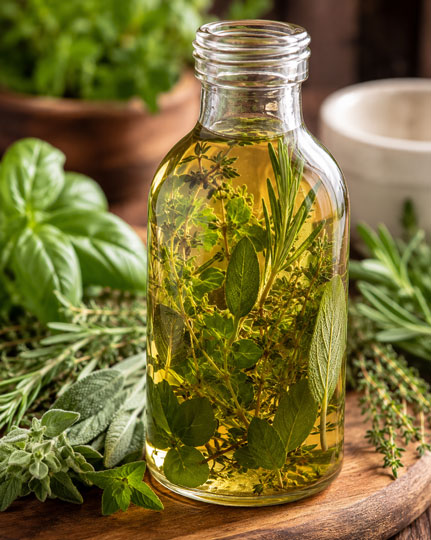
Herb-infused vinegar is an easy way to preserve the flavor of fresh herbs. It makes a flavorful addition to homemade salad dressings, marinades, and vegetable recipes.


You'll Need
- 1 cup fresh herbs (basil, rosemary, thyme, oregano, tarragon, or dill)
- 2 cups white wine vinegar or apple cider vinegar
- A clean glass jar with a lid
Directions
- Wash the herbs and dry them completely.
- Lightly bruise the leaves by gently crushing them with your fingers.
- Place the herbs into a clean glass jar.
- Pour the vinegar over the herbs until they are completely covered.
- Seal the jar and store it in a cool, dark place for 1 to 2 weeks, shaking gently every few days.
- Strain out the herbs and pour the flavored vinegar into a clean bottle for storage.
Ways to Use Herb Vinegar
- Whisk with olive oil for a quick salad dressing or splash into homemade vinaigrettes.
- Add to homemade marinades.
- Drizzle over roasted vegetables.
- Stir into pasta or bean salads.
- Use to flavor potato salad or coleslaw.
Kid Chef Tip
Label each bottle with the type of herbs you used and the date it was made. Try making several small batches with different herbs and compare their flavors.
Using Fresh Herbs in Cooking
Fresh herbs add color, aroma, and flavor to everyday meals. A small handful of chopped herbs can brighten soups, vegetables, eggs, pasta, potatoes, sandwiches, homemade sauces, and salads. Experiment with different herbs to discover your family's favorite flavor combinations.
Kid Chef Tip
Wash herbs just before using them. Pat them dry with a paper towel and chop them with clean kitchen scissors or a small knife under adult supervision.
Easy Ways to Use Fresh Herbs
- Stir chopped basil into homemade pasta sauce.
- Sprinkle parsley over vegetables, soups, or potatoes.
- Add chives to scrambled eggs or baked potatoes.
- Mix dill into yogurt dips or potato salad.
- Blend basil into homemade pesto.
- Mix rosemary or thyme into roasted vegetables.
Homemade Herb Butter
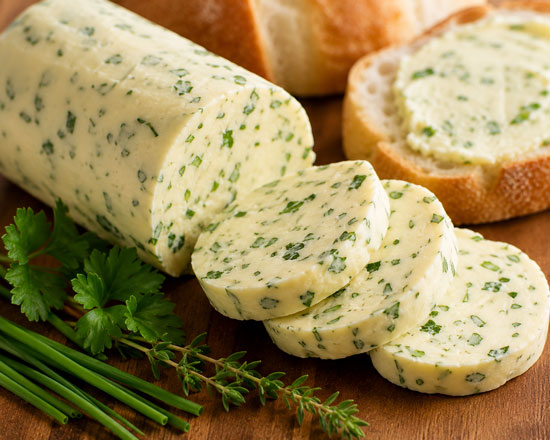
Spread it on bread, melt it over vegetables, or use it to flavor grilled chicken, fish, or potatoes.
Prep Time: 15 minutes
Chill Time: 1 hour
Total Time: 1 hour 15 minutes
Yield: About 1 cup
Ingredients
- 1 cup butter, softened
- 3-5 tablespoons chopped fresh herbs (parsley, chives, basil, oregano, or thyme)
- 1 tablespoon lemon juice
Directions
- Combine the softened butter, chopped herbs, and lemon juice in a bowl.
- Stir until evenly mixed.
- Spoon the mixture onto waxed paper or plastic wrap and shape into a log.
- Wrap tightly and refrigerate until firm.
- Slice and serve on vegetables, bread, potatoes, or grilled meats.
Storage Tip
Freeze herb butter for several months. Slice off only what you need and return the rest to the freezer.
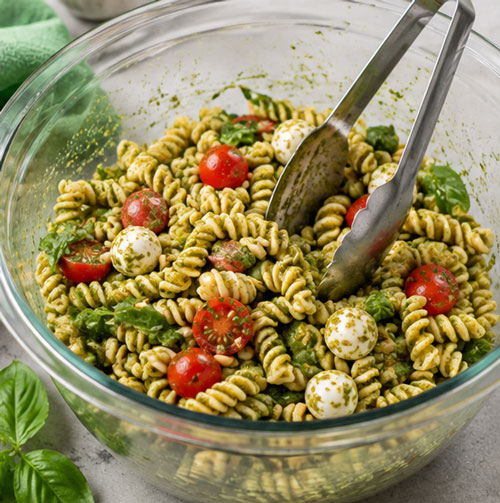
Easy Homemade Pesto
Pesto is a classic Italian sauce made with fresh basil. Toss it with pasta, spread it on sandwiches, or spoon it over grilled vegetables.
Ingredients
- 2 cups fresh basil leaves
- 2 cloves garlic
- 2 tablespoons lemon juice
- 1 cup walnuts, almonds, or pine nuts
- 3/4 cup olive oil
- 1/2 cup grated Parmesan cheese
- Salt and pepper to taste
Directions
- Add the basil, garlic, lemon juice, and nuts to a food processor or blender.
- Pulse until finely chopped.
- Slowly drizzle in the olive oil while blending.
- Add the Parmesan cheese and season with salt and pepper.
- Blend until smooth and serve with pasta, vegetables, sandwiches, or crackers.
Try this pesto vegetable soup.
Scrambled Eggs with Fresh Chives

Fresh chives add a mild onion flavor to scrambled eggs and are one of the easiest herbs for kids to use in cooking.
Ingredients
- 2 eggs
- 1 tablespoon milk (optional)
- 1-2 tablespoons chopped fresh chives
- Salt and pepper to taste
- Shredded cheese (optional)
Directions
- Whisk the eggs, milk, salt, and pepper together.
- Stir in the chopped chives.
- Pour into a lightly greased skillet over medium-low heat.
- Cook gently, stirring until the eggs are set.
- Sprinkle with cheese if desired and serve warm.
Easy Salad Recipes
Herb Garden Activities for Kids
Growing herbs is more than just planting seeds. Herb gardens provide opportunities to explore science, practice observation skills, build responsibility, and connect gardening with healthy cooking. These simple activities make learning fun throughout the growing season.
| Activity | What Kids Learn |
|---|---|
| Plant Identification | Learn to recognize herbs by their leaves, color, texture, and aroma. |
| Growth Journal | Measure plants each week and record changes with drawings or photos. |
| Smell Test | Compare the different scents of basil, mint, rosemary, thyme, and parsley. |
| Taste Test | Sample herbs in recipes and discover which flavors work best together. |
| Cooking Challenge | Harvest fresh herbs and prepare a simple family recipe using your garden. |
Five Fun Herb Garden Challenges
- Draw your favorite herb and label its leaves.
- Measure one herb every week and graph its growth.
- Compare the smell of three different herbs with your eyes closed.
- Create a homemade seasoning blend using dried herbs.
- Harvest herbs and prepare a family recipe together.
- Harvest enough basil to make pesto
- Create a pizza garden using basil, oregano, parsley and thyme.
Learning Across Subjects
Herb gardening combines science, math, reading, writing, and cooking. Kids practice measuring plant growth, recording observations, reading seed packets, following recipes, and learning where food comes from.
Continue Exploring Herbs
Once you've grown and harvested your herbs, try using them in new recipes or learn more about how herbs add flavor to foods from around the world.
Related Herb, Gardening and Cooking Lessons

Cooking with Herbs & Spices
Learn how fresh and dried herbs add flavor to soups, sauces, vegetables, meats, and international recipes.

Pesto Hamburger Pasta Soup
Use fresh basil from your herb garden to make pesto, then stir it into this hearty ground beef, vegetable, and pasta soup.

Homemade Sauce Recipes
Use basil, parsley, oregano, and other herbs in pesto, tomato sauce, dressings, and marinades.

Italian Pizza Garden
Grow tomatoes and herbs that can be harvested for homemade pizza and Italian cooking projects.
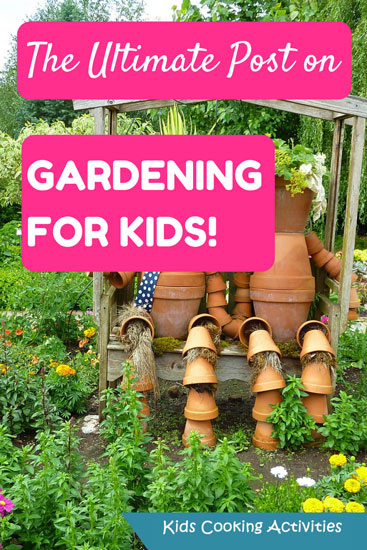
14 Different Plants for Kids to Grow
Discover easy fruits, vegetables, herbs, and flowers that help kids learn gardening skills while exploring where food comes from.
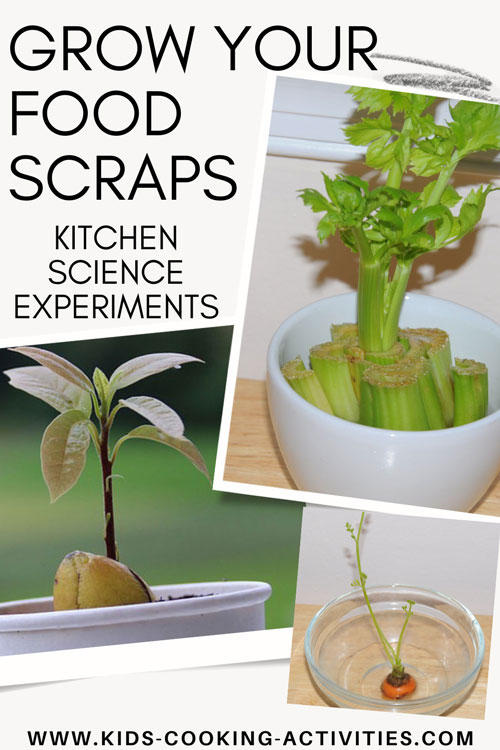
Grow Food from Scraps
Turn kitchen scraps into simple growing projects while learning where food comes from.

Food Facts
Explore where foods come from, how ingredients grow, and ways to use them in cooking.

How to Cook Vegetables
Use fresh herbs to season vegetables prepared by roasting, steaming, sauteing, grilling, and air frying.
Earth Day Food & Fun
Explore Earth Day recipes, gardening projects, recycling activities, and hands-on ideas that encourage kids to care for our planet all year long.

Kitchen Skills for Kids
Practice washing, measuring, chopping, mixing, and safely preparing fresh ingredients.

Seasonal Cooking Activities
Connect gardening and cooking with seasonal recipes, holidays, and hands-on food activities.
Did You Know?
Most herbs are harvested for their leaves, while many spices come from seeds, bark, roots, berries, or flower buds. Learn more on our Cooking with Herbs & Spices lesson.
Frequently Asked Questions About Herb Gardens
Which herbs are easiest for kids to grow?
Basil, parsley, chives, mint, oregano, and dill are good choices for beginning gardeners. Choose herbs your family already uses so kids can enjoy harvesting and cooking with them.
Can herbs grow indoors?
Yes. Many herbs grow well in containers near a bright window. Basil, parsley, chives, mint, and thyme can all be grown indoors when they receive enough light and are planted in containers with drainage holes.
How much sunlight do herbs need?
Most culinary herbs grow best with about six hours of sunlight each day. Basil, rosemary, oregano, sage, and thyme usually prefer bright sun, while parsley, mint, cilantro, and lemon balm may tolerate some partial shade.
How often should herbs be watered?
Check the soil before watering. Water when the top inch feels dry, and make sure extra water can drain from the container. Avoid keeping the soil constantly wet because overwatering can damage the roots.
Why should mint be grown in a separate container?
Mint spreads quickly through underground stems and can take over a garden bed. Growing it in its own container makes it easier to control while still providing plenty of leaves to harvest.
When is the best time to harvest fresh herbs?
Harvest healthy leaves after the morning dew has dried and before the hottest part of the day. Use clean scissors, take only what you need, and avoid removing more than about one-third of the plant at one time.
Can fresh herbs be frozen?
Yes. Wash and dry the herbs, then freeze them in airtight containers or freezer bags. Chopped herbs can also be frozen in ice cube trays with a little water or olive oil for use in soups, sauces, and cooked dishes.
How do I substitute fresh herbs for dried herbs?
A general guideline is to use about 1 tablespoon of chopped fresh herbs for every 1 teaspoon of dried herbs. The strength varies by herb, so begin with a small amount and adjust the flavor as needed.
Submit your favorite kids recipe
Do you have a favorite recipe your kids love to make? Or a recipe your kids ask you to make again and again? Share it with us!
Grow, Harvest and Cook
Starting an herb garden gives kids the chance to care for plants, observe how food grows, harvest fresh ingredients, and use those ingredients in family recipes. From planting seeds to harvesting herbs and preparing simple recipes, an herb garden teaches gardening, science, nutrition, and kitchen skills all in one project.
Basic Cooking Lessons Stock and soups 5 mother sauces Yeast and baking breads Herbs and spices Vegetables Dry beans Grains Eggs Different cooking methods Growing an herb garden How to Cook Q&A
Get Free Kids Recipe Cards + Cooking Printables
Join Kids Cooking Activities for fun recipes, cooking ideas, and printable resources for kids, families, and classrooms.
Follow Kids Cooking Activities too:





© Debbie Madson, Madson Web Publishing, LLC — All rights reserved.
The material on this site is for educational purposes only.