

- Home ›
- How to Cook ›
- Grains
How to Cook Whole Grains

This basic cooking lesson teaches kids how to cook whole grains and grain-based foods. Whole grains are low in fat and can be part of a healthy diet. Brown rice, whole wheat pasta, barley, quinoa, oats, and other grains all cook a little differently, so this page gives tips, examples, and recipes to help.
Kids Cooking Activities Teaching Materials
Teaching kids to cook? Save time with ready-made lesson plans used by parents and teachers. Browse teaching materials →


This page may contain affiliate links. We may earn a small commission at no extra cost to you. Learn more.
Whole Grain vs. Refined Grain
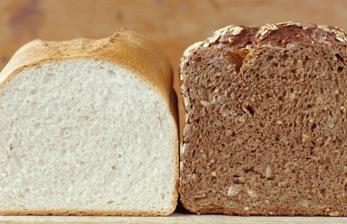
Whole grains keep all parts of the grain, including the bran and germ. That means they usually have more fiber and nutrients.
Refined grains have some parts removed during processing. Examples include white flour and white rice. They may cook faster and feel softer, but they usually have fewer nutrients than whole grains.
On This Page
Tips on How to Cook Whole Grains
- Sauté or toast grains with a little oil and chopped onion before adding liquid for extra flavor.
- Use broth or stock instead of water when you want a richer taste.
- Use a large pot because grains expand and fluff up while cooking.
- If a grain is still not tender and the liquid is gone, add more liquid and continue cooking.
- You can also use a steamer or rice cooker for many types of grains.
Whole Grains Include
How to Cook Whole Grains - Pasta
- Water: Large pot
- Time: About 7 to 10 minutes
- Skill Level: Beginner
Fill a large pot at least halfway with water. Cover and bring the water to a boil. Add 1 tablespoon of salt, but do not add oil. Add the pasta and stir so the noodles do not stick together.
After about 5 minutes, taste test a noodle. Most noodles take 7 to 10 minutes to cook, but tasting is the best way to tell when they are done. Drain the pasta and serve.

Make Teaching Kids Cooking Easier
Skip the stress of planning with ready-to-use lesson plans, activities, and themed recipe sets designed for parents, teachers, and group leaders. Everything is organized and easy to follow—so you can focus on teaching, not planning.
- Step-by-step lesson plans
- Printable worksheets and activities
- Structured cooking curriculum
- Beginner-friendly, flexible lessons
Start teaching with a complete, ready-to-use cooking program.
Shop Cooking Curriculum →
How to Cook Whole Grains - Barley
- Method: Boil and simmer
- Time: About 30 minutes
- Skill Level: Beginner
Bring water to a boil in a large pot. Add barley and cook about 30 minutes or until tender. Drain. Barley can be used as a side dish or added to salads and soups.
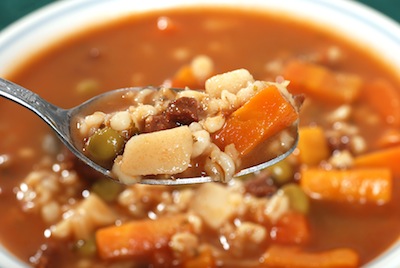
Beef Barley Soup
This ground beef soup uses barley instead of pasta or potatoes. Tomatoes, oregano, onion, and beef broth create a simple base, while optional frozen vegetables make it easy to customize.
- Category: Soup
- Time: 45-55 minutes
- Yield: 6 servings


Ingredients
- 1 pound ground beef
- 1 small onion, chopped or puréed
- 2 teaspoons dried oregano
- 1 can (28 ounces) crushed tomatoes, or 1 can whole tomatoes puréed until smooth
- 4 cups low-sodium beef broth, plus more if needed
- 2/3 cup pearl barley, rinsed
- 1 bag (12-16 ounces) frozen mixed vegetables, optional
- Salt and black pepper, to taste
Directions
- Add the ground beef and onion to a large soup pot over medium heat.
- Season with oregano, salt, and pepper.
- Cook for 8-10 minutes, breaking the meat into small pieces, until it reaches 160°F.
- Carefully drain excess fat.
- Add the tomatoes, beef broth, and rinsed barley.
- Bring the soup to a boil.
- Reduce the heat, cover loosely, and simmer for 35-45 minutes, stirring occasionally, until the barley is tender.
- Add the frozen vegetables, if using, during the final 10-15 minutes.
- Add more broth if the barley absorbs too much liquid.
- Taste and adjust the seasoning before serving.
Barley thickens soup: Barley continues absorbing broth as the soup rests. Add extra broth when reheating leftovers if needed.
Freezer Meal Tip
Cool the soup completely before placing it in freezer-safe containers. Leave room at the top for expansion and freeze in family-size or individual portions.
How to Cook Whole Grains - Rice
Brown rice is a little trickier to cook than white rice because it keeps more of its outer layers. White rice has had the bran and germ removed, so it cooks faster and is usually fluffier, but it has fewer nutrients.
To Cook Brown Rice
Soak 1 cup of brown rice in cold water. Drain and cook uncovered in a saucepan over medium heat for about 3 minutes. Add 1/2 teaspoon salt if desired. Pour in 2 1/2 cups boiling water and bring to a full boil.
Reduce heat, cover, and cook until the rice has absorbed all the water, usually 40 to 45 minutes. Let it sit with the lid on for about 10 minutes, then fluff with a fork before serving.
To Cook White Rice
Add 1 cup of rice, 1 tablespoon butter, and 1/2 teaspoon salt to boiling water. Stir once, cover, reduce the heat, and simmer about 15 minutes or until most of the water is absorbed. Stir occasionally but do not over-stir or the rice may become gummy.
My Favorite Way to Cook Rice
Favorite Rice
- Category: Side Dish
- Prep: 10 minutes
- Cook: 20 minutes
- Yield: 6 servings
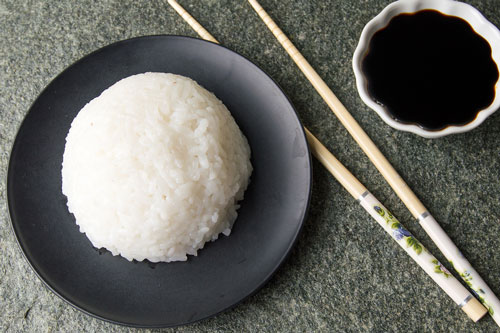
Ingredients
- 3 cups rice
- 1 tablespoon butter
- 2 tablespoons oil
- 3 cups water or chicken broth
- Chopped onions or celery, optional
Instructions
- In a frying pan, brown 3 cups of rice in 1 tablespoon butter and 2 tablespoons oil.
- Add chopped onions or celery if desired.
- Cook until the rice looks glassy.
- Add 3 cups of water or chicken broth.
- Cover and cook 20 minutes or until the rice is tender.
How to Cook Whole Grains - Quinoa
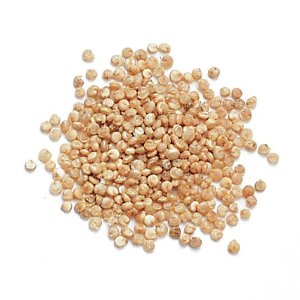
One cup of quinoa makes about three cups after cooking because quinoa absorbs water and expands. Rinse quinoa first to remove the dusty coating. Place it in a strainer and rinse until the water runs clear.
If you want a roasted flavor, toast the quinoa in a skillet for about 5 minutes before cooking. Then use 2 parts water to 1 part quinoa. Bring to a boil, reduce heat, and simmer 10 to 15 minutes until the grains look translucent and feel soft.
Quinoa can be added to soups, stews, pilafs, bread, cookies, pancakes, and bagels. Many people also eat quinoa like oatmeal with nuts and fruit.
Recipes that use couscous or rice can often use quinoa as a substitute. You can also mix cooked quinoa into chili, vegetable dishes, or burrito fillings.
Learn about buying quinoa.
How to Cook Whole Grains - Couscous
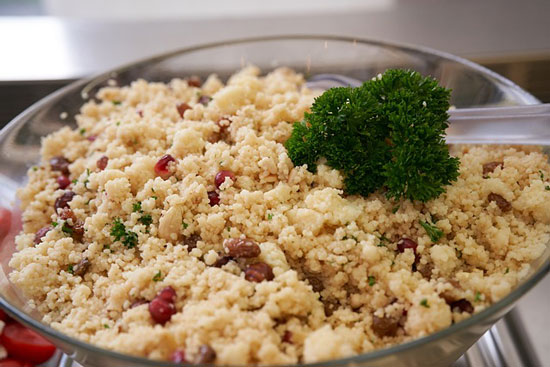
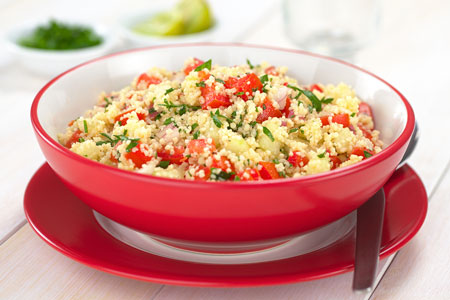
Couscous cooks very quickly and can be used as a substitute for pasta or rice in many meals.
To cook couscous as a side dish, boil 1 1/4 cups water with 1/2 teaspoon salt. Pour the hot water into a bowl, add 1 cup couscous, stir, cover with a towel, and let sit about 5 minutes. Fluff with a fork before serving.
Couscous can be mixed with cheese and butter, used in salads, or made into sweet dishes.
A simple couscous chicken salad can be made by mixing cooked couscous with canned chicken, cinnamon, salt, pepper, dried apricots, and mandarin oranges.
Couscous also works in sweet recipes. Apple-cinnamon couscous can be made with apple juice, dried apples, raisins, cinnamon, and couscous.
How to Cook Bulgur Wheat
Bulgur is commonly used in Middle Eastern cooking and is often eaten as a cereal grain. It is different from many other grains because it is parboiled before being packaged and sold, which makes it quicker to prepare.
Bulgur has a nutty flavor. Soaking it in broth instead of water can make it even more flavorful. It is often used in muffins, soups, stuffing, and especially tabbouleh salad.
More Help on How to Cook Whole Grains



How to Cook Whole Grains FAQ
What are whole grains?
Whole grains still contain the bran and germ, while more refined grains like white flour or white rice have had parts removed.
Why should kids learn to cook whole grains?
Whole grains are low in fat and can be part of a healthy diet. Learning to cook them helps kids make more nutritious meal choices.
What grains take the longest to cook?
Brown rice and barley often take longer than white rice, couscous, or pasta.
Why do grains get bigger when cooked?
Grains absorb water or broth while cooking, so they soften and expand.
Keep Learning About Grains


Submit your favorite kids recipe
Do you have a favorite recipe your kids love to make? Or a recipe your kids ask you to make again and again? Share it with us!
Basic Cooking Lessons Stock and soups 5 mother sauces Yeast and baking breads Herbs and spices Vegetables Dry beans Grains Eggs Different cooking methods Growing an herb garden How to Cook Q&A
Get Free Kids Recipe Cards + Cooking Printables
Join Kids Cooking Activities for fun recipes, cooking ideas, and printable resources for kids, families, and classrooms.
Follow Kids Cooking Activities too:





© Debbie Madson, Madson Web Publishing, LLC — All rights reserved.
The material on this site is for educational purposes only.