
- Home ›
- Basic Cooking Lessons ›
- Basic Cooking Methods
Basic Cooking Methods for Kids

Learning basic cooking methods helps kids understand how heat changes food. Baking, roasting, steaming, sautéing, boiling, grilling, and slow cooking each create different textures, colors, and flavors.
This lesson explains how the most common cooking methods work, which foods are best suited to each method, and what young cooks should know before trying them. Many methods involve hot pans, steam, sharp tools, or appliances, so adult supervision is essential.
Start Here: Choose a Cooking Method
- Using an oven? Learn about baking, roasting, and broiling.
- Cooking with water or steam? Compare boiling and simmering with steaming.
- Cooking on the stovetop? Practice sautéing and pan-frying.
- Using an appliance? Explore pressure cooking and slow cooking.
Kids Cooking Activities Teaching Materials
Teaching kids to cook? Save time with ready-made lesson plans used by parents and teachers. Browse teaching materials →


This page may contain affiliate links. We may earn a small commission at no extra cost to you. Learn more.
Compare Basic Cooking Methods
Cooking methods describe the different ways heat is used to prepare food. Some methods use dry oven heat, some cook food in water or steam, and others use direct heat from a stovetop, grill, or appliance.
Learning how each method works helps young cooks choose the best technique for a recipe and understand why the same food can taste different when it is baked, steamed, roasted, or sautéed.
| Cooking Method | How It Works | Best Foods to Try |
|---|---|---|
| Baking | Uses dry, enclosed heat inside an oven. | Breads, muffins, cookies, casseroles, cakes, and pizza. |
| Roasting | Uses dry oven heat to cook and brown food. | Vegetables, potatoes, chicken, meat, and fish. |
| Broiling | Uses strong direct heat from above. | Thin meats, fish, vegetables, toast, and melting cheese. |
| Grilling | Uses direct heat from below, usually over a grill grate. | Burgers, chicken, fish, vegetables, fruit, and kabobs. |
| Boiling | Cooks food in rapidly bubbling liquid. | Pasta, potatoes, eggs, corn, and some vegetables. |
| Simmering | Cooks food gently in liquid with small bubbles. | Soups, sauces, beans, grains, and stews. |
| Steaming | Cooks food with hot steam instead of submerging it in water. | Vegetables, fish, dumplings, rice, and eggs. |
| Sautéing | Cooks small pieces of food quickly in a little oil or butter. | Onions, mushrooms, zucchini, peppers, and thin pieces of meat. |
| Pressure Cooking | Uses pressurized steam to cook food quickly. | Beans, grains, soups, stews, and tougher cuts of meat. |
| Slow Cooking | Uses low, steady heat over several hours. | Soups, stews, roasts, beans, sauces, and casseroles. |
Cooking Method Safety
Every cooking method involves heat. Young cooks should work with an adult when using ovens, stovetops, grills, pressure cookers, slow cookers, sharp tools, hot liquids, or steam.
Dry-Heat and Moist-Heat Cooking
Cooking methods are often grouped by the way heat reaches the food. The two main groups are dry-heat cooking and moist-heat cooking.
| Type of Heat | Methods | What It Does |
|---|---|---|
| Dry Heat | Baking, roasting, broiling, grilling, sautéing, and pan-frying | Encourages browning, crisp edges, and deeper roasted or toasted flavors. |
| Moist Heat | Boiling, simmering, steaming, poaching, and pressure cooking | Helps soften food and is useful for soups, grains, beans, vegetables, and tender proteins. |
| Combination Cooking | Braising and some slow-cooker recipes | Uses both dry heat and liquid to create tender, flavorful food. |
How Heat Changes Food
- Softens vegetables, grains, beans, and meats.
- Browns the surface of foods during roasting, baking, broiling, grilling, and sautéing.
- Melts fats, cheese, chocolate, and sugar.
- Evaporates water and helps sauces become thicker.
- Changes flavor by creating roasted, toasted, caramelized, or savory tastes.
- Makes food safer when it is cooked to the proper internal temperature.
Baking
Baking uses dry, enclosed heat inside an oven. The hot air surrounds the food and cooks it gradually. Baking is commonly used for breads, muffins, cakes, cookies, casseroles, pizza, and baked pasta.
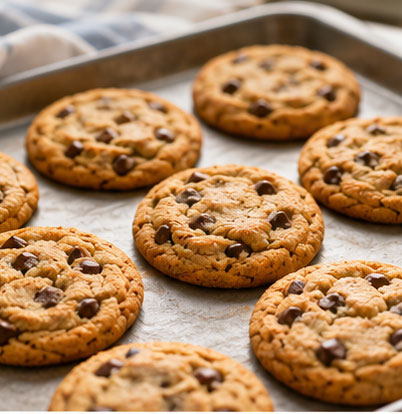
Successful baking depends on accurate measuring, following the recipe in order, preheating the oven, and using the correct pan size. Opening the oven door too often can lower the temperature and affect how the food rises or browns.
Baking Tip
Preheat the oven before placing food inside unless the recipe specifically says otherwise. A properly heated oven helps baked foods cook evenly and rise correctly.
Foods and Recipes to Try
Roasting
Roasting uses dry oven heat to brown the outside of food while making the inside tender. It works especially well for vegetables, potatoes, poultry, meat, and fish.
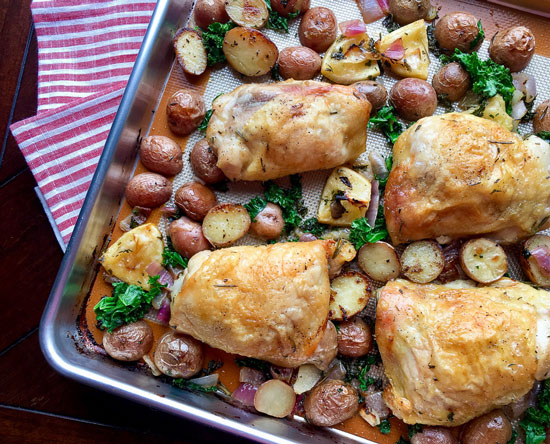
Food should usually be spread in a single layer so hot air can circulate around it. Overcrowding the pan traps steam and can prevent the food from browning properly.
Roasting Tip
Cut vegetables into similar-sized pieces so they finish cooking at about the same time. Toss them with a small amount of oil and spread them out instead of piling them together.
Foods and Recipes to Try
Broiling
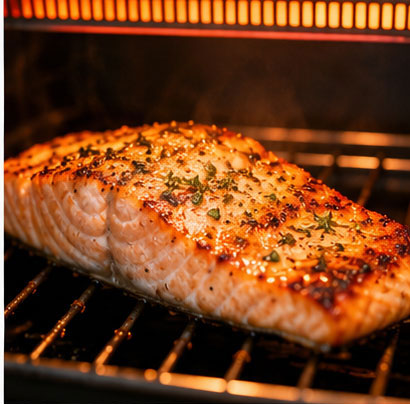
Broiling uses intense direct heat from above. Food is placed close to the heating element, so it cooks and browns very quickly. Broiling works well for thin pieces of meat, fish fillets, vegetables, open-faced sandwiches, and melting cheese over a finished dish.
Because broiled food can change from browned to burned in a short time, it should be watched closely. Use a broiler-safe pan and follow the oven manufacturer's directions for rack placement.
Broiling Safety Tip
Never walk away while food is under the broiler. An adult should handle the hot pan, move the oven rack, and remove the food from the oven.
Foods to Practice Broiling
- Open-faced cheese sandwiches
- Fish fillets
- Thin chicken pieces
- Tomato halves
- Asparagus
- Bell pepper strips
Grilling
Grilling cooks food with strong direct heat from below. It can create browned grill marks, crisp edges, smoky flavor, and tender centers.
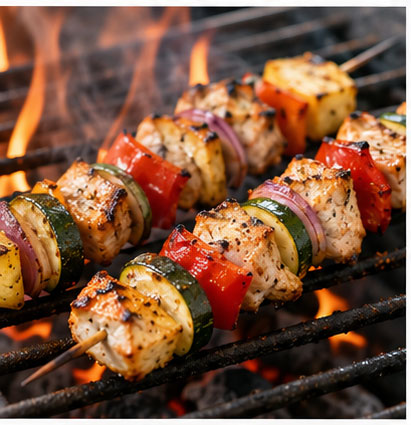
Food should be cut into evenly sized pieces so it cooks at a similar rate. Meat, poultry, and fish should be checked with a food thermometer rather than by color alone.
Grilling Safety Tip
An adult should light the grill, manage the heat, turn raw meat, and check safe internal temperatures. Keep clean plates separate from anything that touched raw meat.
Foods and Recipes to Try
Build a Colorful Vegetable Kabob
Thread evenly sized pieces of bell pepper, zucchini, mushrooms, onion, and cherry tomatoes onto skewers. Brush lightly with oil, season, and grill with adult supervision until tender.
Boiling and Simmering
Boiling and simmering both cook food in hot liquid, but they use different levels of heat. Boiling has large, active bubbles that move quickly through the pot. Simmering uses gentler heat with smaller bubbles rising slowly to the surface.
Boiling works well for foods that can handle vigorous movement, such as pasta, potatoes, corn, and eggs. Simmering is better for soups, sauces, beans, grains, and foods that need to cook gently without breaking apart.
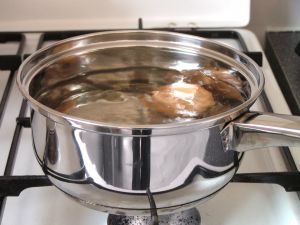
| Method | What It Looks Like | Best Uses |
|---|---|---|
| Boiling | Large bubbles rise rapidly and the liquid moves continuously. | Pasta, potatoes, corn, eggs, and blanching vegetables. |
| Simmering | Small bubbles rise gently with less movement. | Soups, sauces, beans, rice, oatmeal, and stews. |
Use the Right Size Pot
Choose a pot large enough to hold the food and liquid without boiling over. Leave room at the top, turn pot handles inward, and use oven mitts when handling hot lids or draining water.
Boiling Pasta
- Fill a large pot with enough water for the pasta to move freely.
- Bring the water to a full boil.
- Add the pasta carefully and stir.
- Cook according to the package directions, stirring occasionally.
- Have an adult drain the pasta safely in a colander.
Why Simmer Instead of Boil?
Gentle simmering helps soups, sauces, beans, and grains cook evenly. A hard boil may cause food to break apart, make liquid evaporate too quickly, or cause a pot to boil over.
Steaming
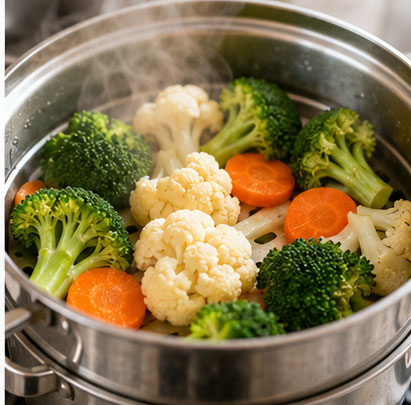
Steaming cooks food with hot vapor from boiling water. The food sits above the water in a steamer basket or another heat-safe insert, so it is not submerged.
This gentle method works especially well for vegetables, fish, dumplings, rice, and eggs. Steamed vegetables often keep a bright color and crisp-tender texture because they are cooked without sitting directly in water.
How to Steam Vegetables
- Add a small amount of water to a saucepan.
- Place a steamer basket above the water without allowing the food to touch it.
- Bring the water to a simmer.
- Add evenly sized vegetables and cover the pan.
- Steam until the vegetables are tender but still hold their shape.
- Open the lid away from your face because escaping steam can burn.
Steam Safety
Steam can cause serious burns. An adult should lift the lid, remove the steamer basket, and pour away the hot water.
Compare Boiled and Steamed Vegetables
Cook the same vegetable using both methods and compare its color, flavor, texture, and cooking time. Broccoli, carrots, green beans, and cauliflower are good choices.
Sautéing and Pan-Frying
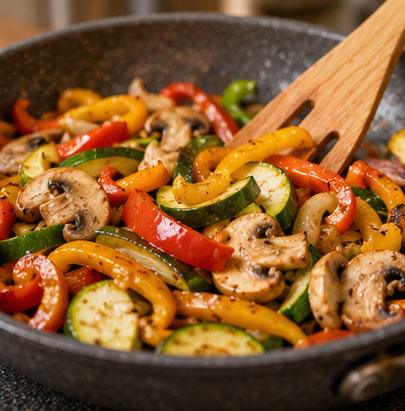
Sautéing cooks small pieces of food quickly in a shallow pan with a small amount of butter or oil. The food is stirred or turned often so it cooks evenly and does not burn.
Pan-frying uses more oil and usually cooks larger pieces of food for a longer time. Both methods create browned flavor, but pan-frying requires closer supervision because of the hotter oil and longer cooking time.
| Method | Amount of Fat | Best Uses |
|---|---|---|
| Sautéing | Small amount | Onions, mushrooms, zucchini, peppers, greens, and thin pieces of meat. |
| Pan-Frying | Enough to coat the bottom of the pan more generously | Breaded chicken, fish, pork chops, patties, and fritters. |
For Better Browning
Pat food dry before adding it to the pan, preheat the pan first, and avoid overcrowding. Too much food traps steam and makes browning more difficult.
Zucchini and Mushroom Sauté


Prep Time: 10 minutes
Cook Time: 8-10 minutes
Total Time: 18-20 minutes
Servings: 4
Ingredients
- 1 medium zucchini, chopped
- 8 ounces mushrooms, sliced
- 1 tablespoon butter or olive oil
- Salt and black pepper, to taste
Directions
- Heat the butter or olive oil in a large skillet over medium heat.
- Add the mushrooms and cook for 3-4 minutes, stirring occasionally.
- Add the zucchini and continue cooking for 4-6 minutes.
- Stir often until the vegetables are tender and lightly browned.
- Season with salt and black pepper and serve warm.
Cooking Method Tip
Keep the vegetables in a single layer when possible. An overcrowded skillet traps steam and makes browning more difficult.
Try These Variations
- Add sliced bell peppers or onions.
- Season with garlic, basil, thyme, or oregano.
- Sprinkle with Parmesan cheese before serving.
- Serve over rice, pasta, or another whole grain.
Mushroom and Potato Sauté Video
Pressure Cooking
Pressure cooking uses steam trapped inside a sealed pot to cook food quickly. As pressure builds, the temperature inside the cooker becomes higher than normal boiling water, allowing foods like beans, grains, soups, and tougher cuts of meat to cook in much less time.
Modern electric pressure cookers, such as the Instant Pot®, include built-in safety features, but they still require careful adult supervision. Kids can help measure ingredients, prepare vegetables, and follow the recipe while an adult operates the appliance.
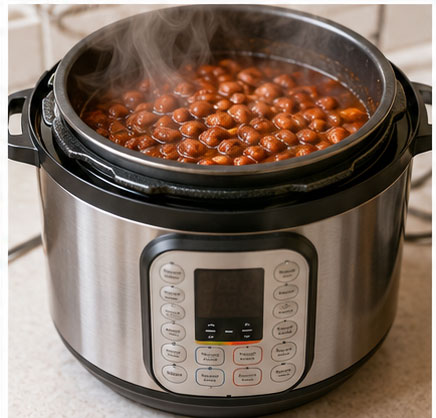
| Best Foods for Pressure Cooking | Why It Works Well |
|---|---|
| Dried beans, rice, soups, stews, shredded meats, potatoes, and whole grains | High-pressure steam shortens cooking time while keeping food moist and tender. |
Pressure Cooker Safety
Never try to open a pressure cooker until all of the pressure has been safely released. Adults should handle the lid, pressure valve, and hot contents.
Why Families Like Pressure Cooking
- Shortens cooking time for many recipes.
- Works well for dried beans and whole grains.
- Can prepare soups, stews, and shredded meats in one pot.
- Creates tender foods without hours of cooking.
- Makes weeknight dinners easier to prepare.
Slow Cooking
Slow cookers prepare food over several hours using gentle, steady heat. This method is excellent for soups, stews, chili, beans, sauces, shredded meats, and tougher cuts of meat that become tender during long cooking times.
Most slow cooker recipes require only a few minutes of preparation before the ingredients begin cooking. Kids can help wash vegetables, measure ingredients, stir, and layer foods into the slow cooker while an adult handles raw meat and the hot appliance.
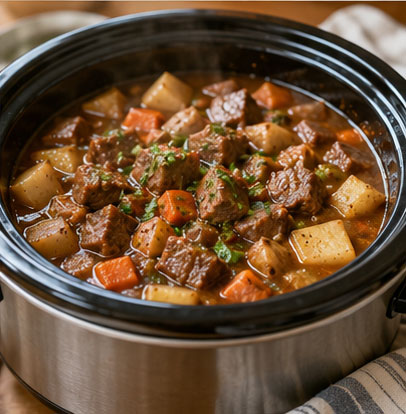
| Best Foods for Slow Cooking | Why It Works Well |
|---|---|
| Roasts, soups, stews, chili, beans, shredded chicken, pulled pork, sauces, and casseroles | Low, gentle heat slowly softens ingredients and develops rich flavor over time. |
Slow Cooker Safety
Always place the slow cooker on a heat-safe surface. Keep the lid closed during cooking whenever possible, and have an adult remove the hot lid and serve the finished meal.
Great Beginner Slow Cooker Recipes
- Vegetable soup
- Chicken noodle soup
- Chili
- Pulled chicken
- Spaghetti sauce
- Pot roast
- BBQ sandwiches
How to Choose the Best Cooking Method
Different cooking methods create different flavors, textures, and appearances. Choosing the right method depends on the type of food you are preparing and the result you want to achieve.
| If You Want... | Try These Methods |
|---|---|
| Crispy or browned food | Roasting, broiling, grilling, sautéing, or air frying |
| Tender vegetables | Steaming, roasting, sautéing, or simmering |
| Soft soups and stews | Simmering, pressure cooking, or slow cooking |
| Quick weeknight meals | Sautéing, broiling, microwaving, or pressure cooking |
| Hands-off cooking | Baking, roasting, or slow cooking |
| Cooking with little added fat | Steaming, boiling, simmering, microwaving, or pressure cooking |
Kids Cooking Lesson Plans
Want a done-for-you plan?If you're looking for a complete, ready-to-use system, these structured lesson plans and teaching materials can help you save time and confidently teach cooking step-by-step.
Explore Cooking Curriculum
Cooking Method Challenge
Prepare the same food using two different cooking methods, then compare the results.
- Roast and steam broccoli.
- Bake and grill chicken.
- Boil and roast potatoes.
- Sauté and roast zucchini.
Notice the differences in color, texture, flavor, aroma, and cooking time. This is one of the best ways to learn which cooking methods work best for different foods.
Remember
There is rarely only one "correct" cooking method. Experimenting with different techniques helps you discover new flavors, practice kitchen skills, and become a more confident cook.
Related Basic Cooking Lessons

How to Cook Vegetables
Practice steaming, roasting, sautéing, boiling, grilling, and air frying with common vegetables.

Baking with Kids
Learn measuring, mixing, kneading, shaping, timing, and oven skills through breads, muffins, cookies, and other recipes.

Cooking with Herbs & Spices
Discover how seasonings can change the flavor of foods prepared with different cooking methods.
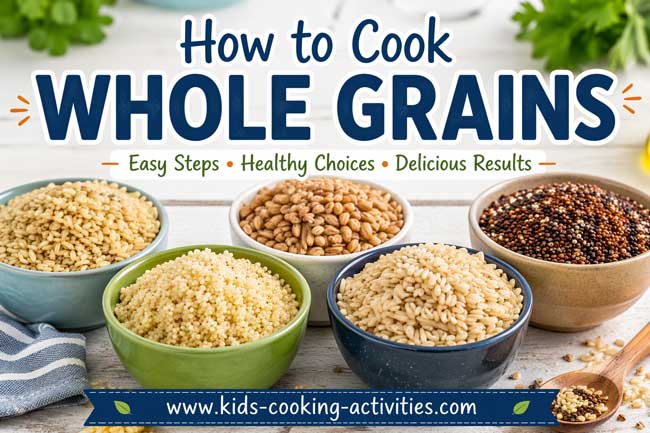
How to Cook Whole Grains
Practice boiling, simmering, steaming, and pressure cooking with rice, oats, quinoa, barley, and other grains.
Slow Cooker Skills
Learn how to safely prepare soups, stews, beans, sauces, roasts, and family dinners in a slow cooker.

Cooking with an Air Fryer
Use circulating hot air to brown vegetables, snacks, and simple family recipes with adult supervision.

Microwave Cooking
Practice heating, melting, defrosting, and preparing simple foods safely in the microwave.

Kitchen Skills for Kids
Build confidence with measuring, mixing, pouring, chopping, reading recipes, using tools, and cleaning up.
Frequently Asked Questions About Cooking Methods
What are the main cooking methods kids should learn?
Good beginner methods include baking, roasting, boiling, simmering, steaming, sautéing, grilling, pressure cooking, and slow cooking. Each method teaches different skills and creates different textures and flavors.
What is the difference between baking and roasting?
Both methods use dry heat inside an oven. Baking is commonly used for breads, muffins, cakes, cookies, casseroles, and pizza, while roasting is often used for vegetables, potatoes, poultry, meat, and fish. Roasting usually focuses more on browning the outside of the food.
What is the difference between boiling and simmering?
Boiling uses large, active bubbles and stronger heat. Simmering uses smaller, gentler bubbles. Boiling works well for pasta and potatoes, while simmering is better for soups, sauces, beans, grains, and stews.
Is steaming better than boiling vegetables?
Both methods can cook vegetables successfully. Steaming often helps vegetables keep a brighter color and firmer texture because they are not submerged in water. Boiling may be useful when vegetables need to become very soft or when the cooking liquid will also be used.
What is the difference between sautéing and frying?
Sautéing uses a small amount of oil or butter and cooks small pieces of food quickly while they are stirred or turned often. Pan-frying generally uses more oil and cooks larger pieces for a longer time. Deep frying completely surrounds food with hot oil and requires close adult supervision.
Which cooking methods are easiest for beginners?
Baking, steaming, simmering, sautéing, and slow cooking are good methods for beginners when an adult is helping. Start with simple recipes that use only a few ingredients and clearly explain the temperature, timing, and doneness.
Which cooking methods require the closest adult supervision?
Broiling, grilling, pressure cooking, frying, draining boiling water, and working with hot steam require especially close supervision. Adults should also handle raw meat, hot pans, oven racks, pressure valves, and outdoor grills.
How do I choose the best cooking method for a food?
Think about the texture and flavor you want. Use roasting, grilling, broiling, sautéing, or air frying for browning and crisp edges. Use steaming, simmering, boiling, pressure cooking, or slow cooking when you want softer, moister, or more tender food.
Submit your favorite kids recipe
Do you have a favorite recipe your kids love to make? Or a recipe your kids ask you to make again and again? Share it with us!
Practice One Cooking Method at a Time
Learning how heat changes food helps kids become safer, more confident, and more creative in the kitchen. Begin with a simple method, practice it with several foods, and then compare the results with another technique.
Basic Cooking Lessons Stock and soups 5 mother sauces Yeast and baking breads Herbs and spices Vegetables Dry beans Grains Eggs Different cooking methods Growing an herb garden How to Cook Q&A
Get Free Kids Recipe Cards + Cooking Printables
Join Kids Cooking Activities for fun recipes, cooking ideas, and printable resources for kids, families, and classrooms.
Follow Kids Cooking Activities too:





© Debbie Madson, Madson Web Publishing, LLC — All rights reserved.
The material on this site is for educational purposes only.