

- Home ›
- Basic Cooking Lessons ›
- How to Cook Dry Beans
How to Cook Dry Beans
Learning how to cook dry beans is one of the best kitchen skills for saving money while preparing healthy meals. Dry beans cost less than canned beans, store well in the pantry, and can be cooked in large batches to use throughout the week or freeze for future meals.

Once you understand a few simple techniques—sorting, soaking, and cooking—you can prepare black beans, pinto beans, kidney beans, chickpeas, lentils, and many other varieties with confidence.
Start Here: Learn to Cook Dry Beans
- New to cooking beans? Learn how to choose and prepare dry beans before cooking.
- Need cooking directions? Compare stovetop, slow cooker, and pressure cooker methods.
- Cooking a specific bean? Jump to black beans, pinto beans, garbanzo beans, or lentils.
- Ready to cook? Practice with the bean recipes near the bottom of the page.
Kids Cooking Activities Teaching Materials
Teaching kids to cook? Save time with ready-made lesson plans used by parents and teachers. Browse teaching materials →


This page may contain affiliate links. We may earn a small commission at no extra cost to you. Learn more.
Why Cook Dry Beans?
Dry beans are one of the most economical and nutritious foods you can keep in your pantry. They provide protein, fiber, vitamins, and minerals while costing much less than canned beans. Cooking your own beans also lets you control the amount of salt and seasonings you add.
Once cooked, beans can be served as a side dish, added to soups, chili, salads, tacos, burritos, casseroles, pasta dishes, and many other family meals. They also freeze well, making meal planning easier on busy days.
Learn More About Beans
Want to learn where beans come from, why they're healthy, the different varieties, and how they're used around the world? Visit our Bean Facts page before you start cooking.
Why Families Love Dry Beans
- Budget-friendly pantry staple.
- Excellent source of plant protein and fiber.
- Store for months in a cool, dry pantry.
- Freeze beautifully for quick future meals.
- Available in many varieties for different recipes.
Choosing and Preparing Dry Beans
Before cooking, take a few minutes to sort and rinse your dry beans. This simple step removes any small stones, damaged beans, or bits of plant material that may have been packaged with the beans. Starting with clean beans helps ensure the best flavor and texture.
| Step | Why It Matters |
|---|---|
| Sort | Remove broken beans, small stones, or debris. |
| Rinse | Wash away dust from storage and packaging. |
| Soak | Helps many beans cook faster and more evenly. |
| Cook | Simmer until the beans are tender and creamy. |
Kid Chef Tip
Sorting beans is an excellent kitchen job for kids. Spread the beans on a baking sheet or large plate and look for anything that doesn't belong before rinsing them.
Do You Need to Soak Dry Beans?
Many dried beans benefit from soaking before cooking because they absorb water, cook more evenly, and often require less cooking time. Lentils and split peas are exceptions; they usually do not need to be soaked.
Overnight Soak
- Place the dry beans in a large bowl.
- Cover with several inches of cold water because the beans will expand.
- Let the beans soak overnight or for 8-12 hours.
- Drain and rinse before cooking.
Quick Soak Method
- Place the beans in a large pot and cover with water.
- Bring the water to a boil for 2 minutes.
- Remove the pot from the heat and cover.
- Let the beans sit for 1 hour.
- Drain, rinse, and cook as directed.
Beans That Usually Don't Need Soaking
- Lentils
- Split peas
- Black-eyed peas (optional)
Most other dry beans, including black beans, kidney beans, pinto beans, navy beans, Great Northern beans, and chickpeas, are usually soaked before cooking for the best results.
Try a Bean Science Experiment
Before cooking, watch what happens when dry beans absorb water and begin to sprout. Our Bean Experiments for Kids connect cooking with food science and help explain why soaking beans changes their size and texture.
Basic Directions for Cooking Dry Beans
After soaking (if needed), drain and rinse the beans before cooking. The following stovetop method works well for most types of dry beans.
- Place the prepared beans in a large pot.
- Cover with fresh water by about 2 inches.
- Add a quartered onion, chopped carrot, celery, a bay leaf, or a ham bone if desired for extra flavor.
- Bring the water to a gentle boil.
- Reduce the heat to a low simmer and cover the pot.
- Cook until the beans are tender, checking occasionally and adding more water if needed.
- Remove the bay leaf, vegetables, or ham bone before serving.
- Use the cooked beans immediately or allow them to cool before refrigerating or freezing.
When Should You Add Salt?
Salt can be added to the soaking water or cooking water to flavor the beans. However, wait until the beans are tender before adding acidic ingredients such as tomatoes, vinegar, or lemon juice because acids can slow softening.
Ways to Cook Dry Beans
Dry beans can be cooked on the stovetop, in a slow cooker, or in a pressure cooker. The best method depends on how much time you have and which appliance you prefer to use.

Which Cooking Method Should You Choose?
- Want the most traditional method? Use the stovetop.
- Need hands-off cooking? Use a slow cooker.
- Need beans quickly? Use a pressure cooker or Instant Pot.
- Cooking lentils or split peas? Use the stovetop because they cook quickly.
| Cooking Method | Approximate Time | Best For |
|---|---|---|
| Stovetop | 1-2 hours after soaking | Most dry beans and complete control over texture |
| Slow Cooker | 6-10 hours | Hands-off batch cooking and meal preparation |
| Pressure Cooker | 20-45 minutes, plus pressure release | Quick cooking with little supervision |
| Instant Pot | 20-45 minutes, plus pressure release | Fast cooking with preset pressure settings |
How to Cook Dry Beans on the Stovetop
- Sort, rinse, and soak the beans if needed.
- Drain the soaking water and place the beans in a large pot.
- Add fresh water until the beans are covered by about 2 inches.
- Bring the water to a boil.
- Reduce the heat to a gentle simmer and partially cover the pot.
- Cook until the beans are tender, checking the water level occasionally.
- Season with salt as desired. Add tomatoes, vinegar, lemon juice, and other acidic ingredients after the beans are tender.
Good Cooking Habit
Keep the beans at a gentle simmer instead of a rapid boil. Boiling too hard can split the skins and make the beans cook unevenly.
How to Cook Dry Beans in a Slow Cooker
A slow cooker is convenient for preparing a large batch of beans with very little hands-on work.
- Sort, rinse, and soak the beans. If using kidney beans, follow the boiling safety directions below before slow cooking.
- Drain the beans and place them in the slow cooker.
- Add fresh water until the beans are covered by about 2 inches.
- Add onion, garlic, herbs, or other seasonings, if desired.
- Cover and cook on Low for 6-10 hours, depending on the bean variety and age.
- Check for tenderness near the end of cooking and adjust the seasonings to taste.
Important Slow Cooker Safety Note
Dry kidney beans contain a naturally occurring toxin that must be destroyed by vigorous boiling. Soak kidney beans for about 12 hours, drain and rinse them, then boil them in fresh water for at least 10 minutes before transferring them to a slow cooker. Never cook raw or merely soaked kidney beans entirely on the slow cooker's Low setting.
How to Cook Dry Beans in a Pressure Cooker
Pressure cookers and electric pressure cookers can prepare dry beans much faster than stovetop or slow cooker methods.
- Sort and rinse the beans. Soak them first if desired.
- Place the beans in the pressure cooker.
- Add enough water to cover the beans by about 2 inches, without filling the cooker above the manufacturer's limit.
- Add onion, garlic, bay leaf, or herbs if desired.
- Seal the lid and cook on High pressure using the suggested time for the bean variety.
- Allow the pressure to release naturally for at least 15-20 minutes before opening.
- Check for tenderness and cook for a few more minutes if needed.
Pressure Cooker Tip
Beans foam and expand while cooking. Never fill a pressure cooker more than halfway when cooking beans, and always follow the instructions for your specific appliance.
Dry Bean Cooking Time Chart
Cooking times vary depending on the age of the beans, whether they were soaked, and the cooking method. Use this chart as a starting point and continue cooking until the beans are tender.
| Bean | Soaking | Stovetop Time After Soaking | Approximate Pressure Cooker Time* |
|---|---|---|---|
| Black Beans | Recommended | 60-90 minutes | 20-25 minutes |
| Pinto Beans | Recommended | 60-90 minutes | 20-25 minutes |
| Kidney Beans | Recommended | 60-90 minutes | 25-30 minutes |
| Navy Beans | Recommended | 60-90 minutes | 20-25 minutes |
| Great Northern Beans | Recommended | 60-90 minutes | 20-25 minutes |
| Cannellini Beans | Recommended | 60-90 minutes | 20-25 minutes |
| Garbanzo Beans | Recommended | 90-120 minutes | 35-40 minutes |
| Lima Beans | Recommended | 60-90 minutes | 20-25 minutes |
| Black-Eyed Peas | Optional | 45-60 minutes | 10-15 minutes |
| Lentils | Not needed | 20-30 minutes | 6-10 minutes |
| Split Peas | Not needed | 30-45 minutes | 8-12 minutes |
*Pressure-cooker times vary depending on whether the beans were soaked, the appliance model, the amount of beans, and the desired texture. Use these times only as starting points and follow your appliance manufacturer's directions.
Pressure-cooker times do not include the time required for the cooker to reach pressure or release pressure naturally.
Why Are My Beans Taking Longer?
Older beans can take much longer to soften than recently purchased beans. Hard water and acidic ingredients can also slow cooking. If the beans are still firm, continue simmering and add more water as needed.
How to Season Dry Beans
Beans have a mild flavor that works well with many herbs and spices. Add onions, garlic, bay leaves, or dried herbs during cooking, then taste and adjust the seasonings once the beans are tender.
Easy Bean Seasoning Ideas
- Mexican-inspired: Cumin, chili powder, oregano, garlic, and lime.
- Italian-inspired: Basil, oregano, rosemary, garlic, and parsley.
- Smoky: Smoked paprika, onion powder, garlic, and black pepper.
- Simple and savory: Onion, garlic, bay leaf, salt, and pepper.
- For lentils: Curry powder, cumin, turmeric, or thyme.
For more flavor combinations, visit our Cooking with Herbs & Spices lesson.
Cooking Different Types of Beans
Each variety of bean has its own flavor, texture, and best uses. Once you've learned the basic cooking method, you can prepare many different kinds of beans for soups, salads, side dishes, dips, and main meals.
How to Cook Black Beans
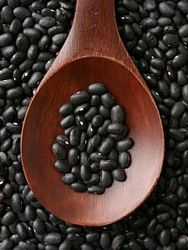
Black beans have a mild flavor and creamy texture that works well in Mexican, Caribbean, and South American dishes. After soaking, cook them according to the basic directions until they are tender.
Great Uses for Black Beans
- Tacos and burritos
- Rice bowls
- Soups and chili
- Bean salads
- Veggie burgers
Try these recipes:
Kitchen Tip
Cook extra black beans and freeze them in meal-sized portions for tacos, soups, chili, and rice bowls.
How to Cook Garbanzo Beans (Chickpeas)
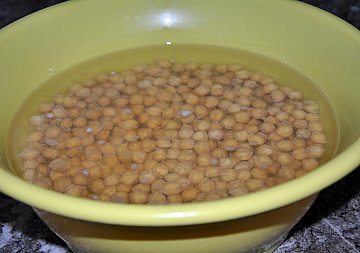
Garbanzo beans, also called chickpeas, stay firm after cooking, making them perfect for salads, soups, grain bowls, and Mediterranean recipes.
Great Uses for Chickpeas
- Homemade hummus
- Pasta salads
- Roasted crunchy snacks
- Soups and stews
- Grain bowls
Try These Chickpea Recipes
Kid Chef Tip
Cook extra chickpeas and refrigerate or freeze them for quick salads, grain bowls, pasta dishes, and homemade hummus throughout the week.
How to Cook Pinto Beans
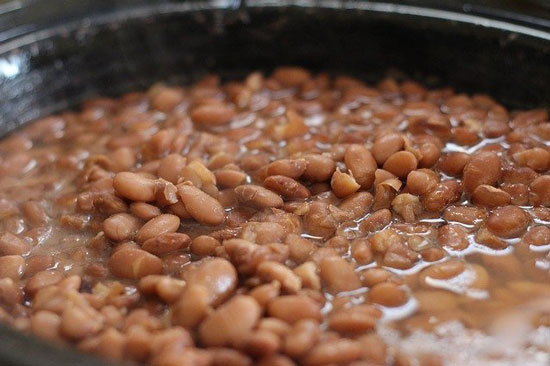
Pinto beans are one of the most popular beans in North American cooking. They become soft and creamy after cooking, making them perfect for refried beans and hearty soups.
Great Uses for Pinto Beans
- Refried beans
- Burritos
- Bean chili
- Taco salads
- Bean bowls
Kitchen Skill: Mash cooked pinto beans with a potato masher, add a little cooking liquid, garlic powder, cumin, and onion powder to make easy homemade refried beans.
How to Make Easy Refried Beans
Homemade refried beans are simple to make and don't actually have to be fried.
- Mash 2 cups of cooked pinto beans with a potato masher or fork.
- Stir in a few tablespoons of the cooking liquid or broth until the beans reach your desired consistency.
- Season with garlic powder, onion powder, cumin, salt, and pepper.
- Heat in a skillet over medium heat for 3-5 minutes, stirring often.
- For extra flavor, stir in shredded cheddar cheese or top with chopped cilantro before serving.
Serve homemade refried beans with tacos, burritos, quesadillas, nachos, or as a side dish with Mexican-inspired meals.
How to Cook Lentils

Lentils cook much faster than most dry beans because they do not require soaking. Simply rinse them, place them in a saucepan with broth or water, and simmer until tender.
| Type | Cooking Time |
|---|---|
| Brown Lentils | 20-30 minutes |
| Green Lentils | 30-35 minutes |
| Red Lentils | 15-20 minutes |
Try these recipes:
Kitchen Tip
Red lentils break down while cooking, making them perfect for creamy soups, curries, and sauces.
Kids Cooking Lesson Plans
Want a done-for-you plan?If you're looking for a complete, ready-to-use system, these structured lesson plans and teaching materials can help you save time and confidently teach cooking step-by-step.
Explore Cooking Curriculum
Easy Bean Recipes to Practice Your New Skills
Now that you know how to cook dry beans, practice using them in a variety of recipes. Most cooked beans can be substituted for canned beans, making these recipes both economical and nutritious.
Easy Barbecue Franks and Beans
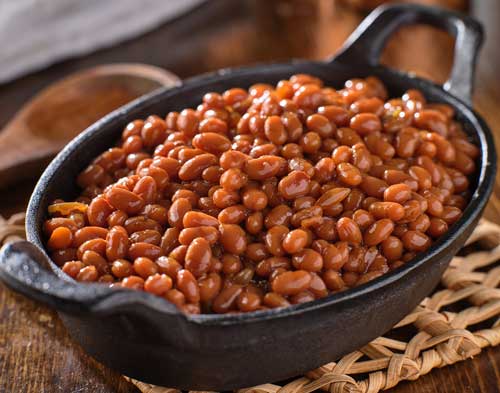


Ingredients
- 5 hot dogs, sliced
- 1 cup cooked kidney beans
- 1 cup cooked black beans
- 1 cup cooked white beans
- 3/4 cup barbecue sauce
Directions
- If using canned beans, drain and rinse them well.
- Add the hot dogs, kidney beans, black beans, white beans, and barbecue sauce to a medium saucepan.
- Stir to combine.
- Cook over medium-low heat for about 10 minutes, stirring occasionally, until everything is heated through.
- Serve warm with cornbread, fresh fruit, or a simple vegetable side dish.
For another easy side dish, try these homemade baked beans.
Kid Chef Tip
Calico Beans
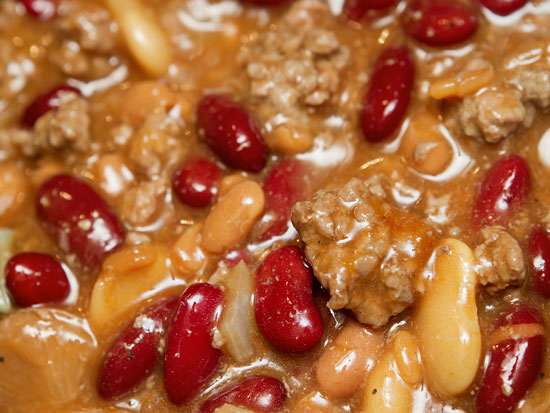
Ingredients
- 1 pound ground beef
- 1 pound bacon, diced
- 1 onion, diced
- 1/2 cup brown sugar
- 1/2 cup ketchup
- 2 tablespoons vinegar
- 1 can pork and beans
- 1 cup cooked kidney beans
- 1 cup cooked butter beans
Directions
- Brown the ground beef, bacon, and onion in a large skillet. Drain excess grease.
- Stir together the brown sugar, ketchup, and vinegar.
- Add the sauce and beans to the meat mixture.
- Transfer the mixture to a baking dish and bake at 350F for about 1 hour, or transfer it to a slow cooker and cook on Low for 4-6 hours.
Try It Two Ways
This recipe can be baked in the oven or cooked in a slow cooker for an easy family dinner.
White Bean Dip with Seasoned Pita Chips
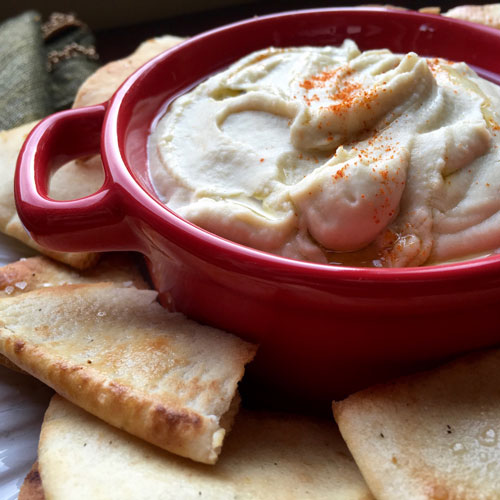
Prep Time: 15 minutes
Cook Time: 12 minutes
Total Time: 27 minutes
Servings: 6
Seasoned Pita Chips
- 6 pita breads
- 3 tablespoons olive oil
- Salt and pepper
White Bean Dip
- 1 (15-ounce) can or 1 1/2 cups cooked cannellini beans
- 3 garlic cloves
- 2 tablespoons lemon juice
- 2-3 fresh sage leaves
- 1/3 cup olive oil
- Salt and pepper to taste
- Dash cayenne pepper (optional)
Directions
- Heat the oven to 375F.
- Cut each pita into 8 wedges and brush lightly with olive oil.
- Season with salt and pepper.
- Bake for 10-12 minutes, turning halfway through, until the pita wedges are crisp and lightly golden. Watch closely near the end so they do not burn.
- Meanwhile, blend the beans, garlic, lemon juice, sage, and olive oil until smooth.
- Season to taste and drizzle with a little extra olive oil before serving.
- Serve the dip with warm pita chips or fresh vegetables.
Try This Variation
Add roasted garlic, rosemary, basil, or sun-dried tomatoes to create different flavors.
One Batch, Many Meals
Cooking a large batch of beans once can save time and money throughout the week. Store extra beans in the refrigerator or freezer, then use them in soups, salads, tacos, pasta dishes, grain bowls, dips, and many other family meals. Homemade beans can replace canned beans in almost any recipe.
Which Bean Should You Use?
| Bean | Best Uses |
|---|---|
| Black Beans | Tacos, burritos, rice bowls, soups, and chili |
| Pinto Beans | Refried beans, burritos, chili, and side dishes |
| Kidney Beans | Chili, soups, pasta dishes, and salads |
| Cannellini Beans | Italian soups, pasta, casseroles, and bean dips |
| Garbanzo Beans | Hummus, salads, roasted snacks, and grain bowls |
| Lentils | Soups, curries, casseroles, and hearty side dishes |
How to Store and Freeze Cooked Beans
Cooking a large batch of beans saves time and makes meal planning easier. Once the beans have cooled, divide them into meal-sized portions before refrigerating or freezing.
| Storage Method | How Long? | Best For |
|---|---|---|
| Refrigerator | 3-4 days | Meals later this week |
| Freezer | 3-6 months | Long-term meal prep |
Kitchen Shortcut
Freeze cooked beans in 1 1/2-cup portions. That's about the same amount found in one 15-ounce can of beans, making it easy to substitute your homemade beans in almost any recipe.
Bean Meal Prep Checklist
- Transfer cooked beans into shallow containers so they cool quickly.
- Refrigerate or freeze them within 2 hours of cooking.
- Divide the beans into meal-sized portions.
- Label each container with the bean type and date.
- Freeze bags flat to save freezer space.
- Thaw frozen beans overnight in the refrigerator or reheat them safely from frozen.
Continue Learning About Healthy Pantry Foods
Beans are only one nutritious pantry staple. Learn how to cook whole grains, prepare vegetables, and season meals with herbs and spices to create balanced, budget-friendly family meals.
Keep Learning About Beans
Now that you've learned how to cook dry beans, continue exploring with our Bean Facts page and discover how beans grow, why they're nutritious, and the many varieties used in recipes around the world. Then try one of our Bean Experiments to see how soaking and sprouting beans connects science with cooking.
Related Basic Cooking Lessons
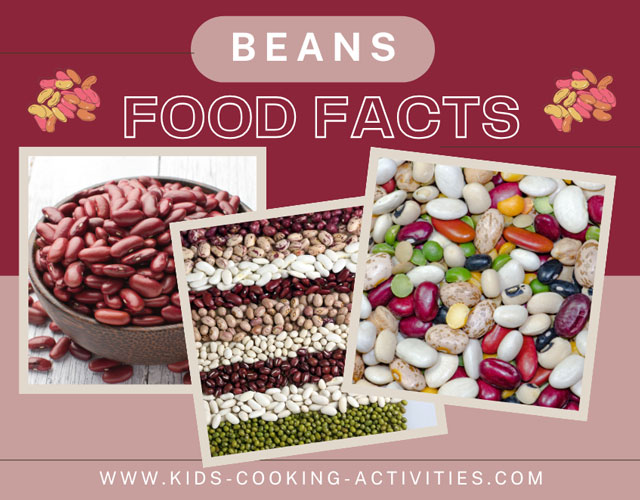
Bean Facts
Learn where beans grow, discover different bean varieties, and find out why they're a healthy addition to family meals.
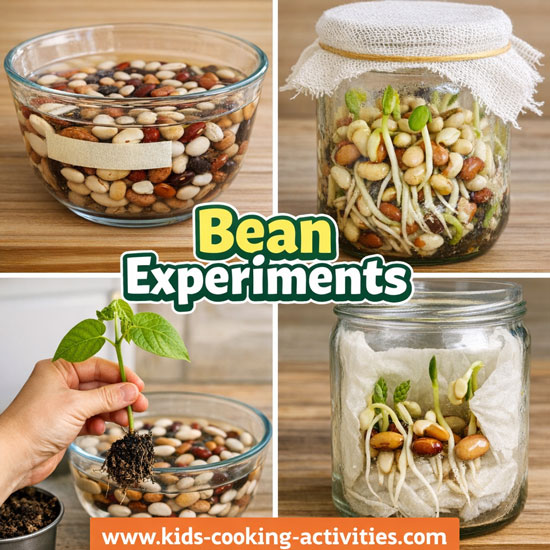
Bean Experiments
Explore soaking, sprouting, and growing beans while learning food science through hands-on activities.

Bean Soup Recipes
Practice using cooked beans in hearty soups, stews, and other easy family meals.

Chili Recipes
Put your homemade beans to work in hearty chili recipes made on the stovetop or in the slow cooker.

Black Bean Wraps
Use cooked black beans to make quick, healthy wraps that are perfect for lunches and easy family dinners.

How to Cook Vegetables
Learn how to wash, prepare, season, steam, roast, boil, sauté, and air fry vegetables.

How to Cook Whole Grains
Practice cooking rice, oats, quinoa, barley, and other nutritious pantry staples.

Herbs & Spices
Discover easy seasoning combinations for beans, soups, rice bowls, dips, and family meals.

Cooking Methods
Learn when to simmer, boil, bake, sauté, roast, steam, and slow cook foods.
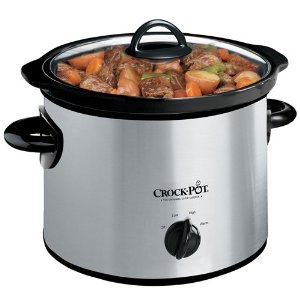
Slow Cooker Skills
Learn how to use a slow cooker safely for soups, beans, stews, and family dinners.

Healthy Meal Ideas
Combine beans with vegetables, whole grains, and other foods to build balanced meals.

Food Facts
Learn how beans grow, where foods come from, and how ingredients are used in cooking.
Frequently Asked Questions About Cooking Dry Beans
Do dry beans need to be soaked before cooking?
Most dry beans benefit from soaking because it helps them cook more evenly and may shorten the cooking time. Lentils and split peas usually do not need to be soaked.
What is the fastest way to cook dry beans?
A pressure cooker or electric pressure cooker is usually the fastest method. Depending on the bean variety and whether the beans were soaked, many beans cook in about 20 to 45 minutes, plus time for the pressure to release.
Why are my cooked beans still hard?
Older beans, hard water, and acidic ingredients can slow the softening process. Continue simmering the beans, add more water if needed, and wait until the beans are tender before adding tomatoes, vinegar, or lemon juice.
When should salt be added to beans?
Salt can be added to the soaking water or cooking water to flavor the beans. Wait until the beans are tender before adding acidic ingredients such as tomatoes, vinegar, or lemon juice because acids can slow softening.
Can cooked beans be frozen?
Yes. Transfer cooked beans into shallow containers so they cool quickly, then refrigerate or freeze them within 2 hours. Divide the beans into meal-sized portions, label them, and freeze. A 1 1/2-cup portion is approximately equal to one 15-ounce can of beans.
How long do cooked beans last in the refrigerator?
Cooked beans usually keep for 3 to 4 days in a covered container in the refrigerator. Freeze any beans you will not use within that time.
Which beans are easiest for beginner cooks?
Black beans, pinto beans, navy beans, lentils, and chickpeas are all good choices for beginners. Lentils are especially easy because they cook quickly and do not require soaking.
Can kids help cook dry beans?
Yes. Kids can sort and rinse beans, measure ingredients, add seasonings, and help portion cooled beans for storage. An adult should supervise hot pots, slow cookers, pressure cookers, and stove use.
Continue Learning
Submit your favorite kids recipe
Do you have a favorite recipe your kids love to make? Or a recipe your kids ask you to make again and again? Share it with us!
Continue Building Your Cooking Skills
Learning how to cook dry beans is a useful kitchen skill that can save money and make meal planning easier. Practice with several bean varieties, try different seasonings, and freeze extra portions for future recipes.
Basic Cooking Lessons Stock and soups 5 mother sauces Yeast and baking breads Herbs and spices Vegetables Dry beans Grains Eggs Different cooking methods Growing an herb garden How to Cook Q&A
Get Free Kids Recipe Cards + Cooking Printables
Join Kids Cooking Activities for fun recipes, cooking ideas, and printable resources for kids, families, and classrooms.
Follow Kids Cooking Activities too:





© Debbie Madson, Madson Web Publishing, LLC — All rights reserved.
The material on this site is for educational purposes only.