

Cooking with Herbs and Spices for Kids
Learn how herbs, spices, dry rubs, marinades, sauces, and everyday seasonings transform simple ingredients into delicious meals. This beginner-friendly lesson helps kids build confidence while learning one of the most important cooking skills - adding flavor.

Herbs and spices are some of the easiest ways to improve the flavor of food. Even a simple bowl of soup or plate of vegetables can taste completely different with just a few seasonings. Learning when and how to season food is one of the most valuable cooking skills young chefs can develop.
In this lesson you'll discover the difference between herbs and spices, learn when to use fresh or dried herbs, practice seasoning food through a fun vegetable soup experiment, and explore several methods of adding flavor including dry rubs, marinades, and everyday condiments.
Start Here: Learning to Season Food
- Brand new cook? Start by learning the difference between herbs and spices and why both are important.
- Ready to experiment? Make the Vegetable Soup Seasoning Activity and taste how seasonings change the flavor.
- Cooking meat? Learn how to season ground meat for tacos, chili, spaghetti, and more.
- Want to cook like a chef? Practice using dry rubs, marinades, and condiments to build layers of flavor.
Kids Cooking Activities Teaching Materials
Teaching kids to cook? Save time with ready-made lesson plans used by parents and teachers. Browse teaching materials →


This page may contain affiliate links. We may earn a small commission at no extra cost to you. Learn more.
On This Page
What Kids Will Learn
- How herbs and spices affect flavor
- The difference between fresh and dried herbs
- When to add seasonings while cooking
- How to safely taste food while cooking
- How marinades, dry rubs, and sauces flavor meat and vegetables
- Confidence experimenting with new flavors
Why Herbs and Spices Matter
Herbs and spices give food its unique flavor, aroma, and personality. Without seasonings, many foods taste plain or bland. A pinch of basil can brighten tomato sauce, cinnamon adds warmth to baked treats, and garlic and oregano can completely transform a pot of soup.
Professional chefs rarely rely on just one seasoning. Instead, they combine herbs, spices, and other flavorings to create balanced meals. Learning how to season food takes practice, but experimenting is part of the fun.
As you cook, remember one important rule: start with a small amount. You can always add more seasoning, but it's much harder to remove it once it's been mixed into your food.
Kitchen Tip
Taste foods as you cook whenever it is safe to do so. Soups, sauces, vegetables, rice, and pasta dishes are perfect for tasting. Never taste foods that contain raw meat, raw poultry, or raw eggs.
Fresh Herbs or Dried Herbs?
Both fresh and dried herbs can make food taste wonderful, but they are used a little differently.
Fresh herbs have a brighter flavor and are usually added near the end of cooking to keep their color and aroma. Dried herbs have a more concentrated flavor because much of their moisture has been removed. They are often added earlier so they have time to soften and flavor the entire dish.
A simple rule to remember is:
Use about 3 times as much fresh herbs as dried herbs.
Example: If a recipe calls for 1 teaspoon dried basil, use about 1 tablespoon fresh chopped basil.
8 Essential Herbs Every Young Cook Should Learn to Use
Herbs come from the leafy parts of plants and are used to add fresh, natural flavor to foods. Some herbs are available fresh, while others are dried and stored in spice jars. As you become more comfortable cooking, you'll begin to recognize which herbs pair best with different meals.
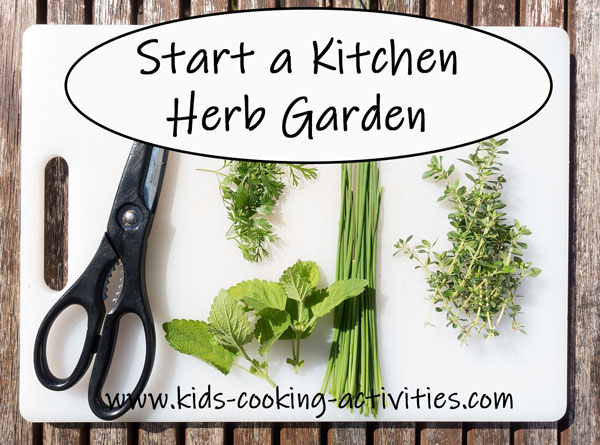
Many of these herbs are easy to grow in containers or small backyard gardens, making them a great first gardening project for young cooks.
Herb Tip
Fresh herbs are usually added during the last few minutes of cooking to keep their bright flavor and color. Dried herbs are added earlier so they have time to soften and season the entire dish.
8 Essential Spices Every Beginner Cook Should Know
Unlike fresh herbs, most dried spices have a long shelf life, so you only need a small amount for each recipe. Spices usually come from the seeds, bark, roots, berries, or fruits of plants. Taste your food when it's safe to do so, and add more only if needed.
Build Your First Spice Collection
If you're just starting to cook, these ten seasonings will help you make hundreds of recipes:
- Salt
- Black pepper
- Garlic powder
- Basil
- Oregano
- Paprika
- Cinnamon
- Cumin
- Parsley
- Italian seasoning
As you cook more often, you can slowly add new herbs and spices to your collection and discover your own favorite flavor combinations. Learn what else you should stock in your kitchen.
Kitchen Organization Tip
- Store herbs and spices away from heat and sunlight.
- Replace dried herbs every 1-2 years.
- Label homemade spice blends.
- If your spices have very little aroma, it's probably time to replace them.
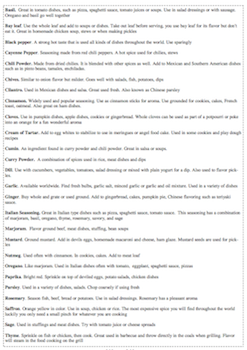
Free Printable Herb & Spice Reference Chart
Keep a handy herb and spice guide in your kitchen! This printable chart shows many common herbs and spices along with the foods they pair best with, making it easier to choose the right seasoning while you cook.
Vegetable Soup Seasoning Activity
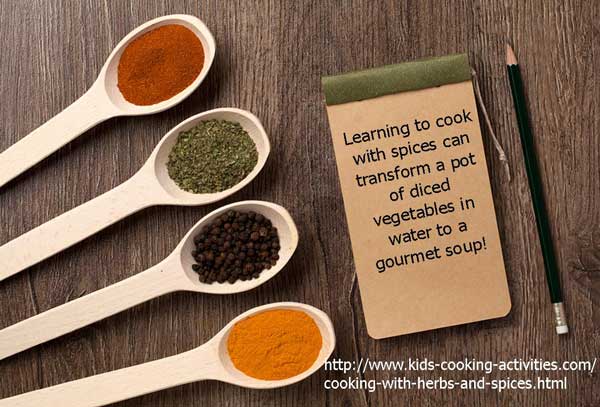
This vegetable soup activity is a simple way to show kids how much herbs and spices can change the flavor of food. First, taste the soup before adding seasonings. Then add herbs, spices, and bouillon, cook the soup, and taste again. The difference is easy to notice.
Vegetable Soup Seasoning Lesson
Ingredients
- Cauliflower, chopped
- Cabbage, chopped
- Potatoes, peeled and diced
- Onion, chopped
- Carrots, peeled and sliced
- Water, enough to cover the vegetables
- 1 teaspoon basil
- 1/2 teaspoon black pepper
- 2 teaspoons salt, or to taste
- 1 teaspoon oregano
- 2 bay leaves
- 2 to 3 beef bouillon cubes, chicken bouillon cubes, or vegetable bouillon cubes
Directions
- Wash, peel, and cut the vegetables into small pieces.
- Add the vegetables to a large soup pot.
- Cover the vegetables with water.
- With adult supervision, bring the soup to a simmer.
- Before adding seasonings, taste a small spoonful of the broth. Talk about how plain it tastes.
- Add basil, pepper, salt, oregano, bay leaves, and bouillon.
- Simmer for 20-30 minutes, or until the vegetables are tender.
- Remove the bay leaves before serving.
- Taste the soup again and decide if it needs a little more salt, pepper, herbs, or bouillon.
Teaching Tip
This lesson works best when kids taste the broth before and after seasoning. Ask them to describe what changed. Did the soup taste richer, saltier, more savory, or more flavorful?
Questions to Ask Kids
- How did the soup taste before adding seasonings?
- Which seasoning could you smell the most?
- What changed after the soup cooked with herbs and spices?
- Would you add more of anything next time?
- Why should we start with a small amount of seasoning?
Safe Tasting Reminder
Tasting while cooking is helpful, but only taste foods that are safe. Soups, sauces, cooked vegetables, rice, pasta, and finished dishes are usually good for tasting. Do not taste food that contains raw meat, raw poultry, raw seafood, or raw eggs.
Featured Classroom Activity
Food Trivia Worksheets
Turn your herbs and spices lesson into a fun classroom activity! These printable Food Trivia Worksheets include questions about herbs, spices, foods from around the world, kitchen facts, and more. They're perfect for cooking classes, homeschool lessons, enrichment activities, early finishers, or family cooking nights. Perfect for grades 2-8, homeschool lessons, cooking camps, and family cooking nights.
How to Season Ground Meat
One of the easiest ways to improve the flavor of a meal is to season ground meat while it cooks. As the meat browns, it absorbs the herbs and spices, creating a richer, more flavorful dish. Whether you're making tacos, spaghetti, chili, or casseroles, seasoning the meat first gives the entire recipe a better taste.

Start by cooking the ground meat with chopped onions if desired. As the meat browns, add your seasonings and stir well so the flavors are evenly distributed. Continue cooking until the meat is fully cooked and no longer pink.
Season as You Cook
Adding herbs and spices while meat browns allows the flavors to cook into the meat instead of simply sitting on top after it's finished cooking.
Four Easy Ways to Add Flavor to Food
Seasoning food isn't just about shaking herbs and spices into a recipe. Cooks use several different methods to build flavor. As you gain experience in the kitchen, you'll learn when each method works best.
Remember
There isn't one "right" amount of seasoning for every recipe. Taste foods as you cook (when it's safe), adjust the seasonings a little at a time, and keep notes about combinations your family enjoys. Experimenting is one of the best ways to become a confident cook!
1. Dry Rubs
A dry rub is a mixture of herbs, spices, and seasonings that is rubbed directly onto meat before cooking. As the meat cooks, the seasonings form a flavorful outer crust while adding taste all the way through. Dry rubs are easy to make, require no special equipment, and are a great way for kids to practice measuring and mixing spices.
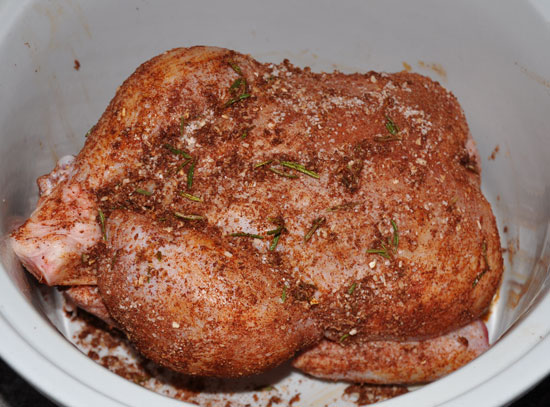
Dry rubs work well on chicken, pork, beef, turkey, fish, and even roasted vegetables. After coating the food with the seasoning mixture, let it rest for about 15 to 30 minutes before cooking so the flavors have time to soak into the surface. One of our favorite recipes for practicing dry rubs is this Spicy Roast Chicken. It's an easy recipe that lets young cooks see how herbs and spices create delicious flavor without needing a sauce.
Basic Chicken Dry Rub
- 1 tablespoon paprika
- 1 teaspoon garlic powder
- 1 teaspoon onion powder
- 1 teaspoon black pepper
- 1 teaspoon dried oregano or thyme
- 1 teaspoon salt
- Optional: 1/4 teaspoon cayenne pepper for heat
Mix the seasonings together and rub them evenly over the meat before baking, grilling, roasting, or cooking in a slow cooker.
Kid Cooking Tip
Pat the meat dry with paper towels before adding the dry rub. This helps the seasonings stick better and creates a more flavorful crust while cooking.
Foods That Taste Great with Dry Rubs
Dry Rub vs. Marinade
Both methods add delicious flavor, but they work in different ways. Here's a quick comparison to help you decide which one to use.
2. Marinades
A marinade is a flavorful liquid that foods soak in before cooking. Unlike a dry rub, a marinade coats the food with liquid ingredients that help add moisture and flavor. Marinades are especially popular for chicken, beef, pork, seafood, and vegetables.
Many marinades combine four simple ingredients:
Marinating Tips
- Marinate foods in the refrigerator, never on the counter.
- Use a zip-top bag or a glass container with a lid.
- Turn the food occasionally so all sides are coated.
- Discard leftover marinade that has touched raw meat.
- Most chicken and beef taste great after marinating for 1 to 4 hours.
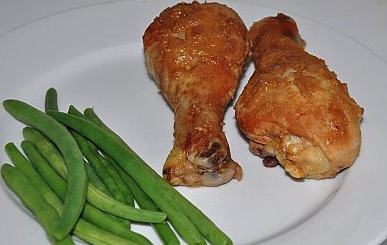
Chicken Satay with Peanut Sauce
This recipe lets kids practice making both a simple marinade and a creamy peanut sauce while learning how seasonings work together.


Marinade Ingredients
- 6 to 8 chicken drumsticks (or chicken breasts or thighs)
- 1/4 cup orange juice
- 1/4 cup soy sauce
- 3 tablespoons honey
- 2 garlic cloves, minced
- 1 tablespoon grated fresh ginger or 1 teaspoon ground ginger
Peanut Sauce Ingredients
- 1/2 cup chicken broth
- 1/2 cup orange juice
- 1/4 cup creamy peanut butter
Directions
- Whisk together the orange juice, soy sauce, honey, garlic, and ginger.
- Pour the marinade into a large zip-top bag.
- Add the chicken and refrigerate for several hours.
- In a small bowl, stir together the chicken broth, orange juice, and peanut butter until smooth. Refrigerate until needed.
- Place the marinated chicken in a baking dish.
- Bake for about 15 minutes.
- Pour the peanut sauce over the chicken and continue baking another 15 to 20 minutes, or until the chicken reaches a safe internal temperature and is no longer pink.
Try Another Marinade Recipe
Ready to practice another marinade? Try these Marinated Beef Kabobs. They're a fun way to see how herbs, spices, and simple pantry ingredients work together to create delicious flavor.
What Kids Learn from Making Marinades
- Measuring liquid ingredients accurately
- Mixing flavors together
- Kitchen safety when handling raw meat
- Planning ahead by preparing food before cooking
- How herbs, spices, acids, and sweeteners work together to build flavor
3. Flavor Foods with Everyday Condiments
Herbs and spices aren't the only way to add flavor to food. Many of the condiments already in your refrigerator or pantry can become delicious cooking ingredients. Barbecue sauce, salsa, Italian dressing, soy sauce, spaghetti sauce, and even applesauce can all be used to create quick, flavorful meals.
Using condiments is an easy way for beginner cooks to experiment with new flavors because many sauces already contain a blend of herbs, spices, and seasonings.
Popular Condiments to Cook With
Kitchen Tip
Read the ingredient label on your favorite sauces and dressings. You'll often find herbs and spices like garlic, basil, oregano, paprika, onion, parsley, and black pepper already blended together.
Eggs in Spaghetti Sauce
This quick one-pan meal shows how a simple jar of spaghetti sauce can become a hearty dinner with just a few ingredients. It's also a beginner-friendly version of a popular Middle Eastern and North African dish called shakshuka, where eggs are gently cooked in a flavorful tomato sauce.
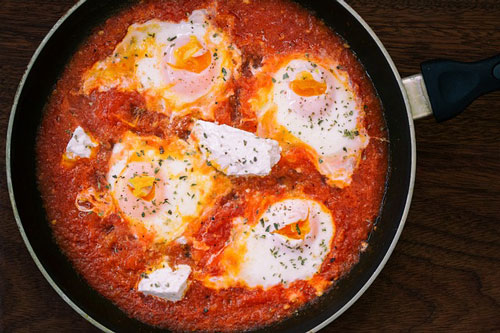
Ingredients
- 2 cups spaghetti sauce
- 2-4 eggs
- Salt and pepper, to taste
- Garlic toast or crusty bread for serving (optional)
- Fresh parsley or basil for garnish (optional)
- Grated Parmesan cheese (optional)
Directions
- Pour the spaghetti sauce into a skillet and heat over medium-low until it begins to gently simmer.
- Use the back of a spoon to make small wells in the sauce.
- Crack an egg into each well.
- Season lightly with salt and pepper.
- Cover the skillet and cook until the egg whites are set and the yolks reach your preferred doneness, about 5-8 minutes.
- Sprinkle with fresh herbs or Parmesan cheese if desired.
- Serve with garlic toast or crusty bread for dipping into the sauce and runny yolks.
Kid Chef Tips
- Crack each egg into a small bowl before adding it to the skillet. This helps prevent shell pieces from getting into the food.
- Keep the sauce at a gentle simmer instead of a rolling boil so the eggs cook evenly.
- Everyone likes eggs cooked differently. Cook a little longer for firm yolks or a little less for soft, runny yolks.
- Serve with toasted bread, pita bread, or warm dinner rolls for dipping.
Try These Variations
- Add sauted onions, bell peppers, or mushrooms before pouring in the sauce.
- Stir in Italian seasoning, oregano, basil, or red pepper flakes for extra flavor.
- Sprinkle mozzarella, feta, or Parmesan cheese over the eggs before serving.
- Add cooked Italian sausage or browned ground beef for a heartier meal.
- Use pizza sauce instead of spaghetti sauce for a fun pizza-inspired version.
Slow Cooker Applesauce Pork Chops
This easy slow cooker recipe shows how an everyday condiment can become a delicious cooking sauce. Applesauce, soy sauce, garlic, and ginger combine to create a sweet and savory glaze that keeps pork chops tender while they cook.
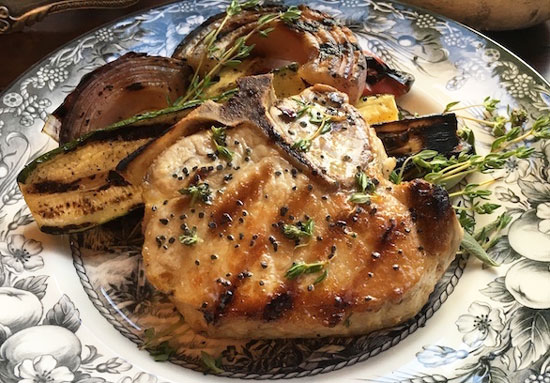
Ingredients
- 2 cups applesauce
- 1/3 cup brown sugar
- 2 tablespoons soy sauce
- 1 garlic clove, minced
- 1/4 teaspoon ground ginger
- 6 pork loin chops
- 2 tablespoons butter
Directions
- In a medium bowl, stir together the applesauce, brown sugar, soy sauce, garlic, and ginger until well combined.
- With adult supervision, melt the butter in a large skillet over medium-high heat.
- Brown both sides of the pork chops for 2-3 minutes. This step adds extra flavor but can be skipped if you're short on time.
- Place the pork chops into the slow cooker.
- Pour the applesauce mixture evenly over the pork chops.
- Cover and cook on Low for about 6 hours, or until the pork is tender and reaches an internal temperature of 145F.
Oven Option: Place the browned pork chops in a baking dish, pour the sauce over the top, cover with foil, and bake at 350F for about 30-40 minutes, or until the pork reaches 145F.
Kid Chef Tips
- Measure all of the sauce ingredients before you begin cooking to make mixing quick and easy.
- Browning the pork chops first adds color and extra flavor, but the recipe will still work if you skip this step.
- Use a meat thermometer to make sure pork reaches a safe internal temperature of 145F, then let it rest for 3 minutes before serving.
- This sauce is also delicious spooned over mashed potatoes, rice, or stuffing.
Try These Variations
- Add sliced onions or apple slices to the slow cooker before cooking.
- Stir in 1 teaspoon Dijon mustard for a tangy flavor.
- Use cinnamon applesauce for a slightly sweeter fall-inspired meal.
- Replace the ginger with a pinch of cinnamon for a different flavor profile.
- Serve with roasted sweet potatoes, green beans, or steamed carrots for a complete dinner.
Italian Chicken Strips
Italian dressing makes a quick and flavorful marinade because it's already packed with herbs, spices, vinegar, and oil. This easy recipe teaches kids how a simple bottled dressing can transform plain chicken into a delicious meal.
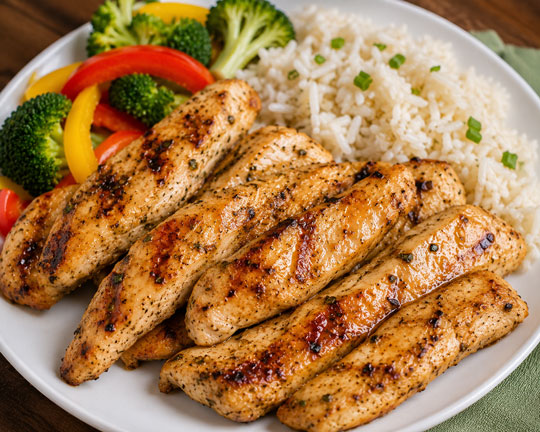
Ingredients
- 1 pound boneless, skinless chicken breasts, cut into strips
- 1/2 cup Italian dressing
- 1 1/2 teaspoons honey
- 1 teaspoon fresh lime juice
Directions
- In a large zip-top bag or shallow dish, combine the Italian dressing, honey, and lime juice.
- Add the chicken strips and turn to coat evenly.
- Seal the bag and refrigerate for about 1 hour to allow the flavors to soak into the chicken.
- Remove the chicken from the marinade and discard the used marinade.
- Cook the chicken by baking, grilling, air frying, or sauteing until it reaches a safe internal temperature of 165F.
- Serve with rice, roasted vegetables, salad, or slice the chicken for wraps, sandwiches, or lunch boxes.
Kid Chef Tips
- Marinating for 30-60 minutes gives the chicken great flavor without needing a long wait.
- Always marinate chicken in the refrigerator, never on the counter.
- Discard any marinade that has touched raw chicken. If you want extra sauce, make a fresh batch.
- Use a meat thermometer to check that the chicken has reached 165F.
Try These Variations
- Add 1 teaspoon of Italian seasoning for even more herb flavor.
- Sprinkle with grated Parmesan cheese just before serving.
- Use the marinade with pork chops, shrimp, or vegetables.
- Thread the chicken onto skewers with bell peppers, onions, and zucchini for colorful kabobs.
- Slice leftovers for Caesar salads, pasta dishes, or homemade pizza.
Challenge Yourself
Look through your refrigerator and pantry for other condiments you could cook with. Honey mustard, teriyaki sauce, pesto, buffalo sauce, ranch dressing, and sweet chili sauce can all become delicious ingredients in homemade meals.
Grow Your Own Herbs
Growing your own herbs is one of the easiest and most rewarding ways to improve your cooking. Fresh herbs are full of flavor, smell wonderful, and can be snipped right from the garden or a sunny windowsill whenever you need them.
Many herbs are inexpensive to grow and don't require much space. A few small pots on a patio, balcony, or kitchen windowsill can provide fresh seasonings for months.
Gardening Tip
Harvest herbs often by snipping a few leaves at a time. Regular harvesting encourages many herbs to grow fuller and produce even more fresh leaves throughout the season.
Explore Herbs and Spices Around the World
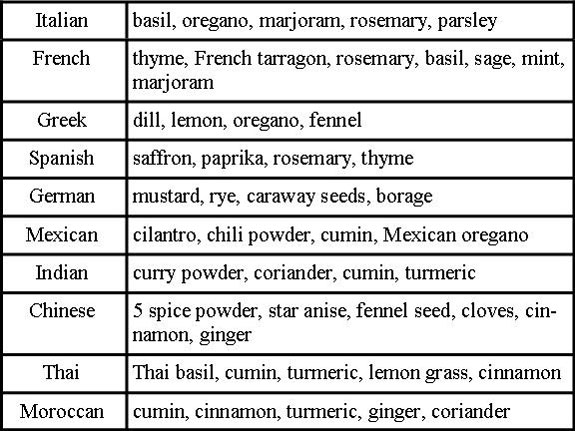
Different countries use unique combinations of herbs and spices to create their traditional recipes. Italian cooking often features basil and oregano, Mexican recipes commonly include cumin and chili powder, while many Asian dishes use ginger, garlic, and soy sauce.
Exploring international recipes is a fun way to discover new flavors and learn how cultures around the world season their food.
Common Herbs and Spices Around the World
Take the Next Step
Once you've grown your own herbs, use them in everyday meals and then explore recipes from around the world that feature fresh herbs and spices.
Continue Your Flavor Journey
Now that you've learned the basics of seasoning, continue exploring with these helpful resources and cooking lessons.
Recipes That Teach Seasoning Skills
The best way to learn how herbs and spices work is by cooking! Try these recipes to practice seasoning soups, sauces, meats, and marinades while discovering how different herbs and spices build delicious flavor.
 Vegetable Soup
Practice tasting before and after adding herbs and spices to discover how seasonings change the flavor of soup.

 Homemade Spaghetti Sauce
Practice seasoning with basil, oregano, parsley, garlic, and Italian seasoning while making sauce from scratch.
 Homemade Chicken Soup
Learn how herbs, vegetables, and a bay leaf work together to build rich homemade flavor.
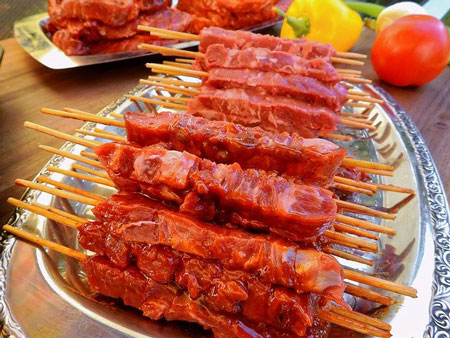 Marinated Beef Kabobs
Practice mixing a flavorful marinade and discover how soaking meat adds tenderness and flavor.
Chicken SatayMake a simple citrus-soy marinade and creamy peanut sauce while learning how marinades work.
Applesauce Pork ChopsSee how everyday condiments like applesauce become delicious cooking sauces.
 White Pepper Gravy
Practice seasoning with black pepper, white pepper, and salt while learning how spices flavor a simple homemade gravy.
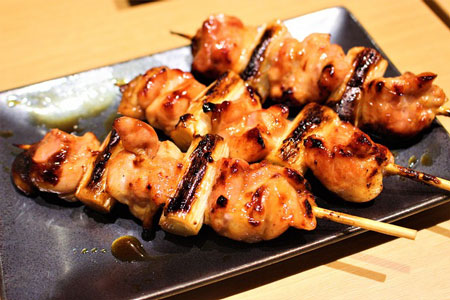 Teriyaki Chicken
Discover how garlic, ginger, soy sauce, and brown sugar combine to create a sweet and savory Asian-inspired sauce.
Italian Chicken StripsLearn how herbs, garlic, and Italian dressing work together to create an easy marinade for juicy chicken.
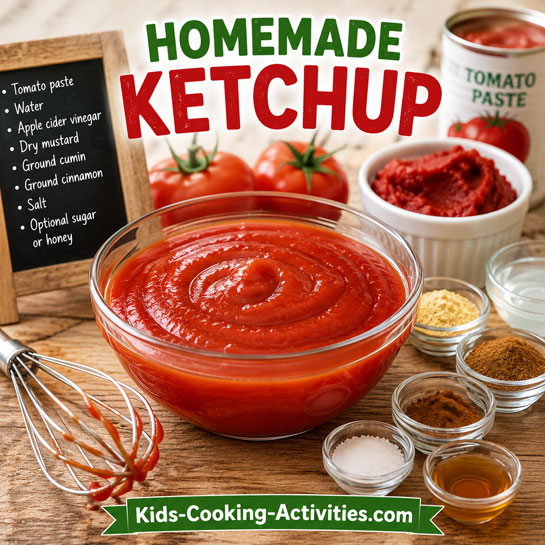 Homemade Ketchup
Experiment with vinegar, mustard, cinnamon, and spices to see how everyday seasonings create a flavorful condiment.
Related Basic Cooking Lessons
Herbs and spices connect naturally with many other beginner cooking skills. Use these lessons to build confidence with measuring, reading recipes, food safety, and basic kitchen techniques.
 Kids Cooking Lessons
Follow age-appropriate cooking lessons that teach measuring, mixing, baking, kitchen safety, and other essential cooking skills.
 Basic Cooking Lessons
Build confidence in the kitchen by learning measuring, mixing, kitchen safety, reading recipes, and other essential cooking skills.
 Kitchen Skills for Kids
Practice measuring, mixing, pouring, reading recipes, and basic kitchen confidence.
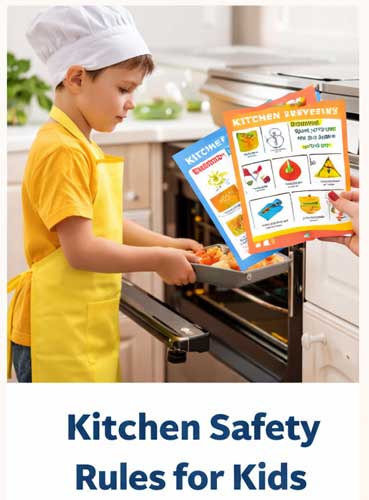
 Reading Recipes
Learn how to follow ingredients, directions, cooking terms, and recipe steps.
 Measuring Ingredients
Practice measuring dry ingredients, liquids, herbs, spices, and seasonings accurately.
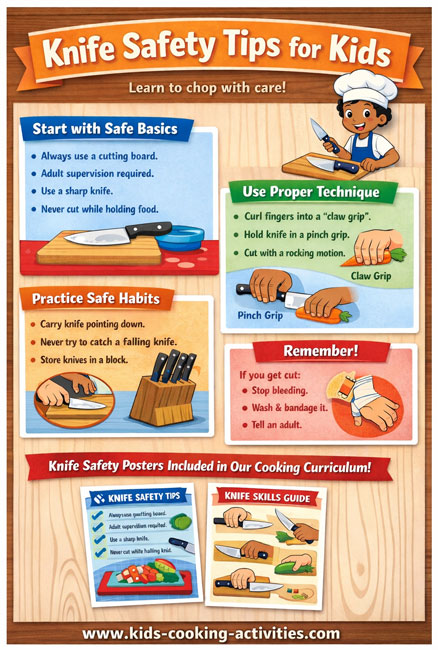 Knife Skills for Kids
Learn safe cutting skills for herbs, onions, carrots, potatoes, and soup vegetables.

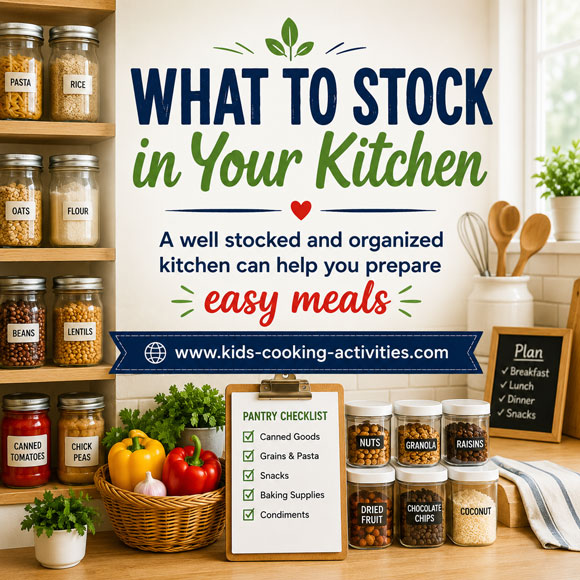 What to Stock in Your Kitchen
Build a practical pantry, refrigerator, and freezer with ingredients your family will actually use.
 Homemade Sauce Recipes
Prepare tomato sauces, dressings, marinades, condiments, cream sauces, and syrups from scratch.
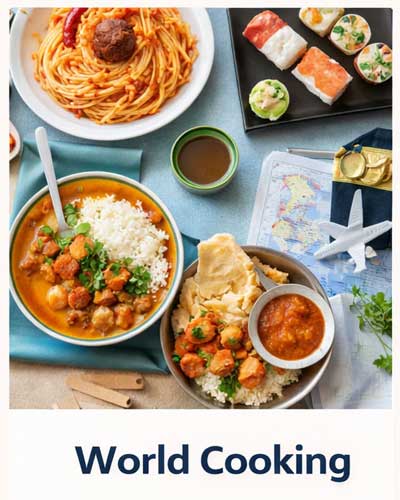 International Cooking Lessons
Explore how herbs, spices, sauces, and seasonings are used around the world.
Frequently Asked Questions About Cooking with Herbs and Spices
What's the difference between herbs and spices?
Although both add flavor to food, herbs and spices come from different parts of plants. Herbs are the leafy portions of plants, such as basil, parsley, oregano, thyme, and chives. Spices come from seeds, bark, roots, berries, or pods, including cinnamon, ginger, cumin, paprika, and black pepper.
Which herbs should beginner cooks learn to use first?
Start with versatile herbs like basil, oregano, parsley, thyme, dill, chives, and bay leaves. These herbs are easy to find, simple to use, and appear in many soups, sauces, pasta dishes, vegetables, and chicken recipes.
What spices should every beginner kitchen have?
A good starter collection includes salt, black pepper, garlic powder, paprika, cinnamon, cumin, ginger, and chili powder. As you gain confidence, you can add more herbs and spices to experiment with new flavors.
Can I substitute fresh herbs for dried herbs?
Yes. Fresh herbs contain more moisture and have a milder flavor than dried herbs. A simple rule is to use about three times as much fresh herb as dried. For example, use 1 tablespoon of fresh basil instead of 1 teaspoon of dried basil.
When should herbs and spices be added while cooking?
Dried herbs and spices are usually added early in the cooking process so they have time to flavor the entire dish. Fresh herbs are often stirred in during the last few minutes of cooking or sprinkled on top just before serving to preserve their fresh taste and color.
How do I know if my food needs more seasoning?
Taste your food whenever it is safe to do so. If it tastes bland, add a small amount of seasoning, stir well, and taste again. It's always easier to add a little more seasoning than to fix a dish that has been over-seasoned.
What is a dry rub?
A dry rub is a mixture of herbs, spices, salt, and other seasonings that is rubbed directly onto meat or vegetables before cooking. As the food cooks, the seasonings form a flavorful coating that enhances both taste and aroma.
What is a marinade?
A marinade is a seasoned liquid that food soaks in before cooking. Most marinades contain oil, an acidic ingredient such as citrus juice or vinegar, herbs, spices, and sometimes a sweetener like honey or brown sugar. Marinating adds flavor and can help keep meats tender and juicy.
Submit your favorite kids recipe
Do you have a favorite recipe your kids love to make? Or a recipe your kids ask you to make again and again? Share it with us!
Continue Learning
Ready for your next cooking lesson? Continue building your kitchen skills with these beginner-friendly lessons and activities.
Get Free Kids Recipe Cards + Cooking Printables
Join Kids Cooking Activities for fun recipes, cooking ideas, and printable resources for kids, families, and classrooms.
Follow Kids Cooking Activities too:





© Debbie Madson, Madson Web Publishing, LLC — All rights reserved.
The material on this site is for educational purposes only.