

- Home ›
- Basic Cooking Lessons ›
- How to Make Soup
How to Make Soup: Homemade Stocks, Broths & Beginner Soup Recipes
Learning how to make soup is one of the best ways to build confidence in the kitchen. Soup teaches many of the same kitchen skills used in everyday meals, including chopping vegetables, measuring ingredients, sautéing, seasoning, simmering, and tasting as you cook. Once you understand the basic steps, you can create hundreds of different soups using fresh ingredients, leftovers, or pantry staples.
This lesson is part of our Basic Cooking Lessons series. It explains how to make homemade stocks and broths, the difference between cream and broth-based soups, ways to thicken soup naturally, and how to build great flavor from simple ingredients. This lesson is also the starting point for our complete Soup Recipe Collection.

Start Here: Learn Soup Step by Step
- New to cooking? Learn the difference between stock, broth, and soup.
- Build your foundation. Practice making homemade stock before making soup.
- Try different styles. Learn about broth-based soups, cream soups, and hearty soups and stews.
- Improve your recipes. Discover easy ways to thicken soup and season it for the best flavor.
- Keep learning. Explore the complete collection of homemade soup recipes throughout the site.
Kids Cooking Activities Teaching Materials
Teaching kids to cook? Save time with ready-made lesson plans used by parents and teachers. Browse teaching materials →


This page may contain affiliate links. We may earn a small commission at no extra cost to you. Learn more.
What Makes a Good Soup?
A delicious homemade soup starts with a flavorful base and layers of ingredients that cook together slowly. While every recipe is different, most soups include the same basic building blocks.
| Soup Component | Purpose |
|---|---|
| Stock or broth | Creates the flavorful liquid base. |
| Vegetables | Add color, nutrition, and natural sweetness. |
| Protein | Chicken, beans, beef, turkey, lentils, or seafood make soup filling. |
| Starches | Rice, potatoes, pasta, barley, or beans add texture and make soup more satisfying. |
| Seasonings | Herbs, spices, garlic, onions, and a little salt and pepper build flavor. |
Many soups become even better after sitting overnight because the flavors have more time to blend together.
Soup Skills You'll Practice
Making homemade soup is one of the best ways to practice several important cooking skills at the same time. As you prepare different soup recipes, you'll become more confident using common kitchen techniques.
- Knife skills: Safely chop onions, carrots, celery, potatoes, and other vegetables into even-sized pieces.
- Measuring ingredients: Measure liquids, herbs, spices, grains, and seasonings accurately for consistent results.
- Sautéing: Cook onions, garlic, carrots, and celery to build the flavor base for many soups.
- Simmering: Learn the difference between a gentle simmer and a rolling boil so ingredients cook evenly.
- Seasoning: Practice adding herbs, spices, salt, and pepper a little at a time while tasting as you cook.
- Tasting and adjusting: Learn how small changes can improve the flavor before serving.
- Kitchen safety: Safely work around hot pots, steam, boiling liquids, and sharp knives.
Stock vs. Broth vs. Soup
Stock, broth, and soup are closely related, but they are not exactly the same. Understanding the difference makes it easier to choose the right base for a recipe and helps beginner cooks understand how soup is built.
| Type | How It Is Made | How It Is Used |
|---|---|---|
| Stock | Usually simmered with bones, vegetables, herbs, and water for several hours. | Used as a flavorful base for soups, sauces, gravies, rice, and other recipes. |
| Broth | Usually made by simmering meat, vegetables, herbs, and water. It may be seasoned and ready to serve. | Used as a flavorful base for soups, homemade sauces, gravies, rice, and other recipes. |
| Soup | Made by combining stock or broth with vegetables, meat, beans, grains, pasta, seasonings, or dairy ingredients. | Served as a finished appetizer, lunch, or main dish. |
Is It Okay to Use Store-Bought Broth?
Yes. Homemade stock is a useful cooking skill, but store-bought broth works well when you need a faster meal. Choose a low-sodium broth when possible so you can control how much salt is added to the finished soup.
Stock often has a richer texture because bones release natural gelatin as they simmer. Broth is usually lighter and may already include salt and seasonings. In many everyday recipes, the words stock and broth are used interchangeably, and either one can make a delicious soup.
How to Make Homemade Stock
Homemade stock is made by slowly simmering bones, vegetables, herbs, and water. It creates a flavorful base for soups, sauces, casseroles, and many other recipes. The long, gentle cooking time draws flavor from the ingredients and creates a useful base for soups, sauces, casseroles, rice, and other meals.
You do not need expensive ingredients to make stock. It is often made with leftover bones, vegetable trimmings, herb stems, and other ingredients that might otherwise be thrown away.
Basic Steps for Making Stock
- Add the ingredients to a large pot. Place the bones, vegetables, herbs, and seasonings in a stockpot or large soup pan.
- Cover with cold water. Add enough water to cover the ingredients by about one or two inches.
- Bring the water to a gentle boil. Watch the pot carefully and reduce the heat as soon as the water begins to boil.
- Simmer slowly. Keep the stock at a gentle simmer. A rapid boil can make the stock cloudy and may break the ingredients apart.
- Skim the surface. Use a spoon to remove foam or excess fat that rises to the top.
- Strain the stock. Pour the stock through a fine strainer into a clean bowl or pot. Discard the cooked bones and vegetables.
- Cool safely. Divide the stock into shallow containers so it cools quickly before refrigerating or freezing.
Save Vegetable Scraps for Stock
Keep a freezer container or bag for clean vegetable scraps. Fresh herb stems work well too. When the container is full, use the scraps to make vegetable, chicken, turkey, or beef stock.
- Carrot peels and ends
- Celery leaves and ends
- Onion ends and outer layers
- Green onion tops
- Mushroom stems
- Parsley and other herb stems
Avoid using spoiled vegetables. Strong vegetables such as broccoli, cabbage, Brussels sprouts, and turnips can make stock bitter when simmered for a long time.
Kid Chef Safety
Stockpots become very hot and heavy. Children can help wash vegetables, measure ingredients, add cooled ingredients to the pot, and label freezer containers. An adult should move the hot pot, strain the stock, and pour hot liquid.
How Long Should Stock Simmer?
| Type of Stock | Suggested Simmering Time |
|---|---|
| Vegetable stock | 30 to 60 minutes |
| Chicken or turkey stock | 2 to 4 hours |
| Beef stock | 4 to 6 hours |
Longer is not always better. Vegetable stock can become bitter or muddy-tasting if it cooks for several hours. Meat and bone stocks usually benefit from a longer simmer because they need more time to develop flavor.
Homemade Stock Recipes
Choose the stock that best matches your recipe. While each stock uses different ingredients, they all follow the same basic simmering method.
Make a large batch when you have time and freeze it in small containers. Homemade stock is useful for soups, stews, sauces, gravies, rice dishes, and casseroles.
Homemade Chicken Stock
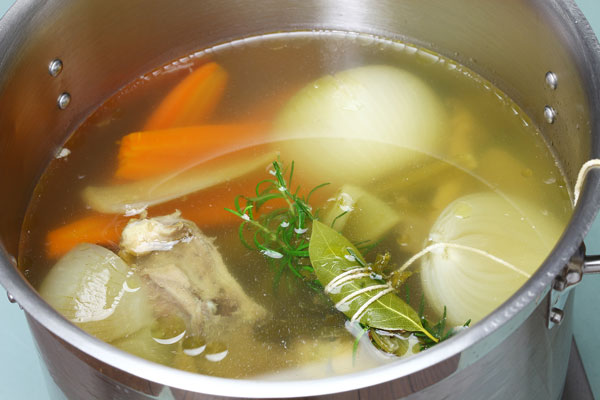
Best for: Chicken noodle soup, vegetable soup, rice, casseroles, sauces, and gravy.
Ingredients
- 1 whole chicken carcass or about 4 pounds chicken bones
- 2 onions, quartered
- 2 carrots, chopped
- 2 celery stalks, cut into pieces
- 2 garlic cloves
- 2 bay leaves
- Fresh parsley, basil, or oregano
- Cold water to cover
Directions
- Place all ingredients into a large stockpot.
- Add enough cold water to cover everything by 1 to 2 inches.
- Bring to a gentle boil, then immediately reduce to a slow simmer.
- Skim any foam that rises to the top.
- Simmer for 2 to 4 hours.
- Strain through a fine mesh strainer and discard the solids.
- Cool completely before refrigerating or freezing.
Homemade Vegetable Stock
Vegetable stock is one of the easiest stocks to make and is perfect for vegetarian soups, sauces, rice dishes, and casseroles.
Good Vegetables to Use
- Onions or green onions
- Garlic
- Carrots
- Celery
- Mushrooms
- Corn cobs or kernels
- Green beans
- Sweet potatoes
- Potatoes
- Squash or pumpkin
- Bell peppers
- Asparagus
- Fresh parsley, thyme, basil, or oregano
Directions
- Roughly chop the vegetables into large pieces.
- Place them into a large stockpot and cover with water.
- Bring to a boil, then reduce to a gentle simmer.
- Cook for 30 to 60 minutes.
- Strain and cool before storing.
Best Flavor Tip
Use a variety of vegetables instead of just one or two. A mixture of onions, carrots, celery, garlic, herbs, and mushrooms creates a richer, more balanced stock.
Homemade Turkey Stock
Turkey stock is a wonderful way to use leftover Thanksgiving or holiday turkey bones. It freezes well and makes delicious soups throughout the winter.
Ingredients
- Leftover turkey carcass and bones
- 2 onions, quartered
- 2 carrots, chopped
- 2 celery stalks
- 2 bay leaves
- Fresh parsley or thyme
- Cold water to cover
Directions
- Add all ingredients to a large pot.
- Cover with water.
- Bring to a boil and reduce to a gentle simmer.
- Cook for 2 to 4 hours, skimming foam as needed.
- Strain and cool before refrigerating or freezing.
Homemade Beef Stock
Beef stock has a rich, deep flavor that works well in hearty soups, stews, gravies, and brown sauces.
Ingredients
- 4 pounds beef soup bones
- 2 onions, quartered
- 2 carrots, chopped
- 2 celery stalks
- 2 tomatoes, quartered
- 2 garlic cloves
- 2 bay leaves
- Fresh parsley or oregano
- Cold water to cover
Directions
- For a darker, richer stock, roast the bones at 425°F for about 30 minutes before making the stock.
- Place the roasted bones and vegetables into a large stockpot.
- Cover with cold water.
- Bring to a gentle boil, then reduce to a slow simmer.
- Cook for 4 to 6 hours, skimming the surface occasionally.
- Strain the finished stock and cool completely before storing.
Freeze Homemade Stock in Small Portions
Freeze stock in 1-cup or 2-cup containers so you can thaw only what you need for a recipe. Ice cube trays also work well for freezing small portions that can be added to gravies, sauces, rice, or quick soups.
Building Flavor for Great Soup
Professional cooks don't simply put everything into a pot at once. Instead, they develop layers of flavor as the soup cooks.
Whether you're making chicken noodle soup, vegetable soup, chili, chowder, or a creamy potato soup, these same techniques will help every recipe taste better.
| Step | Why It Matters |
|---|---|
| Start with onions and garlic | Cooking aromatic vegetables first creates the flavor foundation. |
| Add vegetables in stages | Hard vegetables need longer cooking than softer vegetables. |
| Use herbs and spices | Seasonings add depth and help create the soup's unique flavor. |
| Simmer gently | A slow simmer blends flavors without overcooking the ingredients. |
| Taste before serving | Adjust salt, pepper, herbs, or a splash of acid if needed. |
Start with Aromatic Vegetables
Many soups begin by gently cooking onions, celery, carrots, and garlic in a small amount of butter or oil. These vegetables are called aromatics because they add wonderful flavor and aroma to the finished soup.
Cook them over medium heat until they become soft and slightly translucent. They should become tender without turning dark brown.
The Classic Soup Base
Many homemade soups begin with this simple combination:
- Onions
- Carrots
- Celery
- Garlic (optional)
This combination works well in chicken soup, vegetable soup, beef soup, turkey soup, and many hearty stews.
Before chopping your vegetables, review our knife skills lesson for safe cutting techniques.
Add Ingredients in the Right Order
Different ingredients cook at different speeds. If everything is added at once, some vegetables may become mushy while others are still undercooked.
| Add First | Add Next | Add Last |
|---|---|---|
| Onions, carrots, celery, potatoes, dried beans | Chicken, beef, rice, barley, pasta | Peas, spinach, fresh herbs, cream, cheese |
Adding delicate ingredients near the end of cooking helps them keep their color, texture, and fresh flavor.
Season a Little at a Time
Seasoning is easier when you add small amounts throughout cooking instead of adding everything at the beginning.
- Add dried herbs early so they have time to soften and release their flavor.
- Add fresh herbs during the last few minutes of cooking.
- Taste before adding extra salt since many broths already contain sodium.
- Black pepper is usually best added near the end for the freshest flavor.
Brighten the Flavor
If a finished soup tastes flat, try adding one small ingredient instead of extra salt.
- A squeeze of lemon juice
- A splash of vinegar
- Fresh parsley
- Fresh basil
- Grated Parmesan cheese
These finishing touches often make homemade soup taste fresher and more flavorful.
Kid Chef Tip
Professional cooks taste their soup several times while it simmers. Taste with a clean spoon, think about what the soup needs, then make small adjustments. It's much easier to add a little seasoning than to fix a soup that has been over-seasoned.
How to Thicken Soup
Some soups are meant to be light and brothy, while others are creamy and thick. Fortunately, there are several easy ways to thicken soup depending on the style you're making.
Choose the method that best matches your recipe. Some methods add richness, while others simply make the soup slightly thicker without changing the flavor very much. Not every soup should be thick. Broth soups are meant to stay light, while chowders and cream soups are naturally thicker.
| Method | Best For | How It Works |
|---|---|---|
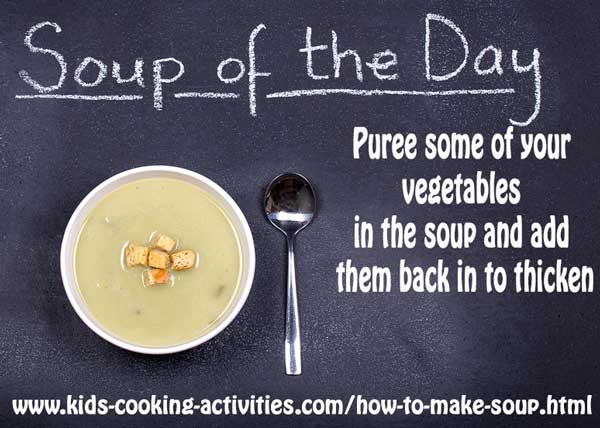
| Puree Vegetables | Vegetable soups | Blend part of the cooked vegetables and stir them back into the soup for a naturally creamy texture. |
| Cornstarch Slurry | Broth-based soups | Mix 1 tablespoon cornstarch with 2 tablespoons cold water before stirring it into simmering soup. |
| Flour Roux | Cream soups and chowders | Cook equal amounts of butter and flour together before slowly whisking in liquid. |
| Milk or Cream | Cream soups | Add during the last few minutes of cooking for a rich, smooth finish. |
| Mashed Potatoes | Potato and vegetable soups | Mash some of the cooked potatoes directly in the pot to naturally thicken the soup. |
Easy Thickening Trick
One of the healthiest ways to thicken soup is to blend some of the cooked vegetables instead of adding flour or extra cream. This creates a creamy texture while keeping the soup full of vegetables.
How to Make Cream Soups
Cream soups begin much like broth soups, but part or all of the soup is blended until smooth. Milk, evaporated milk, half-and-half, or heavy cream is then added to create a rich, creamy texture.
Three Easy Ways to Make Cream Soup
| Method | Result |
|---|---|
| Blend the entire soup | Perfectly smooth cream soup. |
| Blend only half | Creamy soup with small vegetable pieces. |
| Mash vegetables | Rustic soup with a thicker texture. |
Using a Blender Safely
- Never fill a blender completely with hot soup.
- Blend in small batches.
- Leave the lid slightly vented and cover it with a clean kitchen towel.
- An immersion blender lets you puree soup safely right in the pot.
Great Vegetables for Cream Soups
Almost any cooked vegetable can become a delicious cream soup. These vegetables are especially popular because they blend into a smooth, naturally creamy texture.
Cream of Cauliflower Soup
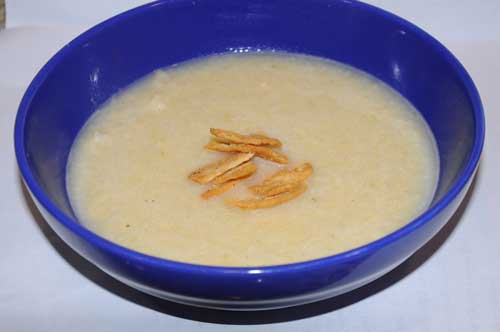
This simple vegetable soup is an excellent recipe for practicing homemade cream soups. The potatoes help create a smooth texture while the cauliflower gives the soup a mild, comforting flavor.


Ingredients
- 2 tablespoons olive oil
- 2 onions, chopped
- 3 garlic cloves, minced
- 4 celery stalks, chopped
- 2 bay leaves
- 1½ pounds potatoes, cubed
- 2 heads cauliflower, cut into florets
- 15 cups vegetable broth
- Salt and pepper to taste
- Milk, evaporated milk, or heavy cream (optional)
Directions
- Heat the olive oil in a large soup pot.
- Cook the onions, garlic, and celery for about 5 minutes.
- Add the potatoes, bay leaves, salt, and pepper.
- Pour in the vegetable broth and simmer for 15 minutes.
- Add the cauliflower and continue cooking until all vegetables are tender.
- Remove the bay leaves.
- Blend all or part of the soup until it reaches your preferred consistency.
- Stir in a little milk or cream if you'd like an even richer soup.
Kid Chef Tip
If your family likes chunky soup, blend only half of the soup and stir it back into the pot. You'll get a creamy texture while still keeping pieces of cauliflower and potatoes.
Once you've learned how to make cream soups, you'll be able to create dozens of variations simply by changing the vegetables, herbs, or seasonings.
How to Make Broth-Based Soups
Broth-based soups are some of the easiest soups to make because they start with a flavorful stock or broth and build from there. These soups are usually lighter than cream soups while still being filling and nutritious.
Chicken noodle soup, vegetable soup, minestrone, egg drop soup, and many international soups all begin with a well-seasoned broth.
| Ingredient | Purpose |
|---|---|
| Stock or broth | Provides the main flavor. |
| Vegetables | Add nutrition, color, and texture. |
| Protein | Chicken, turkey, beef, beans, lentils, seafood, or tofu make the soup more filling. |
| Grains or pasta | Whole grains, rice, barley, noodles, couscous, and pasta help turn soup into a complete meal. |
| Fresh herbs | Added near the end for bright, fresh flavor. |
Basic Steps for Making Broth Soup
- Sauté onions, celery, carrots, and garlic until softened.
- Add homemade stock or broth.
- Add vegetables that need the longest cooking time.
- Add meat, beans, rice, barley, or potatoes.
- Stir in quick-cooking vegetables, pasta, or leafy greens near the end.
- Taste and adjust the seasonings before serving.
Don't Overcook Pasta
If you're planning leftovers, cook the pasta separately and add it to each bowl before serving. Pasta continues absorbing broth while it sits, which can make leftover soup thick and mushy.
Practice with These Broth-Based Soups
Couscous and Chickpea Soup
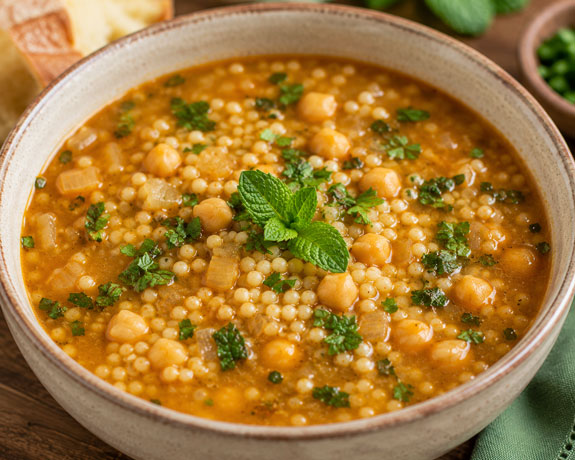
This quick vegetarian soup is full of flavor and comes together in about 30 minutes. It's an excellent recipe for practicing broth-based soup techniques.
Ingredients
- 2 tablespoons olive oil
- 1 onion, chopped
- 2 garlic cloves, minced
- 1 teaspoon ground coriander
- ½ teaspoon ground cumin
- ½ teaspoon chili powder
- Dash cayenne pepper (optional)
- Salt and pepper to taste
- 5 cups vegetable broth
- ⅓ cup uncooked couscous
- ½ cup cooked chickpeas
- 1 tablespoon chopped fresh mint
- 1 tablespoon chopped parsley (optional)
Directions
- Heat the olive oil in a soup pot over medium heat.
- Cook the onion until softened, then stir in the garlic.
- Add the coriander, cumin, chili powder, and cayenne. Cook for about one minute.
- Pour in the vegetable broth and add the chickpeas.
- Bring to a gentle simmer.
- Stir in the couscous and cook for 5 minutes.
- Remove from the heat and let stand for another 5 minutes while the couscous finishes cooking.
- Stir in the fresh mint and parsley before serving.
How to Make Hearty Soups & Stews
Hearty soups contain larger pieces of meat, vegetables, beans, or potatoes and are filling enough to serve as a complete meal. Stews are similar but contain less liquid and are usually thicker than traditional soups.
These recipes are perfect for cold weather, meal planning, and using leftover meat and vegetables.
| Type | Characteristics |
|---|---|
| Soup | More broth with smaller pieces of vegetables and meat. |
| Stew | Thicker with larger chunks of meat and vegetables. |
| Chowder | Creamy and thick, often made with potatoes and corn. |
| Chili | Rich tomato or chili base with meat and beans. |
Perfect for Leftovers
Hearty soups are one of the easiest ways to reduce food waste. Leftover chicken, turkey, roast beef, ham, vegetables, cooked grains, potatoes, and beans can often be transformed into a brand-new meal with the addition of homemade stock. See more leftover recipe ideas.
Try These Hearty Soup Recipes
Soup Often Tastes Better the Next Day
Many hearty soups and stews develop even more flavor after they have cooled and been refrigerated overnight. As the ingredients rest together, the seasonings blend and deepen, making leftovers a family favorite.
Soup Types at a Glance
Not all soups are prepared the same way. Some are light and brothy, while others are rich, creamy, or packed with hearty ingredients. This quick guide can help you choose the type of soup you'd like to make.
| Soup Type | Texture | Try These Recipes |
|---|---|---|
| Broth Soup | Light and flavorful | Chicken Noodle Soup |
| Cream Soup | Smooth and creamy | Creamy Potato Soup |
| Chowder | Thick and hearty | Corn Chowder |
| Stew | Chunky with larger pieces of meat and vegetables | Beef Stew |
| Chili | Very hearty with meat, beans, and bold seasonings | White Chicken Chili |
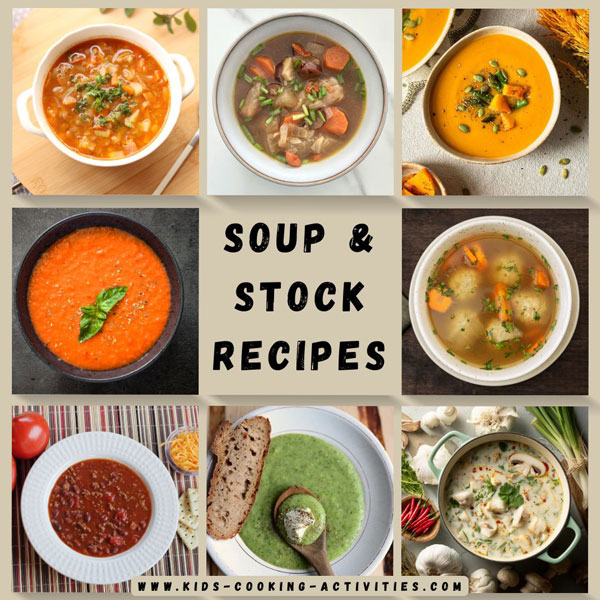
Soup Recipe Collections
Now that you've learned the basic techniques for making soup, it's time to put your new skills into practice. Browse by category to discover new family favorites.
More Cooking Lessons That Build Soup Skills
Soup making combines many basic kitchen techniques. These lessons will help you continue developing the skills you practiced throughout this page.
Keep Practicing!
Every soup you make helps improve your cooking skills. As you become more comfortable with chopping vegetables, seasoning, simmering, and tasting, you'll find it easy to create your own homemade soup recipes using whatever ingredients you have on hand.
Complete Cooking Lesson Plans
Need a ready-to-use teaching plan? The cooking curriculum includes structured lessons, recipes, skill practice, and materials for teaching children and teens step by step.
Related Soup Recipes & Cooking Lessons
Continue building your cooking skills with these beginner-friendly lessons, recipes, and kitchen techniques. Each page expands on one of the skills you've practiced while learning how to make soup.

Chicken Soup Recipes
Practice making classic broth-based soups with chicken, vegetables, noodles, and homemade stock.
Tomato Soup Recipes
Learn several ways to prepare homemade tomato soup, from creamy favorites to fresh garden recipes.

Bean Soup Recipes
Hearty bean soups are packed with protein and are perfect for practicing homemade stock and seasoning.

Minestrone Soup
Build a complete vegetable soup with beans, pasta, herbs, and homemade broth.

Homemade Sauces
Many of the same techniques used for soups also create delicious gravies, cream sauces, and tomato sauces.

Cooking with Herbs & Spices
Learn how herbs and spices create layers of flavor in homemade soups and stews.
Slow Cooker Soups
Make soups, chowders, chili, and stews with simple slow cooker recipes.

Basic Cooking Lessons
Continue learning kitchen skills with lessons on vegetables, grains, sauces, beans, and more.
Frequently Asked Questions
Stock is usually made by simmering bones, vegetables, herbs, and water for several hours to create a rich cooking base. Broth is often made with meat and vegetables and may already be seasoned. Either can be used to make delicious homemade soups.
Yes. Let the stock cool completely, then store it in airtight freezer containers or freezer bags. Freeze in 1- or 2-cup portions so it's easy to thaw only what you need for future recipes.
Continue simmering the soup to reduce excess liquid, or thicken it by blending cooked vegetables, adding a flour roux, stirring in a cornstarch slurry, or mashing some of the potatoes directly into the soup.
Add pasta or rice near the end of cooking according to the package directions. For leftovers, many cooks prepare pasta separately and add it to each serving so it doesn't absorb all of the broth.
Absolutely! Homemade soup is one of the best ways to use leftover vegetables, cooked meat, rice, beans, potatoes, and even fresh herbs before they spoil.
Most homemade soups can be refrigerated in a covered container for 3 to 4 days. Many soups also freeze well for several months, making them perfect for meal planning.
Chicken noodle soup, vegetable soup, tomato soup, and potato soup are excellent beginner recipes because they use simple ingredients and teach basic cooking techniques you'll use in many other recipes.
Yes. Children can wash vegetables, measure ingredients, stir, season, and taste as the soup cooks. Adults should supervise knife skills, hot stovetops, boiling liquids, and blending hot soups.
Submit your favorite kids recipe
Do you have a favorite recipe your kids love to make? Or a recipe your kids ask you to make again and again? Share it with us!
Reader's Submitted Recipes
Click below to see contributions from other visitors to this page...
Sea Weed Soup - Chicorina Soup
Sea Weed Soup (Italian Chicorina Soup) This hearty Italian-style soup earned the nickname "Sea Weed Soup" from my grandchildren because the spinach …
Thai Peanut Sauce Ramen Soup
Thai Peanut Ramen Soup This quick Thai-inspired ramen soup combines fresh cilantro, roasted peanuts, and ramen noodles into a creamy peanut sauce that's …
Continue Your Cooking Journey
Ready for your next cooking lesson? Continue learning sauces, herbs and spices, grains, beans, and more basic cooking skills, or explore even more homemade soup recipes. As you continue practicing, you'll discover how the same techniques—building flavor, seasoning, simmering, and tasting—can be used to prepare hundreds of other recipes.
Basic Cooking Lessons Stock and soups 5 mother sauces Yeast and baking breads Herbs and spices Vegetables Dry beans Grains Eggs Different cooking methods Growing an herb garden How to Cook Q&A
Get Free Kids Recipe Cards + Cooking Printables
Join Kids Cooking Activities for fun recipes, cooking ideas, and printable resources for kids, families, and classrooms.
Follow Kids Cooking Activities too:





© Debbie Madson, Madson Web Publishing, LLC — All rights reserved.
The material on this site is for educational purposes only.