

- Home ›
- Baking with Kids ›
- Easy Bread Recipes ›
- How to Make Homemade Bread
How to Make Homemade Bread with Kids
Teach children how to make homemade bread from start to finish with this step-by-step bread lesson. Kids will learn how yeast works, how to mix and knead dough, how to let bread rise, and how to shape dough into loaves, rolls, monkey bread, bread bowls, fry bread, and family dinner ideas.
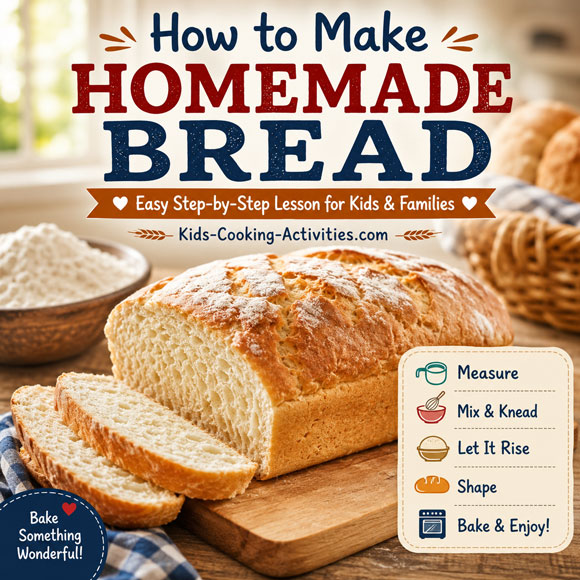
Learning how to make homemade bread may seem intimidating at first, but it becomes much easier when you break the process into simple steps. Children enjoy watching yeast bubble, feeling dough change under their hands, shaping rolls, and smelling fresh bread baking in the oven.
This lesson teaches the basic bread-making process so kids can understand how homemade dough works. Once they learn one simple dough, they can use it for sandwich bread, dinner rolls, cinnamon rolls, monkey bread, bread bowls, hamburger rolls, pizza-style meals, fry bread, and more.
Start Here: Homemade Bread Lesson
- New to yeast? → Begin with proofing yeast so kids can see how yeast wakes up and bubbles.
- Ready to mix dough? → Try the white bread dough recipe or wheat bread dough recipe.
- Practicing dough skills? → Learn how to knead dough, let it rise, and shape it into loaves or rolls.
- Want fun shapes? → Use dough to make cloverleaf rolls, fan tans, snail rolls, bow ties, pretzels, and croissants.
- Looking for kid-friendly bread projects? → Try monkey bread, hamburger rolls, or Indian fry bread tacos.
- Planning ahead? → Learn how to freeze bread dough for future meals.
Kids Cooking Activities Teaching Materials
Teaching kids to cook? Save time with ready-made lesson plans used by parents and teachers. Browse teaching materials →


This page may contain affiliate links. We may earn a small commission at no extra cost to you. Learn more.
On This Page
Step 1: Proofing Yeast
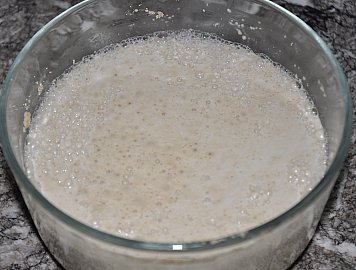
Yeast is what helps bread dough rise. When yeast is mixed with warm liquid and a little sugar, it begins to wake up and create bubbles. This is called proofing yeast, and it is a great first bread-making lesson for kids because they can actually see the yeast become foamy and active.
Some bread recipes allow you to mix yeast directly into the flour, but proofing the yeast first is helpful for beginners. It shows kids that the yeast is alive and working before you add it to the rest of the ingredients.
How to Proof Yeast
- Warm the water to about 105 F to 115 F. It should feel warm, not hot.
- Stir in about 1 teaspoon sugar. Sugar helps feed the yeast.
- Sprinkle the yeast over the warm water.
- Let it sit for about 5-10 minutes.
- Watch for foam, bubbles, or a creamy layer on top. That means the yeast is active.
Kid Observation
Ask kids what they notice before and after the yeast sits. Does it smell different? Does it bubble? Does it look foamy? This simple step turns bread baking into an easy kitchen science experiment.
Yeast Safety Tip
Water that is too hot can kill yeast, while water that is too cold may not activate it. Warm water should feel comfortable to the touch, similar to warm bath water.
Step 2: White Bread Dough Recipe
This simple white bread dough is an excellent first yeast bread recipe for kids. It can be baked into sandwich loaves, dinner rolls, breadsticks, hamburger buns, monkey bread, or many of the bread projects found later on this page.



Ingredients
- 2 tablespoons active dry yeast
- 1/4 cup warm water (105 -115 F)
- Pinch of sugar
- 1 1/2 cups warm milk
- 1/2 cup granulated sugar
- 1 teaspoon salt
- 2 eggs
- 1/3 cup shortening or canola oil
- 5 cups all-purpose flour
Directions
- In a measuring cup, combine the warm water, yeast, and a pinch of sugar. Set aside for 5-10 minutes until the mixture becomes foamy.
- Meanwhile, combine the warm milk, sugar, salt, eggs, and shortening in a large mixing bowl.
- Add about 2 cups of the flour and mix until smooth.
- Pour in the proofed yeast mixture.
- Gradually add the remaining flour until a soft dough forms.
- Turn the dough onto a lightly floured surface and knead for about 8-10 minutes until smooth and elastic.
- Place the dough into a lightly oiled bowl. Cover with a clean towel and let rise in a warm place for 30-60 minutes, or until doubled in size.
- Punch the dough down and shape it into two loaves, dinner rolls, or another bread project.
- Cover and let rise again for about 20-30 minutes.
- Bake at 350 F until lightly golden brown. Baking time varies depending on the shape and size of your bread.
How Should Bread Dough Feel?
Well-kneaded bread dough should feel soft, smooth, and slightly tacky without sticking heavily to your hands. If it feels too sticky, knead in a little more flour one tablespoon at a time. If it feels dry or crumbly, add a teaspoon or two of water until the dough becomes smooth again.
Ways to Use This Dough
- Classic sandwich bread
- Dinner rolls
- Hamburger buns
- Monkey bread
- Breadsticks
- Pizza dough
- Cinnamon rolls
- Stuffed bread recipes
Whole Wheat Bread Dough Recipe
Once you've mastered white bread, try baking with whole wheat flour. Whole wheat bread has a heartier texture, a slightly nutty flavor, and introduces kids to baking with whole grains.

Ingredients
Proof the Yeast
- 1 tablespoon active dry yeast
- 1/4 cup warm water
- Pinch of sugar
For the Dough
- 2 cups warm water
- 1/4 cup vegetable oil
- 1 tablespoon salt
- 1/3 cup honey or brown sugar
- 1 cup all-purpose flour
- 3-4 cups whole wheat flour
Directions
- Combine the yeast, warm water, and a pinch of sugar in a measuring cup. Let stand until foamy, about 5-10 minutes.
- Meanwhile, stir together the warm water, oil, salt, honey (or brown sugar), and white flour in a large mixing bowl.
- Add the proofed yeast mixture.
- Gradually mix in the whole wheat flour until a soft dough forms.
- Turn the dough onto a lightly floured surface and knead for about 8-10 minutes until smooth and elastic.
- Place the dough into a lightly oiled bowl, cover, and allow it to rise until doubled in size.
- Divide the dough in half and shape into two loaves or several rolls.
- Cover and let rise again for 20-30 minutes.
- Bake at 350 F for about 30 minutes, or until the loaves sound hollow when tapped. Rolls and breadsticks will bake more quickly.
Whole Wheat Baking Tip
Whole wheat flour absorbs more liquid than white flour, so the dough may feel firmer. If it becomes too dry while mixing, add a teaspoon or two of warm water until the dough feels soft and easy to knead.
Whole Grain Learning
This recipe is a wonderful opportunity to teach children about whole grains, fiber, and the nutritional differences between whole wheat and white flour. Compare the color, texture, and flavor of each loaf after baking.
Step 3: Kneading and Letting Bread Dough Rise
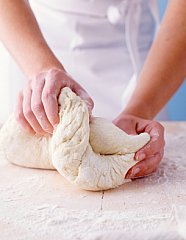
After mixing the ingredients together, it's time to knead the dough. Kneading stretches and folds the dough, helping develop gluten. Gluten creates the stretchy structure that traps tiny air bubbles made by the yeast, giving bread its soft texture and helping it rise.
How to Knead Bread Dough
- Lightly flour your work surface.
- Push the dough away from you with the heel of your hand.
- Fold the dough back over itself.
- Turn the dough one-quarter turn.
- Repeat the process for about 8-10 minutes.
As you knead, the dough should become smoother, softer, and more elastic. If it sticks heavily to your hands, sprinkle on a little more flour. If it feels dry or cracks while kneading, lightly dampen your hands or add a teaspoon of water.
How Do You Know When It's Ready?
Properly kneaded dough feels smooth, stretchy, and slightly tacky without sticking to your fingers. When gently pressed with a fingertip, the dough should slowly spring back.
Teaching Homemade Bread as a Cooking Lesson
Bread baking is an excellent intermediate cooking lesson because it combines measuring, reading recipes, working with yeast, kneading dough, timing, and oven safety. Children also learn patience while watching dough rise and gain confidence as they transform simple ingredients into homemade bread. Continue to Junior Chef Lesson 3: Baking Bread
Step 4: Let the Dough Rise
Place the kneaded dough into a lightly greased bowl and turn it once so all sides are lightly coated with oil. Cover the bowl with a clean kitchen towel or plastic wrap and place it in a warm, draft-free location.
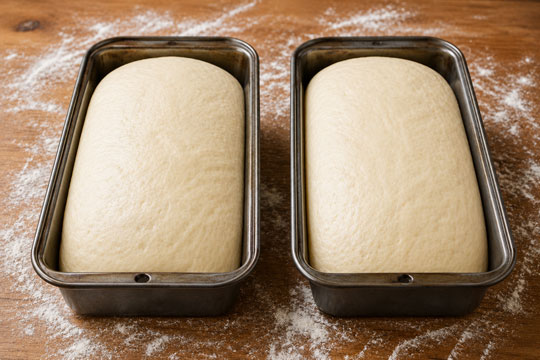
Most bread dough needs about 30 to 60 minutes for the first rise. During this time, the yeast produces carbon dioxide, causing the dough to expand and become light and airy.
Kid Science Connection
Watch the dough before and after rising. Measure its height with a ruler or mark the bowl with a piece of tape. Kids enjoy seeing how the yeast creates thousands of tiny air pockets that make bread light and fluffy.
Second Rise
After shaping your loaves or rolls, cover them again and let them rise a second time for about 20-30 minutes. This final rise helps create soft, tender bread with a light texture before baking.
Step 5: How to Shape Bread Dough
One of the most enjoyable parts of bread making is shaping the dough. A single batch of homemade bread dough can become dinner rolls, pretzels, croissants, bread bowls, or decorative breads. These simple shaping techniques help children practice rolling, folding, twisting, and braiding dough while creating beautiful homemade breads.
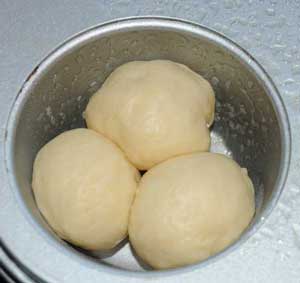
Roll three small balls of dough and place them together in a greased muffin cup. As they bake, they rise into a pull-apart dinner roll.
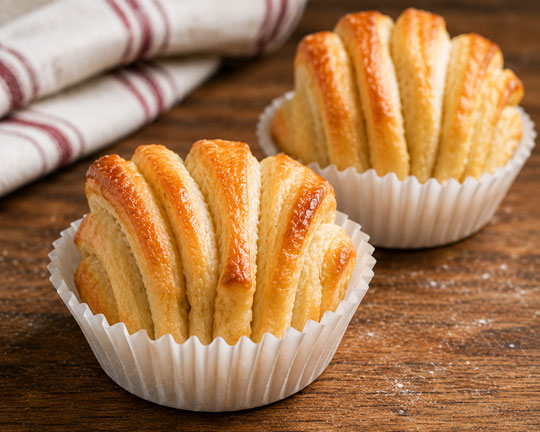
Roll the dough into a rectangle, cut into strips, stack them together, then place the strips upright in muffin cups for decorative layered rolls.
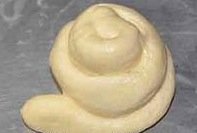
Roll a rope of dough into a spiral to create an easy snail-shaped roll that's perfect for beginner bread bakers.
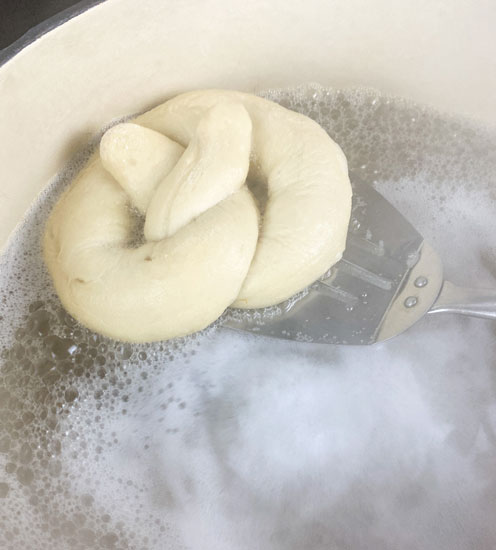

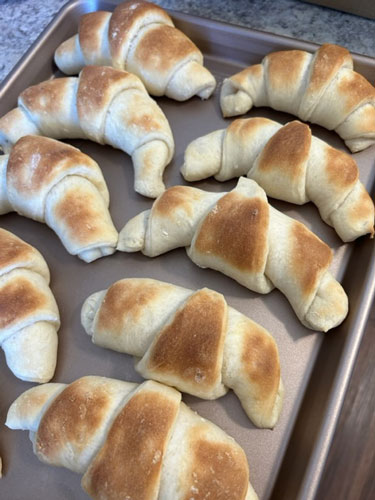
Learn how to roll bread dough into traditional crescent-shaped croissants using our step-by-step tutorial.
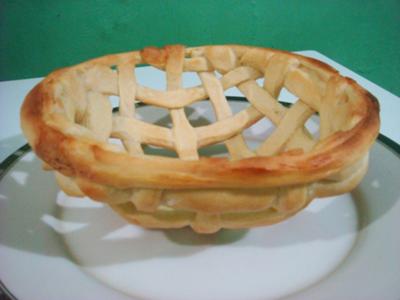
Weave strips of bread dough together to create a decorative bread basket that's perfect for holidays and special occasions.
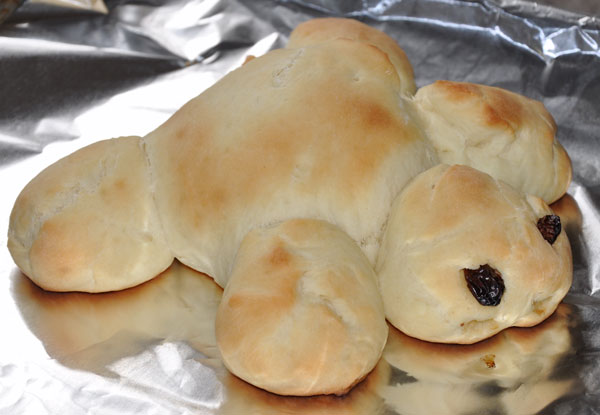

Once you've learned the basics, experiment with your own creative bread designs. Kids love inventing new shapes and decorations using the same simple dough recipe.
Step 6: What Can You Make with Bread Dough?
One simple batch of homemade bread dough can become dozens of delicious recipes. After learning the basic techniques, try shaping the dough into family dinners, breakfast treats, party foods, and creative bread projects. Each recipe builds confidence while introducing new shaping and baking skills.

Roll homemade dough around pizza fillings to create a golden baked stromboli that's perfect for family dinners.

Wrap ham and cheese or veggies inside bread dough for an easy lunch, dinner, or freezer-friendly meal.
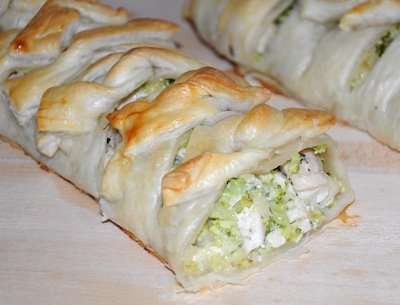
Practice braiding dough around a savory filling to create an impressive centerpiece for family meals.
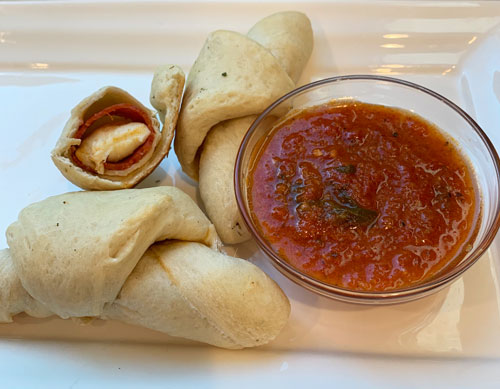
Roll dough around cheese, sauce, and favorite toppings to make handheld pizza snacks everyone will enjoy.

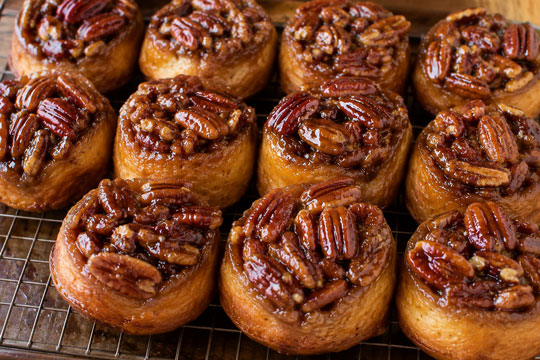

Pull-apart monkey bread is a fun way to use small pieces of dough coated in cinnamon sugar or herbs.

One Dough, Endless Possibilities
Once you've learned one dependable bread dough recipe, you can adapt it into sweet breads, savory meals, appetizers, stuffed breads, breakfast treats, and holiday favorites. Mastering one dough opens the door to dozens of homemade recipes.
Monkey Bread
Monkey bread is one of the most fun recipes to make with homemade bread dough. Small pieces of dough are coated in butter and cinnamon sugar, then baked together into a pull-apart loaf that's perfect for breakfast, brunch, holidays, or special family treats.
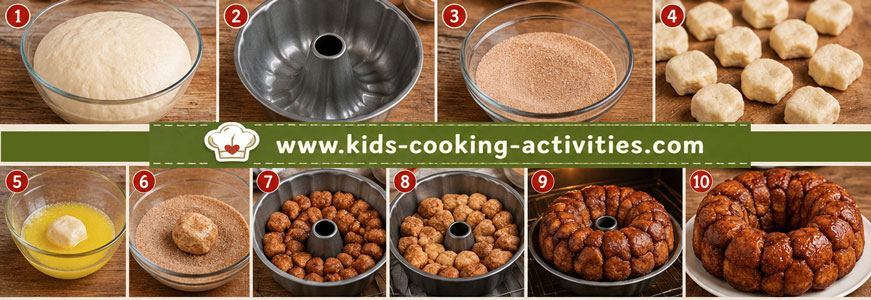
Ingredients
- 1 batch prepared bread dough
- 1/2 cup melted butter
- 3/4 cup granulated sugar
- 2 teaspoons ground cinnamon
Directions
- Prepare one batch of homemade bread dough and allow it to complete the first rise.
- Lightly grease a Bundt pan or tube pan.
- Mix the sugar and cinnamon together in a shallow bowl.
- Pinch off walnut-sized pieces of dough.
- Dip each piece into the melted butter.
- Roll the buttered dough in the cinnamon sugar mixture.
- Arrange the coated dough pieces evenly in the prepared pan.
- Cover and allow the dough to rise for about 20-30 minutes.
- Bake at 350 F for approximately 30-35 minutes until golden brown.
- Cool for about 10 minutes before carefully inverting onto a serving plate.
Kid Job
Young helpers love pinching dough into small pieces, dipping each one in butter, and coating them with cinnamon sugar. It's one of the easiest bread projects for beginning bakers.
Try Different Flavors
- Add chopped pecans or walnuts.
- Mix raisins into the layers.
- Drizzle with vanilla icing after baking.
- Make a savory version using garlic butter and Parmesan cheese.
Homemade Hamburger Rolls
Turn your homemade bread dough into delicious stuffed rolls. This family favorite can be filled with seasoned ground beef or whole cooked meatballs, creating an easy handheld meal that's perfect for lunches, dinners, picnics, or freezer meals.

Ingredients
- 1 batch prepared bread dough
- 1 pound ground beef, browned and seasoned or 16-20 cooked meatballs
- 1 small onion, diced
- Salt and pepper to taste
- Optional: shredded cheese, cooked bacon, mushrooms, or chopped peppers
- 1 beaten egg (optional, for brushing tops)
Directions
- Prepare the bread dough and allow it to complete the first rise.
- If using ground beef, brown it with the onion. Drain any excess grease, season to taste, and allow the filling to cool slightly.
- Divide the dough into equal portions and flatten each into a circle.
- For hamburger rolls, spoon several tablespoons of the seasoned beef mixture into the center of each piece of dough.
- For meatball rolls, place one cooked meatball in the center of each piece of dough. Add a spoonful of pizza or marinara sauce and a sprinkle of shredded mozzarella cheese if desired.
- Bring the edges of the dough together and pinch tightly to seal the filling inside.
- Place the rolls seam-side down on a greased baking sheet.
- Cover and allow the rolls to rise for about 20-30 minutes.
- Brush the tops with beaten egg, if desired, for a shiny golden crust.
- Bake at 350 F for 20-25 minutes, or until the rolls are lightly browned and cooked through.
Kid Job
Children enjoy flattening the dough, adding the filling, and carefully pinching the seams closed. It's excellent practice for learning how to seal stuffed breads without the filling leaking out during baking.
Try Different Fillings
- Pizza filling with pepperoni and mozzarella
- Ham and cheddar cheese
- Chicken and broccoli
- Taco-seasoned beef with cheddar
- Barbecue pulled pork
- Breakfast sausage, eggs, and cheese
- Meatball and mozzarella with marinara sauce
Once you've mastered sealing the dough, nearly any cooked filling can be turned into a delicious stuffed bread meal.
How to Make Bread Bowls
Bread bowls are a fun way to serve soups, chili, dips, and creamy pasta dishes. After preparing your favorite homemade bread dough, divide it into individual portions and shape each piece into a smooth round ball. Allow the dough to rise until doubled, then bake until the bowls are golden brown.
Once cooled slightly, slice a thin layer from the top of each loaf and gently hollow out the center, leaving a sturdy shell. Fill with warm soup, chowder, chili, or your favorite dip just before serving.
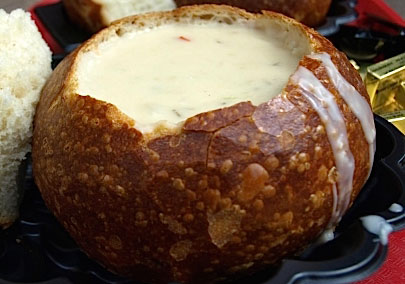
Bread Bowl Tips
- Use slightly larger dough balls than dinner rolls.
- Leave a thick wall when hollowing out the bread.
- Save the removed bread for dipping into soup.
- Brush with melted butter after baking for a soft crust.
Indian Fry Bread
Indian fry bread is a delicious way to transform homemade bread dough into a crispy, golden treat. It can be served simply with butter and honey or turned into hearty Indian tacos piled high with seasoned meat, beans, lettuce, tomatoes, cheese, and other favorite toppings.
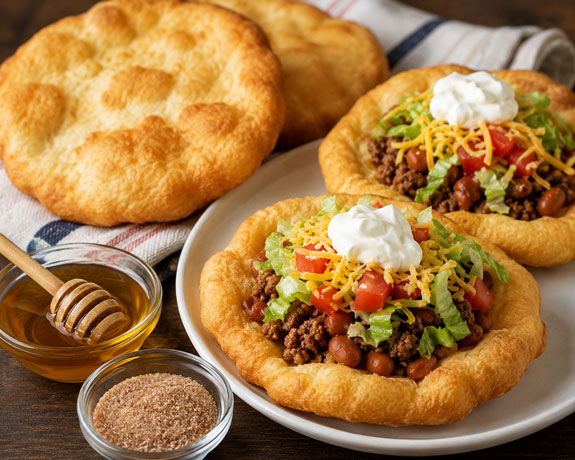
Ingredients
- 1 batch prepared bread dough
- Vegetable oil for frying
- Honey, cinnamon sugar, or powdered sugar (optional)
- Taco toppings if making Indian tacos
Directions
- Prepare the bread dough and allow it to complete the first rise.
- Divide the dough into golf ball-sized portions.
- Flatten each piece into a circle about 1/4 inch thick.
- Heat about 1 inch of vegetable oil in a deep skillet to 350 F.
- Carefully place one piece of dough into the hot oil.
- Cook for 1-2 minutes per side until puffed and golden brown.
- Drain on paper towels.
- Serve warm with honey or cinnamon sugar, or top with taco ingredients for Indian fry bread tacos.
Kid Job
Children can safely divide the dough, roll it into circles, and prepare toppings. An adult should always handle the hot oil and frying.
Serving Ideas
- Honey and butter
- Cinnamon sugar
- Powdered sugar
- Jam or fruit preserves
Step 7: Freezing and Storing Bread Dough
Homemade bread dough freezes surprisingly well, making it easy to prepare dough ahead of time for busy school nights, holidays, or classroom cooking projects. After mixing and kneading the dough, you can freeze it before the final rise and bake fresh bread whenever you're ready.
How to Freeze Bread Dough
- Prepare the bread dough and complete the first rise.
- Punch the dough down and shape it into loaves, rolls, or individual dough balls.
- Wrap the dough tightly in plastic wrap or place it in freezer-safe bags.
- Label each package with the date and type of bread.
- Freeze for up to 3 months.
How to Bake Frozen Dough
- Transfer the frozen dough to the refrigerator the night before baking.
- Allow the dough to come to room temperature.
- Place the dough in a greased pan or baking sheet if needed.
- Cover and allow it to complete its final rise until doubled.
- Bake according to your recipe directions.
Planning Ahead
Many families like to prepare several batches of dough at one time. Freeze extra dough for homemade pizza, dinner rolls, cinnamon rolls, breadsticks, monkey bread, or sandwich loaves later in the month. See more tips on freezing meals.
Kid Kitchen Skills
- Label freezer bags with dates.
- Measure dough into equal portions.
- Shape rolls before freezing.
- Practice kitchen organization and meal planning.
Freezing dough teaches kids that baking doesn't always have to happen in one afternoon. Planning ahead is an important kitchen skill that saves time and makes homemade meals easier throughout the week.
Bread Baking Tips for Success
Even experienced bakers occasionally have a loaf that doesn't turn out exactly as planned. These simple tips help young bakers understand what to look for while mixing, kneading, rising, and baking homemade bread.
Before You Bake
- Measure ingredients carefully.
- Use fresh yeast.
- Warm liquids should feel comfortably warm, not hot.
- Add flour gradually instead of all at once.
- Mix until a soft dough forms.
While Kneading
- Knead until the dough becomes smooth and elastic.
- Avoid adding too much flour.
- If the dough sticks badly, dust lightly with flour.
- If the dough feels dry, add a teaspoon of water.
- Be patient- kneading develops the bread's structure.
During Rising
- Cover the dough to prevent it from drying out.
- Choose a warm, draft-free location.
- Allow enough time for the dough to double in size.
- Don't rush the second rise.
- Yeast works more slowly in cool kitchens.
After Baking
- Allow bread to cool before slicing.
- Store cooled bread in an airtight container.
- Freeze extra loaves for future meals.
- Use leftover bread for toast, croutons, or bread crumbs.
- Celebrate every loaf-practice makes better bread!
Remember
Every loaf is a learning experience. Even if your bread isn't perfect, you'll gain confidence with each batch. The more often children bake, the more comfortable they'll become measuring ingredients, kneading dough, shaping loaves, and recognizing when bread is ready to bake.
Skills Kids Practice While Making Bread
- Reading and following multi-step recipes.
- Measuring both dry and liquid ingredients.
- Kitchen math and timing.
- Hand strength and coordination while kneading.
- Patience while waiting for dough to rise.
- Creative shaping and decorating.
- Kitchen safety and cleanup.
More Homemade Bread Recipes & Dough Projects
Now that you've learned the basics of making homemade bread, continue practicing with these family-friendly recipes. From quick breads and dinner rolls to stuffed breads and specialty loaves, each project helps build confidence while introducing new baking techniques.

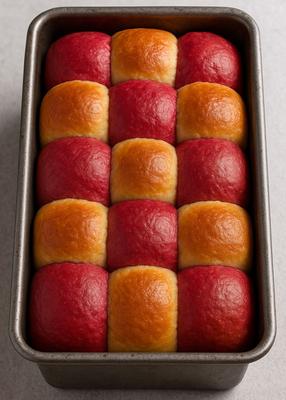
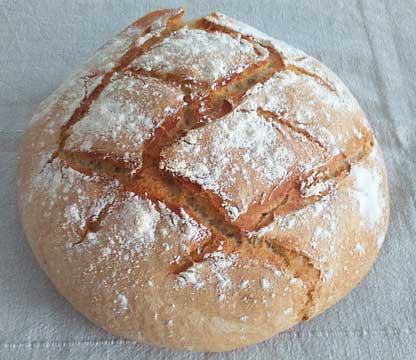
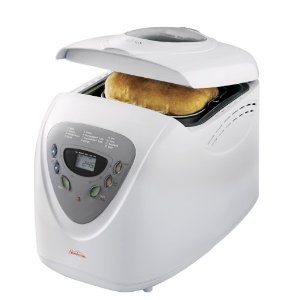
Browse dozens of homemade breads including quick breads, yeast breads, rolls, bread machine recipes, and seasonal favorites.


Turn bread dough into cheesy stuffed stromboli filled with pizza ingredients the whole family will enjoy.
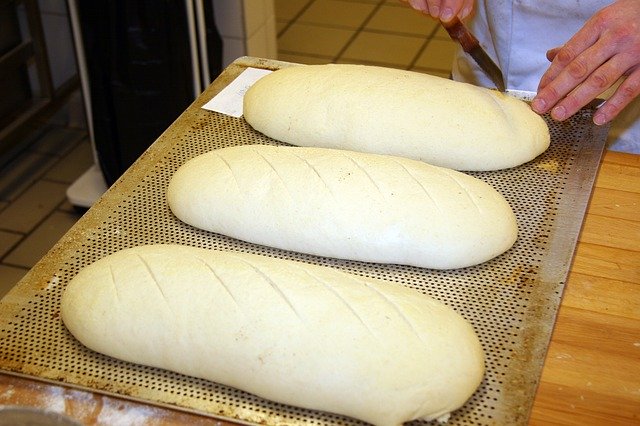
Turn homemade bread into a complete cooking lesson while practicing yeast, kneading, shaping dough, and baking skills.

Working with Dough Cooking Camp
Want a complete printable dough lesson? This camp includes bread, rolls, pizza dough, pretzels, and more hands-on dough activities for kids.
Frequently Asked Questions
What is the easiest homemade bread for beginners?
Simple white bread is one of the easiest yeast breads to learn because it uses basic ingredients and teaches the essential skills of proofing yeast, kneading dough, letting it rise, and shaping loaves or rolls.
How long should bread dough rise?
Most bread dough rises for 30 to 60 minutes during the first rise, or until it doubles in size. After shaping the dough, allow it to rise again for about 20 to 30 minutes before baking.
Why didn't my bread rise?
Inactive yeast, water that was too hot or too cold, or a cool room are common reasons bread dough doesn't rise properly. Fresh yeast and a warm, draft-free location usually produce the best results.
Can kids help make homemade bread?
Absolutely! Children can measure ingredients, stir dough, knead, shape rolls, sprinkle toppings, and watch the dough rise. Adults should supervise when using ovens or frying foods.
Can homemade bread dough be frozen?
Yes. After the first rise, shape the dough, wrap it well, and freeze it for up to three months. Thaw it overnight in the refrigerator, let it complete the final rise, and bake as directed.
What can I make with one batch of bread dough?
One batch of dough can become sandwich bread, dinner rolls, breadsticks, hamburger buns, monkey bread, stuffed breads, cinnamon rolls, pizza dough, fry bread, and many other family favorites.
What's the difference between white bread and whole wheat bread?
White bread is made primarily with refined flour for a lighter texture, while whole wheat bread contains whole grain flour that adds more fiber, nutrients, and a heartier flavor.
Where can I find more bread recipes for kids?
Visit our Easy Bread Recipes and Baking with Kids collections for quick breads, yeast breads, rolls, muffins, pizza dough, bread machine recipes, and many more family-friendly baking projects.
Submit your favorite kids recipe
Do you have a favorite recipe your kids love to make? Or a recipe your kids ask you to make again and again? Share it with us!
Reader's Submitted Recipes
Click below to see contributions from other visitors to this page...
Quick White Bread
Quick White Bread This easy homemade white bread recipe makes three soft sandwich loaves with simple pantry ingredients. It's perfect for beginners …
Marbled Beet Bread
Checkerboard Beet & White Bread (Kid-Friendly Recipe)
Prep Time: 30 minutes
Rise Time: 1.5 hours
Bake Time: 45 minutes
Ingredients
For Pink Beet …
Shaping Bread Basket
Lattice Mat & Bread Basket (Kid-Friendly Recipe)
Makes: 2 flatbreads or 1 basket
Prep Time: 45 minutes
Rise Time: 1 hour
Bake Time: 20 minutes
…
Homemade Dinner Rolls
Homemade Dinner Rolls These soft whole wheat dinner rolls are perfect for holiday meals, Sunday dinners, or anytime you want fresh homemade bread. Learn …
Explore More Bread & Baking Recipes
Keep building your baking skills with more homemade breads, muffins, cookies, cakes, breakfast recipes, and fun kitchen activities for kids.
Get Free Kids Recipe Cards + Cooking Printables
Join Kids Cooking Activities for fun recipes, cooking ideas, and printable resources for kids, families, and classrooms.
Follow Kids Cooking Activities too:





© Debbie Madson, Madson Web Publishing, LLC — All rights reserved.
The material on this site is for educational purposes only.