

- Home ›
- Basic Cooking Lessons ›
- How to Cook Vegetables
How to Cook Vegetables

Learning how to cook vegetables is one of the most useful kitchen skills every young chef can master. Once kids understand a few simple cooking methods, they can prepare healthy side dishes, add vegetables to soups and casseroles, create colorful salads, and confidently help make family meals.
Whether you're cooking fresh, frozen, or garden vegetables, the basic steps are the same: wash them well, prepare them correctly, choose the best cooking method, and season them to bring out their natural flavor.
This lesson teaches the fundamentals of preparing vegetables, explains the most common cooking methods, includes easy vegetable tutorials, and finishes with recipes you can practice at home.
Start Here: Learning to Cook Vegetables
- Brand new cook? Learn how to wash and prepare vegetables safely before cooking.
- Learning cooking methods? Practice boiling, steaming, roasting, and sauteing.
- Ready for recipes? Try vegetable recipes and learn to cook individual vegetables.
- Want to keep learning? Explore our Food Facts pages and Cooking with Herbs & Spices lesson.
Kids Cooking Activities Teaching Materials
Teaching kids to cook? Save time with ready-made lesson plans used by parents and teachers. Browse teaching materials →


This page may contain affiliate links. We may earn a small commission at no extra cost to you. Learn more.
Why Learn to Cook Vegetables?
- Build confidence preparing vegetables using several cooking methods.
- Learn how heat changes the flavor and texture of vegetables.
- Practice knife skills, measuring, and seasoning.
- Create healthier meals with colorful vegetables.
- Discover new vegetables your family may enjoy.
Preparing Vegetables for Cooking
Every great vegetable recipe starts with proper preparation. Washing, trimming, peeling, and cutting vegetables correctly helps them cook evenly and makes them safer to eat.
1. Wash Thoroughly
Rinse fresh vegetables under cool running water before cooking. Firm vegetables like potatoes, carrots, and beets can be scrubbed with a vegetable brush to remove dirt. Even vegetables that will be peeled should be washed first so dirt doesn't transfer from the skin to the inside while cutting.
2. Trim and Peel
Remove stems, tough ends, damaged spots, or outer leaves when needed. Some vegetables, such as potatoes, carrots, cucumbers, and apples, may be peeled depending on the recipe, while many vegetables can be cooked with the skin left on for extra nutrients.
3. Cut Evenly
Try to cut vegetables into pieces that are similar in size. Uniform pieces cook at the same rate and help prevent some pieces from becoming overcooked while others remain undercooked.
If you're still learning knife skills, visit our Kitchen Skills for Kids lesson and review Kitchen Safety Rules before using sharp knives.
Best Ways to Cook Vegetables
Different vegetables taste and feel different depending on how they are cooked. Some vegetables become sweeter when roasted, while others stay crisp and colorful when steamed. Learning several cooking methods helps you choose the best technique for every recipe.
Which Cooking Method Should You Choose?
- Need vegetables quickly? Steam or microwave them.
- Want rich, caramelized flavor? Roast vegetables in the oven.
- Making soup or stew? Boil vegetables until tender.
- Cooking a stir-fry? Saute vegetables over medium-high heat.
- Serving burgers or barbecue? Grill vegetables for smoky flavor.
- Learn more about cooking methods.
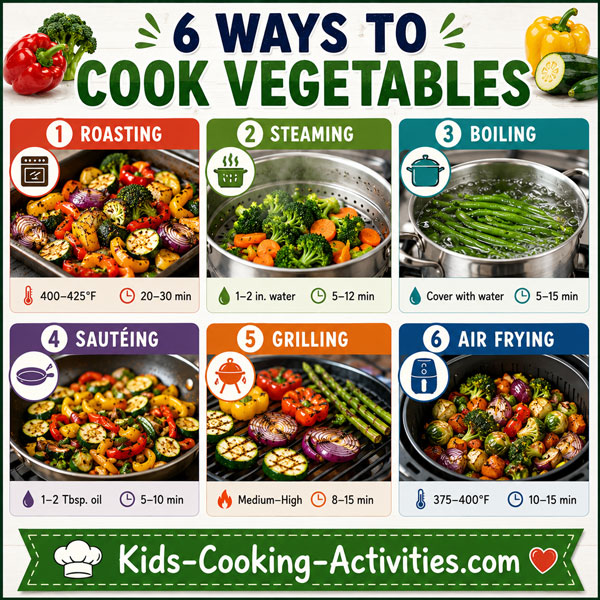
| Cooking Method | Best For | Why Kids Like It |
|---|---|---|
| Boiling | Potatoes, corn, carrots, green beans | Simple, fast, and requires very little equipment. |
| Steaming | Broccoli, cauliflower, peas, asparagus | Keeps vegetables colorful, tender, and nutritious. |
| Roasting | Potatoes, Brussels sprouts, squash, carrots, onions | Brings out natural sweetness with crispy edges. |
| Sauteing | Zucchini, peppers, mushrooms, onions, spinach | Cooks quickly while developing lots of flavor. |
| Grilling | Corn, zucchini, peppers, asparagus | Adds smoky flavor and attractive grill marks. |
| Air Frying | Broccoli, cauliflower, green beans, carrots | Produces crispy vegetables using very little oil. |
Cooking Tip
Vegetables are finished cooking when they are fork tender. A fork should slide into the vegetable easily without it falling completely apart. Slightly firm vegetables usually have the best flavor and texture.
Most cooking methods work well with a little olive oil, butter, herbs, spices, or grated Parmesan cheese. Learning how to season vegetables can turn a simple side dish into a family favorite. Visit our Cooking with Herbs & Spices lesson to discover easy ways to add flavor.
How Heat Changes Vegetables
Cooking does more than make vegetables hot-it changes their flavor, texture, and appearance.
- Softens tough vegetables so they are easier to bite and chew.
- Brings out natural sweetness as vegetables roast or caramelize.
- Changes color, making many vegetables brighter or deeper in color.
- Improves texture, turning crisp raw vegetables into tender side dishes.
- Creates new flavors depending on whether you steam, roast, grill, or saute.
How to Season Vegetables
Even simple vegetables become more flavorful with the right seasonings. Start with a small amount of seasoning, taste after cooking if possible, and add more only if needed. Fresh herbs, dried herbs, spices, butter, olive oil, lemon juice, and grated cheese can all enhance the natural flavor of vegetables without overpowering them.
Simple Vegetable Seasoning Ideas
- Broccoli & Cauliflower: Butter, garlic, Parmesan cheese, or lemon pepper.
- Carrots: Butter, cinnamon, honey, or parsley.
- Green Beans: Garlic, onion powder, Italian seasoning, or toasted almonds.
- Potatoes: Olive oil, rosemary, paprika, garlic powder, or chives.
- Corn: Butter, parsley, chili powder, or Parmesan cheese.
- Zucchini & Squash: Italian seasoning, basil, oregano, garlic, or mozzarella cheese.
Kitchen Tip
Fresh herbs have a milder flavor than dried herbs. If you're substituting dried herbs for fresh, use about one-third as much. For example, replace 1 tablespoon of fresh basil with 1 teaspoon of dried basil.
Want to learn more about choosing herbs and spices? Visit our Cooking with Herbs & Spices lesson to discover flavor pairings, seasoning tips, and beginner-friendly herb combinations.
Quick Vegetable Cooking Times
Cooking times vary depending on the size of the vegetable pieces and the cooking method you choose. These times are good starting points for common vegetables.
| Vegetable | Best Method | Approximate Time |
|---|---|---|
| Broccoli | Steam | 5-7 minutes |
| Cauliflower | Steam | 7-10 minutes |
| Green Beans | Steam | 5-7 minutes |
| Carrots | Roast | 25-35 minutes |
| Asparagus | Roast | 10-15 minutes |
| Brussels Sprouts | Roast | 20-30 minutes |
| Potatoes | Bake | 45-60 minutes |
| Sweet Potatoes | Bake | 45-60 minutes |
| Corn on the Cob | Boil | 6-8 minutes |
| Zucchini | Saute | 5-8 minutes |
Remember
Vegetables should be cooked until they are fork tender. Overcooking can make vegetables mushy and dull in color, while undercooking may leave them too firm. Checking them a few minutes before the suggested cooking time helps you get the best results every time.
Vegetable Recipes to Practice Your Skills
The best way to become comfortable cooking vegetables is to prepare them often. Start with simple recipes that use just one or two cooking methods, then gradually try soups, casseroles, stir-fries, and international dishes that combine several vegetables together.
Build Your Cooking Confidence
Each recipe teaches a different kitchen skill. Try preparing vegetables in several ways: raw, steamed, roasted, sauted, and baked to discover your favorite flavors and textures.
Mediterranean Roasted Vegetables
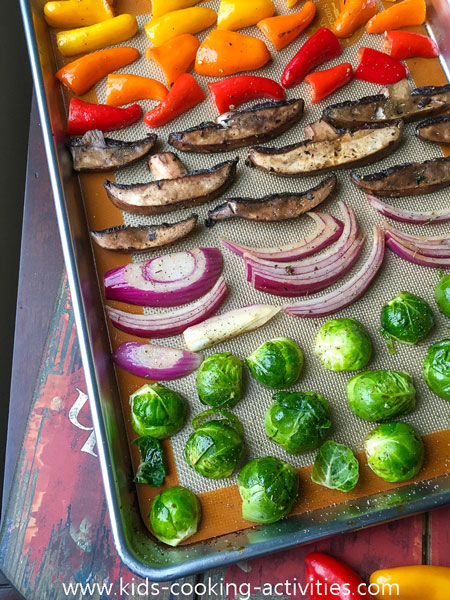
Roasting is one of the easiest ways to bring out the natural sweetness of vegetables. This colorful sheet pan recipe is perfect for practicing knife skills, seasoning, and roasting all at the same time.
Mediterranean Roasted Vegetables
Substitute with any sturdy vegetables your family enjoys.


Prep Time: 15 minutes
Cook Time: 40-45 minutes
Servings: 4-6
Ingredients
- 1 pound mini sweet peppers, seeded and halved
- 1 pound Portobello mushrooms, sliced
- 1 large red onion, sliced
- 1 pound Brussels sprouts, trimmed and halved
- 2 teaspoons garlic powder
- 2 teaspoons Italian seasoning
- 2 tablespoons olive oil
- 2 tablespoons balsamic vinegar
- Salt and pepper, to taste
Directions
- Preheat the oven to 425F. Line a baking sheet with parchment paper.
- Place all vegetables into a large bowl.
- Add the garlic powder, Italian seasoning, olive oil, balsamic vinegar, salt, and pepper. Toss until evenly coated.
- Spread the vegetables into a single layer on the baking sheet. Avoid overcrowding the pan.
- Roast for 40-45 minutes, stirring once halfway through cooking.
- Serve immediately as a colorful side dish or add to pasta, grain bowls, or wraps.
Try These Variations
- Add broccoli, cauliflower, carrots, sweet potatoes, or butternut squash.
- Sprinkle with Parmesan cheese during the last 5 minutes of baking.
- Finish with fresh parsley or basil before serving.
- Use leftovers in omelets, pasta, soups, wraps, or grain bowls.
How to Cook Different Vegetables
Once you understand the basic cooking methods, you can use them with many different vegetables. The tutorials below explain how to prepare and cook several common vegetables using beginner-friendly techniques.
Before You Begin
Wash vegetables under cool running water, use a stable cutting board, and ask an adult for help when cutting hard vegetables or handling hot pans and appliances.
How to Cook Baked Potatoes
Baked potatoes are easy to prepare and can be served as a side dish or turned into a complete meal with toppings.
Directions
- Preheat the oven to 425F.
- Scrub the potatoes well under running water and dry them with a clean towel.
- Pierce each potato several times with a fork so steam can escape.
- Rub the skins with a small amount of olive oil and sprinkle with salt, if desired.
- Place the potatoes directly on the oven rack or on a baking sheet.
- Bake for 45-60 minutes, depending on size, until a fork slides easily into the center.
- Carefully cut open and serve with butter, cheese, vegetables, chili, or other favorite toppings.
For more potato ideas, try these twice-baked potatoes or create a baked potato bar with your favorite toppings.
Baked Potato Topping Ideas:
- Steamed broccoli and shredded cheddar cheese
- Homemade chili and grated cheese
- Butter, chives, and plain yogurt
- Cheese sauce
- Black beans, corn, and salsa
How to Cook Fresh Pumpkin
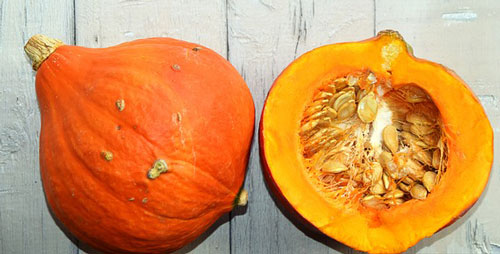
Fresh pumpkin puree can be used in breads, muffins, soups, pancakes, pies, and many other recipes. Small sugar pumpkins or pie pumpkins usually have better flavor and texture for cooking than large carving pumpkins.
Directions
- Preheat the oven to 375F.
- Wash the outside of the pumpkin and dry it.
- Ask an adult to cut the pumpkin in half or into large wedges.
- Scoop out the seeds and stringy center. Save the seeds to make roasted pumpkin seeds.
- Place the pumpkin pieces cut-side down on a parchment-lined baking sheet.
- Roast for 35-50 minutes, depending on the size of the pieces, until the flesh is very tender.
- Allow the pumpkin to cool slightly, then scoop the flesh away from the rind.
- Mash with a fork or puree in a blender or food processor until smooth.
Store pumpkin puree in the refrigerator for up to several days or freeze it in recipe-size portions.
Freezing Tip
Measure pumpkin puree into 1-cup portions before freezing. Label each container with the amount and date so it is ready for future recipes.
How to Cook Eggplant
Eggplant becomes soft and creamy when roasted. It can be added to pasta sauce, casseroles, dips, sandwiches, and vegetable dishes.
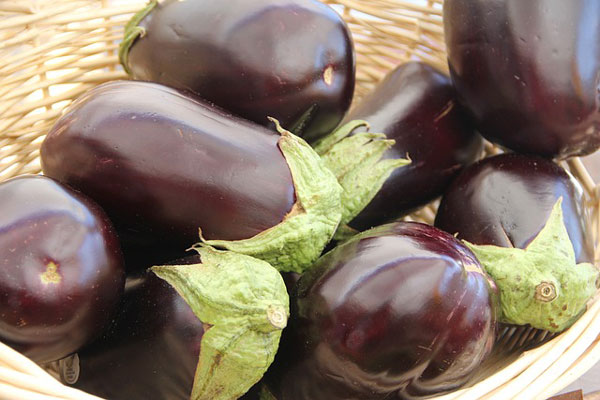
Whole Roasted Eggplant
- Preheat the oven to 400F.
- Wash and dry the eggplant.
- Pierce the skin several times with a fork.
- Place the eggplant on a parchment- or foil-lined baking sheet.
- Roast for 35-50 minutes, depending on size, until the eggplant is soft and the skin begins to collapse.
- Allow it to cool slightly, then cut it open and scoop out the soft flesh.
Chop the cooked eggplant and add it to tomato sauce, casseroles, or dips. It's also delicious in baba ghanoush, a classic Middle Eastern dip.
Another Easy Method
Slice eggplant into rounds, brush lightly with olive oil, season with salt and Italian herbs, and roast at 425F for 20-25 minutes, flipping once halfway through.
How to Cook Asparagus
Asparagus cooks quickly and tastes best when it is tender but still slightly firm. Roasting and steaming help preserve its bright color and fresh flavor.
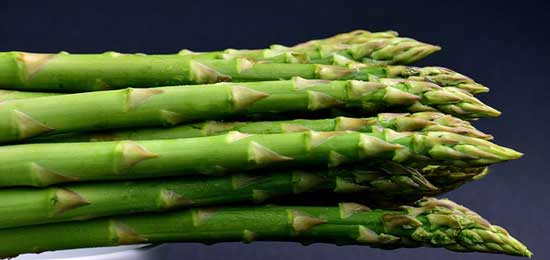
How to Prepare Asparagus
- Rinse the asparagus under cool running water.
- Bend each stalk gently near the bottom. The woody end will usually snap off naturally.
- Pat the asparagus dry before roasting or sauteing.
Roasted Asparagus
- Preheat the oven to 425F.
- Arrange the asparagus in a single layer on a baking sheet.
- Drizzle lightly with olive oil and season with salt, pepper, or garlic powder.
- Roast for 10-15 minutes, depending on the thickness of the stalks.
Steamed Asparagus
- Place the asparagus in a steamer basket over simmering water.
- Cover and steam for 4-7 minutes.
- Remove it when a fork can pierce the stalk but the asparagus still holds its shape.
Try This Flavor Combination
Finish cooked asparagus with lemon juice and a sprinkle of Parmesan cheese.
How to Cook Artichokes
Artichokes may look difficult to prepare, but steaming them is simple. Once cooked, the tender part at the base of each leaf can be scraped off with your teeth, and the heart in the center can be eaten with a fork.
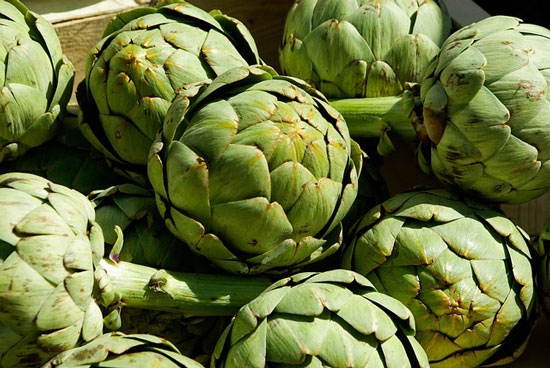
How to Prepare Artichokes
- Rinse the artichokes under cool running water.
- Cut off the stem so each artichoke can sit upright.
- Trim about 1 inch from the top with a sharp knife.
- Use kitchen scissors to snip off any sharp leaf tips, if desired.
- Rub the cut areas with lemon juice to help prevent browning.
Steamed Artichokes
- Add 1-2 inches of water to a large pot and place a steamer basket inside.
- Bring the water to a simmer.
- Place the artichokes upright in the basket and cover the pot.
- Steam for 30-45 minutes, depending on size.
- The artichokes are done when an outer leaf pulls away easily and a knife slides into the base.
Pressure Cooker Artichokes
- Add 1 cup of water to the pressure cooker.
- Place the prepared artichokes on a rack or steamer basket.
- Seal the lid and cook on high pressure for about 12-15 minutes.
- Allow the pressure to release naturally for several minutes before opening.
How to Eat an Artichoke
Pull off one leaf at a time and scrape the soft part from the base with your teeth. Remove the fuzzy center, called the choke, before eating the tender artichoke heart.
How to Cook Zucchini
Zucchini is a beginner-friendly vegetable because it cooks quickly and works well in skillets, ovens, grills, and air fryers. Avoid overcooking it, since zucchini can become soft and watery.
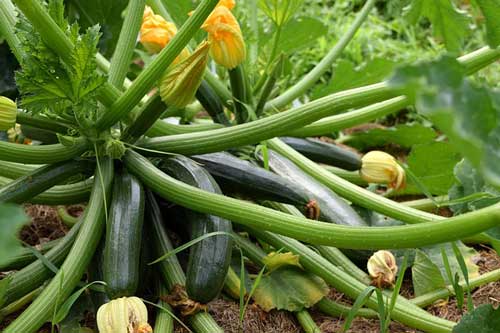
Sauted Zucchini
- Wash the zucchini and trim off both ends.
- Slice it into rounds or half-moons of similar thickness.
- Heat a small amount of olive oil or butter in a skillet over medium heat.
- Add the zucchini and season with salt, pepper, garlic, or Italian seasoning.
- Cook for 5-8 minutes, stirring occasionally, until tender but still slightly firm.
Roasted Zucchini
- Preheat the oven to 425F.
- Cut the zucchini into spears, rounds, or thick half-moons.
- Toss with a small amount of olive oil and seasonings.
- Spread the pieces in a single layer on a baking sheet.
- Roast for 15-20 minutes, turning once if needed.
Air-Fried Zucchini
- Preheat the air fryer to 400F, if required by your model.
- Toss zucchini pieces with a little oil and seasoning.
- Arrange them in a single layer in the basket.
- Cook for 8-12 minutes, shaking the basket halfway through.
Easy Zucchini Flavor Ideas
- Garlic powder and Parmesan cheese
- Italian seasoning and mozzarella
- Lemon pepper and parsley
- Chili powder and lime juice
How to Cook Beets
Roasting brings out the natural sweetness of beets. Their color can stain hands, cutting boards, and towels, so use care during preparation.
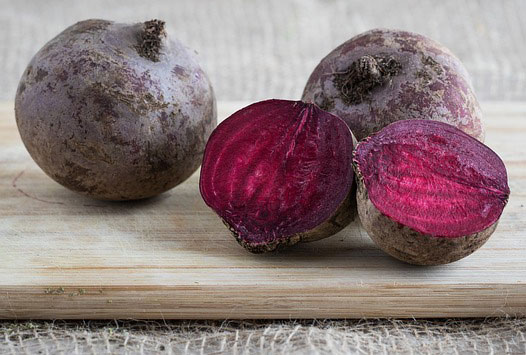
Roasted Whole Beets
- Preheat the oven to 400F.
- Scrub the beets well and trim off the leaves and long roots.
- Place each beet on a piece of foil and drizzle with a small amount of olive oil.
- Wrap the beets tightly and place them on a baking sheet.
- Roast for 40-60 minutes, depending on size.
- Allow them to cool until safe to handle.
- Rub away the skins with a paper towel, then slice or dice the beets.
Roasted Beet Pieces
- Peel the beets and cut them into 1-inch pieces.
- Toss with olive oil, salt, and pepper.
- Spread them in a single layer on a baking sheet.
- Roast at 425F for 25-35 minutes, stirring halfway through.
Kid Chef Tip
Wear food-safe gloves or wash your hands promptly after handling beets. A sheet of parchment paper can also help protect the cutting board.
How to Cook Broccoli
Broccoli should be bright green and tender when cooked. Steaming and roasting are two of the easiest methods for beginners.
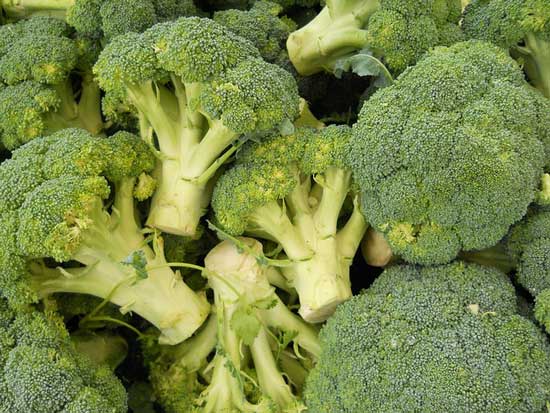
Steamed Broccoli
- Cut the broccoli into similar-size florets.
- Place the florets in a steamer basket over simmering water.
- Cover and steam for 5-7 minutes.
- Remove when the stems are fork tender and the florets are still bright green.
Roasted Broccoli
- Preheat the oven to 425F.
- Toss the florets with olive oil, salt, pepper, and garlic powder.
- Spread them in a single layer on a baking sheet.
- Roast for 18-22 minutes, stirring once, until the edges are lightly browned.
Try serving broccoli with cheese sauce or adding it to baked potatoes, pasta, casseroles, and stir-fries.
How to Cook Cauliflower
Cauliflower has a mild flavor and works well with many seasonings. It can be steamed, roasted, mashed, or added to soups and casseroles.
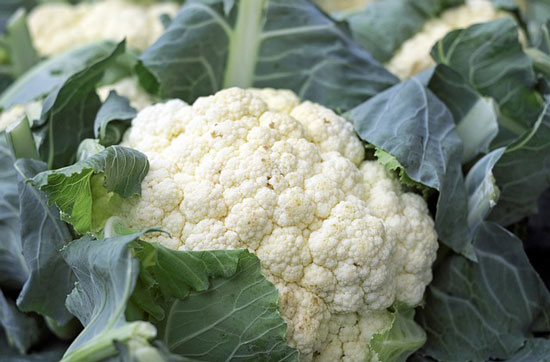
Steamed Cauliflower
- Cut the cauliflower into evenly sized florets.
- Place the florets in a steamer basket over simmering water.
- Cover and steam for 7-10 minutes.
- Remove when a fork slides easily into the stems.
Roasted Cauliflower
- Preheat the oven to 425F.
- Toss the florets with olive oil and seasonings.
- Spread them in a single layer on a baking sheet.
- Roast for 25-30 minutes, stirring halfway through.
Serve roasted cauliflower with homemade white sauce or sprinkle with Parmesan cheese for an easy side dish.
Cauliflower Seasoning Ideas
- Garlic and Parmesan
- Curry powder
- Smoked paprika
- Lemon pepper
How to Cook Corn on the Cob
Corn on the cob cooks quickly and can be boiled, grilled, steamed, or microwaved.
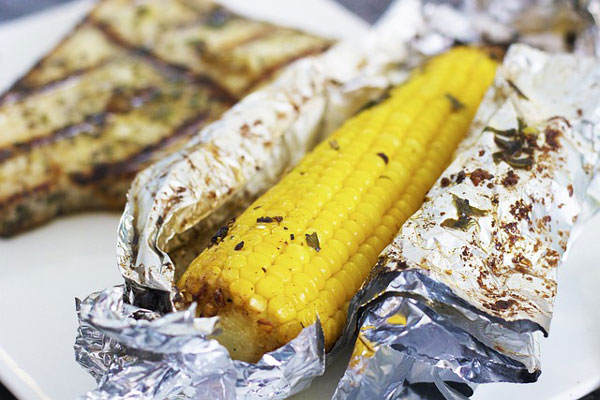
Boiled Corn
- Remove the husks and silk from each ear.
- Bring a large pot of water to a boil.
- Carefully add the corn.
- Boil for 5-8 minutes, depending on the size and freshness.
- Remove with tongs and serve with butter or seasonings.
Grilled Corn
- Brush husked corn lightly with oil or butter.
- Place it on a preheated grill over medium heat.
- Cook for 10-15 minutes, turning every few minutes.
- Remove when the kernels are tender and lightly browned.
Fresh corn also tastes great in soups, salads, and Mexican-inspired meals. Try it alongside your favorite grilled foods or homemade cornbread.
How to Cook Green Beans
Fresh green beans taste best when they are tender-crisp instead of soft and mushy.
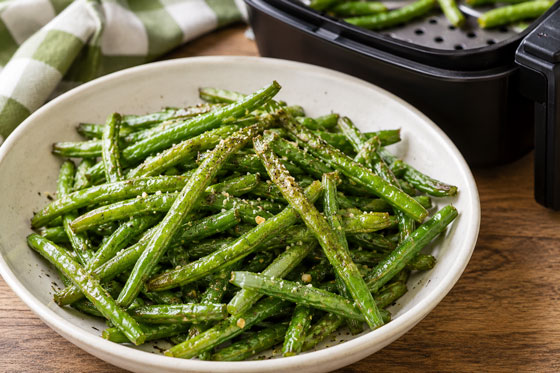
Steamed Green Beans
- Wash the beans and trim off the stem ends.
- Place them in a steamer basket over simmering water.
- Cover and steam for 5-7 minutes.
- Season with butter, garlic, Parmesan cheese, salt, pepper, or lemon juice.
Roasted Green Beans
- Preheat the oven to 425F.
- Toss the green beans with olive oil and seasonings.
- Spread them in a single layer on a baking sheet.
- Roast for 15-20 minutes, stirring once.
You can also prepare them in an air fryer using our air-fryer green beans tutorial or add them to homemade vegetable soup.
Practice Comparing Cooking Methods
Choose one vegetable and cook it two different ways, such as steaming and roasting. Compare the color, texture, sweetness, and flavor to see how each cooking method changes the vegetable.
Kids Cooking Lesson Plans
Want a done-for-you plan?If you're looking for a complete, ready-to-use system, these structured lesson plans and teaching materials can help you save time and confidently teach cooking step-by-step.
Explore Cooking Curriculum ?
More Vegetable Cooking Help
Some vegetables need their own preparation or cooking techniques. Use these step-by-step guides to learn how to prepare leafy greens, winter squash, and other vegetables that may be less familiar to beginner cooks.
Try a New Vegetable Challenge
Choose one unfamiliar vegetable at the grocery store or farmers market. Learn how to prepare it, cook it using one of the methods on this page, and record what you thought about its color, texture, smell, and flavor.
Learn More About Vegetables
Our vegetable food-fact pages include nutrition information, growing facts, cooking ideas, recipes, and activities. Use the groups below to explore vegetables by type.
Root Vegetables and Tubers
Leafy Greens and Salad Vegetables
Broccoli Family Vegetables
Squash and Gourds
Garden Vegetables
Flavor-Building Vegetables
Vegetable or Fruit?
Some foods we cook as vegetables are botanically fruits because they grow from a flower and contain seeds. Tomatoes, peppers, cucumbers, eggplant, zucchini, and pumpkins are familiar examples. In cooking, they are usually grouped with vegetables because of how they are prepared and served.
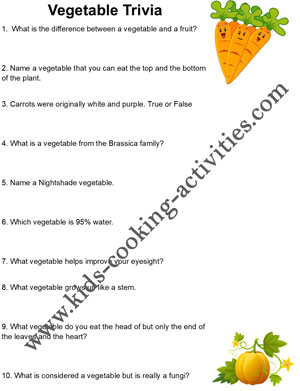
Vegetable Food Trivia Worksheets
Extend the lesson with printable vegetable facts, trivia, and classroom activities. These worksheets can be used with cooking lessons, nutrition units, garden studies, or food science activities.
Vegetable Cooking Challenge
Choose one vegetable, such as broccoli, carrots, zucchini, or green beans, and cook it three different ways.
- Steam it.
- Roast it.
- Saute it.
After tasting each version, compare:
- Color - Which method kept the brightest color?
- Texture - Which was the crispiest? Which was the softest?
- Flavor - Which cooking method tasted the sweetest or your favorite?
Cooking the same vegetable in different ways is a fun way to discover how each cooking method changes its taste and texture.
Related Basic Cooking Lessons
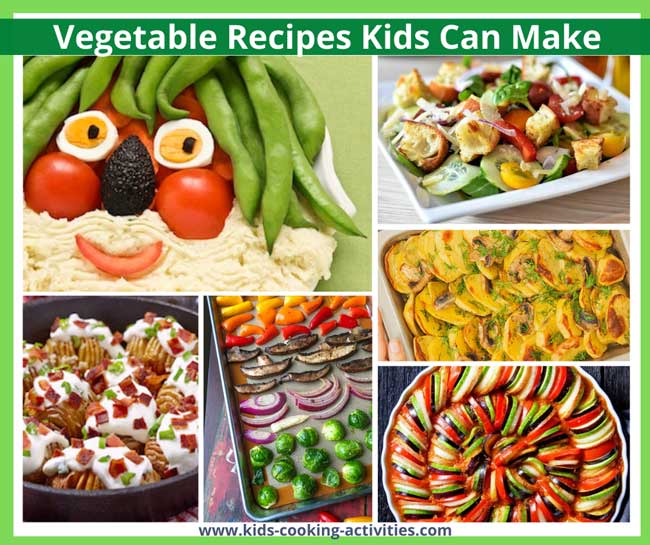
Easy Recipes Kids Can Make
Build confidence in the kitchen with simple recipes children can prepare using basic ingredients.
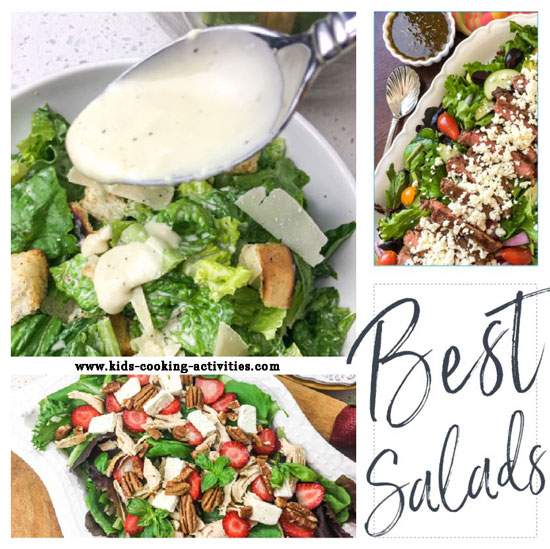
Easy Salad Recipes
Fresh green salads, pasta salads, bean salads, and fruit salads that children can help prepare.
Kitchen Skills
Master the essential kitchen skills every young cook should learn before preparing meals.
Kitchen Safety
Review important safety habits before using knives, appliances, and the stove.

Cooking Methods
Learn when to boil, bake, roast, steam, grill, saute, and more.

Herbs & Spices
Discover beginner-friendly seasonings that make vegetables taste even better.

Homemade Sauces
Serve vegetables with easy cheese sauces, tomato sauces, dressings, and dips.

Food Facts
Learn where vegetables come from, how they grow, why they're good for you and more recipes.
Healthy Meal Ideas
Practice your new vegetable skills with healthy family-friendly recipes.

Basic Cooking Lessons
Continue building your cooking confidence with step-by-step kitchen lessons.
Frequently Asked Questions About Cooking Vegetables
What is the healthiest way to cook vegetables?
Steaming, roasting, microwaving, and air frying with a small amount of oil are all healthy cooking methods. These techniques help vegetables retain much of their natural flavor, color, and nutrients while requiring little added fat.
Should I peel vegetables before cooking?
It depends on the vegetable and the recipe. Potatoes, carrots, cucumbers, and many other vegetables can be cooked with or without their peels after being washed thoroughly. Leaving the peel on often adds fiber and nutrients, while peeling may create a smoother texture for certain recipes.
How do I know when vegetables are fully cooked?
Most vegetables are done when they are fork tender. A fork should slide into the vegetable easily, but it should still hold its shape. Avoid overcooking, which can make vegetables soft, mushy, and dull in color.
Can I use frozen vegetables instead of fresh?
Yes. Frozen vegetables are picked and frozen soon after harvest, making them a convenient and nutritious option. They can usually be steamed, roasted, sauted, microwaved, or added directly to soups, casseroles, and stir-fries.
Why do roasted vegetables taste sweeter?
Roasting removes moisture and caramelizes the vegetables' natural sugars. This creates richer flavors, lightly browned edges, and a slightly sweet taste that many people enjoy.
Which vegetables are easiest for beginner cooks?
Potatoes, carrots, broccoli, cauliflower, green beans, corn, zucchini, and sweet potatoes are excellent vegetables for learning basic cooking techniques because they are easy to prepare and work well with several cooking methods.
Can I prepare vegetables ahead of time?
Yes. Many vegetables can be washed, peeled, and cut one or two days before cooking. Store them in airtight containers in the refrigerator until you're ready to use them.
How should cooked vegetables be stored?
Allow cooked vegetables to cool slightly, then refrigerate them in a covered container within two hours of cooking. Most cooked vegetables will keep for 3 to 4 days and can be reheated for another meal.
Submit your favorite kids recipe
Do you have a favorite recipe your kids love to make? Or a recipe your kids ask you to make again and again? Share it with us!
Continue Building Your Cooking Skills
Learning to cook vegetables is an important step toward becoming a confident cook. As you practice different cooking methods and experiment with herbs, spices, and sauces, you'll discover new flavors and favorite family recipes.
Basic Cooking Lessons Stock and soups 5 mother sauces Yeast and baking breads Herbs and spices Vegetables Dry beans Grains Eggs Different cooking methods Growing an herb garden How to Cook Q&A
Get Free Kids Recipe Cards + Cooking Printables
Join Kids Cooking Activities for fun recipes, cooking ideas, and printable resources for kids, families, and classrooms.
Follow Kids Cooking Activities too:





© Debbie Madson, Madson Web Publishing, LLC — All rights reserved.
The material on this site is for educational purposes only.