South African Recipes
South African recipes are influenced by the country's mixture of people, languages and culture groups. The food is indicative of this mix and has produced a wide range of tastes and techniques.
Get all of our International Cooking Section plus more in one ebook, free of ads and easier to use in cooking activities. Included in the ebook:
- 20+ countries information and recipes
- Dinner menu invitations to print off to create your own international night
- International quizzes
- World maps
- Geography activities
South Africa Facts
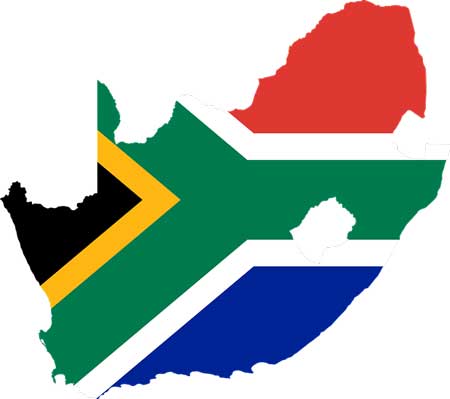
The first white inhabitants in South Africa were primarily three
groups: Dutch, French and British. The food that comes from the
descendants of the Dutch makes up the typical "Boere Kos" (Farmers
Food) that is still enjoyed by many.
South African Recipe
Here is a favourite traditional Mutton Curry recipe.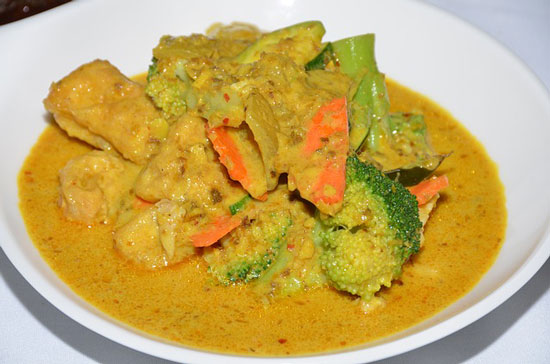
This is a quick and easy choice in our Cape Malay recipes. Mutton being a tougher meat needs a little longer to cook though.
Ingredients:
- 1.5 kg boneless mutton shoulder
- Oil
- 4 onions, chopped
- 15 ml curry powder
- 5 ml turmeric
- 10 ml salt
- 2 ml black pepper
- 1 stick cinnamon
- 3 cloves
- 2 bay leaves
- 2 carrots
- 250g apricots
- 2 bananas, sliced
- 125ml wine vinegar
- 500ml meat stock
Cut meat into cubes, fry in oil until brown. Add onions and sauté. Add curry powder and turmeric, fry lightly. Add all remaining seasonings, then carrots and fruit. Add vinegar and stock, cook until meat is tender, 23 hours. Serve with yellow rice.
Thanks to my good friend Wendy Young from South Africa who put this page together. You can visit her site at South African Homeschool Curriculum.
South African Cooking Recipe Video-Mala Mala Fire Salad
Cooking Around the World Studies
Do you have an International Recipe or World Studies Fact?
Do you have an International recipe or know a lot about a country we could add to our world studies section? You can create your own page.
Related Cooking around World Pages: ~International Cooking for Kids, ~American, ~Asian, ~British, ~Eastern Europe, ~French, ~Greece, ~India, ~Irish, ~Italy, ~Mexico, ~Middle East, ~South Africa, ~Southern USA ~World Studies Unit
Middle Eastern
Back to Kids Cooking Activities
Follow Kids Cooking Activities






The material on this site is for educational purposes only.