

Indian Cooking for Kids
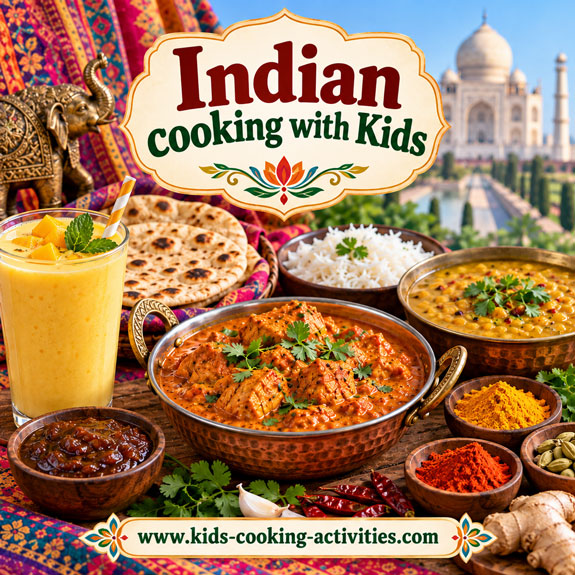
Explore Indian cooking for kids with colorful spices, breads, rice, lentils, yogurt, vegetables and family-friendly recipes. Cooking is also a wonderful way to introduce kids to India's geography, languages, agriculture and many different regional food traditions.
India is a large and diverse country, so there is no single style of "Indian food." Recipes and everyday meals can change greatly from one state, community and family to another. Climate, religion, geography, agriculture and local ingredients have all helped shape what people cook and eat.
Explore India Through Cooking
Turn your Indian cooking day into a hands-on country study. Find India on a map, explore its different landscapes, smell a few Indian spices, learn about rice and wheat, practice a word or phrase and prepare a recipe connected with Indian food traditions.
As kids cook, encourage them to notice how ingredients such as rice, wheat, lentils, yogurt, vegetables, herbs and spices can be combined in many different ways.
India is home to many regions, languages, religions and communities, and its food reflects that diversity. Rice may be especially important in one area while wheat breads are common in another. Coconut, dairy products, seafood, lentils, vegetables and spice combinations also vary from place to place. Instead of thinking of Indian cooking as one cuisine, look for the differences as you explore.
What Kids Will Learn
Cooking gives kids a hands-on way to connect food with geography and culture. During this Indian cooking study, kids can learn:
- Where India is located in Asia
- How India's geography changes from north to south
- Why Indian cooking differs from region to region
- How rice, wheat and lentils are used in everyday meals
- How spices add aroma, color and flavor
- That "spiced" food does not always mean hot food
- Why vegetarian foods are important in many Indian food traditions
- How yogurt, vegetables and legumes are used in Indian cooking
- That India is home to many different languages
- Cooking skills such as measuring spices, marinating, simmering and rolling dough
Kids Cooking Activities Teaching Materials
Teaching kids to cook? Save time with ready-made lesson plans used by parents and teachers. Browse teaching materials →


This page may contain affiliate links. We may earn a small commission at no extra cost to you. Learn more.
Indian Cooking Table of Contents
- What Kids Will Learn
- Explore India
- Indian Food Traditions
- Indian Ingredients & Spices
- Learn a Little Language
- How Food Changes Across India
- Indian Recipes for Kids
- Indian-Inspired Chicken Curry
- Tandoori-Style Chicken
- Indian-Inspired Beef or Lamb Kofta
- Tamarind-Date Chutney
- Mango Lassi
- Easy Red Lentil Dal
- Homemade Chapati
- Indian Cooking Videos
- More Indian Foods to Explore
- Extend Your Indian Cooking Lesson
- World Studies Notebook
- Indian Cooking Questions
Explore India
India is a large country in South Asia. Its landscape includes the Himalayan mountain region in the north, large river plains, deserts, plateaus, forests and long coastlines along the Arabian Sea and Bay of Bengal.
India's size and varied geography help explain why food traditions can be so different from one part of the country to another. Climate and growing conditions influence which grains, fruits, vegetables and spices are available.
Locate Asia on a world map and then find India. Locate New Delhi, the Himalayan region, Arabian Sea, Bay of Bengal and Indian Ocean. Then find some of India's neighboring countries.
Notice how far India stretches from north to south. Ask kids how mountains, tropical coastlines, deserts and fertile farming areas might lead to different foods.
Geography can influence what people grow and cook. Rice grows well in many wetter areas, while wheat is important in many northern regions. Coastal communities may have greater access to fish and seafood, while coconuts grow in tropical areas. Looking at a map can help kids understand why Indian food varies so much.
Indian Food Traditions
Indian cooking uses an enormous variety of ingredients and techniques. Rice, wheat, lentils, beans, vegetables, dairy products, herbs and spices are important in many food traditions, although exactly how they are used varies by region.
Vegetarian cooking is especially important in many Indian communities. Lentils, beans, vegetables, dairy products and grains can be combined to create filling meals without meat. Other Indian food traditions include chicken, lamb, goat, fish or seafood.
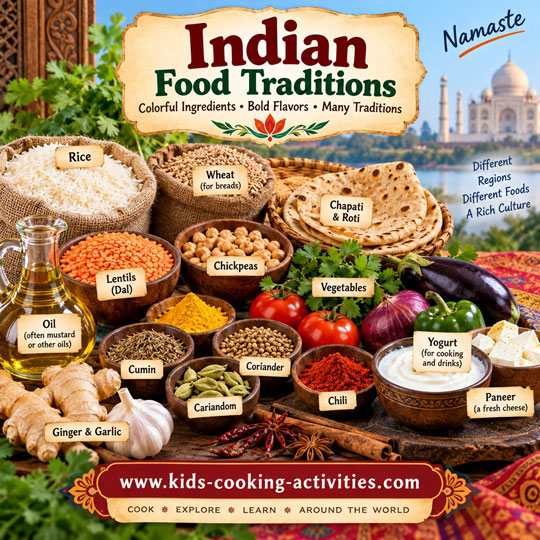
Eating customs vary throughout India. In some families and communities, certain foods may traditionally be eaten with the fingers of the right hand, while spoons and other utensils are also commonly used. Meals may be served on different kinds of dishes, and banana leaves are traditionally used for serving food in some regions and celebrations.
Indian Ingredients & Spices to Explore
Indian cooking is a wonderful way to introduce kids to spices. Let children smell a few spices before cooking and describe what they notice. Remind them that spiced food does not necessarily mean spicy-hot food.
Set out small amounts of several spices such as cumin, coriander, turmeric, cardamom and cinnamon. Smell each one without tasting the dry spice directly. Describe the aroma and compare the colors. Then look through the recipes below and find where each spice is used.
The word curry is often used in English for many different sauced or seasoned dishes, but Indian cooking does not have just one curry or one curry flavor. Different dishes use their own combinations of spices, herbs and other ingredients. Even packaged "curry powder" is a spice blend rather than one individual spice.
Learn a Little Language
India is home to many languages. Hindi is widely spoken, but it is only one of the languages used across the country. Bengali, Marathi, Telugu, Tamil, Gujarati, Urdu, Kannada, Malayalam, Punjabi and many others are also spoken.
For a simple language activity, learn a few Hindi words and remember that people in other parts of India may use different languages and words.
Find out which languages are spoken in the Indian region or state you are studying. Compare the writing systems or learn how to say the name of one food in a local language.
How Food Changes Across India
India is so large and diverse that broad labels such as "northern" or "southern" cooking only begin to describe its food. Every region includes many communities and local traditions, but comparing broad areas can help kids begin to see how geography and ingredients influence cooking.
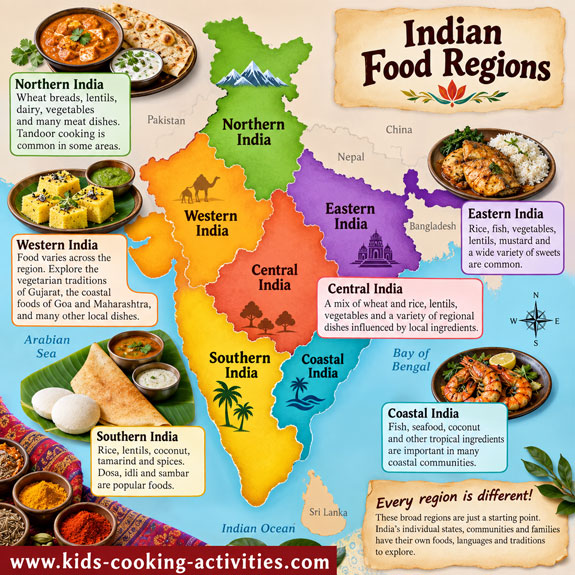
Draw or print a map of India. As you learn about foods, add small pictures or words for rice, wheat, lentils, coconut, tea, spices, fish, breads or vegetables. Rather than assigning every food to one exact place, use the activity to investigate how ingredients and dishes change around the country.
Indian Recipes for Kids
Bring your India study into the kitchen with recipes that introduce kids to several important ingredients and cooking techniques. Kids can measure spices, mix marinades, simmer lentils, blend yogurt drinks and roll flatbread dough.
Indian recipes vary greatly by region and family. These kid-friendly versions are a starting point for exploring ingredients and techniques rather than the only way each food can be prepared.
Where Should We Start?
For practicing a marinade: Try Tandoori-Style Chicken.
For shaping and seasoning meat: Make Indian-Inspired Beef or Lamb Kofta.
For a vegetarian recipe: Make Easy Red Lentil Dal.
For a cool drink: Blend a Mango Lassi.
For hands-on cooking: Roll Homemade Chapati.
For a sweet-and-tangy condiment: Try Tamarind-Date Chutney.
Chicken & Main Dish Recipes
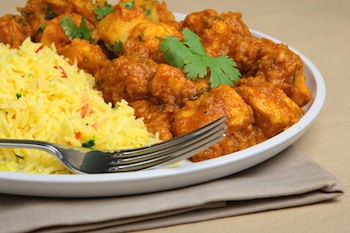
Easy Indian-Inspired Chicken Curry
This beginner-friendly chicken curry introduces kids to onion, garlic, ginger and warm spices. Serve it with rice or flatbread for an easy family meal.

Ingredients
- 1 pound boneless skinless chicken, cut into bite-size pieces
- 1 tablespoon vegetable oil
- 1 medium onion, chopped
- 2 cloves garlic, minced
- 1 tablespoon fresh grated ginger
- 1 teaspoon ground cumin
- 1 teaspoon ground coriander
- 1/2 teaspoon turmeric
- 1/2 teaspoon paprika
- 1/2 teaspoon garam masala
- 1 cup crushed tomatoes or tomato sauce
- 1/2 cup plain yogurt
- 1/2 teaspoon salt, or to taste
- Cooked rice, for serving, optional
Directions
- Measure the spices into a small bowl and set aside.
- Adult Step: Heat the oil in a large skillet over medium heat.
- Add the onion and cook until softened, about 5 minutes.
- Add the garlic and ginger and cook for about 30 seconds.
- Stir in the cumin, coriander, turmeric, paprika and garam masala.
- Add the chicken and cook for several minutes, stirring to coat the pieces with the spices.
- Stir in the tomatoes and salt.
- Reduce the heat, cover and simmer until the chicken is completely cooked and reaches an internal temperature of 165F (74C).
- Reduce the heat to low and stir in the yogurt.
- Warm gently without bringing the yogurt mixture to a hard boil.
- Serve with cooked rice or flatbread if desired.
Kid-Friendly Tip: Kids can measure the spices, stir together the spice mixture and help spoon rice into serving bowls. Keep children away from raw chicken unless they are old enough to follow food-safety directions closely.
Before cooking, smell the cumin, coriander, turmeric and garam masala separately. Smell the finished curry afterward and see whether you can still recognize any of the individual aromas.
Tandoori-Style Chicken
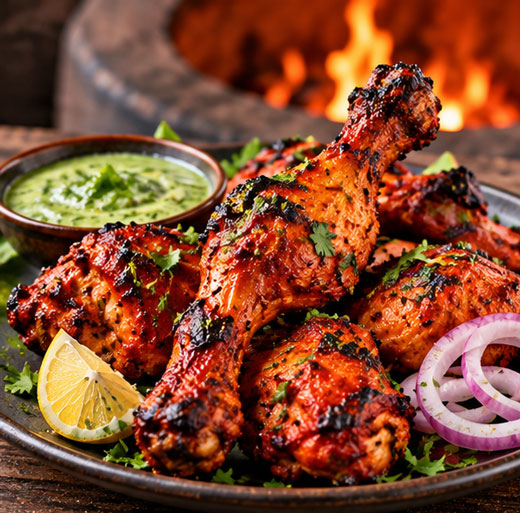
Tandoori chicken is associated with cooking in a tandoor, a very hot clay oven. Most families do not have a tandoor at home, so this kid-friendly version uses a yogurt-and-spice marinade and can be cooked in a regular oven or on a grill.
Ingredients
- 1 pound boneless skinless chicken thighs, drumsticks or breasts
- 1/2 cup plain yogurt
- 1 tablespoon fresh lemon juice
- 1 tablespoon vegetable oil
- 2 cloves garlic, minced
- 1 teaspoon grated fresh ginger
- 1 teaspoon ground cumin
- 1 teaspoon paprika
- 1/2 teaspoon ground coriander
- 1/2 teaspoon garam masala
- 1/2 teaspoon salt
Directions
- In a bowl, stir together the yogurt, lemon juice, oil, garlic, ginger, cumin, paprika, coriander, garam masala and salt.
- Add the chicken and turn until coated with the marinade.
- Cover and refrigerate for at least 2 hours or up to overnight.
- Remove the chicken from the marinade and discard the leftover marinade.
- Adult Step: Bake or grill the chicken until it is completely cooked and reaches an internal temperature of 165F (74C).
- Allow the chicken to rest briefly before slicing and serving.
Kid-Friendly Tip: Kids can measure and stir together the yogurt marinade. Use a separate spoon for tasting any yogurt or seasonings before raw chicken is added.
A tandoor is a deep clay oven that can reach very high temperatures. Foods such as breads and marinated meats can cook quickly against or near its hot walls. Our home-kitchen version won't taste exactly the same, but it introduces kids to the idea of tandoor cooking.
Indian-Inspired Beef or Lamb Kofta
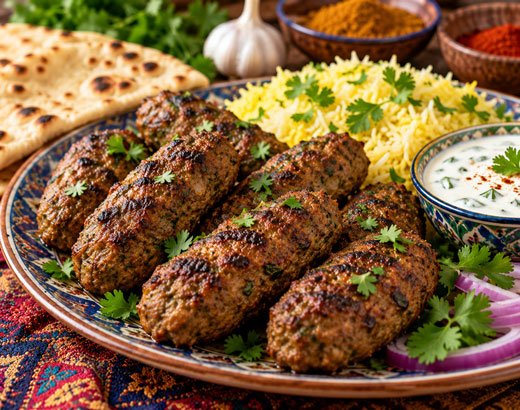
These flavorful kofta are made with ground beef or lamb, onion, garlic and warm spices. Kids can help measure the seasonings and mix and shape the meat with adult supervision. Shape the mixture into small sausage shapes or oval patties, then bake or grill until completely cooked.
Ingredients
- 1 lb. lean ground beef or ground lamb
- 1 small onion, grated
- 3 garlic cloves, minced
- 2 teaspoons ground cumin
- 2 teaspoons paprika
- 1 teaspoon ground cinnamon
- 1 teaspoon dried oregano
- 1/4 teaspoon cayenne pepper, optional or to taste
- 1 teaspoon salt
- 1 teaspoon black pepper
Directions
- Preheat the oven to 400F (200C) if baking the kofta.
- Add the ground beef or lamb, onion, garlic, cumin, paprika, cinnamon, oregano, cayenne pepper, salt and black pepper to a large bowl.
- Mix until the seasonings are evenly distributed. Avoid overworking the meat.
- Divide the mixture into equal portions and shape each portion into a short sausage shape or oval patty.
- Place the kofta on a lightly greased or parchment-lined baking sheet.
- Bake for about 15–20 minutes, turning once, until browned and completely cooked. Ground beef or lamb should reach an internal temperature of 160F (71C).
- For grilling, have an adult cook the kofta over medium-high heat, turning as needed, until browned and cooked to 160F (71C).
- Serve warm with rice, flatbread, vegetables or a yogurt-based sauce.
Kid-Friendly Tip: Let kids measure the spices before the raw meat is added. Older kids can help shape the kofta with clean hands, followed by thorough handwashing and cleanup of any surfaces that touched raw meat.
Kofta refers to seasoned meatballs, patties or shaped ground-meat dishes found in many food traditions across South Asia, the Middle East, Central Asia and surrounding regions. Ingredients, spices, shapes and cooking methods vary widely, so this recipe is one simple Indian-inspired version rather than a recipe representing all kofta.
Condiments, Drinks & Vegetarian Recipes
Easy Tamarind-Date Chutney
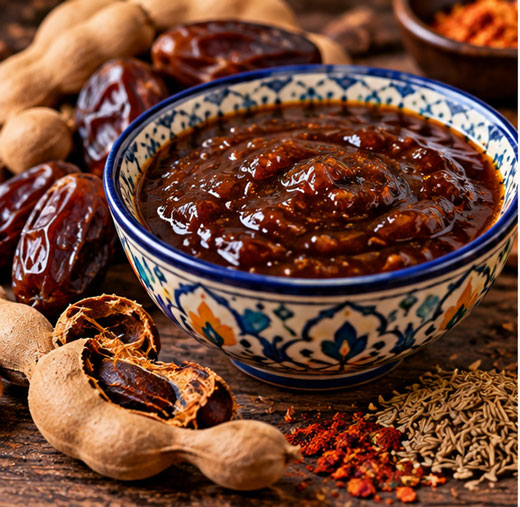
This sweet-and-tangy chutney combines tamarind and dates with warm spices. Serve a small amount with snacks, grilled foods or other savory dishes.
Ingredients
- 1/2 cup tamarind paste
- 1/2 cup chopped pitted dates
- 2 cups water
- 1/2 teaspoon ground cumin
- 1/2 teaspoon ground ginger
- 1/4 teaspoon chili powder, optional
- 1/2 teaspoon salt
- 1/2 cup brown sugar
Directions
- Add the tamarind paste, dates, water, cumin, ginger, chili powder if using, salt and brown sugar to a saucepan.
- Adult Step: Bring the mixture to a gentle simmer.
- Cook for about 15 to 20 minutes, stirring occasionally, until the dates are very soft.
- Remove from the heat and allow the mixture to cool slightly.
- Blend until smooth, adding a little extra water if needed to reach the desired consistency.
- Cool before serving.
Kid-Friendly Tip: Kids can measure the ingredients and compare the sweet dates with the tart tamarind before cooking.
Chutney is a broad name for many kinds of condiments. Depending on the recipe, chutneys can be fresh or cooked, sweet, tangy, spicy or savory and may be made from fruits, herbs, vegetables or other ingredients.
Easy Mango Lassi
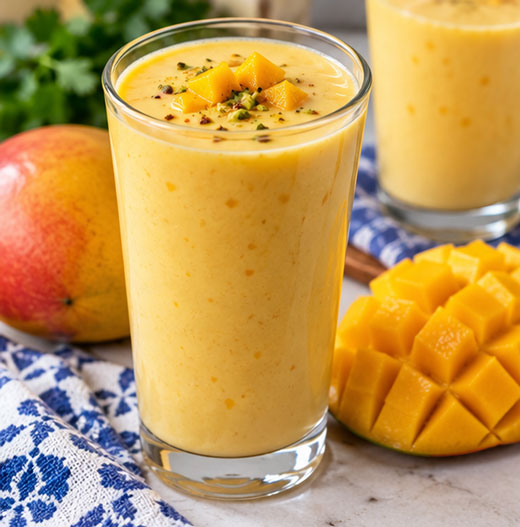
A lassi is a yogurt-based drink with many variations. This fruit version combines yogurt and mango for an easy recipe kids can prepare in a blender.
Ingredients
- 1 cup plain yogurt
- 1 cup chopped ripe mango or frozen mango
- 1/2 cup milk
- 1 to 2 teaspoons honey or sugar, optional
- Pinch of ground cardamom, optional
- A few ice cubes, optional
Directions
- Add the yogurt, mango and milk to a blender.
- Add honey or sugar, cardamom and ice if desired.
- Secure the blender lid.
- Blend until smooth and creamy.
- Pour into glasses and serve cold.
Kid-Friendly Tip: Kids can measure the ingredients and add them to the blender while it is turned off. An adult should supervise blender use.
Taste plain yogurt before blending the drink. Then taste the finished mango lassi. How do the fruit and cardamom change the flavor, color and texture?
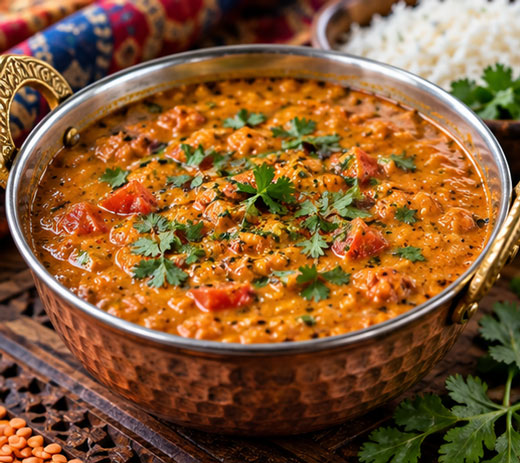
Easy Red Lentil Dal
Dal can refer to split pulses such as lentils as well as dishes prepared from them. There are many different kinds of dal throughout South Asia. This simple red lentil version is a good introduction for kids.
Ingredients
- 1 cup red lentils, rinsed
- 3 cups water
- 1 tablespoon vegetable oil
- 1 small onion, finely chopped
- 2 cloves garlic, minced
- 1 teaspoon grated fresh ginger
- 1 teaspoon ground cumin
- 1/2 teaspoon turmeric
- 1 tomato, diced
- 1/2 teaspoon salt, or to taste
- 2 tablespoons chopped cilantro, optional
- Cooked rice or chapati, for serving, optional
Directions
- Rinse the lentils in a fine-mesh strainer.
- Add the lentils and water to a saucepan.
- Adult Step: Bring to a boil, then reduce the heat and simmer until the lentils are very soft, about 15 to 20 minutes.
- Meanwhile, heat the oil in a skillet over medium heat.
- Add the onion and cook until softened.
- Add the garlic, ginger, cumin and turmeric and cook for about 30 seconds.
- Stir in the diced tomato and cook for another 2 to 3 minutes.
- Add the onion and spice mixture to the cooked lentils.
- Stir in the salt and simmer for a few more minutes. Add a little water if you prefer a thinner dal.
- Sprinkle with cilantro if desired and serve with rice or chapati.
Kid-Friendly Tip: Let kids sort and rinse the lentils before cooking. Compare the dry lentils with the cooked lentils and notice how much their texture changes.
There isn't just one recipe for dal. Different lentils and pulses, spices and cooking techniques are used throughout India and neighboring countries. Try comparing several recipes and look for similarities and differences.
Indian Breads
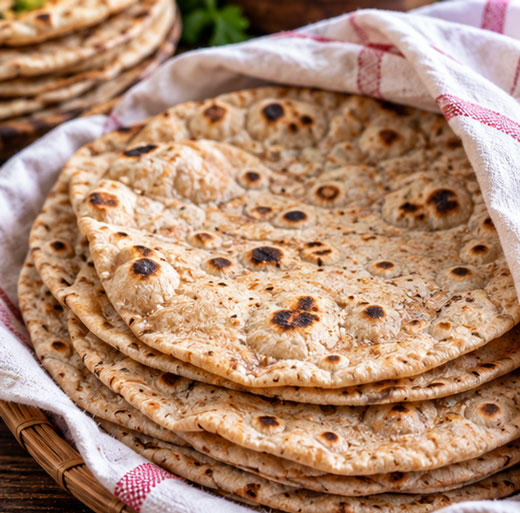
Homemade Chapati
Chapati, also called roti in many contexts, is an unleavened flatbread made from whole wheat flour and water. Because it does not use yeast, kids can mix, knead and roll the dough without waiting for it to rise.
Ingredients
- 2 cups whole wheat atta flour or whole wheat flour
- 1/2 teaspoon salt, optional
- About 3/4 cup warm water
- 1 teaspoon oil, optional
Directions
- Add the flour and salt to a mixing bowl.
- Add the warm water a little at a time, mixing until a soft dough forms.
- Knead the dough for about 5 minutes, until smoother and elastic.
- Cover and let the dough rest for about 20 minutes.
- Divide the dough into small balls.
- On a lightly floured surface, roll each ball into a thin circle.
- Adult Step: Heat a dry skillet or griddle over medium-high heat.
- Cook one chapati at a time until bubbles begin to form and brown spots appear underneath.
- Flip and cook the other side until lightly browned and cooked through.
- Stack the cooked chapati under a clean kitchen towel to help keep them soft.
Kid-Friendly Tip: Rolling dough is an excellent job for kids. Don't worry if the chapati aren't perfectly round—the goal is practicing the technique.
Look at a map of India and investigate areas where rice is especially important and areas where wheat breads are commonly eaten. Think about how rainfall, climate and farming can affect which grains become everyday foods.
Indian Cooking Videos
Indian-Style Rice
Watch how rice can be prepared with Indian-inspired seasonings, then compare the method with the way your family usually prepares rice.
Chapati Indian Flat Bread
After making the chapati recipe above, watch another method for preparing Indian flatbread and compare the techniques.
More Indian & South Asian-Inspired Cooking Ideas
Keep exploring some of the ingredients and cooking skills used in this lesson. These related activities are useful for practicing with rice, legumes, vegetables, herbs and spices.
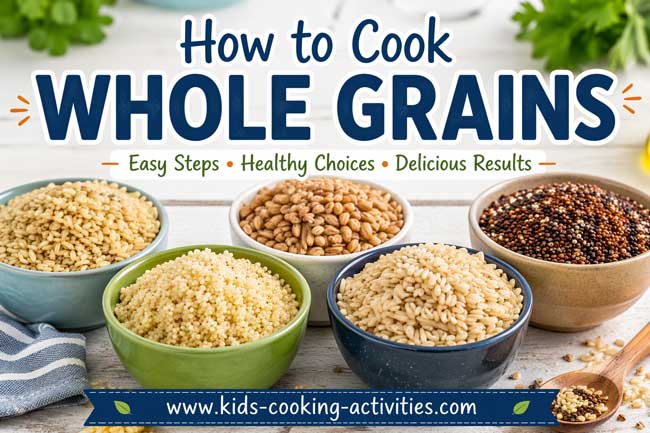


Choose one skill from these related lessons and connect it to your India study. Kids might cook rice to serve with dal, investigate lentils and other legumes, compare spice combinations or prepare a vegetable side dish using some of the flavors explored on this page.
More Indian Foods to Explore
You don't have to prepare every food during your India study. Choose a few additional dishes to research, look for on a restaurant menu or add to your World Studies notebook.
Indian cooking includes breads, rice dishes, lentils, vegetables, grilled foods, snacks, chutneys, yogurt dishes, sweets and much more. Exploring foods by their individual names gives kids a much broader picture of Indian cooking than simply labeling everything "curry."
Extend Your Indian Cooking Lesson
Use these activities to connect cooking with geography, agriculture, language and food science.
Choose several small foods rather than preparing one large recipe. You might serve dal, chapati, rice, cucumber or vegetables, yogurt and chutney. Ask kids to identify the grains, legumes, dairy products and spices in the meal.
When exploring a country as large as India, remind kids that one recipe cannot represent the entire country. Ask where a food comes from, what ingredients it uses and whether different regions prepare related foods in different ways.
World Studies Notebook
Add India to your Cooking Around the World notebook. Combine geography, language, food and cooking skills on one country-study page.
Include:
- Country: India
- Continent: Asia
- Capital: New Delhi
- The Indian flag
- India and its surrounding waters on a map
- One Indian state you investigated
- One language spoken in India
- One spice or ingredient you investigated
- One Indian food you learned about
- A recipe you prepared
- A cooking skill you practiced
- A drawing or photograph of your finished food
Write one sentence explaining how geography might influence food in one part of India. Kids might choose mountains, monsoon rainfall, farming regions, tropical climates or access to the sea as their example.
Continue Your Cooking Around the World Study
Travel to another country through food, or return to the World Cooking hub to choose your next lesson.
Cooking Around the World Curriculum
Continue your India study with our Cooking Around the World Curriculum. Kids can explore geography, culture, food traditions and hands-on cooking while learning about countries and regions around the world.
Use the Indian cooking activities on this page as part of a larger country study, homeschool geography lesson, classroom activity or family Cooking Around the World project.
Do you have an International Recipe or World Studies Fact?
Do you have an International recipe or know a lot about a country we could add to our world studies section? You can create your own page.
Indian Cooking Questions
Indian food varies greatly by region, but rice, wheat, lentils, beans, vegetables, dairy products, herbs and spices are important in many food traditions. Chicken, lamb, goat, fish and seafood are also eaten in different communities and regions.
Mango lassi is an easy beginner recipe because kids can measure ingredients and help use a blender with adult supervision. Kids can also rinse lentils for dal, measure spices for curry, mix a yogurt marinade or roll dough for chapati.
No. Indian food can contain many spices without being hot. Spices such as cumin, coriander, turmeric, cardamom and cinnamon add aroma and flavor without necessarily adding chile heat. The amount of hot pepper used varies by dish, region and family preference.
Cumin, coriander, turmeric, cardamom and cinnamon are good spices to investigate. Kids can compare their colors and aromas and then look for them in different recipes.
Curry powder is a spice blend rather than one individual spice. Different blends can contain different ingredients. Indian cooking uses many individual spices and spice blends, and there is no single curry flavor or curry recipe.
Lentils and other pulses are used in many Indian dishes and provide protein, fiber and other nutrients. Many kinds of dal are prepared with different pulses, seasonings and cooking methods.
Chapati is generally an unleavened whole wheat flatbread cooked on a hot griddle or skillet. Naan is a different style of flatbread that is usually leavened and traditionally cooked in a hot tandoor oven. Recipes and preparation methods can vary.
No. India has many states, languages, religions, communities and regional food traditions. Ingredients and meals can change greatly depending on geography, climate, local agriculture, culture and family traditions.
Kids can practice measuring, mixing, simmering, marinating and rolling dough while learning about spices, grains, lentils and other ingredients. Cooking can also introduce India's geography, languages, agriculture and regional diversity.
Find India in South Asia and locate New Delhi, the Himalayan region, Arabian Sea, Bay of Bengal and Indian Ocean. Choose one or two Indian states to investigate and compare their climate, agriculture, languages and foods.
Where Will You Cook Next?
Keep traveling through food. Choose another country or region and compare its geography, ingredients and cooking traditions with what you discovered in India.
Take Me to Another World Cooking Lesson: Middle Eastern Cooking
Back to Kids Cooking Activities
Explore More Cooking Around the World
Get Free Kids Recipe Cards + Cooking Printables
Join Kids Cooking Activities for fun recipes, cooking ideas, and printable resources for kids, families, and classrooms.
Follow Kids Cooking Activities too:





© Debbie Madson, Madson Web Publishing, LLC — All rights reserved.
The material on this site is for educational purposes only.