

- Home ›
- Recipe Index ›
- Soup Recipes ›
- Minestrone Soup Recipes
Easy Minestrone Soup Recipes
Minestrone is a hearty Italian-style soup made with vegetables, tomatoes, beans, broth, and often pasta. It is flexible enough to change with the vegetables in your refrigerator, the beans in your pantry, or the seasonings your family enjoys.
Our classic recipe includes beans, zucchini, cabbage, tomatoes, and broken spaghetti. The second recipe is a thicker beef-and-vegetable variation with potatoes, corn, green beans, and cabbage. Although both are filling one-pot meals, they teach different soup-making skills and do not taste exactly alike.
Before beginning, visit our How to Make Soup lesson to learn how to build flavor, add ingredients in the right order, season broth, and prevent pasta from becoming mushy.

Kids Cooking Activities Teaching Materials
Teaching kids to cook? Save time with ready-made lesson plans used by parents and teachers. Browse teaching materials →


This page may contain affiliate links. We may earn a small commission at no extra cost to you. Learn more.
On This Page
Start Here: Choose Your Soup
- Want traditional minestrone ingredients? Make the Classic Bean and Pasta Minestrone with zucchini, kidney beans, chickpeas, cabbage, tomatoes, and pasta.
- Prefer a meatier family dinner? Try the Hearty Beef Garden Soup with ground beef, potatoes, corn, green beans, cabbage, and tomatoes.
- Planning a slow cooker meal? Use the slow cooker directions and add pasta and zucchini near the end.
- Preparing freezer meals? Leave pasta out until the soup is thawed and reheated.
- Need a vegetarian dinner? Omit the meat and use vegetable broth in the classic recipe.
Kid Chef Jobs
- Measure broth, beans, pasta, herbs, water, and tomato paste.
- Drain and rinse canned beans in a colander.
- Wash zucchini, carrots, celery, cabbage, and potatoes.
- Tear cabbage leaves or fresh herbs into smaller pieces.
- Break dry spaghetti into short pieces over a large bowl.
- Add cooled ingredients to the soup pot or slow cooker.
- Taste a cooled spoonful and help adjust the herbs or pepper.
Adult job: Handle knives, browning meat, draining grease, boiling liquid, the hot soup pot, and the heated slow cooker insert.
What Makes a Soup Minestrone?
Minestrone does not require one exact list of ingredients. Most versions combine broth, tomatoes, several vegetables, beans, herbs, and either pasta, rice, or potatoes. The recipe often changes according to the season and the ingredients available.
Classic Bean and Pasta Minestrone
This colorful minestrone combines vegetables, two kinds of beans, tomatoes, herbs, and broken spaghetti. Add sausage or ground beef for a meatier soup, or leave it out and use vegetable broth for a vegetarian meal.



Yield: About 8 servings
Cooking method: Stovetop, with slow cooker directions below
Ingredients
- 1 pound Italian sausage or ground beef, optional
- 1 small onion, diced
- 1 cup diced carrots
- 1/2 cup chopped celery
- 1/2 cup chopped cabbage
- 1 small zucchini, diced
- 2 cans (14 to 15 ounces each) low-sodium chicken or vegetable broth
- 1 can (15 to 16 ounces) kidney beans, drained and rinsed
- 1 can (15 ounces) chickpeas or garbanzo beans, drained and rinsed
- 1 can (28 ounces) diced tomatoes with their juice
- 1 1/2 cups water
- 2 teaspoons dried basil
- 2 teaspoons dried oregano
- 4 ounces spaghetti, broken into 1-inch pieces
- Salt and black pepper, to taste
- Grated Parmesan cheese, for serving
- 1 tablespoon olive oil, if making the soup without meat
Directions
- If using sausage or ground beef, add it to a large soup pot over medium heat. Add the diced onion and cook until the meat is browned and the onion is tender.
- If making the soup without meat, heat 1 tablespoon olive oil in the pot. Add the onion and cook for about 4-5 minutes, until softened.
- Drain excess grease from the pot if necessary.
- Add the carrots, celery, cabbage, diced tomatoes, broth, water, kidney beans, chickpeas, basil, and oregano.
- Bring the soup to a gentle boil.
- Reduce the heat and simmer for about 20 minutes, or until the carrots and celery are almost tender.
- Add the diced zucchini and broken spaghetti.
- Continue simmering for 8-12 minutes, stirring occasionally, until the pasta and zucchini are tender.
- Taste and season with salt and black pepper.
- Serve with grated Parmesan cheese, if desired.
Learn how to prepare, store, and use different beans in our How to Cook Beans lesson.
Hearty Beef Garden Soup
This hearty beef-and-vegetable soup uses ground beef, potatoes, cabbage, corn, green beans, tomatoes, and beef broth. Unlike classic minestrone, it does not contain beans or pasta, giving it a thicker texture and a distinctly different flavor.

Yield: About 10-12 servings
Cooking method: Stovetop
Ingredients
- 1 pound ground beef
- 1 onion, grated or chopped
- 3 garlic cloves, minced
- 2 celery stalks, chopped
- 2 carrots, diced
- 1 package (10-12 ounces) frozen corn
- 1 package (10-12 ounces) frozen green beans
- 1 can (28 ounces) chopped or diced tomatoes
- 1 can (6 ounces) tomato paste
- 3-4 potatoes, peeled and diced
- 1/2 head cabbage, chopped
- 1 teaspoon dried basil
- 1/2 teaspoon dried oregano
- 1/2 teaspoon black pepper
- 2 bay leaves
- 4 cups low-sodium beef broth
- 4 cups water, plus more as needed
- Salt, to taste
Directions
- Add the ground beef, onion, and garlic to a large stockpot over medium heat.
- Cook until the beef is browned and the onion is tender, breaking the meat into small pieces as it cooks.
- Drain excess grease and return the beef mixture to the pot.
- Add the celery, carrots, corn, green beans, tomatoes, tomato paste, potatoes, cabbage, basil, oregano, pepper, and bay leaves.
- Pour in the beef broth and 4 cups water.
- Stir until the tomato paste is evenly distributed.
- Bring the soup to a gentle boil.
- Reduce the heat and simmer for 30-40 minutes, or until the potatoes, carrots, and cabbage are tender.
- Add additional water if the soup becomes thicker than you prefer.
- Remove the bay leaves.
- Taste before adding salt because the broth and tomato products may already contain sodium.
Compare the Two Soup Recipes
| Recipe | Main Ingredients | Best For |
|---|---|---|
| Classic Bean and Pasta Minestrone | Beans, zucchini, cabbage, tomatoes, pasta, and optional meat | Learning how to time pasta and quick-cooking vegetables |
| Hearty Beef Garden Soup | Ground beef, potatoes, cabbage, corn, green beans, and tomatoes | Making a large, filling soup that freezes well |
Slow Cooker Minestrone Directions
- Brown the sausage or ground beef with the onion in a skillet. Drain excess grease.
- Add the cooked meat and onion to the slow cooker.
- Add the carrots, celery, cabbage, tomatoes, broth, water, drained beans, basil, and oregano.
- Cover and cook on Low for 6-8 hours or High for 3-4 hours.
- Add the zucchini during the final 30-45 minutes.
- For the best texture, cook pasta separately and add it to each bowl.
- If cooking the pasta in the slow cooker, add it during the final 20-30 minutes and check it frequently.
- Taste the soup and adjust the seasonings before serving.
Review our Slow Cooker Cooking Lesson before children help prepare or serve the soup.
Easy Minestrone Variations
- Vegetarian minestrone: Omit the meat and use vegetable broth.
- White bean minestrone: Replace kidney beans with cannellini beans.
- Three-bean minestrone: Use kidney beans, chickpeas, and white beans.
- Whole-grain minestrone: Replace pasta with cooked barley, brown rice, or another whole grain.
- Leafy green minestrone: Stir in spinach, kale, or Swiss chard during the final few minutes.
- Summer minestrone: Add zucchini, yellow squash, green beans, corn, and fresh basil.
- Winter minestrone: Add potatoes, cabbage, carrots, beans, and rosemary.
- Cheesy minestrone: Top each bowl with Parmesan or shredded mozzarella.
- Spicy minestrone: Add crushed red pepper or use spicy Italian sausage.
- Pesto minestrone: Stir a spoonful of pesto into each bowl before serving.
Storing and Freezing Minestrone
- Cool leftover soup promptly and transfer it to covered containers.
- Store refrigerated soup for 3-4 days.
- For freezer meals, leave out pasta and zucchini before freezing.
- Freeze the cooled soup in meal-size portions with room for expansion.
- Thaw frozen soup in the refrigerator.
- Add fresh zucchini while the thawed soup reheats and simmer until the zucchini is tender.
- Cook pasta separately and add it shortly before serving.
- Add extra broth or water if stored soup becomes too thick.
Find more planning tips on the Freezer Meals page.
Classic Minestrone Soup Video
Watch this classic minestrone demonstration for another way to combine vegetables, beans, tomatoes, broth, and pasta.
More Hearty Soup Recipes
Continue cooking with tomato, bean, pasta, potato, chicken, beef, and international soup recipes.

Pasta Fagioli Soup
Try another Italian soup made with beans, pasta, tomatoes, vegetables, and herbs.

Vegetable Soup Recipes
Practice chopping vegetables while making healthy homemade soups.

Tomato Soup Recipes
Make classic blended tomato soup, creamy tomato basil soup, or chunky vegetable soup.

Bean Soup Recipes
Use kidney beans, white beans, lentils, chickpeas, or split peas in hearty soups.
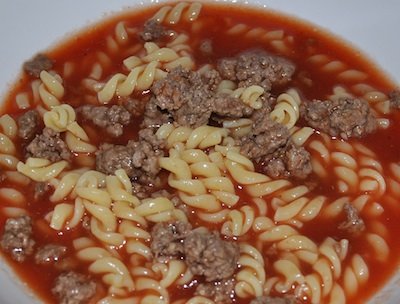
Simple Hamburger Soup
Combine ground beef, tomatoes, broth, and vegetables in an easy family dinner.

Lasagna Soup
Enjoy tomato broth, ground meat, pasta, herbs, and cheese in a lasagna-inspired soup.

Potato Soup Recipes
Choose creamy, chunky, stovetop, or slow cooker potato soups and chowders.

Chicken Soup Recipes
Make chicken soup with vegetables, noodles, rice, broth, or creamy bases.
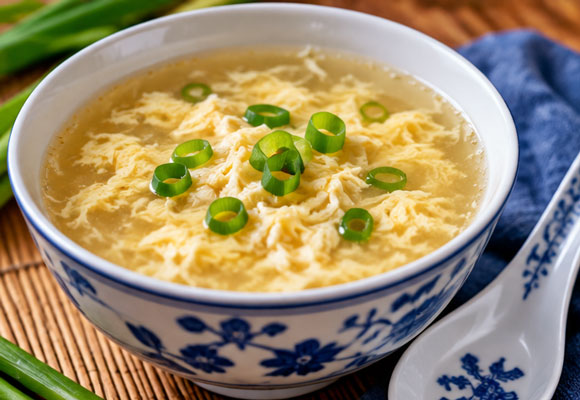
Egg Drop Soup
Practice slowly pouring beaten egg into hot broth to create delicate ribbons.

Complete Soup Collection
Browse broth soups, cream soups, chowders, stews, chili, stocks, and soup lessons.
Frequently Asked Questions About Minestrone Soup
What is traditionally included in minestrone soup?
Minestrone usually contains broth, tomatoes, beans, vegetables, herbs, and either pasta, rice, or potatoes. Recipes vary according to the season and the ingredients available.
Does minestrone soup have to contain meat?
No. Minestrone is often vegetarian, although some recipes include sausage, ground beef, bacon, or another meat. Use vegetable broth and omit meat for a vegetarian version.
What beans are best for minestrone?
Kidney beans, cannellini beans, chickpeas, navy beans, and great northern beans all work well. Use one type or combine several varieties.
What pasta works best in minestrone?
Small pasta shapes such as ditalini, elbows, shells, or broken spaghetti are easy to eat in soup. Cook pasta separately when planning leftovers so it does not absorb too much broth.
Can I make minestrone in a slow cooker?
Yes. Brown any meat first, then slow cook the broth, tomatoes, beans, firm vegetables, and dried herbs. Add zucchini and pasta near the end, or cook the pasta separately.
Can minestrone soup be frozen?
Yes. For the best texture, freeze minestrone without pasta or zucchini. Add those ingredients when thawing and reheating the soup.
How can I make minestrone thicker?
Simmer the soup uncovered, mash some of the beans, add tomato paste, or blend a cup of soup and stir it back into the pot.
How can I make minestrone less salty?
Use low-sodium broth, rinse canned beans, and wait until the soup is finished before adding salt. Additional unsalted broth, water, vegetables, or beans can help balance a salty soup.
Can I use frozen vegetables in minestrone?
Yes. Frozen corn, green beans, peas, spinach, and mixed vegetables are convenient additions. Add quick-cooking frozen vegetables near the end so they retain their color and texture.
What can kids help with when making minestrone?
Children can measure ingredients, rinse canned beans, wash vegetables, tear cabbage and herbs, break spaghetti, add cooled ingredients, and choose toppings. Adults should handle knives, browning meat, hot cookware, and boiling soup.
Share Your Favorite Minestrone Soup
Does your family have a favorite way to make minestrone? Share your vegetables, beans, pasta choices, seasonings, or slow cooker tips below.
Submit your favorite kids recipe
Do you have a favorite recipe your kids love to make? Or a recipe your kids ask you to make again and again? Share it with us!
Get Free Kids Recipe Cards + Cooking Printables
Join Kids Cooking Activities for fun recipes, cooking ideas, and printable resources for kids, families, and classrooms.
Follow Kids Cooking Activities too:





© Debbie Madson, Madson Web Publishing, LLC — All rights reserved.
The material on this site is for educational purposes only.