

Egg in a Bottle Experiment for Kids
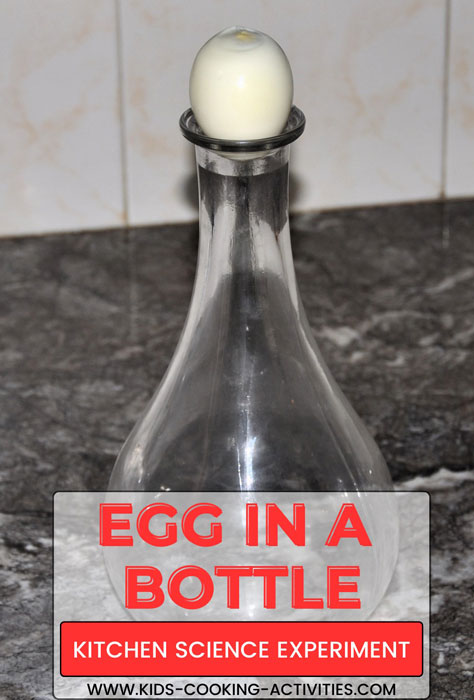
The egg in a bottle experiment is a fun food science activity that helps kids see air pressure in action. In this experiment, a peeled hard-boiled egg appears to get pulled into a bottle, even though the bottle opening looks too small.
This experiment is exciting for kids to watch, predict, and observe, but an adult should perform the part that uses fire. First, you will need a hard-boiled egg. Let it cool and peel the egg before beginning.
This activity is part of our Food Science Experiments for Kids collection where you can explore kitchen chemistry, growing experiments, and edible science projects.
Kids Cooking Activities Teaching Materials
Teaching kids to cook? Save time with ready-made lesson plans used by parents and teachers. Browse teaching materials →


This page may contain affiliate links. We may earn a small commission at no extra cost to you. Learn more.
Experiment Summary
- Time: 10 minutes
- Difficulty: Medium
- Supplies: Hard-boiled egg, bottle, strip of paper, match
- Science Concept: Air pressure and expanding air
What Happens in the Egg in a Bottle Experiment?
When a flame heats the air inside the bottle, the air expands and some escapes. As the air inside cools again, the pressure inside the bottle becomes lower than the pressure outside. The outside air then pushes the egg into the bottle.
- The air in the bottle heats up
- Some air escapes around the egg
- The air cools and contracts
- Outside air pressure pushes the egg into the bottle
Result: The egg gets pulled into the bottle.
What You Need
- 1 hard-boiled egg, cooled and peeled
- Glass bottle with an opening slightly smaller than the egg
- Strip of paper
- Match or lighter
Important Safety Note
This experiment should be done by an adult because it uses a lit match and burning paper. Kids can help observe, predict, and discuss the results, but an adult should handle the flame and hot bottle.
How to Do the Egg in a Bottle Experiment
- Find a glass bottle with an opening slightly smaller than your peeled hard-boiled egg.
- An adult should light a strip of paper with a match and place it inside the glass bottle.
- Immediately place the peeled hard-boiled egg on top of the bottle opening. Put the narrow end down and make sure the egg forms a seal.
- Ask kids to predict what they think will happen.
- Watch closely as the egg begins to move and gets pushed into the bottle.
What Happens?
The heat from the flame causes the air inside the bottle to expand. As it expands, some of the air escapes around the egg. When the air inside the bottle cools and contracts, there is less air inside than before, so the pressure inside the bottle becomes lower than the air pressure outside the bottle.
The higher outside air pressure pushes the egg into the bottle.
The Science Behind the Experiment
This experiment demonstrates air pressure. Air may be invisible, but it still takes up space and pushes on objects. When the air pressure inside the bottle changes, the outside air can push strongly enough to move the egg.
This is the same basic principle used when canning food.
Why It Matters in Cooking
This experiment helps kids understand that air and pressure matter in the kitchen. Heat changes gases, and pressure changes can affect containers, lids, and food storage. It also connects to canning and other food-preservation methods where changes in air pressure are important.
- Kids see that invisible air can move objects
- They learn that heat changes the behavior of gases
- It connects science to canning and food preservation
- It builds strong observation and prediction skills
What Kids Learn
- How air pressure works
- How heat makes air expand
- How cooling air contracts
- How invisible gases can move objects
- How to make predictions and observe results
Questions to Ask Kids
- What happened when the egg was placed on the bottle?
- Why do you think the egg moved into the bottle?
- What changed inside the bottle after the flame went out?
- Why is air pressure important in this experiment?
- What do you think would happen with a different size bottle?
Ways to Extend the Experiment
- Compare bottles with different opening sizes.
- Discuss how canning uses a similar principle.
- Talk about other everyday examples of air pressure.
- Draw a before-and-after diagram of the egg and bottle.
Egg in a Bottle Experiment Video
Egg in a Bottle Experiment FAQ
Why does the egg go into the bottle?
The air inside the bottle heats up and some escapes. When the air cools, the pressure inside the bottle drops, and the higher outside air pressure pushes the egg inside.
Is this experiment safe for kids?
Kids can watch and help predict what will happen, but an adult should handle the lit paper and perform the experiment.
Do you need a hard-boiled egg for this experiment?
Yes. The egg should be hard-boiled, cooled, and peeled before starting the experiment.
What science concept does this experiment teach?
This experiment teaches air pressure, expanding air, and how cooling air contracts.
Try These Kitchen Science Experiments Next
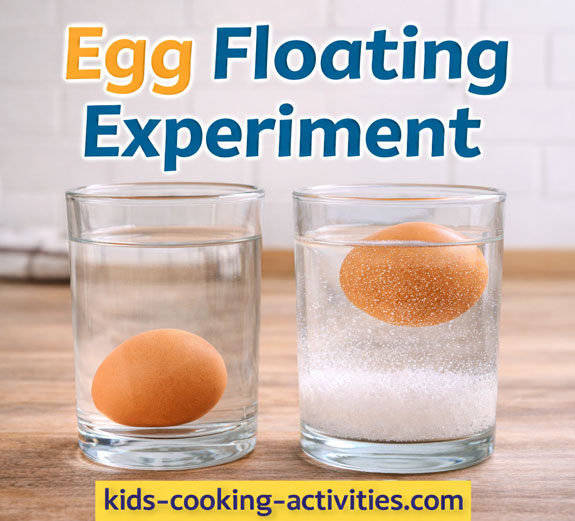
Egg Floating Experiment
See how density changes whether an object sinks or floats.
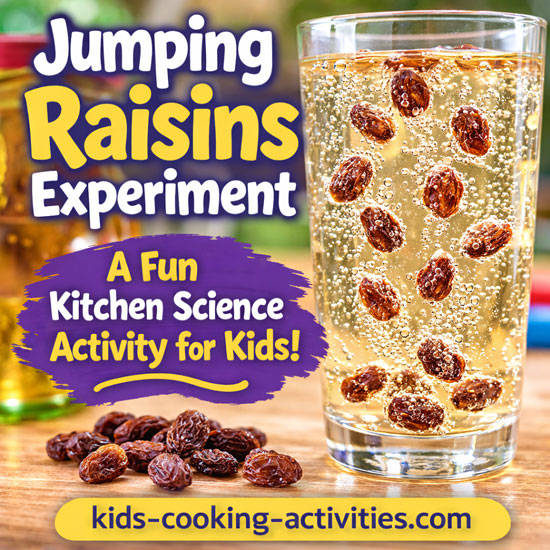
Jumping Raisins Experiment
Use bubbles in a fizzy drink to make raisins rise and fall while learning about gas and buoyancy.
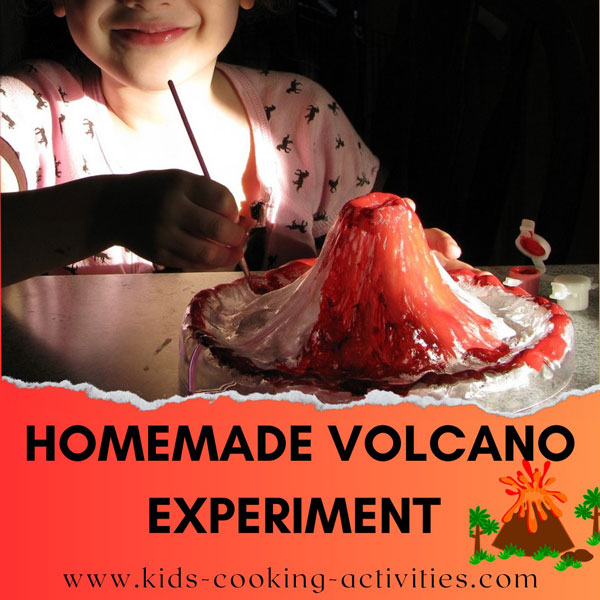
Homemade Volcano Experiment
Create a bubbling chemical reaction using common kitchen ingredients.

Popcorn Science
Discover why popcorn kernels pop and how heat changes the moisture inside each kernel.
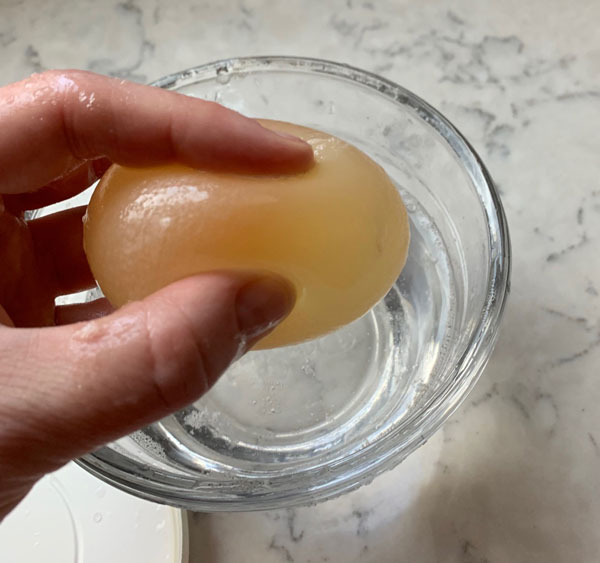
Rubber Egg Experiment
Soak an egg in vinegar and watch the shell dissolve to reveal a flexible, bouncy egg.

Blindfold Taste Test
Explore how smell and taste work together by trying foods while blindfolded.
Get Free Kids Recipe Cards + Cooking Printables
Join Kids Cooking Activities for fun recipes, cooking ideas, and printable resources for kids, families, and classrooms.
Follow Kids Cooking Activities too:





© Debbie Madson, Madson Web Publishing, LLC — All rights reserved.
The material on this site is for educational purposes only.