

Bean Experiments for Kids
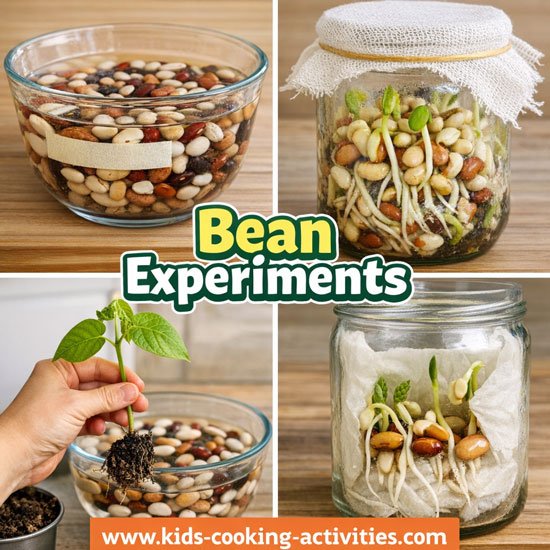
Bean experiments are easy food science activities that help kids explore soaking, sprouting, and plant growth. Children can watch dry beans absorb water, begin to germinate, and slowly grow into a bean plant while learning how seeds change over time.
This activity is part of our Food Science Experiments for Kids collection where you can explore growing food, kitchen chemistry, and hands-on science activities connected to cooking.
Kids Cooking Activities Teaching Materials
Teaching kids to cook? Save time with ready-made lesson plans used by parents and teachers. Browse teaching materials →


This page may contain affiliate links. We may earn a small commission at no extra cost to you. Learn more.
Experiment Summary
- Time: 1 day to several days
- Difficulty: Easy
- Best for: Preschool through elementary ages
- Science concept: Water absorption, germination, and plant growth
What You Need
- Dried beans
- Cool water
- Large bowl or glass jar
- Paper towels
- Strainer
- Cheesecloth or mesh lid for sprouting
- Masking tape or marker for making a prediction line (optional)
Three Ways to Explore Beans
This page includes three simple bean experiments: soaking beans, sprouting beans, and growing a bean plant. You can try just one activity or do all three to compare what happens at each stage.
Steps to Try
1. Soaking Beans
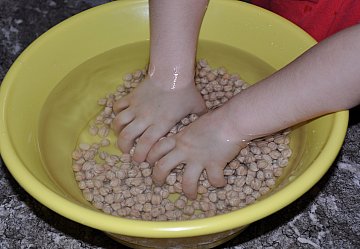
This is a great starting activity for younger kids because they can help rinse the beans, pour in the water, and make a prediction about what will happen overnight.
- Add dried beans to a large bowl.
- Cover them with water several inches above the beans.
- Mark the bean level on the outside of the bowl with masking tape or a marker.
- Ask kids to predict what the beans will look like the next day.
- Let the beans soak overnight.
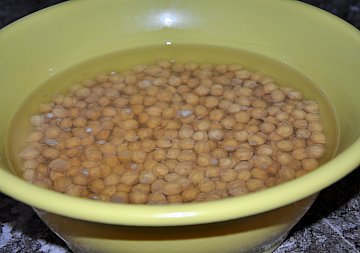
- Compare the bean level to the mark the next day.
2. How to Sprout Beans
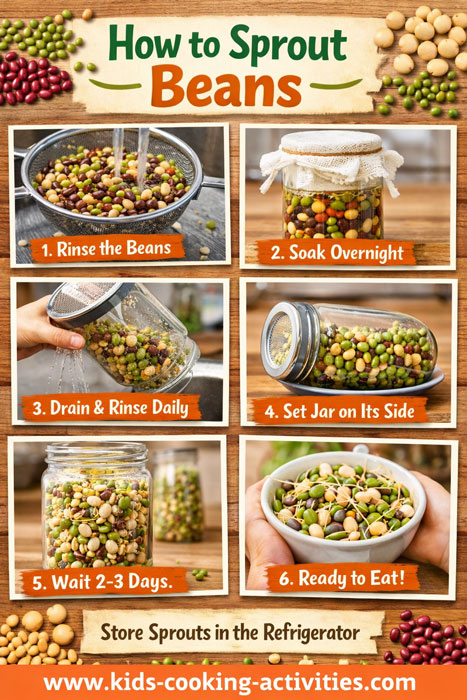
Sprouting beans helps kids see how a seed begins to grow. Lentils, adzuki, mung, and garbanzo beans are all common choices for sprouting.
- Rinse the beans in a strainer.
- Add the beans to a glass jar and pour in cool water several inches above the beans.
- Cover the jar with a mesh top or cheesecloth and let it sit overnight.
- Drain the beans and rinse them well. Shake out all excess water.
- Place the jar on the kitchen counter away from direct sunlight where air can circulate.
- Rinse the beans morning and night for several days, shaking out extra water each time.
- When the beans have sprouted in 2 to 3 days, drain them well and refrigerate them.
3. Grow a Bean Plant
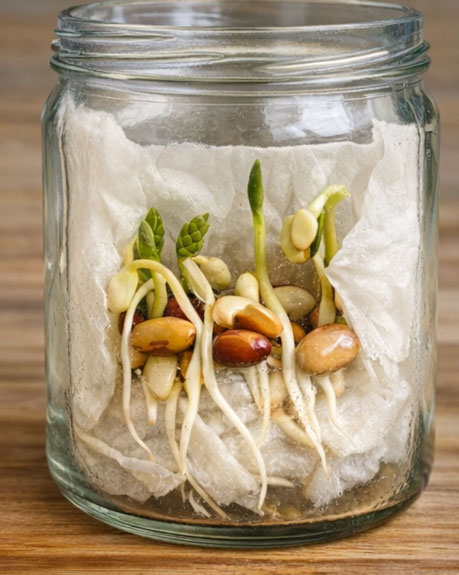
This version lets kids watch roots and stems grow more clearly than when a seed is planted in dirt.
- Fold a paper towel and place it inside a clear glass jar.
- Add a few tablespoons of water to moisten the towel.
- Place several beans between the jar and the paper towel.
- Set the jar in a bright place and keep the paper towel damp.
- Watch over several days for roots, stems, and leaves to appear.
What Happens?
Beans are seeds. When dry beans are placed in water, they absorb moisture and begin to swell. As the seed coat softens, the inside of the seed wakes up and begins the early stages of germination. In the right conditions, a root appears first, followed by a stem and leaves.
- Dry beans absorb water and get larger
- The seed coat softens
- The bean begins germinating
- A root appears first
- The stem and leaves grow next
What Kids Learn
- How dry beans absorb water
- How seeds begin to sprout
- What roots and stems look like as they grow
- How plants need water to keep growing
- How to observe and compare changes over several days
Why It Matters in Cooking
Bean experiments connect science to real food preparation. Soaking helps children understand why dried beans soften before cooking. Sprouting shows how food can change in texture and flavor. Watching a bean grow also helps kids understand that many foods begin as seeds and need water and time to develop.
- Soaking helps dried beans cook more evenly
- Sprouting changes texture and flavor
- Kids learn where food comes from
- The activity connects gardening, science, and cooking together
Learn how to cook dry beans and use them in a recipe.
Questions to Ask Kids
- What happened to the beans after soaking overnight?
- Why do you think the beans got bigger?
- What part of the bean plant appeared first?
- How does a seed know when to begin growing?
- What do plants need in order to keep growing?
Extension Ideas
- Compare different types of beans to see which sprout fastest.
- Measure the sprouts each day and make a simple chart.
- Plant sprouted beans in soil and keep observing them.
- Try one jar in brighter light and one farther from direct light.
- Cook soaked beans after the experiment and compare them to dry beans.
Bean Experiments FAQ
What do kids learn from bean experiments?
Kids learn how seeds absorb water, begin germinating, sprout roots, and grow into plants. Bean experiments also build observation, prediction, and measuring skills.
Why do beans get bigger when soaked?
Dry beans absorb water through the seed coat. As the water moves inside the bean, it swells and becomes larger.
How long does it take beans to sprout?
Many beans begin sprouting in 2 to 3 days when they are rinsed regularly and kept moist but not sitting in water.
Why are bean experiments useful in cooking?
Bean experiments help kids understand why beans are soaked before cooking, how sprouts form, and how many foods begin as seeds that need water to grow.
Try These Kitchen Science Experiments Next
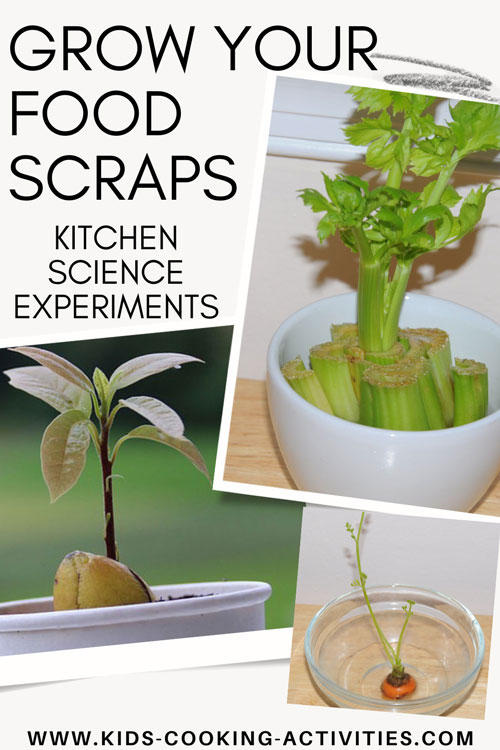
Grow Food from Scraps
See how vegetables like lettuce and celery can regrow using water, sunlight, and time.

Red Cabbage pH Experiment
Use red cabbage water to test acids and bases and watch colorful pH changes happen.

Popcorn Science
Discover why popcorn kernels pop.

Shake Homemade Butter
See how shaking cream changes liquid into butter.
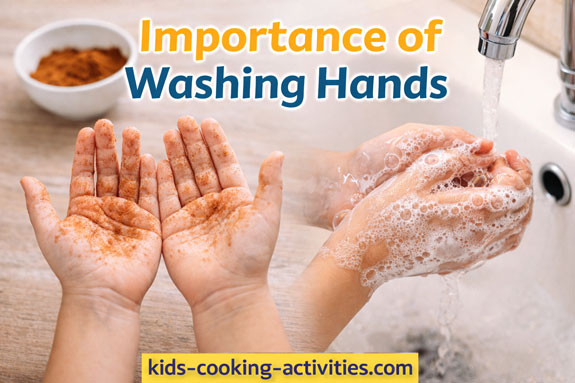
Washing Hands Experiment
See how germs are often invisible, but they can still move quickly.
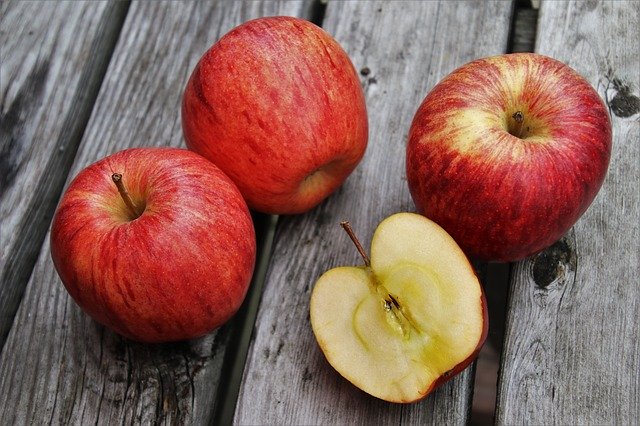
Apple Experiment
Use apples to explore freshness, browning, and how ingredients affect food over time.
Get Free Kids Recipe Cards + Cooking Printables
Join Kids Cooking Activities for fun recipes, cooking ideas, and printable resources for kids, families, and classrooms.
Follow Kids Cooking Activities too:





© Debbie Madson, Madson Web Publishing, LLC — All rights reserved.
The material on this site is for educational purposes only.