

- Home ›
- Basic Cooking Lessons ›
- Homemade Flour Tortillas
How to Make Homemade Flour Tortillas
Learning how to make homemade flour tortillas is a fun way to practice basic baking skills while creating a delicious staple for family meals. With just a few pantry ingredients—flour, salt, baking powder, shortening, and hot water—you can make soft, fresh tortillas that taste far better than most store-bought versions.
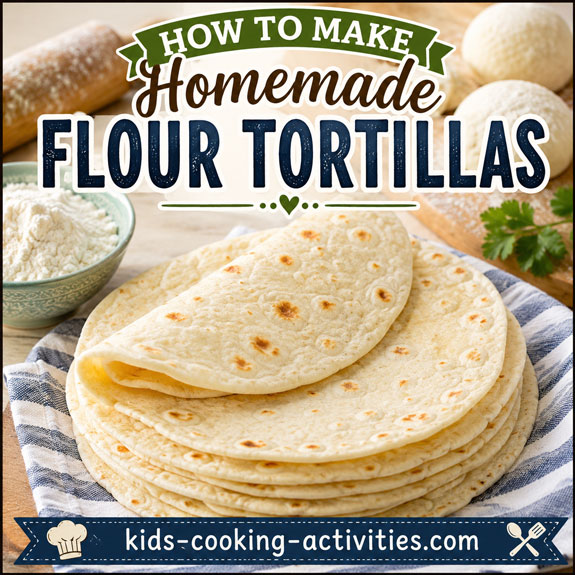
Making tortillas is an excellent cooking lesson for kids because it combines measuring, mixing, kneading, dividing dough, rolling with a rolling pin, and cooking on the stovetop. Younger children can help measure ingredients, mix the dough, divide it into balls, and roll each tortilla into a circle. Because the recipe uses hot water and a hot skillet, an adult should supervise those steps and handle the cooking as needed.
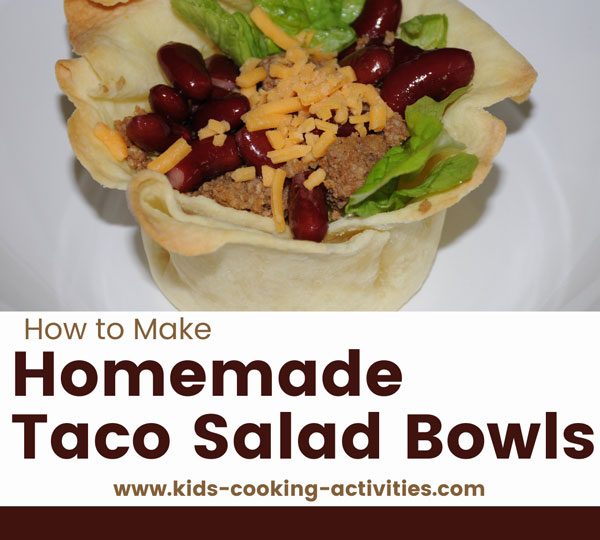
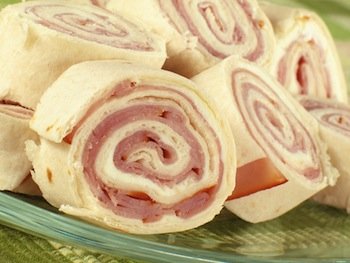
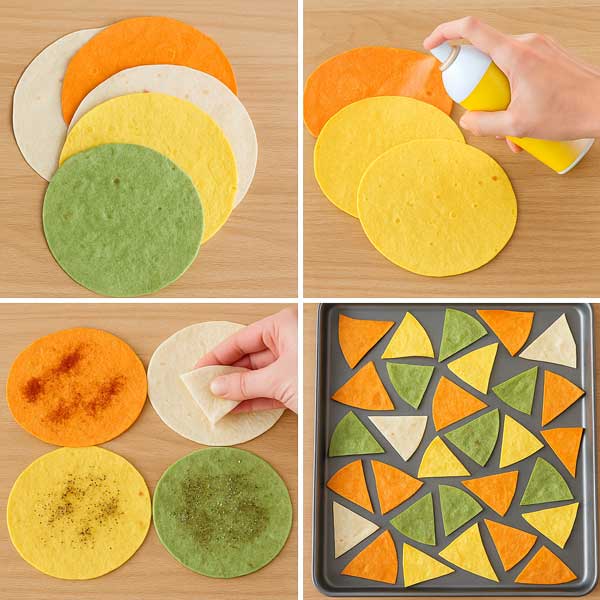
Once you've mastered this simple recipe, your fresh tortillas can be used to make all kinds of family favorites, including tacos, burritos, quesadillas, wraps, enchiladas, and homemade taco salad bowls. They also make delicious sandwich wraps and can even be cut into wedges and baked into homemade tortilla chips.
Homemade flour tortillas stay fresh for several days in the refrigerator and freeze beautifully for future meals, making them a great recipe to prepare in larger batches. Once you learn the basic technique, you'll always have fresh tortillas ready whenever taco night or Mexican-inspired meals are on the menu.
Start Here: Learn to Make Flour Tortillas
- First time making dough? Read the entire recipe before you begin and measure all of the ingredients ahead of time.
- Cooking with kids? Children can measure, mix, knead, divide, and roll the dough while an adult handles the hot water and hot skillet.
- Want soft tortillas? Keep the cooked tortillas stacked and covered with a clean kitchen towel so they stay warm and flexible.
- Planning a meal? Use your homemade tortillas to make quesadillas, tacos, burritos, wraps, enchiladas, and taco salad bowls.
Kids Cooking Activities Teaching Materials
Teaching kids to cook? Save time with ready-made lesson plans used by parents and teachers. Browse teaching materials →


This page may contain affiliate links. We may earn a small commission at no extra cost to you. Learn more.
Cooking Skills You'll Practice
Homemade tortillas are a wonderful beginner baking project because they teach several kitchen skills that can be used in many other recipes. As you work through the recipe, you'll practice measuring ingredients accurately, mixing and kneading dough, dividing dough into equal portions, rolling even circles, and safely using a skillet or griddle. These are the same skills you'll use when making homemade breads, pizza dough, biscuits, and other baked favorites.
Kitchen Skills You'll Learn
- Measuring dry ingredients accurately
- Mixing and kneading dough
- Dividing dough into even portions
- Using a rolling pin
- Cooking safely on a skillet or griddle
- Recognizing when dough is properly cooked
- Planning ahead by refrigerating or freezing homemade food
Don't worry if your first tortillas aren't perfectly round. Even experienced cooks make tortillas that are different shapes. The important part is learning how the dough feels, how thin to roll it, and how to recognize when each tortilla is fully cooked.
Homemade Flour Tortilla Recipe
These soft homemade flour tortillas are easy to make with just a handful of pantry staples. The dough mixes together quickly, rests for a short time, and is then rolled into thin circles before cooking on a hot skillet. Once you learn the basic technique, you'll be able to make fresh tortillas whenever your family wants tacos, burritos, wraps, or quesadillas.
Homemade Flour Tortillas
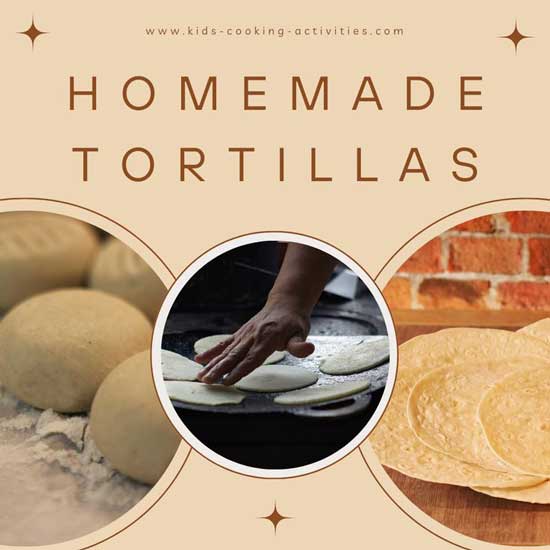


Ingredients
- 4 cups all-purpose flour
- 2 teaspoons salt
- 1 teaspoon baking powder
- 2/3 cup shortening (see our FAQ for substitutes)
- 1 cup plus 3 tablespoons hot water
Step 1: Mix the Dough
In a large mixing bowl, combine the flour, salt, and baking powder. Stir until the dry ingredients are evenly mixed.
Add the shortening and cut it into the flour mixture using a pastry blender, two forks, or clean fingertips until the mixture resembles coarse crumbs. There should be no large pieces of shortening remaining.
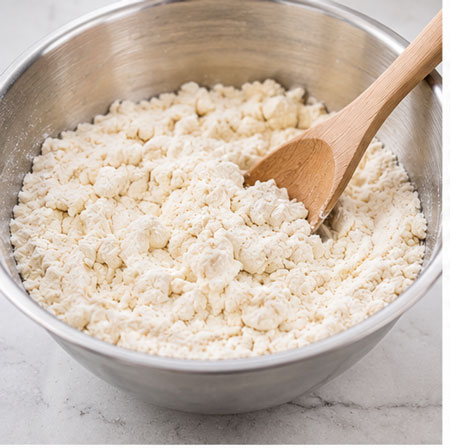
Slowly pour in the hot water while stirring. Continue mixing until a soft dough forms. If the dough feels too dry, add a teaspoon of water at a time. If it feels sticky, sprinkle in a small amount of flour until it is soft, smooth, and easy to handle.
Kid Chef Tip
Children can measure the ingredients, mix the dough, and help knead it together, but an adult should pour and handle the hot water to prevent burns. Review these kitchen safety rules for kids before beginning.
Why Mix the Shortening into the Flour?
Coating the flour with small pieces of shortening helps create soft, tender tortillas. This same technique is used when making biscuits, pie crusts, and other flaky baked goods.
Step 2: Divide and Rest the Dough
Turn the dough onto a lightly floured work surface and knead it gently for 2 to 3 minutes until it becomes smooth and elastic. The dough should feel soft and slightly tacky but should not stick to your hands.
Divide the dough into 16 to 20 equal pieces, depending on the size of tortillas you would like to make. Roll each piece into a smooth ball and place them on a lightly floured surface or baking sheet.
Choose Your Tortilla Size
- Small tortillas: Divide the dough into about 20 pieces for tacos, snacks, and smaller wraps.
- Medium tortillas: Divide the dough into about 16 pieces for quesadillas, enchiladas, and lunch wraps.
- Larger tortillas: Divide the dough into 12 to 14 pieces for burritos and larger sandwich wraps.
The exact size will vary depending on how thinly each piece of dough is rolled.
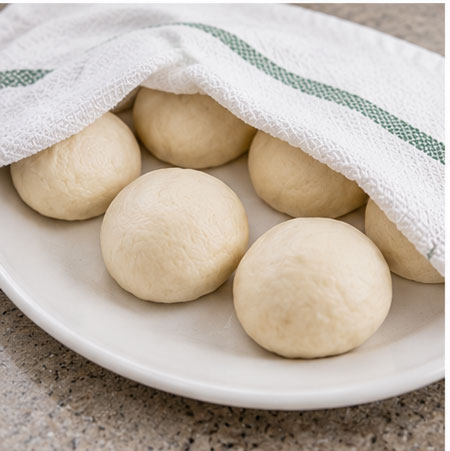
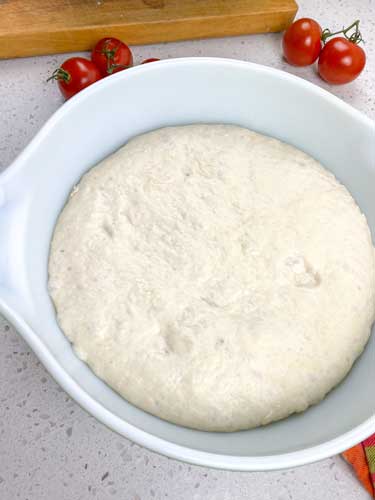
Cover the dough balls with a clean kitchen towel or plastic wrap and let them rest for 20 to 30 minutes. Although it may be tempting to skip this step, resting the dough makes it much easier to roll and helps create softer tortillas.
Why Does the Dough Need to Rest?
As the dough rests, the flour absorbs the water and the gluten relaxes. Relaxed dough rolls out more easily, holds its shape better, and won't spring back as much while you're trying to make thin circles.
- Produces softer tortillas
- Makes rolling much easier
- Helps the dough stay flat instead of shrinking
- Creates a more even texture after cooking
Step 3: Roll the Tortillas
While the dough is resting, preheat a dry skillet or griddle over medium to medium-high heat. The pan should be hot before the first tortilla is added, but not so hot that it begins smoking.
Lightly flour your work surface and rolling pin. Working with one dough ball at a time, gently flatten it with your hand. Roll from the center outward, turning the dough a quarter turn every few rolls to help keep it as round as possible.
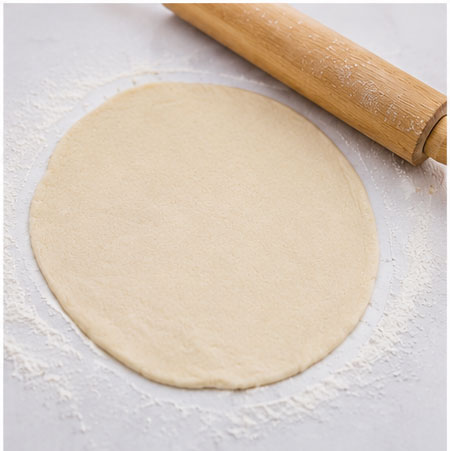
Continue rolling until the tortilla is about 6 to 8 inches across and only a few millimeters thick. It doesn't have to be a perfect circle—slightly uneven tortillas will cook just as well and taste just as delicious.
Rolling Tip
If the dough sticks to the counter or rolling pin, dust it lightly with flour. Use only enough flour to prevent sticking, since too much flour can make the tortillas dry after cooking.
Remember
- Roll from the center toward the edges.
- Turn the dough often to keep an even shape.
- Try to keep the thickness consistent across the entire tortilla.
- Don't worry about making perfect circles-practice improves your technique!
Step 4: Cook the Tortillas
Carefully place one rolled tortilla onto the hot, dry skillet or griddle. Do not add butter or oil to the pan. As the tortilla cooks, you'll begin to see small bubbles forming across the surface. This is a sign that the dough is cooking properly.
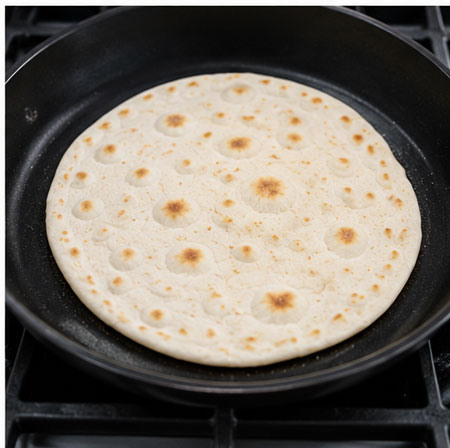
Cook the first side for about 30 to 60 seconds, or until light brown spots begin to appear. Flip the tortilla with a spatula or tongs and cook the second side for another 20 to 40 seconds. The finished tortilla should have scattered golden-brown spots while remaining soft and flexible.
Transfer the cooked tortilla to a plate and immediately cover it with a clean kitchen towel. Continue stacking the remaining tortillas underneath the towel as they finish cooking. Covering them while they're still warm traps a little steam, helping keep them soft and easy to fold.
Food Safety Tip
A hot skillet can cause serious burns. Adults should handle flipping tortillas or closely supervise older children using the stove. Younger cooks can help roll the dough, pass ingredients, and stack the finished tortillas.
How Do You Know They're Done?
- Small bubbles appear across the surface.
- Golden-brown spots develop on both sides.
- The tortilla bends easily without becoming crisp.
- The edges remain soft instead of drying out.
If the tortillas brown before bubbles appear, lower the heat slightly. If they stay pale after a minute, increase the heat a little before cooking the next tortilla.
Troubleshooting Homemade Flour Tortillas
| Problem | Possible Cause | How to Fix It |
|---|---|---|
| Tortillas shrink while rolling | The dough didn't rest long enough. | Cover the dough and let it rest another 10 to 15 minutes before rolling. |
| Dough sticks to the counter | The dough is slightly too wet. | Dust the work surface and rolling pin lightly with flour. |
| Tortillas are dry or stiff | They cooked too long or were left uncovered. | Reduce the cooking time and keep finished tortillas covered with a towel. |
| No bubbles appear | The skillet isn't hot enough. | Increase the heat slightly before cooking the next tortilla. |
| Tortillas burn quickly | The skillet is too hot. | Lower the heat and allow the pan to cool for a minute before continuing. |
| Tortillas are thick and chewy | The dough wasn't rolled thin enough. | Roll from the center outward until each tortilla is evenly thin. |
How to Store Homemade Flour Tortillas
Once the tortillas have cooled completely, place them in an airtight container or resealable storage bag. They will stay fresh in the refrigerator for up to five days, making them perfect for quick lunches and easy weeknight dinners.
Homemade tortillas also freeze very well and can be included in your family's freezer meal planning. Place a small piece of parchment or wax paper between every few tortillas to prevent sticking, then store them in a freezer-safe bag or container for up to three months.
Reheating Tips
- Warm in a dry skillet for 15 to 20 seconds per side.
- Microwave a stack wrapped in a damp paper towel for about 20 to 30 seconds.
- Wrap several tortillas in foil and warm them in a 300°F oven for about 10 minutes.
Properly reheated homemade tortillas become soft and flexible again, making them perfect for tacos, burritos, wraps, and quesadillas.
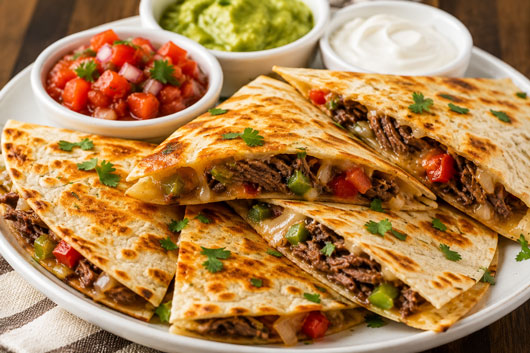
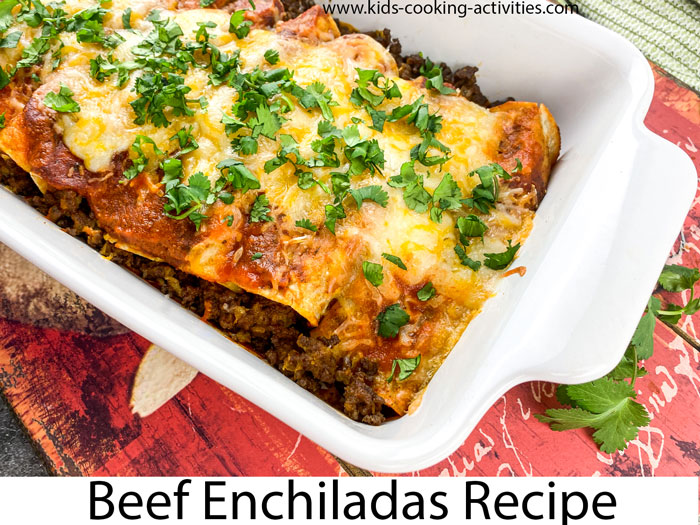
Recipes to Make with Homemade Tortillas
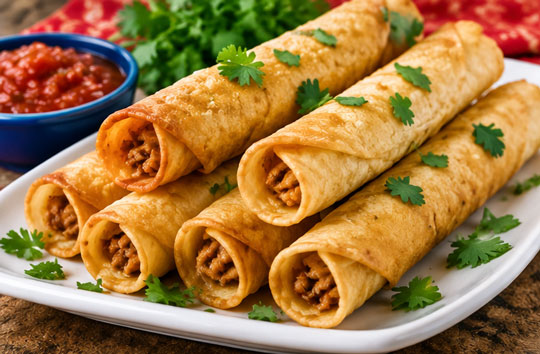
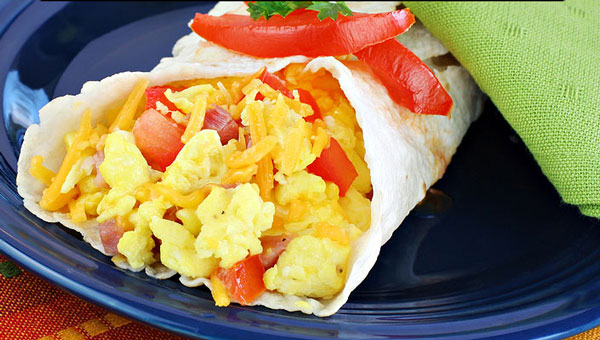
Now that you've learned how to make homemade flour tortillas, you're ready to use them in dozens of delicious family meals. Fresh tortillas are softer, more flavorful, and easier to fold than many store-bought versions, making them perfect for everything from quick lunches to hearty dinners.
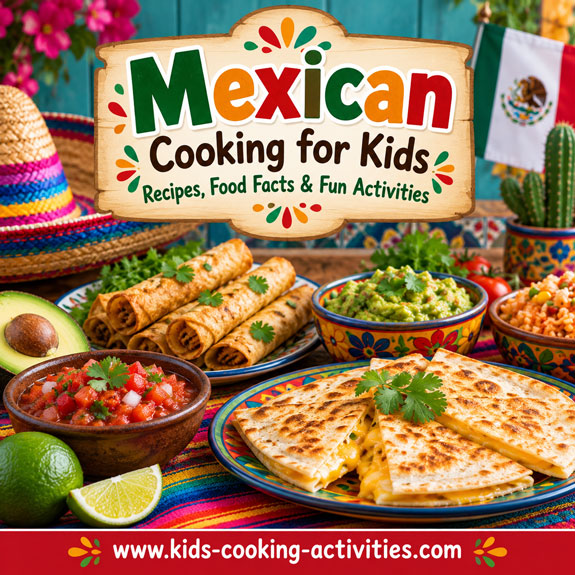
Try one of these recipes to continue practicing your cooking skills and discover new ways to use your homemade tortillas.



Continue Building Your Cooking Skills
If your family enjoys making homemade breads, tortillas, pizza dough, and other everyday recipes from scratch, our printable cooking lessons and recipe collections provide step-by-step activities that help children become confident cooks.
Continue Learning
Related Basic Cooking Lessons


Frequently Asked Questions
Can I replace the shortening in flour tortillas?
Yes. Lard can usually replace shortening in the same amount and gives tortillas a traditional flavor. Softened butter may also be used, although it can make the tortillas slightly firmer when chilled. Variation: Replace the shortening with 4 tablespoons vegetable oil for a quicker, lighter tortilla. The dough will be slightly softer and the finished tortillas will be a little less tender and flaky than the traditional version.
Can I make the tortilla dough ahead of time?
Yes. After mixing the dough, cover it tightly and refrigerate it for up to 24 hours. Let the dough sit at room temperature for about 20 to 30 minutes before rolling so it becomes easier to work with.
Why does the dough need to rest before rolling?
Resting allows the flour to absorb the water and gives the gluten time to relax. This makes the dough easier to roll, helps prevent it from shrinking back, and creates softer finished tortillas.
Why do my tortillas shrink after I roll them?
The dough usually needs more resting time. Cover it and let it rest another 10 to 15 minutes before trying again. Relaxed dough rolls much more easily.
Do I need to grease the skillet?
No. Flour tortillas are traditionally cooked on a hot, dry skillet or griddle. Adding butter or oil can change the texture and prevent the tortillas from developing their characteristic brown spots.
Why are my homemade tortillas hard instead of soft?
Overcooking is the most common reason. Cook each side only until light brown spots appear, then immediately stack the tortillas and cover them with a clean towel to keep them soft.
Can homemade flour tortillas be frozen?
Absolutely! Allow the tortillas to cool completely, then stack them with parchment or wax paper between every few tortillas before placing them in a freezer-safe bag. They can be frozen for up to three months.
Can children help make homemade tortillas?
Yes. Kids can measure ingredients, mix the dough, knead, divide the dough into balls, and roll the tortillas. Adults should supervise or handle the hot water and cooking on the stove.
What can I make with homemade flour tortillas?
Fresh tortillas are incredibly versatile. Use them for tacos, burritos, quesadillas, enchiladas, wraps, taquitos, homemade tortilla chips, taco salad bowls, breakfast burritos, and even personal pizzas.
Continue Your Cooking Journey
Homemade flour tortillas are one of many basic cooking skills that help children become more confident in the kitchen. Continue practicing with more bread recipes, Mexican-inspired meals, and our step-by-step cooking lessons.
Get Free Kids Recipe Cards + Cooking Printables
Join Kids Cooking Activities for fun recipes, cooking ideas, and printable resources for kids, families, and classrooms.
Follow Kids Cooking Activities too:





© Debbie Madson, Madson Web Publishing, LLC — All rights reserved.
The material on this site is for educational purposes only.