
Kitchen Skills for Kids
Teach children the essential cooking skills they need to become confident, independent cooks—from measuring ingredients and reading recipes to knife safety, kitchen appliances, baking, food safety, and meal planning.

Learning to cook is about much more than following recipes. Every meal teaches children valuable life skills including organization, responsibility, math, reading, science, nutrition, and creativity. Whether your child is just beginning to help in the kitchen or is ready to prepare complete meals, mastering basic kitchen skills creates a strong foundation for lifelong cooking confidence.
This Kitchen Skills for Kids guide brings together everything young cooks need to know in one place. Explore step-by-step lessons on measuring, mixing, knife skills, appliance safety, baking techniques, food safety, cleaning up, and planning simple meals. As children practice these skills, they'll gain confidence while becoming more independent in the kitchen.
Use this page as your starting point before moving on to individual cooking lessons, appliance tutorials, and hundreds of kid-friendly recipes throughout Kids Cooking Activities.
Start Here: Essential Kitchen Skills
- Brand new cook? Start with our Basic Kitchen Skills to learn measuring, mixing, pouring, reading recipes, and other everyday cooking essentials.
- Ready to use kitchen tools? Explore Knife Skills and Cooking with Kitchen Appliances to safely build confidence.
- Interested in baking? Visit Baking Skills to practice measuring, mixing, kneading dough, and decorating baked treats.
- Learning kitchen responsibility? Review Food Safety, Kitchen Responsibilities, and our Kitchen Skills Checklist.
- Ready to start cooking? Browse our Recipe Index and practice your new skills with kid-friendly recipes.
Remember
Children develop kitchen skills at different rates. Focus on building confidence one skill at a time while providing age-appropriate supervision and encouragement.
Kids Cooking Activities Teaching Materials
Teaching kids to cook? Save time with ready-made lesson plans used by parents and teachers. Browse teaching materials →


This page may contain affiliate links. We may earn a small commission at no extra cost to you. Learn more.
On This Page
Basic Kitchen Skills Every Child Should Learn
Every great cook starts with the same foundation. Before learning advanced cooking techniques or using larger kitchen appliances, children should become comfortable with a few essential kitchen skills. These everyday tasks help build confidence while teaching organization, responsibility, and safe food preparation.
The skills below can be practiced during almost every recipe. Encourage children to master one or two skills at a time, celebrating their progress as they become more independent in the kitchen.
Practice reading recipes from beginning to end, gathering ingredients, and following directions step by step.


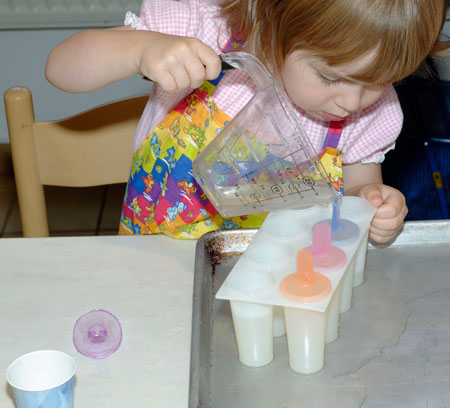
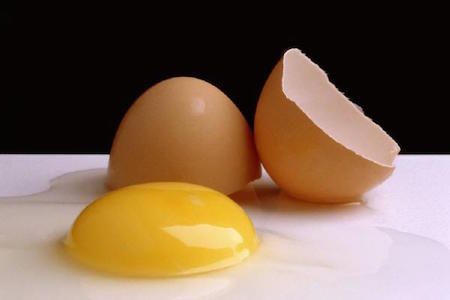
Start with One New Skill Each Week
Young cooks don't need to learn everything at once. Try introducing one new kitchen skill each week and practice it in several different recipes. Repetition helps children gain confidence while making cooking feel fun instead of overwhelming.
Why Kitchen Skills Matter
Cooking is one of the few activities that combines reading, math, science, creativity, and life skills in a single experience. As children prepare meals, they naturally practice measuring, sequencing, problem-solving, teamwork, and responsibility—all while creating something they can enjoy and share.
Kitchen Skills Are Life Skills
Learning to cook helps children build confidence, responsibility, independence, planning skills, and practical problem-solving. As kids practice kitchen skills, they also learn how to plan meals, stock basic ingredients, reduce waste, and prepare food for themselves and others.
Knife Skills for Kids
Learning to use knives safely is an important milestone for young cooks. Children don't begin with sharp chef's knives—they start by learning proper cutting techniques using age-appropriate tools. As confidence and coordination improve, they can gradually progress to more advanced kitchen knives with close adult supervision.
Teaching knife safety from the beginning helps children develop good habits that will last a lifetime. Emphasize slow, controlled movements, proper hand placement, and always keeping their attention on the food they're cutting. See our knife safety lesson here.
Knife Safety Rules
- Always cut away from your body.
- Carry knives with the blade pointed down.
- Never try to catch a falling knife.
- Use a stable cutting board.
- Keep your fingers tucked safely away from the blade.
- Wash and dry knives carefully before putting them away.
- Always ask an adult before using a sharp knife.
Progress Slowly
Children don't need to rush into using larger knives. Many excellent cooks spend years building confidence with butter knives, plastic knives, and paring knives before moving on to a chef's knife. Developing safe habits is far more important than using a bigger knife.
Cooking with Kitchen Appliances
Kitchen appliances open the door to hundreds of fun recipes while teaching children how different cooking methods work. From blending smoothies and baking grilled cheese sandwiches to preparing slow cooker meals and pressure cooker recipes, each appliance introduces new skills and responsibilities.
Start with beginner-friendly appliances such as a microwave or blender before progressing to toaster ovens, waffle irons, air fryers, slow cookers, and Instant Pots. Each lesson builds confidence while reinforcing food safety, timing, and following recipes.
Baking Skills Kids Can Learn
Baking is one of the best ways for children to practice kitchen skills. Every recipe reinforces measuring, mixing, patience, and following directions while showing how ingredients work together to create delicious treats. As confidence grows, children can move from simple cookies and muffins to homemade breads, cakes, pies, and yeast recipes.
Unlike many stovetop recipes, baking relies on careful measurements and proper techniques. Even small changes can affect the finished product, making baking a wonderful hands-on science lesson as well as a fun family activity.
Measuring Accurately
- Level dry ingredients.
- Use liquid measuring cups correctly.
- Measure spices carefully.
- Follow recipe amounts.
Mixing Techniques
- Stirring
- Whisking
- Folding
- Creaming butter and sugar
Working with Dough
- Kneading
- Rolling dough
- Shaping rolls
- Cutting biscuits
Using the Oven
- Preheating
- Using oven mitts
- Checking for doneness
- Cooling baked goods
Decorating
- Frosting cupcakes
- Decorating cookies
- Adding sprinkles
- Simple cake decorating
Great Beginner Baking Projects
Start with simple recipes like muffins, cookies, brownies, banana bread, and cupcakes before moving on to homemade breads, pies, layered cakes, and yeast dough recipes. Each new project builds confidence while introducing another baking technique.

Flavor Basics: Herbs, Spices, Mixes & Sauces
One of the biggest differences between simply following a recipe and becoming a confident cook is learning how to build flavor. Herbs, spices, seasoning blends, homemade mixes, and sauces transform ordinary ingredients into delicious meals while teaching children to taste, experiment, and adjust recipes.
As kids gain confidence, encourage them to smell herbs before adding them, taste foods before seasoning, and discover how different flavors work together. These simple experiences help children become creative, independent cooks.

Herbs & Spices
Learn the difference between herbs and spices, when to use them, and how they change the flavor of soups, meats, vegetables, and sauces.

Homemade Mixes
Create your own taco seasoning, Italian seasoning, cream soup mix, pumpkin pie spice, and other pantry staples while learning to measure herbs and spices.
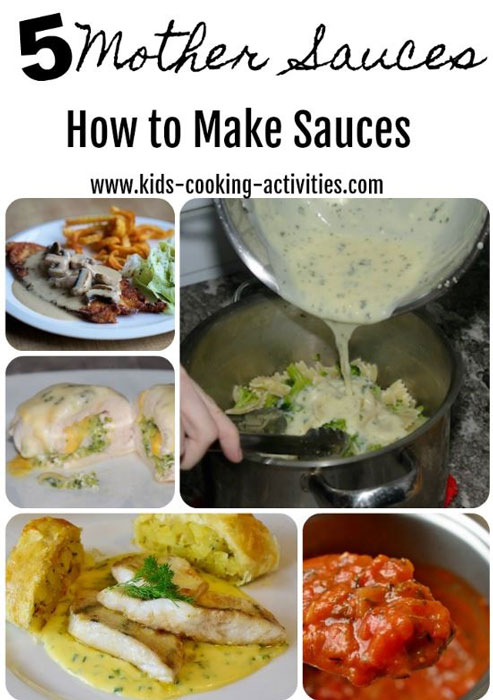
Sauce Basics
Discover the five mother sauces and learn how simple techniques like simmering, whisking, and making a roux create hundreds of different recipes.

Tomato Sauce
Practice seasoning, simmering, and balancing flavors while making homemade tomato sauce from fresh or canned tomatoes.

White Sauce
Master a simple roux and learn how one basic white sauce becomes cheese sauce, cream soups, casseroles, and pasta dishes.

Everyday Sauces
Explore salad dressings, marinades, dessert sauces, barbecue sauces, and other homemade favorites that build everyday cooking confidence.
Did You Know?
Professional chefs often say that tasting is one of the most important cooking skills. Learning how herbs, spices, seasoning blends, and sauces affect flavor helps children move beyond simply following recipes and begin creating meals of their own.
Food Safety Skills Every Young Cook Should Know
Food safety is one of the most important kitchen skills children can learn. Good food safety habits protect families from foodborne illness while helping young cooks understand how to safely prepare, cook, and store meals. See our food safety page here.
These habits should become part of every cooking session, whether children are making a simple snack or preparing a complete family dinner.
| Food Safety Habit | Why It's Important |
|---|---|
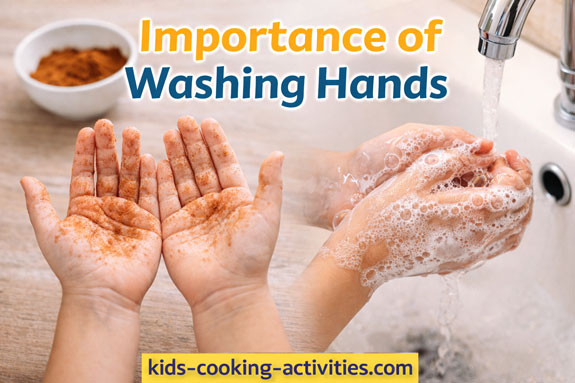
| Wash hands | Removes germs before preparing food. |
| Wash produce | Removes dirt and possible contaminants. |
| Separate raw meat | Helps prevent cross-contamination. |
| Cook food completely | Kills harmful bacteria. |
| Refrigerate leftovers | Keeps food safe for later meals. |
Food Safety Tip
Clean hands, clean equipment, and properly cooked food are three of the easiest ways to build safe cooking habits that children will use throughout their lives.
Kitchen Responsibilities Every Young Cook Should Learn
Cooking doesn't end when the meal is finished. Responsible cooks clean their workspace, care for their equipment, and store food safely so the kitchen is ready for the next meal. Teaching these habits from the beginning helps children become more independent while showing respect for the people they cook with and for.
Instead of thinking of cleanup as a chore, encourage children to see it as the final step of every recipe. Cleaning as they go keeps the kitchen organized, reduces stress, and makes cooking more enjoyable.
Challenge: Leave the Kitchen Better Than You Found It
A great habit for every young cook is to leave the kitchen cleaner than it was before cooking began. Wipe the counters, wash your dishes, put ingredients away, and sweep up crumbs if needed. These small responsibilities help children develop pride in their work and make cooking more enjoyable for everyone.
Confidence Builders for Young Cooks
Confidence grows one recipe at a time. Every successfully completed meal helps children become more comfortable trying new ingredients, learning new techniques, and cooking more independently. Start with simple recipes and gradually introduce new challenges as skills improve.
Celebrate Every Success
Not every recipe will turn out perfectly and that's okay! Mistakes help children learn. Celebrate effort, encourage problem-solving, and remind young cooks that every meal they make helps them become more skilled and confident in the kitchen.
Kitchen Skills by Age
Every child develops at a different pace, so these age ranges are general guidelines rather than strict rules. Some children may be ready for more advanced skills sooner, while others benefit from additional practice. Focus on building confidence one skill at a time while providing appropriate supervision.
Remember: Progress Looks Different for Every Child
Age is only one part of the equation. A child's maturity, ability to follow directions, attention to safety, and interest in cooking are often better indicators of readiness than age alone. Encourage children to master each skill before moving on to more advanced techniques. See our kids cooking lessons.
Kids Cooking Lesson Plans
Want a done-for-you plan?If you're looking for a complete, ready-to-use system, these structured lesson plans and teaching materials can help you save time and confidently teach cooking step-by-step.
Explore Cooking Curriculum →
Kitchen Skills Checklist
Use this checklist to track your child's progress as they learn new cooking skills. Every completed skill builds confidence and prepares them for more advanced recipes and kitchen responsibilities.
| Kitchen Skill | Beginner | Intermediate | Advanced |
|---|---|---|---|
| Hand Washing | ✓ | ||
| Reading Recipes | ✓ | ||
| Measuring Ingredients | ✓ | ||
| Mixing & Stirring | ✓ | ||
| Cracking Eggs | ✓ | ||
| Knife Skills | ✓ | ||
| Microwave Cooking | ✓ | ||
| Blender | ✓ | ||
| Toaster Oven | ✓ | ||
| Air Fryer | ✓ | ||
| Waffle Iron | ✓ | ||
| Bread Maker | ✓ | ||
| Slow Cooker | ✓ | ||
| Instant Pot | ✓ | ||
| Meal Planning | ✓ | ||
| Kitchen Cleanup | ✓ | ✓ | ✓ |
| Prepare a Complete Meal | ✓ |
Celebrate Progress
Children don't need to complete every skill quickly. Cooking is a lifelong journey, and each new recipe provides another opportunity to practice, learn, and build confidence. Encourage curiosity, celebrate successes, and enjoy spending time together in the kitchen.
Continue Building Your Kitchen Skills
Learning to cook is a journey that happens one skill and one recipe at a time. After mastering the basics, continue exploring more cooking lessons, recipe collections, and hands-on kitchen activities. Each new project builds confidence while introducing fresh techniques, ingredients, and cooking methods.

Learn how to safely use microwaves, blenders, toaster ovens, waffle irons, bread makers, air fryers, slow cookers, and Instant Pots.

Practice measuring, mixing, kneading, decorating, and baking cookies, breads, cakes, muffins, and more.
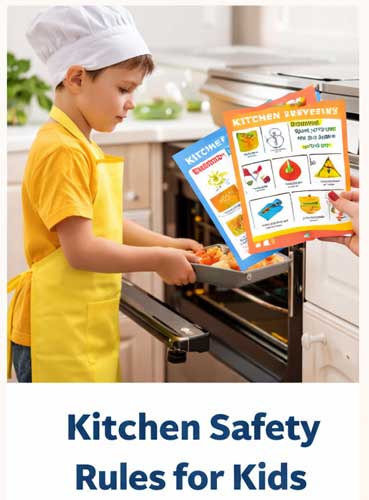
Discover safe food handling, proper hand washing, refrigerator safety, cooking temperatures, and preventing cross-contamination.


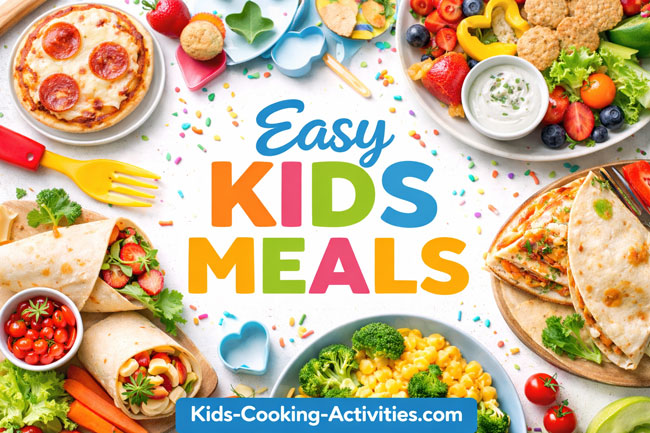
Practice new kitchen skills while making simple lunches, dinners, side dishes, and family-friendly meals.

Download printable baking substitution charts for eggs, butter, milk, flour, sugar, baking powder, yeast, and more.
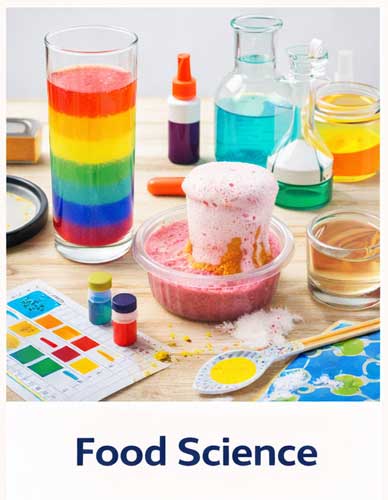
Discover the science behind baking, cooking, yeast, chocolate, ice cream, and other fascinating food experiments.

Watch step-by-step cooking demonstrations that reinforce kitchen skills and inspire new recipes to try.
Browse hundreds of kid-friendly recipes organized by meal, ingredient, holiday, cooking method, and skill level.
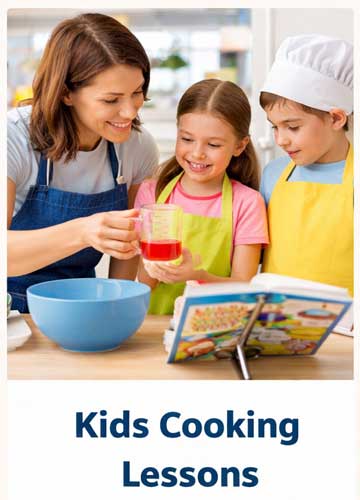

Remember: Every Recipe Teaches a Skill
Whether children are stirring pancake batter, measuring flour for cookies, slicing fruit for a snack, or preparing a family dinner, every recipe provides another opportunity to practice kitchen skills. Encourage young cooks to try new foods, ask questions, and enjoy the learning process as they become more confident in the kitchen.
Frequently Asked Questions
What are the most important kitchen skills for kids to learn first?
Start with hand washing, reading recipes, measuring ingredients, mixing, pouring, and cleaning up. These basic skills build confidence and prepare children for more advanced cooking techniques.
At what age can children begin helping in the kitchen?
Children as young as preschool age can wash produce, stir ingredients, decorate baked goods, and help set the table with close adult supervision. As they grow older, they can gradually take on more cooking responsibilities.
How can I help my child become more confident in the kitchen?
Begin with simple recipes that are likely to be successful. Praise effort, allow children to make age-appropriate choices, and encourage them to practice one new skill at a time. Confidence grows with every completed recipe.
Should children learn knife skills before using kitchen appliances?
Not necessarily. Many children begin with beginner-friendly appliances like the microwave or blender while also practicing simple cutting skills using butter knives or child-safe plastic knives. Introduce sharper knives only when children demonstrate maturity and can safely follow directions.
What's the easiest appliance for beginner cooks?
The microwave and blender are excellent starting points because they introduce measuring, timing, following recipes, and basic kitchen safety without requiring extensive cooking experience.
Why is measuring so important in cooking?
Accurate measuring helps recipes turn out correctly and teaches valuable math skills such as fractions, estimating, and comparing amounts. Baking especially depends on careful measurements.
How do kids learn food safety?
Children learn food safety by washing their hands, cleaning work surfaces, washing fruits and vegetables, preventing cross-contamination, cooking foods thoroughly, and storing leftovers properly.
What should kids do after finishing a recipe?
Every recipe should end with cleaning up. Young cooks should put away ingredients, wash dishes and utensils, wipe counters, store leftovers safely, and leave the kitchen clean for the next person.
How long does it take children to develop good kitchen skills?
Kitchen skills develop gradually through regular practice. Some children master basic tasks within a few weeks, while more advanced skills like knife work, baking, and meal planning may take months or years of experience.
Can cooking help children in school?
Yes! Cooking naturally reinforces reading, math, science, problem-solving, organization, and following directions. Many recipes also introduce geography, nutrition, and cultural learning through food.
What's the best way to teach kids to cook?
Teach one skill at a time, choose age-appropriate recipes, cook together regularly, and make learning enjoyable. Encourage questions, celebrate successes, and remember that mistakes are a normal part of becoming a confident cook.
What comes after learning basic kitchen skills?
After mastering the basics, children can begin using more kitchen appliances, learning baking techniques, planning meals, trying new recipes, exploring food science, and eventually preparing complete meals independently with appropriate supervision.
Keep Building Kitchen Skills
Every kitchen skill your child learns opens the door to new recipes, greater independence, and more confidence. Continue exploring our cooking lessons, appliance guides, baking tutorials, and hundreds of kid-friendly recipes as your young chef grows.
Cooking with Appliances | Baking for Kids | Teaching Kids to Cook | Recipe Index | Home
Remember great cooks aren't born, they're made one recipe, one skill, and one meal at a time. Have fun learning together!
Get Free Kids Recipe Cards + Cooking Printables
Join Kids Cooking Activities for fun recipes, cooking ideas, and printable resources for kids, families, and classrooms.
Follow Kids Cooking Activities too:





© Debbie Madson, Madson Web Publishing, LLC — All rights reserved.
The material on this site is for educational purposes only.