

- Home ›
- Frugal Living
Smart & Simple: Tips on Frugal Living That Truly Work
Living a frugal lifestyle does not have to mean sacrificing enjoyment, quality, or comfort. In fact, it can be incredibly rewarding. Whether you are trying to cut costs, reduce waste, or simply stretch your budget further, adopting frugal habits can help you feed your family well, live creatively, and gain financial peace of mind.
Frugal living is not just for times of financial hardship. It is a mindful, sustainable way of life that encourages you to make the most of what you already have. Making things from scratch, reusing ingredients, and repurposing leftovers can save money while also building useful everyday skills.
Kids Cooking Activities Teaching Materials
Teaching kids to cook? Save time with ready-made lesson plans used by parents and teachers. Browse teaching materials →
This post may contain affiliate links. We may earn a small commission at no extra cost to you. Learn more.
What It Really Means to Live Frugally
Frugal living does not mean depriving your family of comfort or fun. It means being intentional with your money and possessions. Before making a purchase, especially on non-essentials, ask yourself:
"Do I truly need this, or do I just want it in the moment?"
By learning to pause and question your spending, you can avoid impulse buys, resist fleeting trends, and focus on long-term savings and satisfaction. Living frugally is about aligning your purchases with your values.
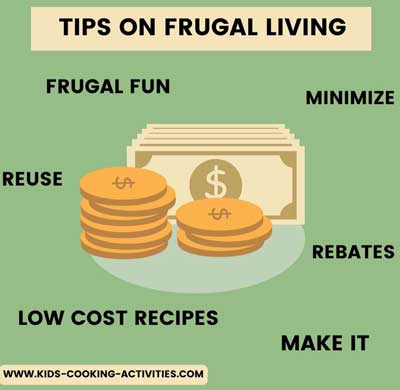
- Using what you already have before buying more
- Reducing waste in the kitchen and around the home
- Cooking from scratch more often
- Stretching ingredients into multiple meals
- Finding satisfaction in simple, useful habits
Frugal Grocery Tips
- Meal plan around sales: Check weekly flyers and build your meals based on what is on sale.
- Buy in bulk when it makes sense: Items like rice, beans, oats, and paper products are often cheaper long-term.
- Use a price book: Track the best prices on frequently bought items so you know when something is truly a deal.
- Shop the freezer aisle: Frozen vegetables and fruit are often just as nutritious and sometimes cheaper than fresh.
Cook & Eat Smarter
- Use leftovers creatively: Turn roasted chicken into soup, rice into fried rice, and extra vegetables into casseroles. See our leftover recipe ideas.
- Cook from scratch instead of relying on processed foods.
- Bake your own bread and freeze extra slices.
- Use a crock pot for cheaper cuts of meat.
- Make your own sauces, mixes, and spice blends.
- Bake snacks and desserts at home.
- Stock your freezer with meals and ingredients.
- Repurpose stale bread for croutons or breadcrumbs.
- Save scraps like bones and vegetable ends for homemade broth.
- Buy cheese in blocks and shred it yourself.
- Learn how to season with herbs and spices to make simple foods taste better.
- Grow your own herbs and vegetables if possible.
- Check out more grocery shopping tips.
Homemade Household Products
- DIY cleaning supplies: Vinegar, baking soda, lemon, and castile soap can clean many surfaces. Add essential oils like tea tree or lemon for a natural scent. Download our free homemade cleaning recipes book here.
- Repurpose old clothes as rags: Save money on paper towels.
- Use bar soap instead of body wash: It often lasts longer and usually costs less.
- Line dry clothes: Save energy and help clothing last longer.

Utility Savings
- Unplug unused electronics: Phantom power can add up over time.
- Use LED bulbs: They last longer and cost less to operate.
- Lower your thermostat: Even 1 or 2 degrees can reduce heating costs.
- Wash clothes in cold water: It works well for most loads.
Budget-Friendly Fun
- Swap instead of buy: Trade books, toys, and clothes with friends or neighbors.
- Movie night at home: Borrow DVDs from the library or stream free content.
- Restaurant discounts: Check online for coupons or call ahead for specials.
- Frugal travel: Planning ahead and saving a little each week adds up quickly.
- Free events: Look for community festivals, local hikes, parks, and free museum days.
Money-Saving Lifestyle Habits
- Start a small garden: Even herbs or tomatoes can save money and add flavor. See our gardening tips.
- Buy secondhand: Try thrift stores, consignment shops, and online marketplaces.
- Repair before replacing: Many household repairs can be learned online.
- Limit subscriptions: Cancel apps, boxes, or services you no longer use regularly.
Using Rebates and Coupons
One thing we all have to do is buy groceries. Here are three popular ways to save on everyday shopping and online purchases.
Rakuten Shopping
If you shop online, Rakuten can help you earn cash back at many websites. It is free to join and the savings can add up over time.

Ibotta Shopping
Ibotta is an app that lets you unlock rebates for grocery items, shop, then upload your receipt and qualifying products. Small savings on everyday items can build up surprisingly fast.

Shopping with Fetch
Fetch rewards you for uploading receipts. Every receipt earns points, and certain purchases can earn even more. Those points can then be exchanged for gift cards or rewards.

Low Cost Recipes - Meals You Can Make for Under $5
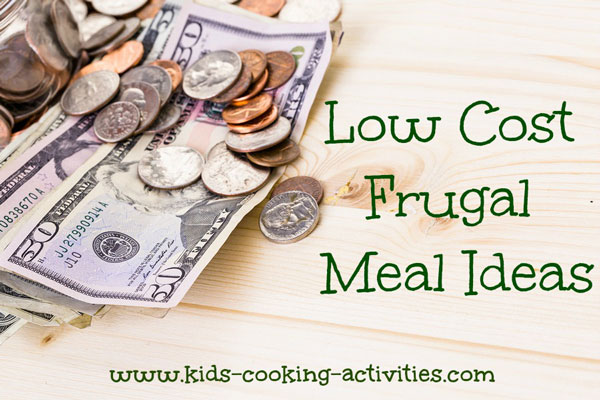
Some months it feels like money is flying out the window. Low cost meal ideas can help you slow down spending while still putting filling meals on the table.
Potatoes, eggs, tuna, rice, beans, and homemade basics are some of the best ingredients to keep around when you need cheap meal ideas. See also one pot meal ideas and sheet pan dinners.
Breakfast
- Fried potatoes with scrambled eggs
- Homemade bread with jam
- Egg sandwich
- Homemade oatmeal
- Smoothies
- Homemade pancakes or waffles
- Homemade scones
- Homemade muffins
- Breakfast burritos
Lunch and Dinner
- PB&J
- Egg salad sandwich
- Tuna salad sandwich
- Panini sandwiches with whatever fillings you have
- Tuna Caesar salad
- Cheese quesadillas
- Tacos
- Spaghetti
- BLTs
- Grilled cheese sandwiches
- Homemade tomato soup
- Salad with boiled eggs or tuna
- Chicken salad with leftover rotisserie chicken
- Rice and beans with salsa and cheese
- Egg drop soup
- Chili hot dogs
- Chili mac
- Baked potatoes
- Chef salad with lunch meat and boiled eggs
- Tomato goulash
- Chili
- Roasted vegetables
- Homemade pizza or pizza toast
- Tuna casserole
- Chicken casserole
- Taco salad
- Lunch meat wraps
- Potato soup
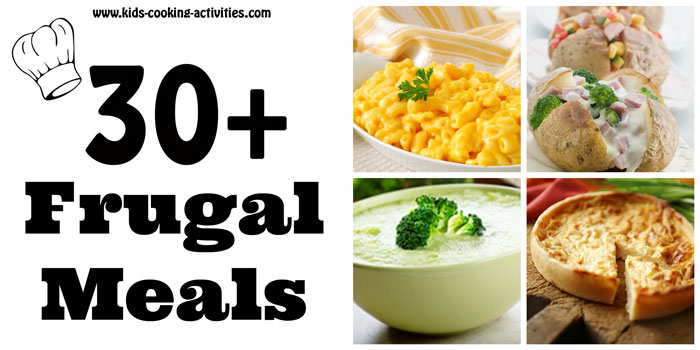
30+ Frugal Meal Ideas
More frugal recipes here:
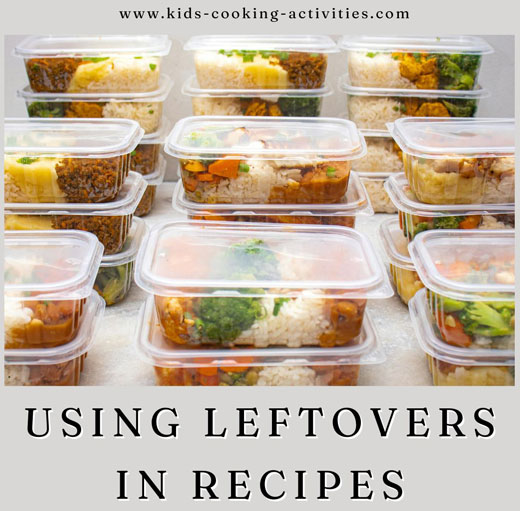
Using Leftovers in Recipes
Leftover recipes help you know what to do with yesterday’s dinner and can make dinner the next day much easier. If you plan ahead, set aside what you need for the next meal before serving the first meal.
- Grilled or baked chicken breasts: Chop extra chicken and add cream of chicken soup with a little milk, or make a homemade sauce. Serve over rice or noodles.
- Leftover rice: Make fried rice with peas, carrots, soy sauce, and eggs. Learn more about cooking rice.
- Meatballs: Add tomato sauce and serve on a French roll or hoagie bun. See how to make meatballs.
- Pork roast: Shred it and mix with salsa and cheese for tortillas or burritos.
- Roast beef: Add barbecue sauce for sandwiches, or make a French dip. Learn how to make roast beef.
- Sloppy joes: Turn leftovers into a casserole with green beans, mashed potatoes, and cheese. Here is our favorite sloppy joe recipe.
- Roast chicken: Add leftover chicken to noodle soup or chowder. Try this crockpot roast chicken recipe.
- Mashed potatoes: Use them to top a shepherd’s pie. Learn how to make mashed potatoes.
- Make fajitas or soft tacos with leftover beef or chicken and sautéed peppers and onions.
- Use leftover meat and vegetables to create a spring roll.
If you are tired of leftovers for the week, turn them into a casserole or freeze them for a future meal.
Frugal Living FAQ
What does frugal living really mean?
Frugal living means being intentional with your money and resources. It focuses on spending wisely, reducing waste, and making the most of what you already have.
How can I save money on groceries?
You can save money on groceries by meal planning around sales, using leftovers, buying staple foods in bulk when it makes sense, choosing frozen produce, and cooking more meals from scratch.
What are some easy frugal meal ideas?
Easy frugal meal ideas include oatmeal, egg sandwiches, rice and beans, baked potatoes, grilled cheese, soup, quesadillas, chili, spaghetti, and leftover-based casseroles.
Frugal Living Is a Lifestyle, Not a Limitation
Ultimately, frugal living is about being resourceful, mindful, and grateful. You do not have to go without. You simply learn how to go without wasting. When you bake your own bread, reuse old containers, or grow your own basil, you are not just saving money. You are also gaining satisfaction and self-reliance.
Whether you start small by cutting food waste or dive in by making your own cleaners and gifts, every step counts.
Do not forget to download our free homemade cleaning recipes book here.
More Frugal Recipes and Meal Ideas
Keep exploring low cost recipes, simple meals, and smart ways to stretch ingredients further.
Cheap College Meals
Find budget-friendly breakfast, lunch, and dinner ideas that work well for small grocery budgets.

One Pot Meals
Cook easy family meals in one pot or skillet for less cleanup and simple prep.
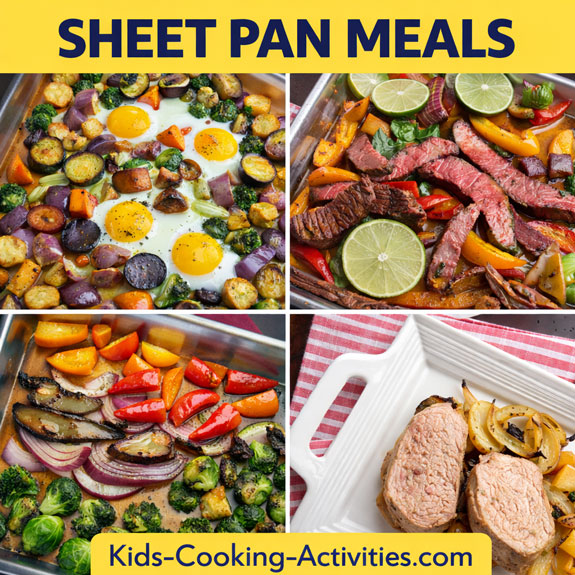
Sheet Pan Meals
Try easy baking sheet dinners that roast the whole meal together in one pan.
Leftover Recipes
Use leftovers wisely with ideas for soups, sandwiches, casseroles, tacos, and more.
Grocery Shopping Tips
Learn smart grocery habits that help lower food costs and stretch your budget.

Easy Meal Ideas
Explore simple recipes that are practical, budget-friendly, and easy to make at home.
Get Free Kids Recipe Cards + Cooking Printables
Join Kids Cooking Activities for fun recipes, cooking ideas, and printable resources for kids, families, and classrooms.
Follow Kids Cooking Activities too:






© Debbie Madson, Madson Web Publishing, LLC — All rights reserved.
The material on this site is for educational purposes only.