
Hidden Vegetable Recipes for Kids:
Easy Ways to Boost Nutrition Without the Battle
It's completely possible to serve vegetables proudly on the plate and tuck them into your favorite dishes at the same time. In our kitchen, we do both.
I love serving vegetables plain and visible so kids learn to recognize, taste, and appreciate them. But I also have no problem stirring in pureed, grated, or finely chopped vegetables for an extra boost of nutrition. When you combine visible veggies with hidden vegetable recipes, you create balanced, healthy kids meals that build good habits without turning dinner into a negotiation.

Looking for more ways to help kids eat healthy without the struggle? Explore these helpful guides:
Hidden Vegetable Strategies at a Glance
Hidden vegetables work best when you match the vegetable to the recipe. Start with small amounts, choose mild flavors, and use foods your family already enjoys.
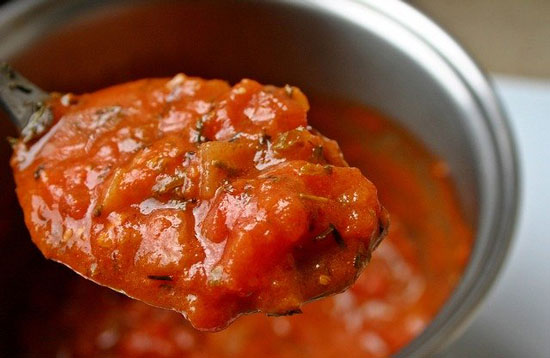
Blend carrots, zucchini, pumpkin, spinach, or cauliflower into pasta sauce, pizza sauce, chili, and taco meat.
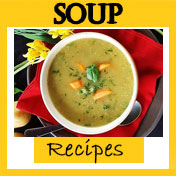
Add pureed vegetables to soups for extra thickness, flavor, fiber, and nutrients without changing the meal too much.
Kids Cooking Activities Teaching Materials
Teaching kids to cook? Save time with ready-made lesson plans used by parents and teachers. Browse teaching materials →


This page may contain affiliate links. We may earn a small commission at no extra cost to you. Learn more.
- Hidden Vegetable Strategies at a Glance
- How to Add Vegetables to Your Weekly Menu Plan
- Vegetables That Work Especially Well
- What to Do With Vegetable and Fruit Purees
- Why Hidden Vegetable Recipes Work
- How Kids Can Help Make Hidden Vegetable Recipes
- Recipes to Add Hidden Vegetables To
- Hidden Vegetables Without Hiding the Truth
- Best Vegetables to Hide by Recipe Type
- Reader Hidden Vegetable Recipes
- Veggie Sauce Pizza
- Lentil Pancakes
- Sneaky "Cheesy" Noodles
- Boxed Mac & Cheese with a Twist
- Nutrition Learning Resources
- More Healthy Eating Ideas for Kids
- Hidden Vegetable Recipes FAQ
How to Add Vegetables to Your Weekly Menu Plan
One of the simplest ways to start making hidden vegetable recipes is by preparing vegetable purees ahead of time and storing them in the freezer. This is also a wonderful hands-on kitchen activity for kids (especially if you're building cooking skills at home).Vegetables That Work Especially Well
These vegetables blend smoothly and mix easily into recipes:- Cauliflower
- Broccoli
- Spinach
- Carrots
- Onions
- Pumpkin
- Zucchini
This is also a great way to introduce kids to healthy food choices alongside simple healthy snacks and balanced meals.
What to Do With Vegetable and Fruit Purees
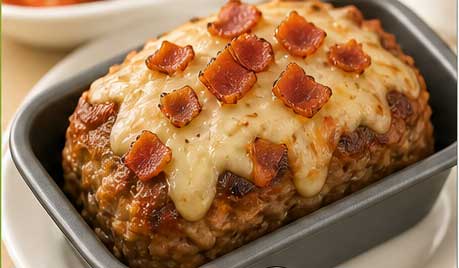
This is where hidden vegetable recipes shine. You can stir purees into pasta sauces, chili and soups, meatloaf and meatballs, taco meat, burgers, muffins and quick breads, mac and cheese, and even mashed potatoes.For example, adding pureed broccoli, carrots, zucchini, and onions into ground hamburger blends beautifully once the meat is cooked. The vegetables add flavor, moisture, and nutrients without changing the texture kids expect.
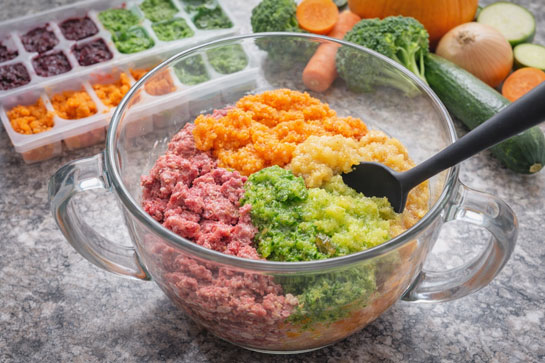
You don't need to follow a strict recipe. Use whatever vegetables you have on hand and experiment. Hidden vegetables are forgiving - and incredibly flexible.
These simple additions help build healthier meals without changing what kids already enjoy eating. Pair these ideas with proper portion sizes for even better nutrition habits.
Why Hidden Vegetable Recipes Work
- Increase daily vegetable intake
- Add fiber and vitamins
- Improve texture and moisture in baked goods
- Stretch ground meat further
- Reduce food waste
- Build kids' familiarity with vegetables
Healthy eating doesn't have to be all or nothing. Small, consistent changes make the biggest difference.
This approach works especially well when combined with teaching kids about nutrition through hands-on cooking and simple lessons like this free nutrition lesson.
Recipes to Add Hidden Vegetables To
One of the easiest ways to increase vegetable intake is to add small amounts to foods your family already enjoys. These recipe ideas show where different vegetables blend naturally into meals without drastically changing flavor or texture.



Hidden Vegetables Without Hiding the Truth
The goal of hidden vegetable recipes is not to trick children. Instead, they can be a helpful tool while kids are learning to enjoy vegetables in their natural form.
Continue serving visible vegetables alongside hidden ones whenever possible. Children learn through repeated exposure. Seeing, touching, smelling, helping prepare, and tasting vegetables all help build familiarity and acceptance over time.
Think of hidden vegetables as a nutrition boost, not a replacement for learning about healthy foods. Combining both approaches often creates the best long-term results.
Best Vegetables to Hide by Recipe Type
Looking for more ways to use vegetables? Explore our Fruit & Vegetable Nutrition Chart to learn about the benefits of different produce colors.How Kids Can Help Make Hidden Vegetable Recipes
Preparing hidden vegetable recipes is a great way to involve children in the kitchen. When kids help wash, chop, blend, and measure ingredients, they become more familiar with vegetables and often feel more willing to try the finished meal.
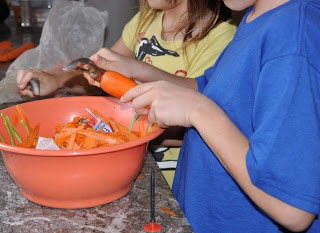
Children can help:
- Wash and peel vegetables
- Chop vegetables into smaller pieces (with supervision)
- Steam or roast vegetables until tender
- Blend vegetables into smooth purees
- Measure ingredients and add them to recipes
- Label freezer containers for future meals
Let them label the containers—the creative spelling alone often makes the activity worthwhile!
How Kids Can Help Make Hidden Vegetable Recipes
Reader Hidden Vegetable Recipes
Veggie Sauce Pizza
by Debbie When I'm making homemade pizza I add 1/2 cup of pumpkin puree
into the pizza sauce. Then I chop very finely or puree 1 red
pepper and stir it into the sauce, also. Spread over pizza crust
and top with shredded cheese and toppings. Bake.
I also have at least one vegetable on top of the pizza such as
peppers, mushrooms, olives or broccoli.
If they aren't eating the topping at least they are getting the
vegetables in the sauce.
Lentil Pancakes
By Kids Cooking Activities
- Category: Breakfast
- Hidden Veggie
- Skill Level: Beginner
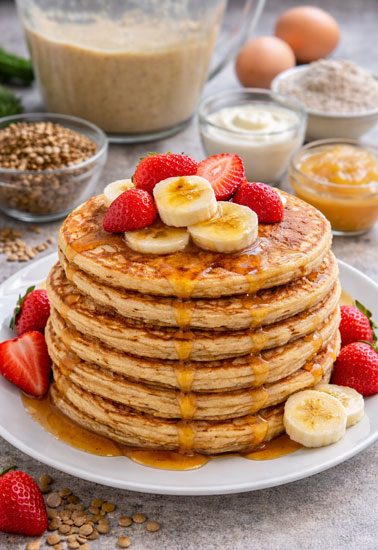


Prep: 5 minutes | Cook: 10 minutes | Yield: 10-12 pancakes
Ingredients
- 1 egg
- 1 cup milk
- 2 tablespoons applesauce
- 1 cup wheat flour
- 1/2 teaspoon salt
- 2 tablespoons baking powder
- 2 tablespoons sugar
- 1/3 cup cooked lentils
- 1/2 cup plain yogurt
Instructions
- Add all ingredients to a blender.
- Blend until smooth and well combined.
- Heat a lightly greased griddle over medium heat.
- Pour batter onto hot griddle, about 1/4 cup per pancake.
- Cook until bubbles form on top (about 2- 3 minutes), then flip.
- Cook another 1-2 minutes until golden brown.
- Serve warm with syrup, fruit, or yogurt.
Kid-Friendly Tips
- Let kids help measure and add ingredients to the blender.
- Use fun cookie cutters to make shaped pancakes.
- Top with berries to add color and extra nutrients.
Fun Variations
- Add chocolate chips or blueberries to the batter.
- Use honey instead of sugar for natural sweetness.
- Make mini pancakes for bite-sized breakfast snacks.
Notes
Cooked lentils blend smoothly into the batter and add protein and fiber. Red lentils work especially well because they are softer when cooked.
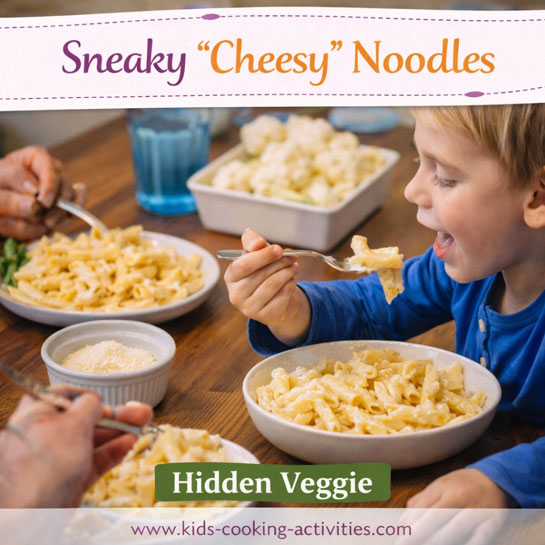
Sneaky "Cheesy" Noodles
By Kim H. (WV)
- Category: Main Dish
- Hidden Veggie
- Kid-Friendly
Prep: 10 minutes | Cook: 10 minutes | Yield: 4 servings
Ingredients
- 3-4 cups penne or shaped pasta, cooked al dente
- 1/4-1/2 cup milk (to desired creaminess)
- 1/4 cup grated Parmesan cheese (optional)
- 1 cup cauliflower puree or light yellow squash puree
- 1-2 tablespoons butter
- Salt and pepper to taste
Instructions
- Cook pasta according to package directions. Drain and set aside.
- In a saucepan over low heat, combine cauliflower puree, butter, milk, and Parmesan cheese.
- Stir until smooth and creamy.
- Add cooked pasta and stir to coat evenly.
- Season with salt and pepper to taste.
- Serve warm.
Kid-Friendly Tips
- Use fun pasta shapes to make it feel "special."
- Let kids sprinkle Parmesan on top.
- Allow finger-eating for younger kids to make it more inviting.
Vegetable Swap Ideas
- Use steamed cauliflower blended until smooth.
- Try yellow squash for a milder flavor.
- Add a small amount of shredded cheddar for extra cheesiness.
Notes
Cauliflower puree gives a mashed-potato-like texture and blends beautifully into pasta. Be sure the puree is very smooth to avoid noticeable vegetable pieces.
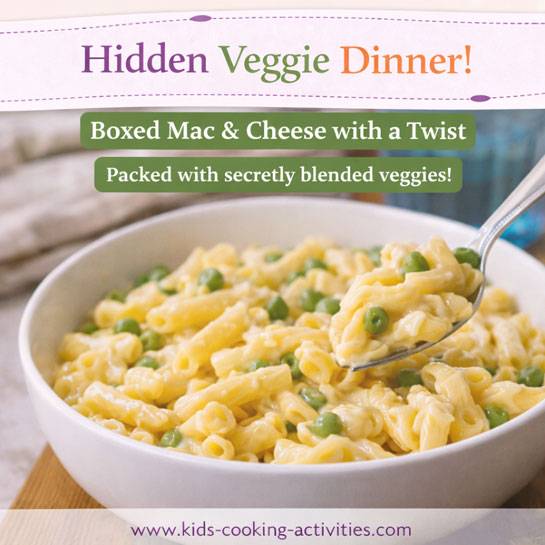
Hidden Veggies Macaroni and Cheese Video
Hidden Vegetable Cake Recipes
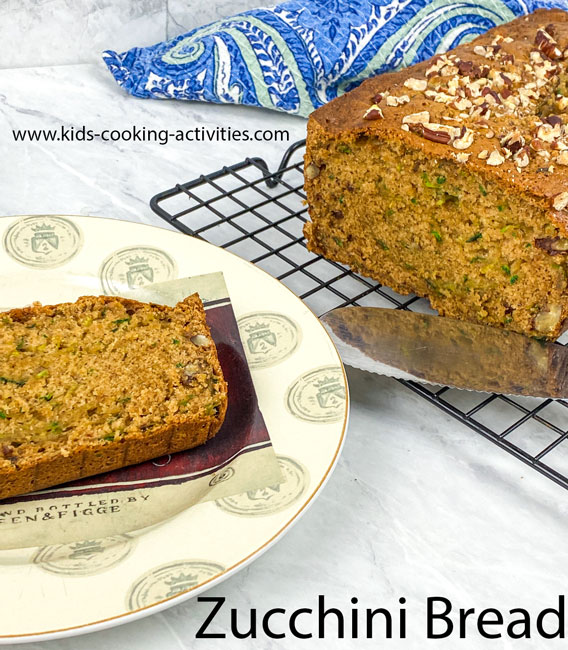
Many cakes and quick breads can hide vegetables surprisingly well. Carrots, zucchini, pumpkin, sweet potatoes, and beets all add moisture while boosting nutrition.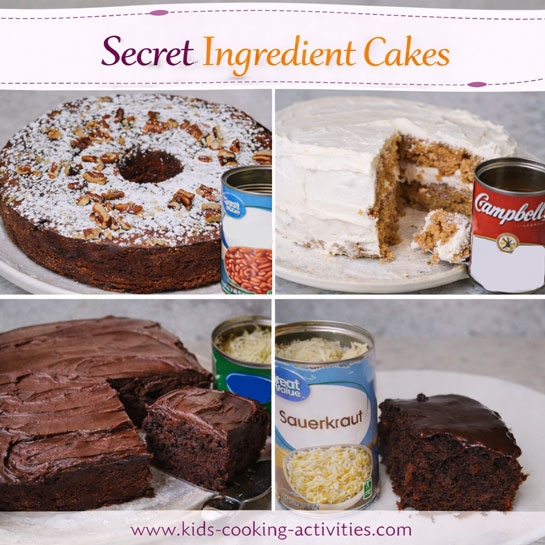
See these hidden vegetable cake recipes.
Nutrition Learning Resources
Hidden vegetable recipes are just one way to help kids build healthier eating habits. Use these nutrition resources to teach children about vegetables, balanced meals, healthy food choices, and where nutrients come from while they cook and learn.

Explore fun facts about fruits, vegetables, grains, dairy foods, and other ingredients kids use in the kitchen.
Learn how different colors of fruits and vegetables provide different nutrients and health benefits.
More Healthy Eating Ideas for Kids
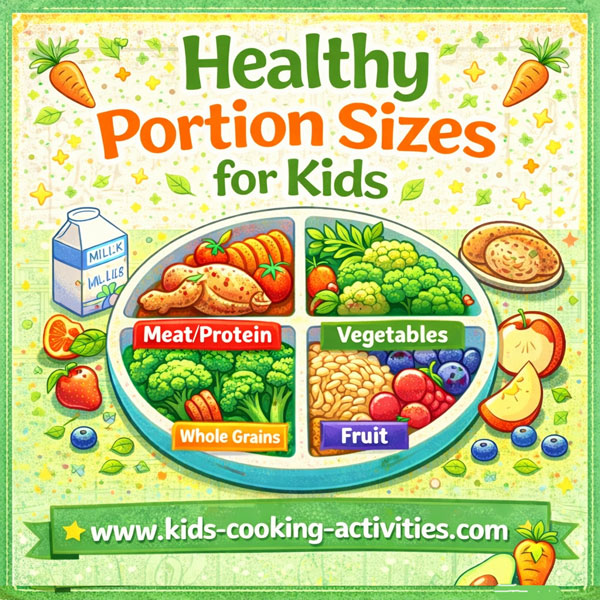
Keep building healthy eating habits with these related guides for balanced meals, snacks, picky eaters, portion sizes, desserts, and cooking lessons.



Hidden Vegetable Recipes FAQ
Start Here → Balanced Family Meals → Healthy Portion Sizes → Healthy Snacks → Healthy Desserts → Picky Eater Tips → Hidden Vegetable Recipes → Vegetarian Meal Ideas → Meatless Recipes → Gluten-Free Eating → Free Nutrition Lesson
Share your favorite hidden vegetable recipes.
Submit your favorite kids recipe
Do you have a favorite recipe your kids love to make? Or a recipe your kids ask you to make again and again? Share it with us!
Get Free Kids Recipe Cards + Cooking Printables
Join Kids Cooking Activities for fun recipes, cooking ideas, and printable resources for kids, families, and classrooms.
Follow Kids Cooking Activities too:





© Debbie Madson, Madson Web Publishing, LLC — All rights reserved.
The material on this site is for educational purposes only.